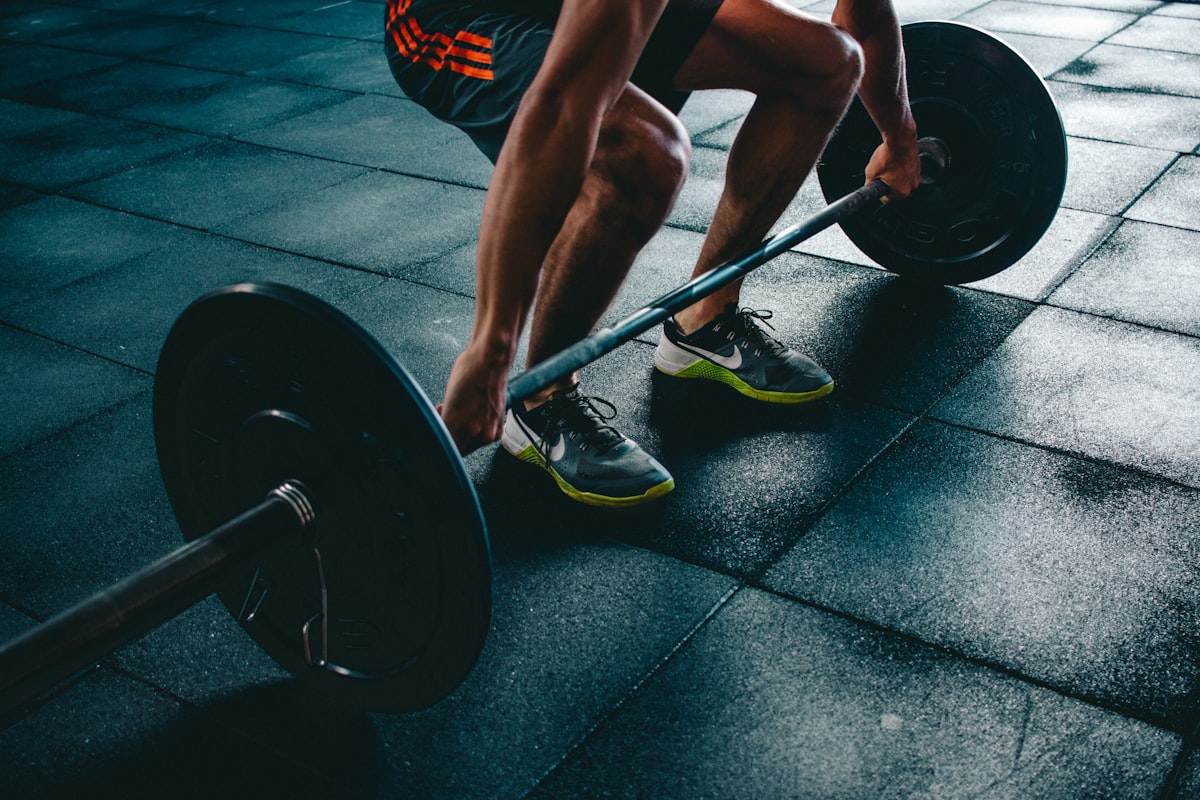
A complete guide to training, nutrition, supplementation, recovery, and injury prevention
Most people arrive at the gym with a clear theory in mind: work hard, eat well, and the results will follow. That theory is not entirely wrong. But it is missing a deeper layer of understanding that sits between effort and real outcomes. Science does not simply say work harder. It tells you precisely what to do, when to do it, why it works, and what is happening inside your body when you ignore the details.
This article is not a motivational call to action. It is an honest reading of where 2026 research stands across five major areas: training, nutrition, supplementation, peptides, and injury prevention. Each area carries discoveries that are changing how serious coaches think about the human body. The purpose here is for you to understand the full picture, because your body does not operate in isolated compartments.
For a long time, the dominant philosophy in weight rooms was built on a simple idea: more is always better. More sets, more sessions, more time under load. Then research from 2025 and 2026 dismantled that equation at its foundation. A meta-analysis published in the Journal of Strength and Conditioning Research demonstrated clearly that the primary driver of muscle growth is not fatigue or burning sensation, but mechanical tension, specifically the stress placed on a muscle at its longest point.
This means that exercises placing load on the muscle while it is fully lengthened, such as incline curls, Romanian deadlifts, or pressing through a full range of motion, produce a considerably greater growth stimulus than exercises that concentrate stress at the contracted point. The data shows that the optimal training volume sits between ten and twenty hard sets per muscle group per week, and that training to complete failure on every set is not a requirement for results but is often a gateway to injury.
What the research cannot tell you is your personal maximum adaptive volume. That number shifts depending on your sleep quality, daily stress, training history, age, and even your hormonal profile at any given time. Knowing the range falls between ten and twenty sets is your starting point. Knowing exactly where you stand within that range requires careful tracking and an experienced eye monitoring how your body responds over time.
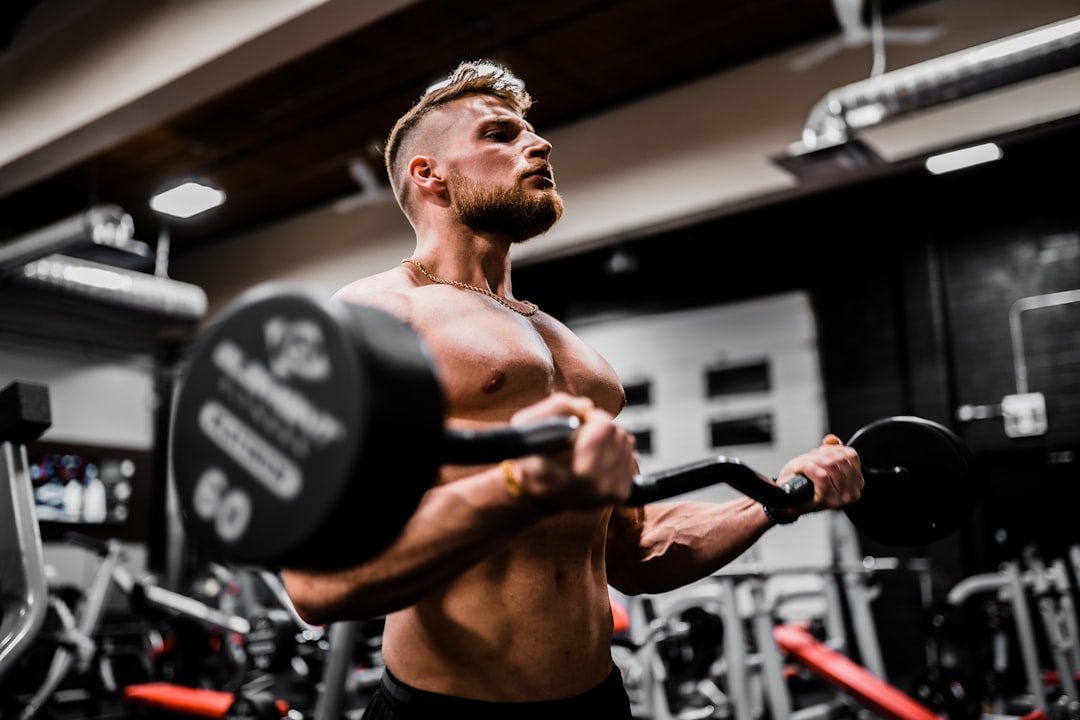
Ask anyone interested in fitness about protein and they will give you a number. Two grams per kilogram, perhaps 1.6. And they will not be wrong. The current consensus from the International Society of Sports Nutrition places the optimal range for active individuals between 1.6 and 2.4 grams per kilogram of body weight daily, with the upper end applying to those pursuing fat loss while preserving muscle. But what surprises most people is that the number alone is not enough.
The discovery that changed how specialist coaches think about this came from University of Toronto research, which proved that distributing protein across four to five meals each containing 35 to 50 grams produces significantly greater muscle protein synthesis than consuming the same total in two or three larger sittings. The reason lies in what is known as the leucine threshold, the amino acid that switches on the muscle-building process. Each meal needs enough leucine to trigger that process, which means one large protein meal in the evening does not compensate for a poorly distributed day.
The gap between knowing the number and applying it correctly is wider than most people assume. Building a daily structure that hits leucine thresholds, respects cultural eating habits, fits around a demanding work schedule, and keeps you in the required caloric deficit simultaneously is an equation with variables that differ substantially from one person to the next.
The global supplement industry generates over sixty billion dollars annually. A substantial portion of that goes toward products backed by little to no credible science. But within that noise there are a handful of supplements that have proven themselves repeatedly in peer-reviewed research, and every serious athlete deserves to know them.
Creatine monohydrate stands at the top of that list without competition. The 2025 Cochrane Review confirmed once again that it increases maximal strength output by five to fifteen percent and supports lean mass accrual when paired with resistance training. Three to five grams daily is entirely sufficient, with no loading phase and no cycling needed. Caffeine ranks closely behind it as an acute performance enhancer at three to six milligrams per kilogram of bodyweight taken forty-five to sixty minutes before training, with one important nuance that 2026 research reveals: caffeine response is influenced by genetics, specifically variants in the CYP1A2 gene, meaning the dose that works for you may not be the dose that works for the person training beside you.
Beyond those two, several nutrients are chronically overlooked. Vitamin D3 is severely deficient in up to eighty percent of populations who spend most of their time indoors, a proportion that is strikingly high in modern air-conditioned environments. Two thousand to four thousand IU daily paired with Vitamin K2 in MK-7 form supports testosterone levels, bone health, and immune efficiency. Omega-3 fatty acids at a daily two to three grams of combined EPA and DHA show in 2025 research to reduce post-exercise muscle damage and accelerate recovery between sessions. Ashwagandha in KSM-66 form demonstrates in controlled trials a cortisol reduction of eleven to fourteen percent and meaningful strength improvements in those dealing with chronic stress or disrupted sleep.
If a supplement existed that increased growth hormone release by up to seventy percent, reduced cortisol, enhanced insulin sensitivity, accelerated muscle repair, and improved focus and cognitive performance the next day, it would be sold at extraordinary prices and everyone would be talking about it. That supplement exists. It is called deep sleep. And the striking reality is that most people spending hundreds of dirhams monthly on protein and creatine and stacks completely overlook the foundational condition that makes all of it work.
Research from 2025 and 2026 has deepened our understanding of the relationship between sleep and physical adaptation. Growth hormone is primarily released during deep sleep in the first hours of the night. Cutting through that phase with late nights or irregular schedules does not just mean you will feel tired. It means you are robbing your body of its primary window to repair the muscle tissue you broke down during training. A study published in the International Journal of Sports Medicine in 2025 showed that individuals sleeping fewer than six hours daily demonstrated an eighteen percent lower rate of muscle protein synthesis compared to those sleeping eight hours, even when training and nutrition programs were identical.
The circadian rhythm plays a central role here. The body's daily biological clock regulates the timing of hormone release, energy levels, and the nervous system's capacity to recover. People living intensive professional lives in major cities, with varying sleep times, exposure to artificial light at night, and accumulated work pressure, often experience a subtle disruption in this rhythm that affects their training results more than they realise. Improving sleep does not simply mean going to bed earlier. It means understanding how your lifestyle interacts with your biological clock and correcting that interaction in a deliberate and systematic way.
Injury is the most destructive factor in long-term athletic progress and it almost always arrives quietly. A 2025 epidemiological study published in the British Journal of Sports Medicine revealed that seventy percent of resistance training injuries are overuse injuries, meaning they did not happen in a single moment but accumulated over weeks or months of unmanaged loading. The lower back, shoulder, and knee are the most common sites, and in most cases the causes are not bad luck but correctable decisions.
The 2026 research consolidates the Acute to Chronic Workload Ratio as a powerful predictive tool. When a single week's training load exceeds one and a half times your rolling average over recent months, the probability of injury rises sharply. This is not theory but a documented outcome across multiple athletic cohorts. Yet many trainees still increase their load based on how they feel rather than what the numbers say, and that difference alone explains a large proportion of the injuries people describe as coming out of nowhere.
There is another structural imbalance that many programs overlook entirely, which is the gap between the anterior and posterior chains of the body. Athletes typically overdevelop the chest, front shoulders, and quads relative to the hamstrings, glutes, mid-back, and posterior rotator cuff. This imbalance does not show in the mirror at first but it tends to show up eventually in more painful ways. Real correction does not mean adding two back exercises to your current program. It requires an assessment of your movement patterns and a systematic rebalancing from the ground up.
What is difficult to convey in a single article is that these five areas do not operate in parallel independent lines. They are deeply entangled with one another in ways that no algorithm or application can model with sufficient precision. Your training load directly affects your protein requirements. Your sleep quality changes how you respond to creatine. Your daily stress level determines whether you need ashwagandha or not. And the dysfunction in your movement patterns sets a ceiling you will never break through regardless of how much training volume you add.
This is the real reason many people stall despite genuine effort. They are not lazy. They do not lack willpower. But they are applying correct information in isolation to a body that functions as an integrated system. The gap between knowledge and outcome is not bridged by apps or YouTube tutorials. It is bridged by consistent personal oversight from a coach who understands your body over time.
Your Next Step
If you finished this article with more questions than you started with, that is exactly what happens when a serious person encounters real information. HustleNation was not built for those who want a ready-made program. It was built for those who want to understand their body and train based on actual data. The first conversation is completely free. There is no sales pitch in it. There is one question: what do you want to change, and what have you already tried?
Book Your Free ConsultationAll information is based on peer-reviewed research current as of Q1 2026. This article is educational and does not constitute medical advice.
%20scale(0.92)'%3e%3cpath%20d='M%2046%2010%20A%2040%2040%200%200%200%2046%2090%20L%2046%2078%20A%209.5%209.5%200%200%201%2030.2%2069.8%20A%2011%2011%200%200%201%2022%2050%20A%2011%2011%200%200%201%2030.2%2030.2%20A%209.5%209.5%200%200%201%2046%2022%20Z'%20fill='%23e85d1f'/%3e%3cg%20fill='none'%20stroke='%23e85d1f'%20stroke-linecap='butt'%3e%3cpath%20d='M%2046%2038%20A%2012%2012%200%200%200%2046%2062'%20stroke-width='10'/%3e%3cpath%20d='M%2046%2050%20H%2056'%20stroke-width='10'/%3e%3c/g%3e%3cg%20fill='%23e85d1f'%3e%3crect%20x='56'%20y='16'%20width='12'%20height='68'/%3e%3crect%20x='74'%20y='28'%20width='10'%20height='44'/%3e%3crect%20x='90'%20y='40'%20width='8'%20height='20'/%3e%3c/g%3e%3c/g%3e%3cg%20fill='%23f7f4ef'%3e%3cpath%20d='M259.64,507.88h14.26v26.01h23.73v-26.01h14.26v64.25h-14.26v-26.01h-23.73v26.01h-14.26v-64.25Z'/%3e%3cpath%20d='M321.6,507.88h14.27v46.33c0,3.14,2.55,5.68,5.69,5.69h12.35c3.14,0,5.68-2.55,5.69-5.69v-46.33h14.27v47.41c-.03,9.29-7.55,16.81-16.84,16.84h-18.59c-9.29-.03-16.81-7.55-16.84-16.84v-47.41Z'/%3e%3cpath%20d='M399.04,507.88h42.49v12.23h-41.77c-2.08,0-3.77,1.69-3.77,3.77v6.08l27.82,6.38c5.98,1.32,10.22,6.65,10.18,12.78v5.7c-.03,9.55-7.76,17.29-17.32,17.32h-34.95v-12.23h34.23c2.08,0,3.77-1.69,3.77-3.77v-6.09l-27.77-6.37c-5.98-1.33-10.22-6.65-10.18-12.78v-.78c-.03-.44-.05-.87-.05-1.32v-3.6c.03-9.55,7.76-17.29,17.32-17.32Z'/%3e%3cpath%20d='M489.97,507.88v12.23h-19v52.02h-14.26v-52.02h-19v-12.23h52.26Z'/%3e%3cpath%20d='M521.03,572.13h-8.81c-9.55-.03-17.29-7.76-17.32-17.32v-46.93h14.26v48.25c0,2.08,1.69,3.77,3.77,3.77h34.23v12.23h-26.13Z'/%3e%3cpath%20d='M551.62,525.19c.03-9.55,7.76-17.29,17.32-17.32h34.95v12.23h-34.23c-2.08,0-3.77,1.69-3.77,3.77v32.25c0,2.08,1.69,3.77,3.77,3.77h34.23v12.23h-34.95c-9.55-.03-17.29-7.76-17.32-17.32v-29.61h0ZM593.83,533.89v12.23h-30.86v-12.23h30.86Z'/%3e%3c/g%3e%3cg%20fill='%23e85d1f'%3e%3cpath%20d='M608.34,507.88h17.23l20.77,42.48v-42.48h14.27v64.25h-17.23l-20.77-42.48v42.48h-14.26v-64.25Z'/%3e%3cpath%20d='M709.53,513.95l20.87,58.17h-15.16l-17.1-47.66-17.1,47.66h-15.15l20.87-58.17c1.27-3.67,4.75-6.12,8.63-6.08h5.5c3.89-.04,7.36,2.41,8.64,6.08Z'/%3e%3cpath%20d='M775.25,507.88v12.23h-19v52.02h-14.26v-52.02h-19v-12.23h52.26Z'/%3e%3cpath%20d='M780.72,572.13v-64.25h14.26v64.25h-14.26Z'/%3e%3cpath%20d='M856.39,525.19v29.61c-.03,9.55-7.76,17.29-17.32,17.32h-17.63c-9.55-.03-17.29-7.76-17.32-17.32v-29.61c.03-9.55,7.76-17.29,17.32-17.32h17.63c9.55.03,17.29,7.76,17.32,17.32ZM838.36,559.9c2.08,0,3.77-1.69,3.77-3.77v-32.25c0-2.08-1.69-3.77-3.77-3.77h-16.19c-2.08,0-3.77,1.69-3.77,3.77v32.25c0,2.08,1.69,3.77,3.77,3.77h16.19Z'/%3e%3cpath%20d='M865.54,507.88h17.23l20.77,42.48v-42.48h14.27v64.25h-17.23l-20.77-42.48v42.48h-14.26v-64.25Z'/%3e%3c/g%3e%3cpolygon%20fill='%23f7f4ef'%20points='703.28%20559.9%20707.67%20572.13%20688.63%20572.13%20693.01%20559.9%20703.28%20559.9'/%3e%3c/svg%3e)