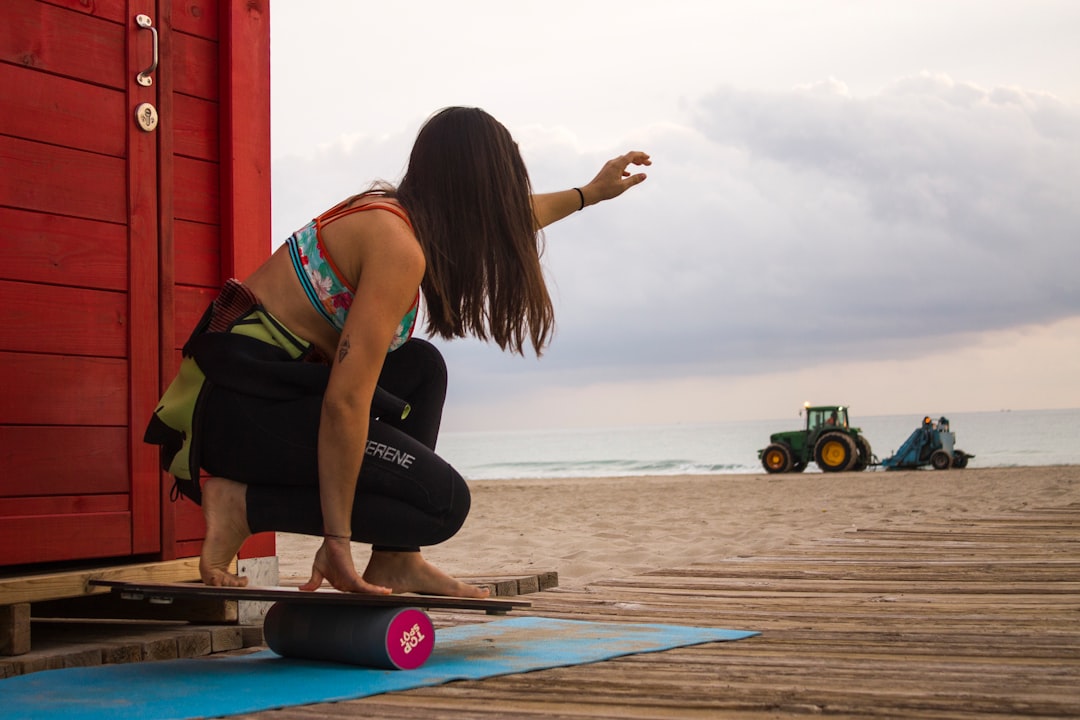
A practical science based guide to using light movement to speed recovery and improve performance
When you feel sore after a hard workout, instinct tells you to lie on the couch until the pain disappears. But research says something else: structured light movement on recovery days speeds muscle repair, reduces soreness, and maintains performance better than complete rest. This is called active recovery.
Active recovery is not another workout you add to the program. It is a smart way to speed up the repair process between hard sessions. If you understand how it works and when to use it, you will train more and with better quality over the long term.
Active recovery is performing light to moderate intensity movement on rest days or after hard workouts. The goal is not to build muscle or burn calories. The goal is to improve recovery between heavy sessions.
Common examples: light walking twenty to thirty minutes, low intensity cycling, slow swimming, gentle yoga, foam rolling. Intensity should be around fifty to sixty percent of maximum heart rate. You feel movement but not exhaustion.
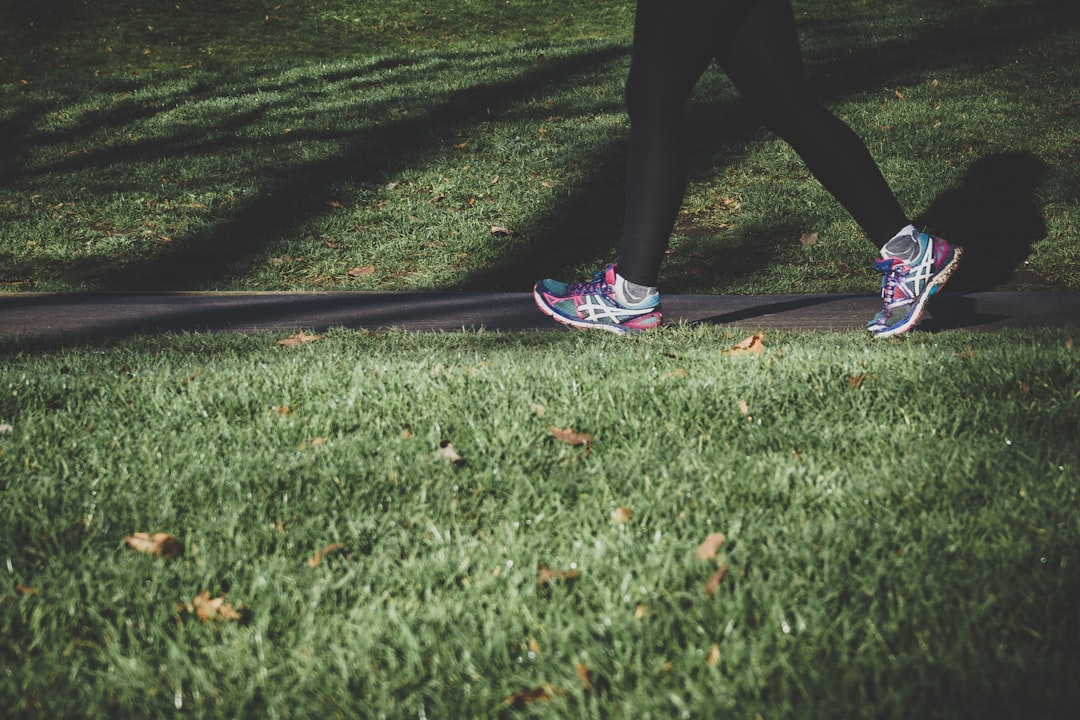
Light movement increases blood flow to fatigued muscles without adding significant additional stress. Improved blood flow delivers oxygen and nutrients to tissues that need repair, and helps remove metabolic waste products like lactate.
A study published in the Journal of Sports Science and Medicine in two thousand eighteen compared light active recovery with passive rest after high intensity exercise. It found that the group that performed active recovery showed faster decline in blood lactate levels and lower delayed onset muscle soreness after forty eight hours compared to the group that remained in complete rest.
Other studies from the British Journal of Sports Medicine confirmed that active recovery reduces perceived soreness and improves range of motion faster than passive rest. Light movement stimulates circulation without disrupting the repair process.
Reduced delayed onset muscle soreness: Light movement helps clear waste products and reduces post workout soreness by twenty to thirty percent.
Faster recovery between sessions: Improved blood flow delivers oxygen and nutrients to muscles faster, which means better performance in the next workout.
Maintaining movement and flexibility: Staying completely still increases stiffness. Light movement maintains range of motion and reduces the feeling of tightness.
Improved performance throughout the week: Trainees who integrate active recovery can train harder and more frequently than those who rely only on passive rest.
Mental health support: Light movement on rest days improves mood and reduces stress without feeling pressure or exhaustion.
High intensity trainees: Anyone training three to five times weekly with heavy weights or high intensity benefits from active recovery days between heavy sessions.
Athletes: Athletes who train multiple times per day or on consecutive days need active recovery to support performance and prevent injury.
Older trainees: Above forty, natural recovery becomes slower. Active recovery helps speed repair and maintain movement without adding fatigue.
Anyone feeling severe soreness: If you feel severe soreness after every workout, adding light active recovery reduces pain and improves quality in the following workouts.
Busy people: Light walking or yoga can be mental rest time while supporting physical recovery at the same time.
Timing: Use active recovery the day after heavy workouts, or on any rest day between strength sessions.
Intensity: Light to moderate, around fifty to sixty percent of maximum heart rate. You should be able to maintain a conversation easily. If you feel exhausted or short of breath, the intensity is too high.
Duration: Twenty to thirty minutes is enough. Longer is possible but not necessary. You do not need a long hour.
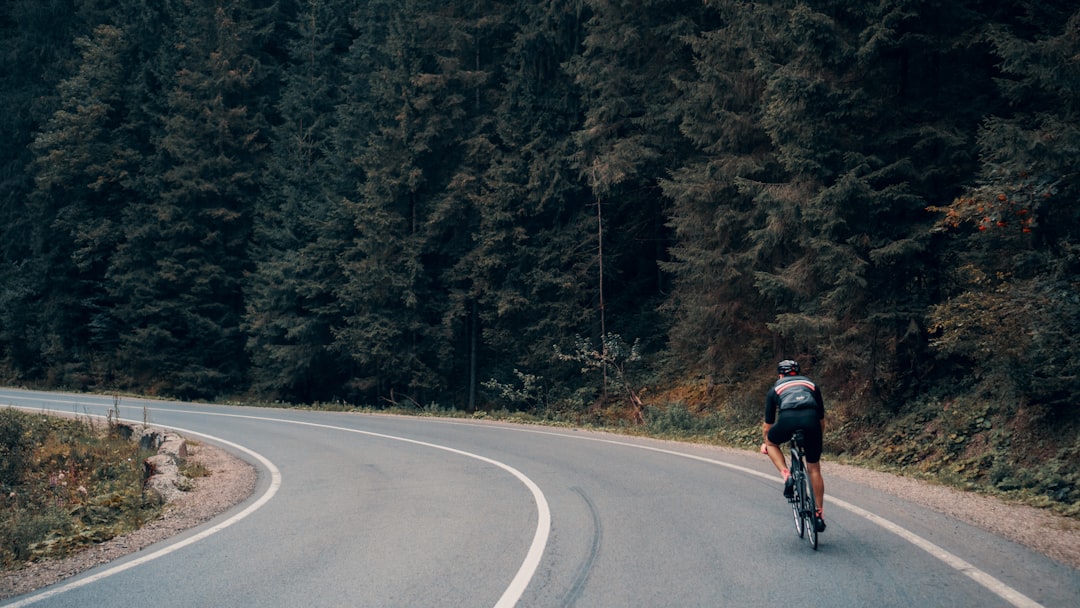
Suitable activities: Light walking, low intensity cycling, slow swimming, gentle yoga, dynamic stretching, foam rolling.
Frequency: One to three times weekly depending on training program intensity. The harder the training, the more need for active recovery days.
Intensity too high: Turning active recovery day into another high intensity workout adds fatigue instead of speeding recovery. Movement should be light and enjoyable.
Relying on active recovery and ignoring basics: Active recovery helps, but it does not compensate for lack of sleep, poor nutrition, or protein deficiency.
Ignoring signs of overtraining: If you are extremely tired, weak, or feel performance drop in every workout, you may need complete passive rest for a few days, not active recovery.
Fear of complete rest: Active recovery is useful, but sometimes complete rest for one or two days is necessary. Do not fear complete rest when the body needs it.
Monday: Full body strength training (heavy). Tuesday: Twenty minutes light walking or foam rolling. Wednesday: Strength training (heavy). Thursday: Complete rest or fifteen minutes gentle yoga. Friday: Strength training (heavy). Saturday: Twenty to thirty minutes light cycling or slow swimming. Sunday: Complete rest.
This is just an example. Adjust according to your program. But the basic idea: after heavy sessions, add light movement to speed recovery without adding significant fatigue.
Active recovery is not weakness. It is a smart strategy to speed repair, reduce soreness, and train with better quality over the long term. Structured light movement on rest days is better than complete lying down when the goal is better performance in the following workouts.
Light movement, adequate sleep, and sufficient protein are the three pillars of real recovery. Active recovery supports the system but does not replace the basics.
Coach Huss builds fully customized training programs for you. Strength, hypertrophy, performance, and recovery all calculated.
Get Started%20scale(0.92)'%3e%3cpath%20d='M%2046%2010%20A%2040%2040%200%200%200%2046%2090%20L%2046%2078%20A%209.5%209.5%200%200%201%2030.2%2069.8%20A%2011%2011%200%200%201%2022%2050%20A%2011%2011%200%200%201%2030.2%2030.2%20A%209.5%209.5%200%200%201%2046%2022%20Z'%20fill='%23e85d1f'/%3e%3cg%20fill='none'%20stroke='%23e85d1f'%20stroke-linecap='butt'%3e%3cpath%20d='M%2046%2038%20A%2012%2012%200%200%200%2046%2062'%20stroke-width='10'/%3e%3cpath%20d='M%2046%2050%20H%2056'%20stroke-width='10'/%3e%3c/g%3e%3cg%20fill='%23e85d1f'%3e%3crect%20x='56'%20y='16'%20width='12'%20height='68'/%3e%3crect%20x='74'%20y='28'%20width='10'%20height='44'/%3e%3crect%20x='90'%20y='40'%20width='8'%20height='20'/%3e%3c/g%3e%3c/g%3e%3cg%20fill='%23f7f4ef'%3e%3cpath%20d='M259.64,507.88h14.26v26.01h23.73v-26.01h14.26v64.25h-14.26v-26.01h-23.73v26.01h-14.26v-64.25Z'/%3e%3cpath%20d='M321.6,507.88h14.27v46.33c0,3.14,2.55,5.68,5.69,5.69h12.35c3.14,0,5.68-2.55,5.69-5.69v-46.33h14.27v47.41c-.03,9.29-7.55,16.81-16.84,16.84h-18.59c-9.29-.03-16.81-7.55-16.84-16.84v-47.41Z'/%3e%3cpath%20d='M399.04,507.88h42.49v12.23h-41.77c-2.08,0-3.77,1.69-3.77,3.77v6.08l27.82,6.38c5.98,1.32,10.22,6.65,10.18,12.78v5.7c-.03,9.55-7.76,17.29-17.32,17.32h-34.95v-12.23h34.23c2.08,0,3.77-1.69,3.77-3.77v-6.09l-27.77-6.37c-5.98-1.33-10.22-6.65-10.18-12.78v-.78c-.03-.44-.05-.87-.05-1.32v-3.6c.03-9.55,7.76-17.29,17.32-17.32Z'/%3e%3cpath%20d='M489.97,507.88v12.23h-19v52.02h-14.26v-52.02h-19v-12.23h52.26Z'/%3e%3cpath%20d='M521.03,572.13h-8.81c-9.55-.03-17.29-7.76-17.32-17.32v-46.93h14.26v48.25c0,2.08,1.69,3.77,3.77,3.77h34.23v12.23h-26.13Z'/%3e%3cpath%20d='M551.62,525.19c.03-9.55,7.76-17.29,17.32-17.32h34.95v12.23h-34.23c-2.08,0-3.77,1.69-3.77,3.77v32.25c0,2.08,1.69,3.77,3.77,3.77h34.23v12.23h-34.95c-9.55-.03-17.29-7.76-17.32-17.32v-29.61h0ZM593.83,533.89v12.23h-30.86v-12.23h30.86Z'/%3e%3c/g%3e%3cg%20fill='%23e85d1f'%3e%3cpath%20d='M608.34,507.88h17.23l20.77,42.48v-42.48h14.27v64.25h-17.23l-20.77-42.48v42.48h-14.26v-64.25Z'/%3e%3cpath%20d='M709.53,513.95l20.87,58.17h-15.16l-17.1-47.66-17.1,47.66h-15.15l20.87-58.17c1.27-3.67,4.75-6.12,8.63-6.08h5.5c3.89-.04,7.36,2.41,8.64,6.08Z'/%3e%3cpath%20d='M775.25,507.88v12.23h-19v52.02h-14.26v-52.02h-19v-12.23h52.26Z'/%3e%3cpath%20d='M780.72,572.13v-64.25h14.26v64.25h-14.26Z'/%3e%3cpath%20d='M856.39,525.19v29.61c-.03,9.55-7.76,17.29-17.32,17.32h-17.63c-9.55-.03-17.29-7.76-17.32-17.32v-29.61c.03-9.55,7.76-17.29,17.32-17.32h17.63c9.55.03,17.29,7.76,17.32,17.32ZM838.36,559.9c2.08,0,3.77-1.69,3.77-3.77v-32.25c0-2.08-1.69-3.77-3.77-3.77h-16.19c-2.08,0-3.77,1.69-3.77,3.77v32.25c0,2.08,1.69,3.77,3.77,3.77h16.19Z'/%3e%3cpath%20d='M865.54,507.88h17.23l20.77,42.48v-42.48h14.27v64.25h-17.23l-20.77-42.48v42.48h-14.26v-64.25Z'/%3e%3c/g%3e%3cpolygon%20fill='%23f7f4ef'%20points='703.28%20559.9%20707.67%20572.13%20688.63%20572.13%20693.01%20559.9%20703.28%20559.9'/%3e%3c/svg%3e)