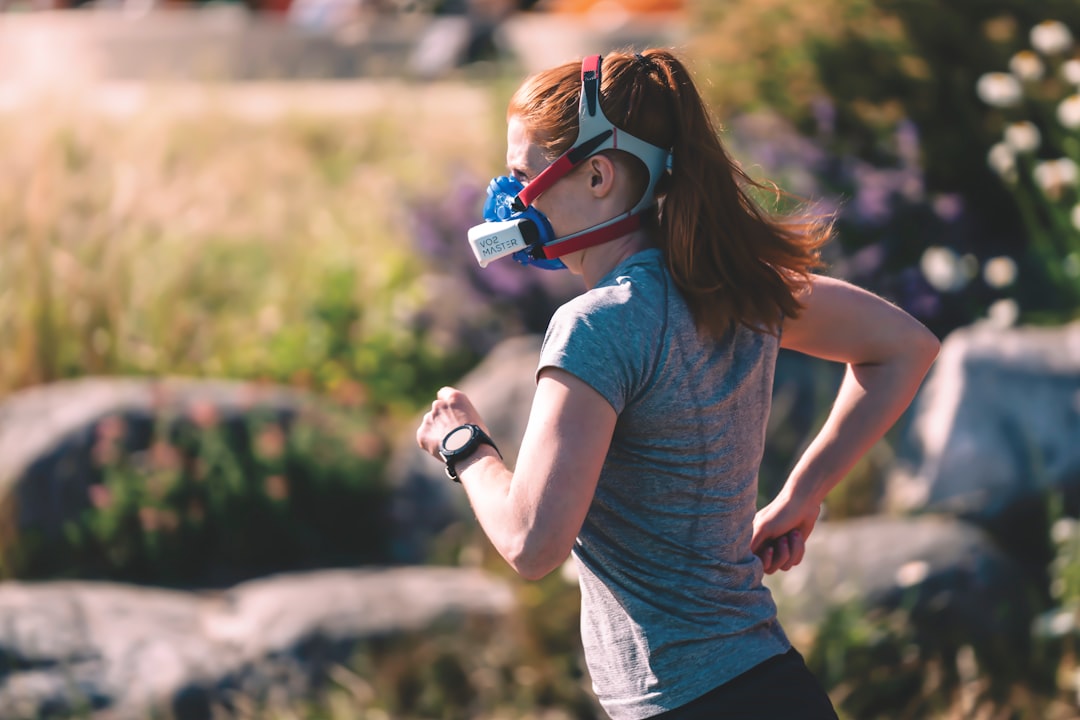
The science behind simulation masks, what research shows about performance and endurance, and when they help
Altitude training masks promise performance at mountain level without leaving sea level. You see them in gyms and athlete videos, marketed as simulating training at 3000 meters altitude or higher, improving endurance, VO2 max, and power. But what does research actually show?
The short answer is these masks do not simulate real altitude. What they do is restrict airflow, forcing respiratory muscles to work harder. This is resistive breathing training, not true hypoxic training. The benefits are completely different from what happens on a mountain.
An altitude training mask is a device covering the mouth and nose, containing adjustable valves that restrict the amount of air you breathe during exercise. The marketing idea is that restricting airflow simulates the low oxygen you face at high altitude, forcing your body to adapt the same way athletes who train in the mountains adapt.
The problem is this is not how real altitude training works. At high altitude, the partial pressure of oxygen in air decreases, meaning each breath of air contains less oxygen, but you can breathe freely as much as you want. With a mask, the oxygen in air is normal, but the amount of air you can move in each breath is limited.
A 2016 study in Journal of Strength and Conditioning Research compared mask training and normal training across six weeks. The result was no significant difference in VO2 max, power, or endurance between the two groups. What did improve slightly was ventilatory threshold, which means a small improvement in breathing efficiency under effort.
Another study from 2019 published in Sports Medicine looked at the effect of training masks on performance of swimmers, runners, and other athletes. The conclusion was that masks improve respiratory muscle strength, especially the diaphragm and intercostal muscles, but do not improve oxygen delivery or red blood cell production, which are the real adaptations that happen at high altitude.
A comprehensive 2026 review published in NCBI examined dozens of studies on hypoxic training and resistive breathing training. The clear result is altitude training masks are not altitude masks. They are respiratory training tools. They improve breathing strength and possibly efficiency under load, but do not stimulate the hematological or metabolic adaptations that happen when living or training at real altitude.
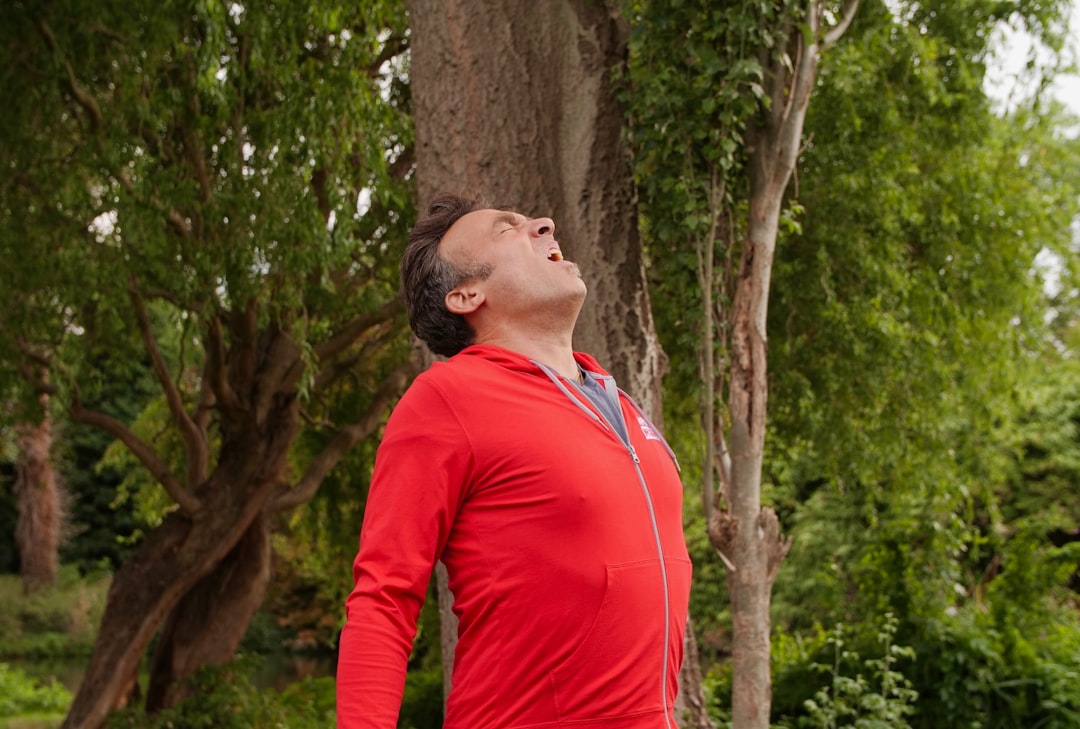
Even though training masks do not simulate altitude, resistive breathing training has real benefits for some people.
1. Respiratory Muscle Strength
The mask forces the diaphragm and intercostal muscles to work harder, just like any other muscle in the body. With repeated training, these muscles become stronger and more resistant to fatigue. This can be useful in long endurance sports where breathing fatigue becomes a limiting factor.
2. Improved Ventilatory Threshold
Some research shows a small improvement in the point where breathing starts to become very difficult during increasing intensity exercise. This means you may be able to maintain higher intensity longer before feeling severe shortness of breath.
3. Mental Discipline
Training with a mask makes exercise more difficult mentally. Breathing under resistance is uncomfortable, and tolerating this discomfort can improve mental ability to tolerate intensity. This is a psychological effect, not a physiological adaptation, but it is real for some athletes.
If you are thinking about using a training mask, it is important to understand it is not a magic tool and not a substitute for real altitude. But in some scenarios, it may have value.
Endurance Athletes
Runners, swimmers, and cyclists who face breathing fatigue in late stages of races may see a small benefit from strengthening respiratory muscles. But the improvement is small compared to basic endurance and speed training.
Those Preparing for High Altitude Competition
If you will compete or climb at high altitude and cannot access real altitude for training, a mask may help strengthen the respiratory system, but it will not stimulate the hematological adaptations you really need. Better is spending weeks at real altitude before competition if possible.
Those Who Like Variety
Some people find that adding a different tool or new challenge makes training more interesting and helps them stay consistent. If a mask makes you train harder and helps with discipline, that is positive, as long as you do not rely on it instead of fundamentals.
1. Believing It Simulates Real Altitude
The marketing is misleading. The mask does not simulate altitude. It does not increase red blood cells, and does not improve oxygen delivery at cellular level. If you want real altitude adaptations, you must go to real altitude or use a professional hypoxic chamber.
2. Using It in Every Workout
Training under breathing resistance adds extra stress. If you use it in every workout, you may reduce basic training intensity or volume, which is the opposite of what you want. Use it as a supplementary tool once or twice per week, not a replacement for normal training.
3. Ignoring Warning Signs
If you feel severe dizziness, nausea, headache, or difficulty concentrating while using a mask, stop immediately. Excessive breathing restriction can cause severe oxygen deficit in the brain, and this is dangerous.
4. Using It in Heavy Strength Training
Training masks are designed for aerobic work like running or cycling, not for heavy lifting. Restricting breathing during squat or deadlift close to max is dangerous and can cause loss of consciousness or weak performance leading to injury.
Altitude training masks are not altitude masks. They are respiratory training tools that restrict airflow and force breathing muscles to work harder, but they do not simulate the real low oxygen that happens at high altitude and do not stimulate the hematological or metabolic adaptations that make altitude training effective.
The real benefits are limited: a small improvement in respiratory muscle strength and possibly in ventilatory threshold, and some mental benefit from tolerating discomfort. These benefits may be useful for endurance athletes who face breathing fatigue in late stages, but they are not a replacement for smart and consistent basic training.
If you are thinking about using a training mask, understand what it does and what it does not. Use it as a supplementary tool once or twice per week, not in every workout, and never use it in heavy lifting. And do not believe marketing claims about simulating altitude or doubling VO2 max. Real improvement comes from smart training, good nutrition, adequate sleep, and consistency.
Get a custom program based on your level, goal, and time, with weekly follow up and full support
Start Now%20scale(0.92)'%3e%3cpath%20d='M%2046%2010%20A%2040%2040%200%200%200%2046%2090%20L%2046%2078%20A%209.5%209.5%200%200%201%2030.2%2069.8%20A%2011%2011%200%200%201%2022%2050%20A%2011%2011%200%200%201%2030.2%2030.2%20A%209.5%209.5%200%200%201%2046%2022%20Z'%20fill='%23e85d1f'/%3e%3cg%20fill='none'%20stroke='%23e85d1f'%20stroke-linecap='butt'%3e%3cpath%20d='M%2046%2038%20A%2012%2012%200%200%200%2046%2062'%20stroke-width='10'/%3e%3cpath%20d='M%2046%2050%20H%2056'%20stroke-width='10'/%3e%3c/g%3e%3cg%20fill='%23e85d1f'%3e%3crect%20x='56'%20y='16'%20width='12'%20height='68'/%3e%3crect%20x='74'%20y='28'%20width='10'%20height='44'/%3e%3crect%20x='90'%20y='40'%20width='8'%20height='20'/%3e%3c/g%3e%3c/g%3e%3cg%20fill='%23f7f4ef'%3e%3cpath%20d='M259.64,507.88h14.26v26.01h23.73v-26.01h14.26v64.25h-14.26v-26.01h-23.73v26.01h-14.26v-64.25Z'/%3e%3cpath%20d='M321.6,507.88h14.27v46.33c0,3.14,2.55,5.68,5.69,5.69h12.35c3.14,0,5.68-2.55,5.69-5.69v-46.33h14.27v47.41c-.03,9.29-7.55,16.81-16.84,16.84h-18.59c-9.29-.03-16.81-7.55-16.84-16.84v-47.41Z'/%3e%3cpath%20d='M399.04,507.88h42.49v12.23h-41.77c-2.08,0-3.77,1.69-3.77,3.77v6.08l27.82,6.38c5.98,1.32,10.22,6.65,10.18,12.78v5.7c-.03,9.55-7.76,17.29-17.32,17.32h-34.95v-12.23h34.23c2.08,0,3.77-1.69,3.77-3.77v-6.09l-27.77-6.37c-5.98-1.33-10.22-6.65-10.18-12.78v-.78c-.03-.44-.05-.87-.05-1.32v-3.6c.03-9.55,7.76-17.29,17.32-17.32Z'/%3e%3cpath%20d='M489.97,507.88v12.23h-19v52.02h-14.26v-52.02h-19v-12.23h52.26Z'/%3e%3cpath%20d='M521.03,572.13h-8.81c-9.55-.03-17.29-7.76-17.32-17.32v-46.93h14.26v48.25c0,2.08,1.69,3.77,3.77,3.77h34.23v12.23h-26.13Z'/%3e%3cpath%20d='M551.62,525.19c.03-9.55,7.76-17.29,17.32-17.32h34.95v12.23h-34.23c-2.08,0-3.77,1.69-3.77,3.77v32.25c0,2.08,1.69,3.77,3.77,3.77h34.23v12.23h-34.95c-9.55-.03-17.29-7.76-17.32-17.32v-29.61h0ZM593.83,533.89v12.23h-30.86v-12.23h30.86Z'/%3e%3c/g%3e%3cg%20fill='%23e85d1f'%3e%3cpath%20d='M608.34,507.88h17.23l20.77,42.48v-42.48h14.27v64.25h-17.23l-20.77-42.48v42.48h-14.26v-64.25Z'/%3e%3cpath%20d='M709.53,513.95l20.87,58.17h-15.16l-17.1-47.66-17.1,47.66h-15.15l20.87-58.17c1.27-3.67,4.75-6.12,8.63-6.08h5.5c3.89-.04,7.36,2.41,8.64,6.08Z'/%3e%3cpath%20d='M775.25,507.88v12.23h-19v52.02h-14.26v-52.02h-19v-12.23h52.26Z'/%3e%3cpath%20d='M780.72,572.13v-64.25h14.26v64.25h-14.26Z'/%3e%3cpath%20d='M856.39,525.19v29.61c-.03,9.55-7.76,17.29-17.32,17.32h-17.63c-9.55-.03-17.29-7.76-17.32-17.32v-29.61c.03-9.55,7.76-17.29,17.32-17.32h17.63c9.55.03,17.29,7.76,17.32,17.32ZM838.36,559.9c2.08,0,3.77-1.69,3.77-3.77v-32.25c0-2.08-1.69-3.77-3.77-3.77h-16.19c-2.08,0-3.77,1.69-3.77,3.77v32.25c0,2.08,1.69,3.77,3.77,3.77h16.19Z'/%3e%3cpath%20d='M865.54,507.88h17.23l20.77,42.48v-42.48h14.27v64.25h-17.23l-20.77-42.48v42.48h-14.26v-64.25Z'/%3e%3c/g%3e%3cpolygon%20fill='%23f7f4ef'%20points='703.28%20559.9%20707.67%20572.13%20688.63%20572.13%20693.01%20559.9%20703.28%20559.9'/%3e%3c/svg%3e)