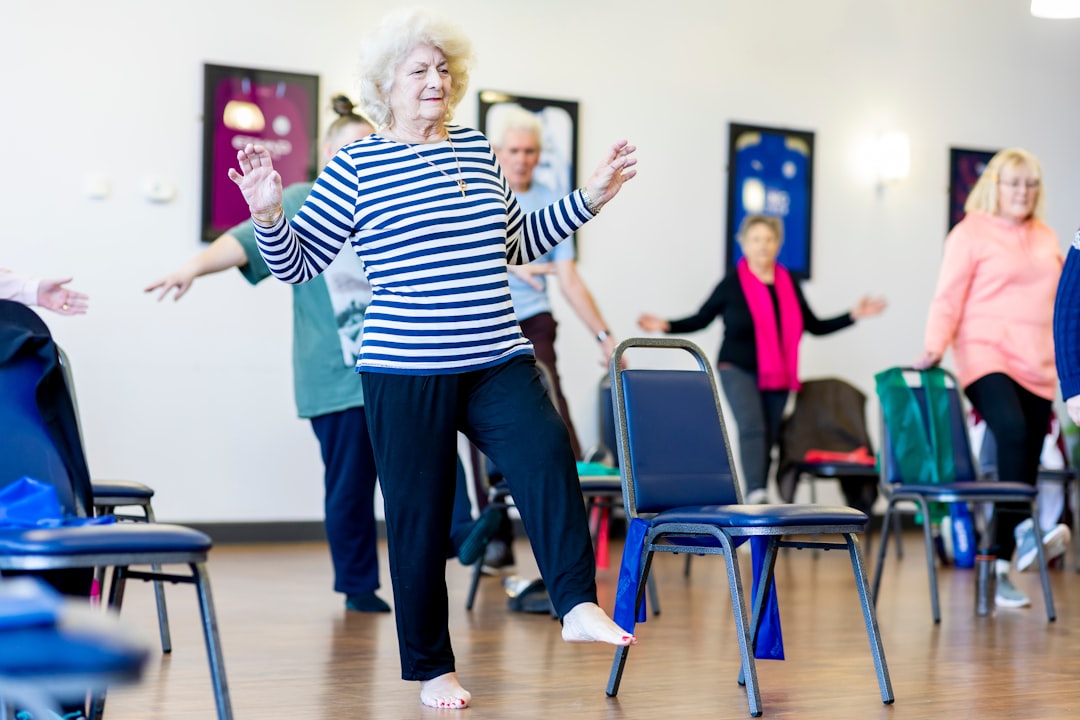
A practical science based guide to staying independent, preventing falls, and moving with confidence as you age
Balance is something you do not notice until it is gone. You climb stairs, step off curbs, carry bags, all without thinking. But after forty, the strength and speed that keep you stable start to decline. The good news: balance is not a fixed talent. It is a trainable skill, and it responds quickly to targeted practice.
Falls are the leading cause of unintentional injury in older adults. More than 25 percent of adults over 65 fall every year, and one in five falls causes a serious fracture or head injury. But studies show that simple, consistent balance training can reduce fall risk by 20 to 40 percent. Those are not small numbers. That may be the difference between independence and losing it.
Good balance requires three systems working together: vision, the vestibular system in your inner ear that senses where your head is in space, and proprioception that tells you where your feet are without looking. If one system is weak, the other two can compensate. But as you age, all three systems decline at the same time.
Also, muscle strength declines. Strength in the ankle, knee, hip, and core is what catches you when you trip or wobble. Without resistance training, you lose about 3 to 5 percent of muscle mass per decade after 30, and more after 60. This is called sarcopenia.
Finally, reaction speed slows. The time it takes for your brain to notice a wobble, send the signal, and move your foot to correct, all of that increases. When weaker sensing, less muscle, and slower reaction combine, falls become more common.
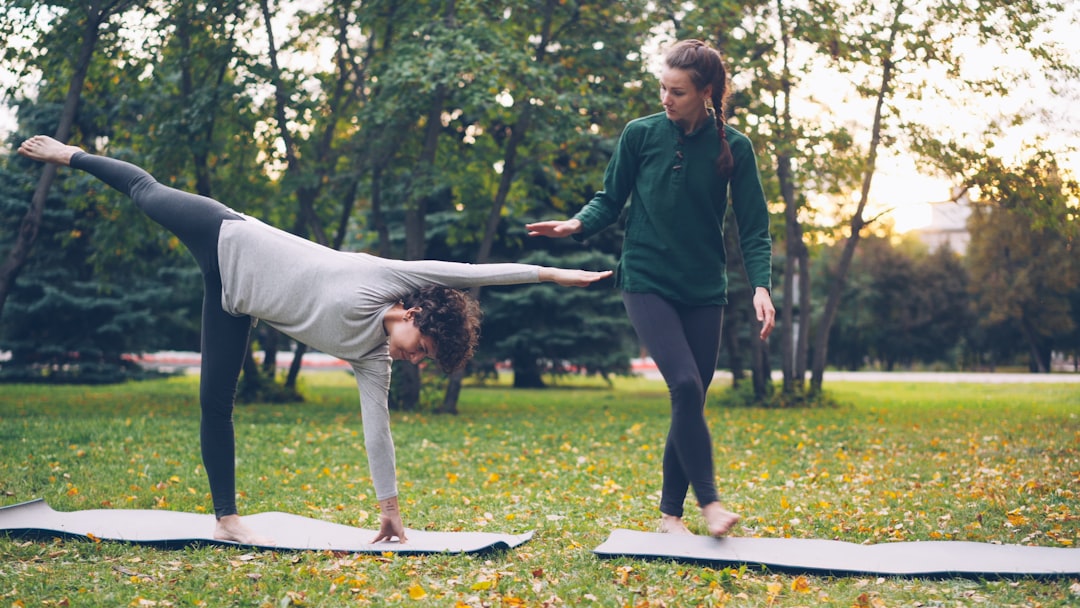
A comprehensive Cochrane review in 2019 of 108 trials including more than 23,000 adults over 60 found that exercise programs that include balance challenges reduced the rate of falls by 23 percent. Programs that focused only on balance and coordination were most effective, with a 24 percent reduction.
And a study in the Journal of Aging and Physical Activity in 2020 showed that older adults who practiced balance training for 12 weeks improved their confidence in maintaining balance by 30 percent and significantly reduced fear of falling. That fear itself is important, because fear of falling makes people avoid movement, which weakens balance even more.
Balance training works. It improves postural control, ankle and hip strength, and reaction time. And it does not need complicated equipment or a gym membership.
People over 50: early training is best. The sooner you start, the stronger the foundation you build. Even if you are active, dedicated balance challenges rarely happen in normal daily life.
Anyone who has fallen before or feels unsteady: if you have had a close call or moments where you feel unstable, that is a signal that balance needs attention. Training now can prevent real falls later.
People with chronic health issues: diabetes, peripheral neuropathy, vision problems, or any condition that affects sensation or strength increases fall risk. Balance training does not cure the condition, but it improves your ability to compensate.
People who want to stay independent longer: if your goal is to travel, play with grandchildren, or simply keep doing the things you love, balance is a critical part of the whole picture.
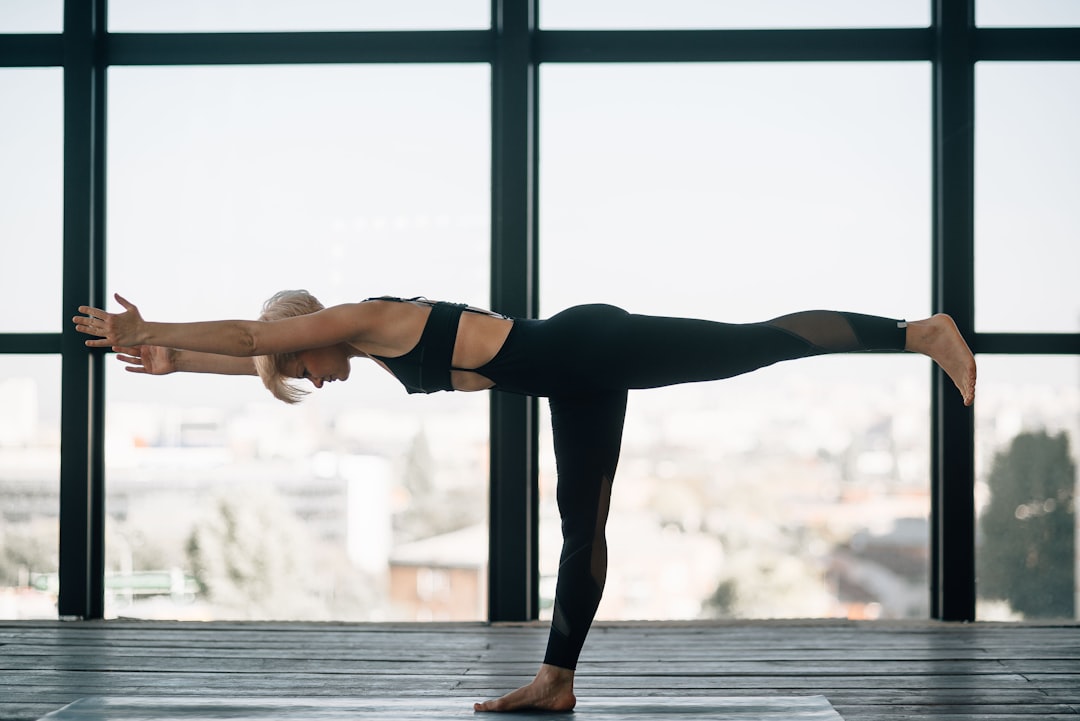
Starting is safe and simple. All you need is a little space and a sturdy chair or table to hold if needed. The golden rule: challenging enough to feel the challenge, but not so hard that you fall.
Start with basic exercises: single leg stand with chair support, heel to toe walk on a straight line, standing from a chair without using hands. All are safe small challenges that build balance, strength, and confidence.
Increase difficulty gradually by reducing support: if you hold the chair with two hands, let go with one hand. Then one finger. Then hands free with the chair beside you for safety. Gradual progression is the safest and most effective method.
Integrate balance into other exercises: if you do resistance training, try exercises on one leg, like single leg squats or side raises standing on one foot. Older athletes benefit from yoga, tai chi, or pilates, all of which include built in balance challenges.
The goal is 10 to 15 minutes of dedicated balance work, 3 times per week. It can be at the start of your workout as part of the warm up, or at the end of the day as an evening routine. Consistency is what matters most.
Examples of basic exercises: single leg stand for 20 to 30 seconds each side, heel to toe walk for 6 to 8 steps forward and back, sit to stand from chair 10 times without using hands, standing calf raises to toes then heels 10 times, single leg stand and touch the ground with opposite hand. Start easy, and progress as you get stronger.
Combine this with strength training 2 times per week to maximize benefit. Remember: strength in the legs and core is what protects you from falls. Balance alone is not enough.
Starting with exercises that are too hard: standing on one leg on an unstable cushion when you are a beginner is a recipe for falling, not for improvement. Start on solid ground, and progress slowly.
Ignoring pain: feeling challenged is good. Pain is not. If you feel joint or muscle pain, stop and consult a trainer or physical therapist.
Neglecting strength: balance and strength work together. Without strength in the legs and core, you cannot recover from a stumble. Resistance training is essential.
Quitting too soon: early improvements may show within 2 to 4 weeks, but real benefits take 8 to 12 weeks. Commit to the program.
Balance is not something you just lose with age. It is something you can maintain, improve, and reclaim through consistent training. 10 to 15 minutes, 3 times per week, of simple balance challenges can reduce fall risk, improve confidence, and keep you independent as you age.
Combine balance exercises with strength training, adequate protein, and good sleep, and you build a strong foundation for active aging. The small investment today pays big dividends in the future.
Coach Huss designs safe, effective, evidence based training programs for active adults who want to maintain strength, mobility, and independence. Book a free consultation.
Start Now%20scale(0.92)'%3e%3cpath%20d='M%2046%2010%20A%2040%2040%200%200%200%2046%2090%20L%2046%2078%20A%209.5%209.5%200%200%201%2030.2%2069.8%20A%2011%2011%200%200%201%2022%2050%20A%2011%2011%200%200%201%2030.2%2030.2%20A%209.5%209.5%200%200%201%2046%2022%20Z'%20fill='%23e85d1f'/%3e%3cg%20fill='none'%20stroke='%23e85d1f'%20stroke-linecap='butt'%3e%3cpath%20d='M%2046%2038%20A%2012%2012%200%200%200%2046%2062'%20stroke-width='10'/%3e%3cpath%20d='M%2046%2050%20H%2056'%20stroke-width='10'/%3e%3c/g%3e%3cg%20fill='%23e85d1f'%3e%3crect%20x='56'%20y='16'%20width='12'%20height='68'/%3e%3crect%20x='74'%20y='28'%20width='10'%20height='44'/%3e%3crect%20x='90'%20y='40'%20width='8'%20height='20'/%3e%3c/g%3e%3c/g%3e%3cg%20fill='%23f7f4ef'%3e%3cpath%20d='M259.64,507.88h14.26v26.01h23.73v-26.01h14.26v64.25h-14.26v-26.01h-23.73v26.01h-14.26v-64.25Z'/%3e%3cpath%20d='M321.6,507.88h14.27v46.33c0,3.14,2.55,5.68,5.69,5.69h12.35c3.14,0,5.68-2.55,5.69-5.69v-46.33h14.27v47.41c-.03,9.29-7.55,16.81-16.84,16.84h-18.59c-9.29-.03-16.81-7.55-16.84-16.84v-47.41Z'/%3e%3cpath%20d='M399.04,507.88h42.49v12.23h-41.77c-2.08,0-3.77,1.69-3.77,3.77v6.08l27.82,6.38c5.98,1.32,10.22,6.65,10.18,12.78v5.7c-.03,9.55-7.76,17.29-17.32,17.32h-34.95v-12.23h34.23c2.08,0,3.77-1.69,3.77-3.77v-6.09l-27.77-6.37c-5.98-1.33-10.22-6.65-10.18-12.78v-.78c-.03-.44-.05-.87-.05-1.32v-3.6c.03-9.55,7.76-17.29,17.32-17.32Z'/%3e%3cpath%20d='M489.97,507.88v12.23h-19v52.02h-14.26v-52.02h-19v-12.23h52.26Z'/%3e%3cpath%20d='M521.03,572.13h-8.81c-9.55-.03-17.29-7.76-17.32-17.32v-46.93h14.26v48.25c0,2.08,1.69,3.77,3.77,3.77h34.23v12.23h-26.13Z'/%3e%3cpath%20d='M551.62,525.19c.03-9.55,7.76-17.29,17.32-17.32h34.95v12.23h-34.23c-2.08,0-3.77,1.69-3.77,3.77v32.25c0,2.08,1.69,3.77,3.77,3.77h34.23v12.23h-34.95c-9.55-.03-17.29-7.76-17.32-17.32v-29.61h0ZM593.83,533.89v12.23h-30.86v-12.23h30.86Z'/%3e%3c/g%3e%3cg%20fill='%23e85d1f'%3e%3cpath%20d='M608.34,507.88h17.23l20.77,42.48v-42.48h14.27v64.25h-17.23l-20.77-42.48v42.48h-14.26v-64.25Z'/%3e%3cpath%20d='M709.53,513.95l20.87,58.17h-15.16l-17.1-47.66-17.1,47.66h-15.15l20.87-58.17c1.27-3.67,4.75-6.12,8.63-6.08h5.5c3.89-.04,7.36,2.41,8.64,6.08Z'/%3e%3cpath%20d='M775.25,507.88v12.23h-19v52.02h-14.26v-52.02h-19v-12.23h52.26Z'/%3e%3cpath%20d='M780.72,572.13v-64.25h14.26v64.25h-14.26Z'/%3e%3cpath%20d='M856.39,525.19v29.61c-.03,9.55-7.76,17.29-17.32,17.32h-17.63c-9.55-.03-17.29-7.76-17.32-17.32v-29.61c.03-9.55,7.76-17.29,17.32-17.32h17.63c9.55.03,17.29,7.76,17.32,17.32ZM838.36,559.9c2.08,0,3.77-1.69,3.77-3.77v-32.25c0-2.08-1.69-3.77-3.77-3.77h-16.19c-2.08,0-3.77,1.69-3.77,3.77v32.25c0,2.08,1.69,3.77,3.77,3.77h16.19Z'/%3e%3cpath%20d='M865.54,507.88h17.23l20.77,42.48v-42.48h14.27v64.25h-17.23l-20.77-42.48v42.48h-14.26v-64.25Z'/%3e%3c/g%3e%3cpolygon%20fill='%23f7f4ef'%20points='703.28%20559.9%20707.67%20572.13%20688.63%20572.13%20693.01%20559.9%20703.28%20559.9'/%3e%3c/svg%3e)