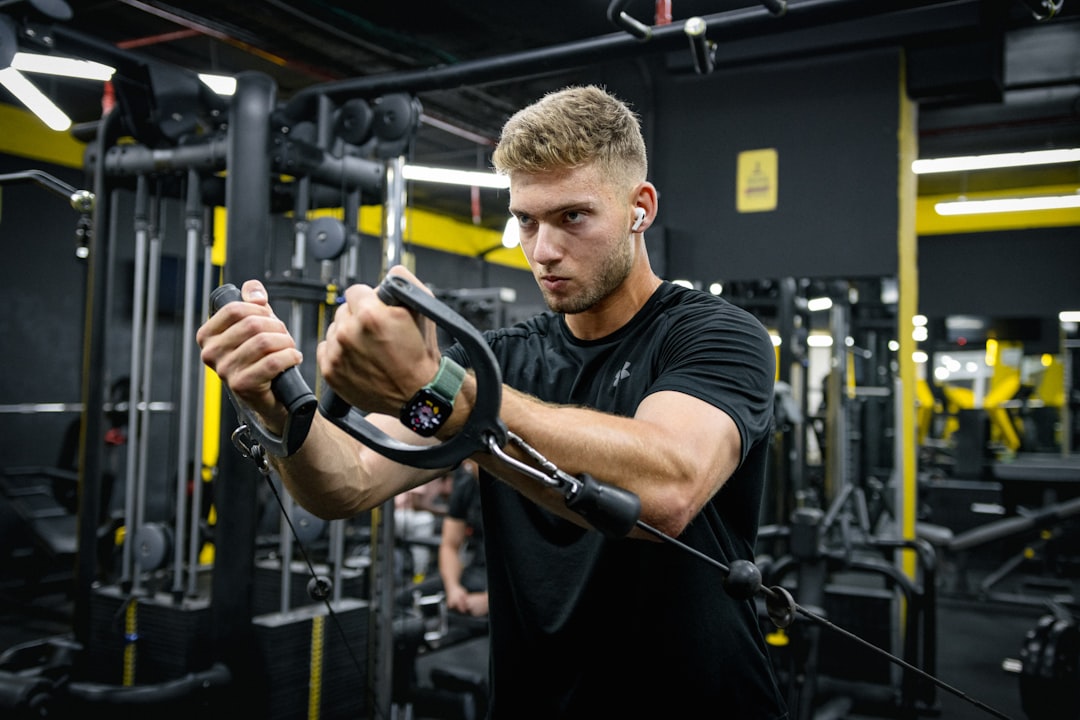
What BFR training is, how it builds muscle with light loads, what the research says, and who benefits
Blood flow restriction training, usually called BFR, is one of the most researched training methods of recent years. It lets you build muscle and strength using loads as low as 20 to 30 percent of your one rep max, a fraction of what traditional hypertrophy training needs.
That makes it a powerful tool for people recovering from injury, or anyone who wants to train a muscle without loading the joints with heavy weight. It is not magic and not a full replacement for heavy training, but a smart tool used in the right place.
BFR means placing a cuff or band around the upper part of a limb (usually the upper arm or upper thigh) to partly restrict blood flow while you do resistance exercises. The key word is partial: the band does not cut off blood completely, it reduces venous return while still allowing arterial flow in.
The result is that blood and metabolic byproducts pool in the working muscle, so it feels a level of metabolic stress similar to heavy training, but with light weights that put far less strain on joints, tendons, and the nervous system.
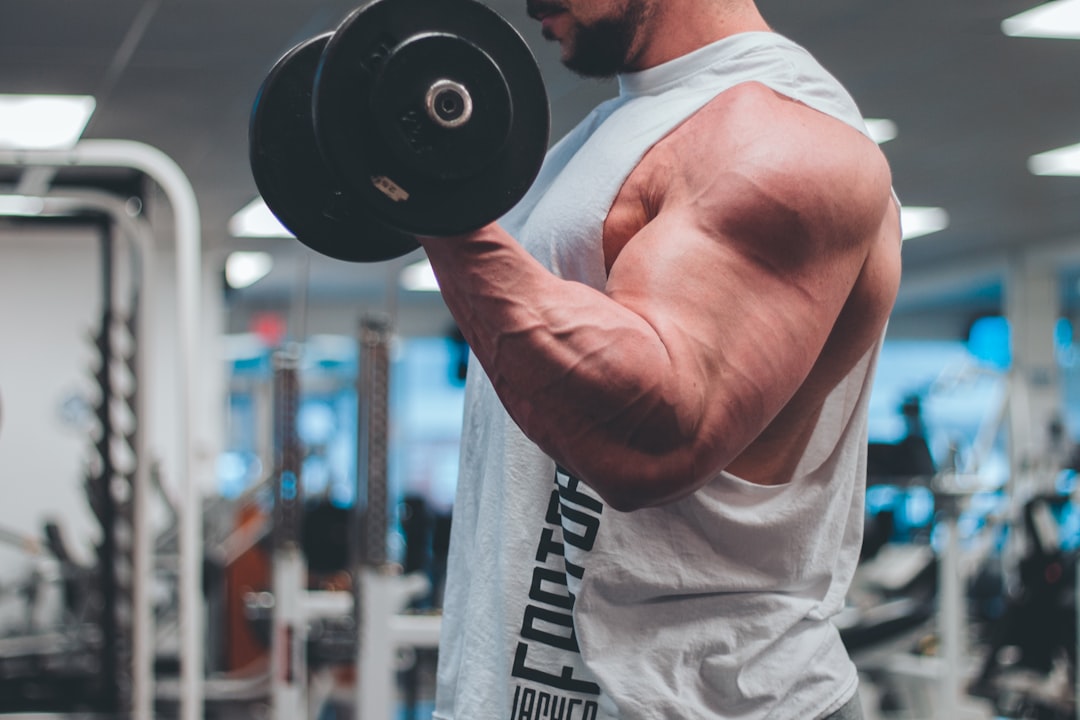
The metabolic stress from the pooled blood triggers muscle building signals and recruits the fast twitch muscle fibers even with light weights. Normally those fibers need heavy loads to be recruited, but the fast metabolic fatigue in BFR pushes the body to switch them on early.
Reviews show that light load BFR can increase muscle size and strength comparably to traditional heavy training for many people, especially when heavy loading is not an option.
The biggest beneficiaries are people recovering from injury or surgery who cannot lift heavy yet, older adults who want to keep muscle safely, and anyone with joint pain that blocks heavy loading. Athletes also use it as extra muscle work on recovery days without taxing the nervous system.
Use moderate pressure: the band should never be painful, numb the limb, or change its color. Place it only on the upper arm or upper thigh, never on joints or the lower limb. Start with very light weights (20 to 30 percent of your max) and high reps.
A common, well studied scheme is 30 reps then three sets of 15 reps, with short 30 second rests, keeping the band on through the exercise for one muscle then removing it. If you are recovering from injury or have a heart or clotting condition, check with your doctor first.
Traditional heavy training stays the foundation for maximal strength, because strength needs exposure to heavy loads. BFR does not replace it, it complements it: it adds muscle size, preserves muscle during recovery, and allows useful training when heavy work is painful or not possible.
For most healthy people it is safe with moderate pressure, light weights, and use only on the upper limb. Avoid it or ask your doctor if you have a history of blood clots or heart or vascular problems.
No. It is great for size, recovery, and light training, but maximal strength still needs progressive heavy loading.
Around 20 to 30 percent of your one rep max, with high reps taken close to failure.
BFR training is a smart, research backed tool for building muscle with light weights. Use it when recovering from injury, to add size without stressing the joints, or as extra work on lighter days. Start with moderate pressure, light loads, and the 30-15-15-15 scheme.
But it is part of the picture, not all of it. Build the foundation with good training, nutrition, and sleep, and make BFR a smart addition when you need it.
Your Next Step
Tools like BFR work best inside a clear plan. At Hustle Nation we build you a program around your goal, your level, and any injuries.
Book Your Free ConsultationAll information is based on peer reviewed research. This article is educational and does not constitute medical advice.
%20scale(0.92)'%3e%3cpath%20d='M%2046%2010%20A%2040%2040%200%200%200%2046%2090%20L%2046%2078%20A%209.5%209.5%200%200%201%2030.2%2069.8%20A%2011%2011%200%200%201%2022%2050%20A%2011%2011%200%200%201%2030.2%2030.2%20A%209.5%209.5%200%200%201%2046%2022%20Z'%20fill='%23e85d1f'/%3e%3cg%20fill='none'%20stroke='%23e85d1f'%20stroke-linecap='butt'%3e%3cpath%20d='M%2046%2038%20A%2012%2012%200%200%200%2046%2062'%20stroke-width='10'/%3e%3cpath%20d='M%2046%2050%20H%2056'%20stroke-width='10'/%3e%3c/g%3e%3cg%20fill='%23e85d1f'%3e%3crect%20x='56'%20y='16'%20width='12'%20height='68'/%3e%3crect%20x='74'%20y='28'%20width='10'%20height='44'/%3e%3crect%20x='90'%20y='40'%20width='8'%20height='20'/%3e%3c/g%3e%3c/g%3e%3cg%20fill='%23f7f4ef'%3e%3cpath%20d='M259.64,507.88h14.26v26.01h23.73v-26.01h14.26v64.25h-14.26v-26.01h-23.73v26.01h-14.26v-64.25Z'/%3e%3cpath%20d='M321.6,507.88h14.27v46.33c0,3.14,2.55,5.68,5.69,5.69h12.35c3.14,0,5.68-2.55,5.69-5.69v-46.33h14.27v47.41c-.03,9.29-7.55,16.81-16.84,16.84h-18.59c-9.29-.03-16.81-7.55-16.84-16.84v-47.41Z'/%3e%3cpath%20d='M399.04,507.88h42.49v12.23h-41.77c-2.08,0-3.77,1.69-3.77,3.77v6.08l27.82,6.38c5.98,1.32,10.22,6.65,10.18,12.78v5.7c-.03,9.55-7.76,17.29-17.32,17.32h-34.95v-12.23h34.23c2.08,0,3.77-1.69,3.77-3.77v-6.09l-27.77-6.37c-5.98-1.33-10.22-6.65-10.18-12.78v-.78c-.03-.44-.05-.87-.05-1.32v-3.6c.03-9.55,7.76-17.29,17.32-17.32Z'/%3e%3cpath%20d='M489.97,507.88v12.23h-19v52.02h-14.26v-52.02h-19v-12.23h52.26Z'/%3e%3cpath%20d='M521.03,572.13h-8.81c-9.55-.03-17.29-7.76-17.32-17.32v-46.93h14.26v48.25c0,2.08,1.69,3.77,3.77,3.77h34.23v12.23h-26.13Z'/%3e%3cpath%20d='M551.62,525.19c.03-9.55,7.76-17.29,17.32-17.32h34.95v12.23h-34.23c-2.08,0-3.77,1.69-3.77,3.77v32.25c0,2.08,1.69,3.77,3.77,3.77h34.23v12.23h-34.95c-9.55-.03-17.29-7.76-17.32-17.32v-29.61h0ZM593.83,533.89v12.23h-30.86v-12.23h30.86Z'/%3e%3c/g%3e%3cg%20fill='%23e85d1f'%3e%3cpath%20d='M608.34,507.88h17.23l20.77,42.48v-42.48h14.27v64.25h-17.23l-20.77-42.48v42.48h-14.26v-64.25Z'/%3e%3cpath%20d='M709.53,513.95l20.87,58.17h-15.16l-17.1-47.66-17.1,47.66h-15.15l20.87-58.17c1.27-3.67,4.75-6.12,8.63-6.08h5.5c3.89-.04,7.36,2.41,8.64,6.08Z'/%3e%3cpath%20d='M775.25,507.88v12.23h-19v52.02h-14.26v-52.02h-19v-12.23h52.26Z'/%3e%3cpath%20d='M780.72,572.13v-64.25h14.26v64.25h-14.26Z'/%3e%3cpath%20d='M856.39,525.19v29.61c-.03,9.55-7.76,17.29-17.32,17.32h-17.63c-9.55-.03-17.29-7.76-17.32-17.32v-29.61c.03-9.55,7.76-17.29,17.32-17.32h17.63c9.55.03,17.29,7.76,17.32,17.32ZM838.36,559.9c2.08,0,3.77-1.69,3.77-3.77v-32.25c0-2.08-1.69-3.77-3.77-3.77h-16.19c-2.08,0-3.77,1.69-3.77,3.77v32.25c0,2.08,1.69,3.77,3.77,3.77h16.19Z'/%3e%3cpath%20d='M865.54,507.88h17.23l20.77,42.48v-42.48h14.27v64.25h-17.23l-20.77-42.48v42.48h-14.26v-64.25Z'/%3e%3c/g%3e%3cpolygon%20fill='%23f7f4ef'%20points='703.28%20559.9%20707.67%20572.13%20688.63%20572.13%20693.01%20559.9%20703.28%20559.9'/%3e%3c/svg%3e)