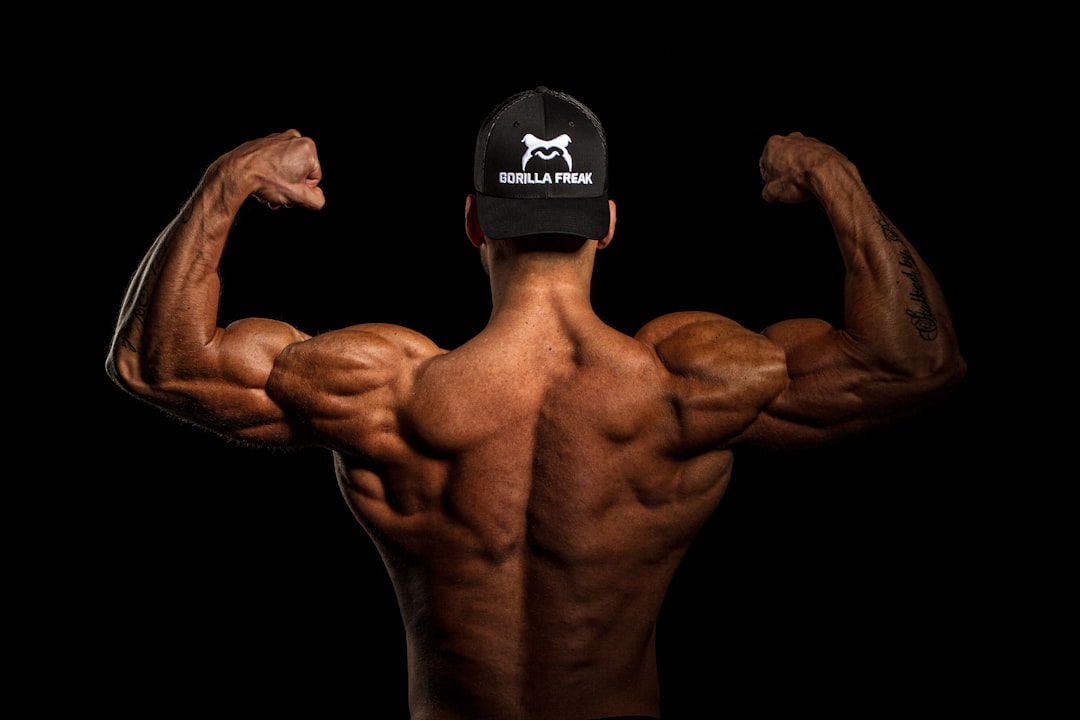
The evidence based approach to transforming your body by burning fat and building muscle simultaneously
The most common question I hear: can I lose fat and gain muscle at the same time? The short answer is yes, but not for everyone, and not forever. Body recomposition is possible with the right training system, precise nutrition, and realistic expectations.
Body recomposition is different from traditional cutting or bulking. Instead of focusing only on the number on the scale, recomposition targets improving your muscle to fat ratio. This means the scale may not move much, but your body changes dramatically. Let us talk about what the research says, who can do it, and how to start correctly.
Body recomposition is the process of losing body fat and building muscle simultaneously. The focus is on body composition rather than weight. You can lose 3 kilograms of fat and gain 3 kilograms of muscle, the scale shows zero change, but your body has completely transformed. Your clothes fit better, your strength increases, your muscle definition improves, but the weight stayed the same.
This is why the scale alone is a bad tool for tracking progress during recomposition. Instead, use circumference measurements, photos, your strength in the gym, and how your clothes feel. Smart scales that measure body fat percentage can help, but even these are not perfectly accurate. The best tool is your consistency over weeks and months.
Not everyone is in the same position for body recomposition. Recomposition works best for beginners, people returning from a long break, and people who have body fat above 20 percent for men or 30 percent for women. These groups have newbie gains and can build muscle even in a slight calorie deficit.
Advanced athletes who have been training for years and already have low body fat will find recomposition slower and harder. For them, separate cutting and bulking phases are often more efficient. But if you are new to training, returning after a break, or have excess weight to lose, recomposition is an excellent strategy.
Successful body recomposition requires three things: a slight calorie deficit, high protein, and strong resistance training. Let us start with nutrition. You need a small calorie deficit to burn fat, but not so large that your body cannot build muscle. Aim for a deficit of 200 to 300 calories below your maintenance needs. This means you will lose fat slowly, around 0.25 to 0.5 kilograms per week, while giving your body enough energy to build muscle.
Protein is the most important factor. Aim for 1.6 to 2.2 grams of protein per kilogram of body weight daily. This means an 80 kilogram person needs around 130 to 175 grams of protein daily. Focus on high quality protein sources like chicken, eggs, Greek yogurt, whey protein, fish, and lean meats. Protein preserves muscle during a calorie deficit and provides the amino acids needed for muscle repair and growth after training.
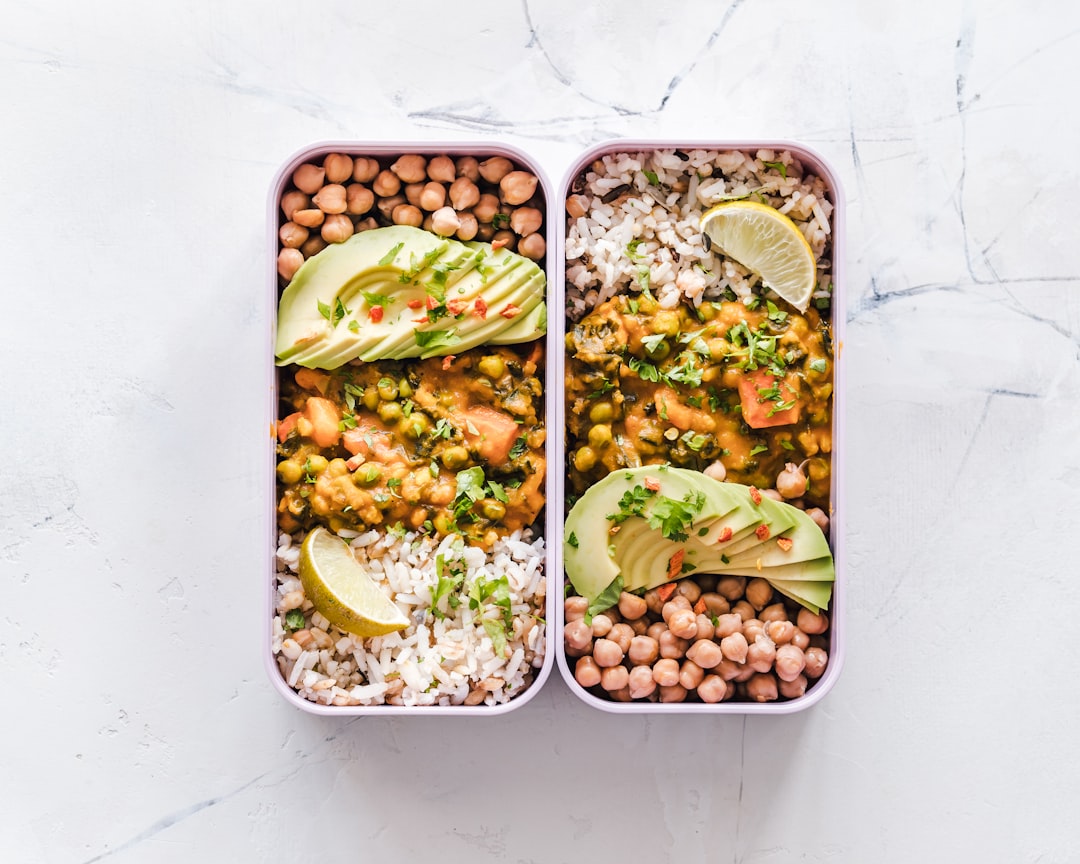
Carbohydrates and healthy fats fill the rest of your calories. Do not cut carbs completely. You need them for energy, performance, and recovery. Vegetables, whole grains, fruits, avocado, nuts, and olive oil are all part of a balanced recomposition diet. Avoid extreme dieting or fad plans. Consistency over months matters more than perfection for a few days.

Resistance training is not optional for body recomposition. It is the core requirement. Without resistance training, you will not build muscle, and you will only lose weight from both fat and muscle together, which you do not want. Focus on compound multi joint exercises like squats, deadlifts, bench press, rows, overhead press, and pull ups. These exercises work multiple muscle groups at the same time, build strength, and stimulate the greatest muscle growth response.
Train 3 to 4 times per week, focusing on progressive overload. This means gradually increasing weight, reps, or sets over time. If you are lifting the same weight for the same number of reps every week, you are not progressing. Keep a training log and aim to improve every week or two, even if it is just one extra rep or 2.5 extra kilograms.
Cardio is optional but helpful. Low intensity cardio like walking, cycling, or light jogging can help increase calorie deficit and improve recovery without interfering with muscle gain. Aim for 2 to 3 easy sessions of 20 to 40 minutes per week. Avoid too much high intensity cardio because it can interfere with recovery from strength training.
Body recomposition is not fast. Do not expect dramatic transformations in two weeks. Most people can lose 0.5 to 1 percent body fat and gain 0.5 to 1 kilogram of muscle per month under ideal conditions. This means over 6 to 12 months, a beginner can gain 3 to 5 kilograms of muscle and lose 4 to 6 kilograms of fat with body weight staying nearly stable.
Be patient. The first changes you will notice are increased strength in the gym and clothes that fit differently. Visible changes in the mirror take 6 to 8 weeks. The scale will be frustrating because it will not move much. Do not let that stop you. The real change is what is happening under the skin, not on the scale.
The first mistake is a calorie deficit that is too large. If you eat too little, you will not build muscle. 200 to 300 calories below maintenance is the sweet spot. Anything more than that and you are cutting, not recomposing. The second mistake is protein that is too low. You cannot build muscle on 60 to 80 grams of protein daily. Aim for at least 1.6 grams per kilogram of body weight, ideally 2 grams if you are in a calorie deficit.
The third mistake is insufficient resistance training. Walking and running will not build muscle. You need to lift weights or use strong resistance with progressive overload. The final mistake is quitting too early. Recomposition takes months, not weeks. If you stop after one month because the scale did not move, you are missing the real transformation that was happening.
Recomposition is not forever. At some point, usually after 6 to 12 months of successful recomposition, progress will slow down. This is normal. At this stage, you may benefit from switching to a structured bulking phase (slight calorie surplus to build more muscle) or a structured cutting phase (larger calorie deficit to reveal the muscle definition you built).
But if you are a beginner, returning from a break, or have excess weight to lose, start with recomposition. It is the smartest way to build a solid base of muscle while losing fat and improving your overall health.
Coach Huss provides evidence based training and nutrition plans designed for your goals. Whether you are a beginner or advanced athlete, get the guidance you need to achieve real results.
Get Started%20scale(0.92)'%3e%3cpath%20d='M%2046%2010%20A%2040%2040%200%200%200%2046%2090%20L%2046%2078%20A%209.5%209.5%200%200%201%2030.2%2069.8%20A%2011%2011%200%200%201%2022%2050%20A%2011%2011%200%200%201%2030.2%2030.2%20A%209.5%209.5%200%200%201%2046%2022%20Z'%20fill='%23e85d1f'/%3e%3cg%20fill='none'%20stroke='%23e85d1f'%20stroke-linecap='butt'%3e%3cpath%20d='M%2046%2038%20A%2012%2012%200%200%200%2046%2062'%20stroke-width='10'/%3e%3cpath%20d='M%2046%2050%20H%2056'%20stroke-width='10'/%3e%3c/g%3e%3cg%20fill='%23e85d1f'%3e%3crect%20x='56'%20y='16'%20width='12'%20height='68'/%3e%3crect%20x='74'%20y='28'%20width='10'%20height='44'/%3e%3crect%20x='90'%20y='40'%20width='8'%20height='20'/%3e%3c/g%3e%3c/g%3e%3cg%20fill='%23f7f4ef'%3e%3cpath%20d='M259.64,507.88h14.26v26.01h23.73v-26.01h14.26v64.25h-14.26v-26.01h-23.73v26.01h-14.26v-64.25Z'/%3e%3cpath%20d='M321.6,507.88h14.27v46.33c0,3.14,2.55,5.68,5.69,5.69h12.35c3.14,0,5.68-2.55,5.69-5.69v-46.33h14.27v47.41c-.03,9.29-7.55,16.81-16.84,16.84h-18.59c-9.29-.03-16.81-7.55-16.84-16.84v-47.41Z'/%3e%3cpath%20d='M399.04,507.88h42.49v12.23h-41.77c-2.08,0-3.77,1.69-3.77,3.77v6.08l27.82,6.38c5.98,1.32,10.22,6.65,10.18,12.78v5.7c-.03,9.55-7.76,17.29-17.32,17.32h-34.95v-12.23h34.23c2.08,0,3.77-1.69,3.77-3.77v-6.09l-27.77-6.37c-5.98-1.33-10.22-6.65-10.18-12.78v-.78c-.03-.44-.05-.87-.05-1.32v-3.6c.03-9.55,7.76-17.29,17.32-17.32Z'/%3e%3cpath%20d='M489.97,507.88v12.23h-19v52.02h-14.26v-52.02h-19v-12.23h52.26Z'/%3e%3cpath%20d='M521.03,572.13h-8.81c-9.55-.03-17.29-7.76-17.32-17.32v-46.93h14.26v48.25c0,2.08,1.69,3.77,3.77,3.77h34.23v12.23h-26.13Z'/%3e%3cpath%20d='M551.62,525.19c.03-9.55,7.76-17.29,17.32-17.32h34.95v12.23h-34.23c-2.08,0-3.77,1.69-3.77,3.77v32.25c0,2.08,1.69,3.77,3.77,3.77h34.23v12.23h-34.95c-9.55-.03-17.29-7.76-17.32-17.32v-29.61h0ZM593.83,533.89v12.23h-30.86v-12.23h30.86Z'/%3e%3c/g%3e%3cg%20fill='%23e85d1f'%3e%3cpath%20d='M608.34,507.88h17.23l20.77,42.48v-42.48h14.27v64.25h-17.23l-20.77-42.48v42.48h-14.26v-64.25Z'/%3e%3cpath%20d='M709.53,513.95l20.87,58.17h-15.16l-17.1-47.66-17.1,47.66h-15.15l20.87-58.17c1.27-3.67,4.75-6.12,8.63-6.08h5.5c3.89-.04,7.36,2.41,8.64,6.08Z'/%3e%3cpath%20d='M775.25,507.88v12.23h-19v52.02h-14.26v-52.02h-19v-12.23h52.26Z'/%3e%3cpath%20d='M780.72,572.13v-64.25h14.26v64.25h-14.26Z'/%3e%3cpath%20d='M856.39,525.19v29.61c-.03,9.55-7.76,17.29-17.32,17.32h-17.63c-9.55-.03-17.29-7.76-17.32-17.32v-29.61c.03-9.55,7.76-17.29,17.32-17.32h17.63c9.55.03,17.29,7.76,17.32,17.32ZM838.36,559.9c2.08,0,3.77-1.69,3.77-3.77v-32.25c0-2.08-1.69-3.77-3.77-3.77h-16.19c-2.08,0-3.77,1.69-3.77,3.77v32.25c0,2.08,1.69,3.77,3.77,3.77h16.19Z'/%3e%3cpath%20d='M865.54,507.88h17.23l20.77,42.48v-42.48h14.27v64.25h-17.23l-20.77-42.48v42.48h-14.26v-64.25Z'/%3e%3c/g%3e%3cpolygon%20fill='%23f7f4ef'%20points='703.28%20559.9%20707.67%20572.13%20688.63%20572.13%20693.01%20559.9%20703.28%20559.9'/%3e%3c/svg%3e)