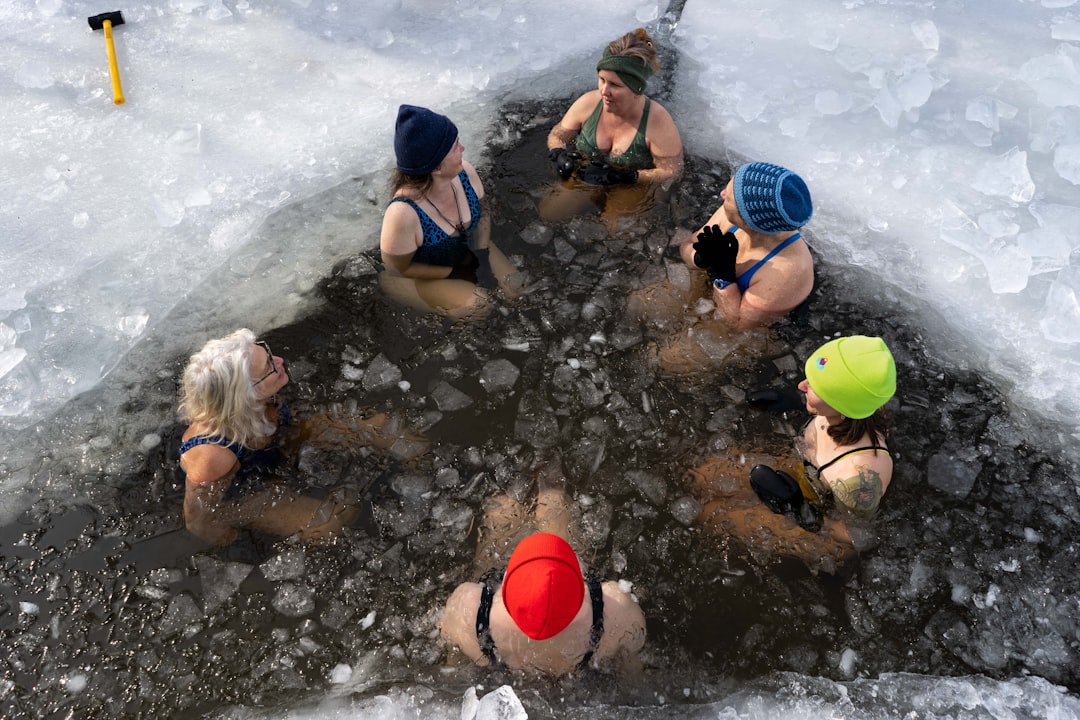
A practical science based guide to real benefits, proper protocols, and common mistakes with ice baths
Ice baths have become one of the most popular recovery strategies in fitness. From professional athletes to everyday gym goers, everyone is talking about plunging into freezing water after training. Some swear it speeds recovery. Others say it kills muscle gains. Where is the truth?
The truth is that cold water immersion has real science backed benefits, but they are narrower and more specific than the hype suggests. If you use it smartly and at the right time, it may help. If you use it wrong or at the wrong time, it may hurt your progress.
Cold water immersion means submerging your body (usually up to the neck) in cold water at 10 to 15 degrees Celsius for 10 to 15 minutes. It is also called an ice bath, cryotherapy, or cold plunge. The goal is to cool the muscles and tissues quickly after exercise.
This is different from a cold shower. A proper ice bath uses much colder water and full body immersion for a longer period. This deep cooling is what creates the physiological effects.
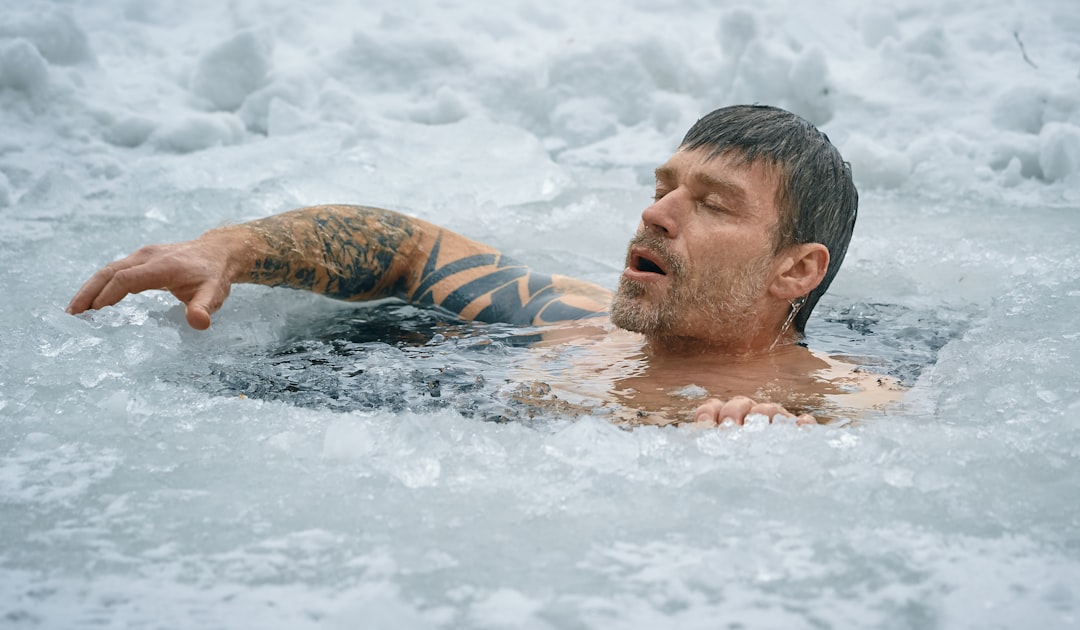
Systematic reviews and meta analyses examining cold water immersion after exercise have found measurable benefits in two key areas: reduced muscle soreness and improved short term recovery.
A 2012 study in Sports Medicine analyzed 17 trials and found cold water immersion reduced delayed onset muscle soreness by 20 to 25 percent compared to passive rest, especially when used after intense exercise like eccentric training or long runs. The effect is clearest in the first 24 to 48 hours after training.
Another study from Journal of Science and Medicine in Sport in 2016 found cold water immersion helped athletes regain strength and power slightly faster when they were training or competing multiple times per day or on consecutive days. This explains why elite athletes use it often: they have a dense training schedule and need quick recovery between sessions.
Here is where it gets complicated. Inflammation and muscle stress are not always bad things. They are part of the signal that tells your body to adapt and get stronger. When you cool muscles quickly after training, you may reduce this signal.
A 2015 study in Journal of Physiology showed that men who used cold water immersion after resistance training for 12 weeks gained less strength and muscle mass compared to the group that did not use cooling. The likely reason is that cold reduced the activation of proteins and cellular pathways responsible for building muscle.
This does not mean ice baths destroy your gains completely, but it means if your main goal is muscle building and strength, using it right after every strength session may not be the smartest choice.
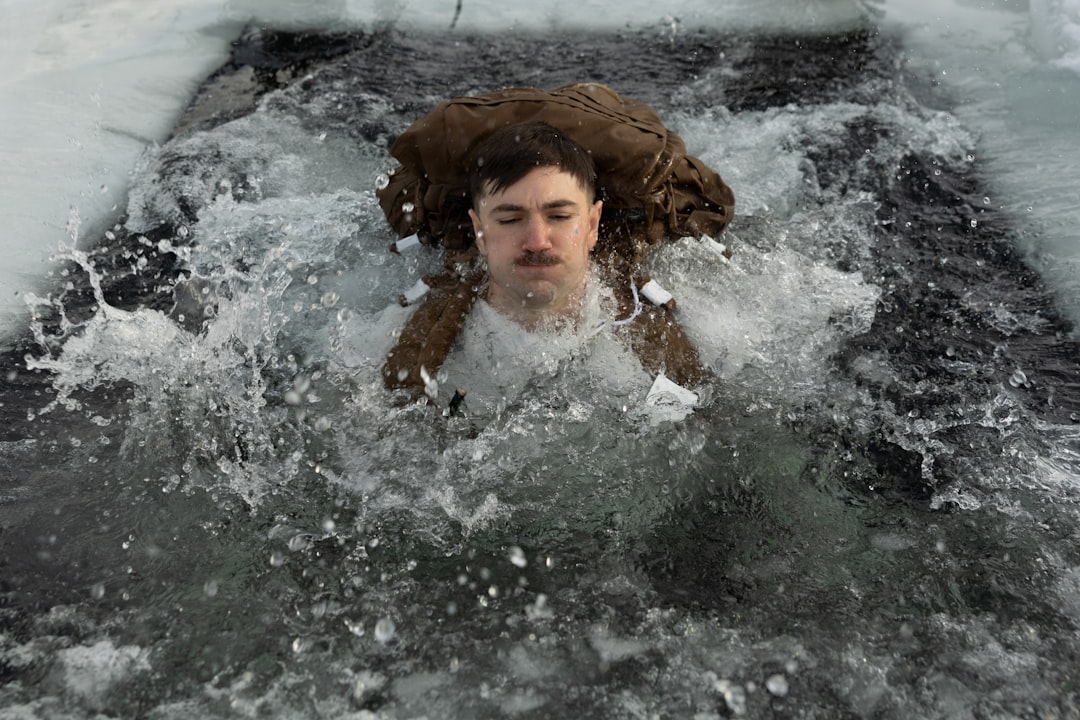
Ice baths are not a one size fits all recovery strategy. Timing and context matter. Here is when they are most useful:
**When you need fast recovery between close sessions:** If you are training or competing twice per day, or on consecutive days with high training load, an ice bath may help you recover slightly faster and reduce soreness between sessions.
**After extremely damaging workouts:** If you did a brutal training session that you know will leave you sore for days (like first leg day after a long break), an ice bath may reduce soreness and make the next few days more comfortable. This is useful if severe soreness affects your ability to train again.
**When muscle building is not the only goal:** If you train for performance, endurance, or a specific sport and not just for maximum muscle size, the negative effect on hypertrophy may not matter to you.
If your main goal is building muscle and strength, and you do not have another training session the same day or the next day, avoid an ice bath right after strength training. Let the natural inflammation do its job. You can use other recovery strategies that do not interfere with the training signal, like good sleep, proper nutrition, protein, hydration, and active recovery.
If you have an injury or medical condition affecting circulation or sensation, consult your doctor before using ice baths. Very cold water constricts blood vessels and can be dangerous in some conditions.
If you decide to use an ice bath, here is the research supported protocol:
**Temperature:** Between 10 to 15 degrees Celsius. Colder is not necessarily better and may be uncomfortable or dangerous. Warmer may not give the same effect.
**Duration:** 10 to 15 minutes. Most research uses this range. Longer may not add benefit and may increase side effects.
**Timing:** Right after training or within an hour at most. The longer you wait, the less the effect.
**Immersion:** Up to the neck if possible, but if you are targeting specific muscles (like legs), you can submerge the lower body only.
Start gradually. If it is your first time, start with slightly warmer temperature (around 15 degrees) and shorter duration (5 to 8 minutes), then increase gradually as you adapt.
**Using it after every strength session:** If you are building muscle, you do not need it after every session. Save it for very intense sessions or when you need fast recovery before another session.
**Staying too long:** 10 to 15 minutes is enough. 30 minutes is not double the benefit, it may be harmful or uncomfortable.
**Using extremely cold water:** Below 8 degrees Celsius may be dangerous and does not add clear benefit. Stick to the researched range.
**Relying on it instead of recovery basics:** Ice baths do not compensate for bad sleep, poor nutrition, or inappropriate training volume. Prioritize: sleep and nutrition first, then additional recovery strategies.
Ice baths are not magic, and they are not destructive. They have their time and place, but must be used smartly. If you train mainly for muscle and strength building, save them for times when you actually need fast recovery, not as a routine after every workout.
If you are an athlete training or competing multiple times per week with a dense schedule, it may be a useful tool in your arsenal. If you are a regular person training 3 to 4 times per week with enough time between sessions, focus on sleep, nutrition, and rest, and you probably will not need ice baths at all.
Let Coach Huss help you build a training and nutrition program that fits your schedule, goal, and body. No myths, no supplement selling, just smart training and real results.
Book Free Consultation%20scale(0.92)'%3e%3cpath%20d='M%2046%2010%20A%2040%2040%200%200%200%2046%2090%20L%2046%2078%20A%209.5%209.5%200%200%201%2030.2%2069.8%20A%2011%2011%200%200%201%2022%2050%20A%2011%2011%200%200%201%2030.2%2030.2%20A%209.5%209.5%200%200%201%2046%2022%20Z'%20fill='%23e85d1f'/%3e%3cg%20fill='none'%20stroke='%23e85d1f'%20stroke-linecap='butt'%3e%3cpath%20d='M%2046%2038%20A%2012%2012%200%200%200%2046%2062'%20stroke-width='10'/%3e%3cpath%20d='M%2046%2050%20H%2056'%20stroke-width='10'/%3e%3c/g%3e%3cg%20fill='%23e85d1f'%3e%3crect%20x='56'%20y='16'%20width='12'%20height='68'/%3e%3crect%20x='74'%20y='28'%20width='10'%20height='44'/%3e%3crect%20x='90'%20y='40'%20width='8'%20height='20'/%3e%3c/g%3e%3c/g%3e%3cg%20fill='%23f7f4ef'%3e%3cpath%20d='M259.64,507.88h14.26v26.01h23.73v-26.01h14.26v64.25h-14.26v-26.01h-23.73v26.01h-14.26v-64.25Z'/%3e%3cpath%20d='M321.6,507.88h14.27v46.33c0,3.14,2.55,5.68,5.69,5.69h12.35c3.14,0,5.68-2.55,5.69-5.69v-46.33h14.27v47.41c-.03,9.29-7.55,16.81-16.84,16.84h-18.59c-9.29-.03-16.81-7.55-16.84-16.84v-47.41Z'/%3e%3cpath%20d='M399.04,507.88h42.49v12.23h-41.77c-2.08,0-3.77,1.69-3.77,3.77v6.08l27.82,6.38c5.98,1.32,10.22,6.65,10.18,12.78v5.7c-.03,9.55-7.76,17.29-17.32,17.32h-34.95v-12.23h34.23c2.08,0,3.77-1.69,3.77-3.77v-6.09l-27.77-6.37c-5.98-1.33-10.22-6.65-10.18-12.78v-.78c-.03-.44-.05-.87-.05-1.32v-3.6c.03-9.55,7.76-17.29,17.32-17.32Z'/%3e%3cpath%20d='M489.97,507.88v12.23h-19v52.02h-14.26v-52.02h-19v-12.23h52.26Z'/%3e%3cpath%20d='M521.03,572.13h-8.81c-9.55-.03-17.29-7.76-17.32-17.32v-46.93h14.26v48.25c0,2.08,1.69,3.77,3.77,3.77h34.23v12.23h-26.13Z'/%3e%3cpath%20d='M551.62,525.19c.03-9.55,7.76-17.29,17.32-17.32h34.95v12.23h-34.23c-2.08,0-3.77,1.69-3.77,3.77v32.25c0,2.08,1.69,3.77,3.77,3.77h34.23v12.23h-34.95c-9.55-.03-17.29-7.76-17.32-17.32v-29.61h0ZM593.83,533.89v12.23h-30.86v-12.23h30.86Z'/%3e%3c/g%3e%3cg%20fill='%23e85d1f'%3e%3cpath%20d='M608.34,507.88h17.23l20.77,42.48v-42.48h14.27v64.25h-17.23l-20.77-42.48v42.48h-14.26v-64.25Z'/%3e%3cpath%20d='M709.53,513.95l20.87,58.17h-15.16l-17.1-47.66-17.1,47.66h-15.15l20.87-58.17c1.27-3.67,4.75-6.12,8.63-6.08h5.5c3.89-.04,7.36,2.41,8.64,6.08Z'/%3e%3cpath%20d='M775.25,507.88v12.23h-19v52.02h-14.26v-52.02h-19v-12.23h52.26Z'/%3e%3cpath%20d='M780.72,572.13v-64.25h14.26v64.25h-14.26Z'/%3e%3cpath%20d='M856.39,525.19v29.61c-.03,9.55-7.76,17.29-17.32,17.32h-17.63c-9.55-.03-17.29-7.76-17.32-17.32v-29.61c.03-9.55,7.76-17.29,17.32-17.32h17.63c9.55.03,17.29,7.76,17.32,17.32ZM838.36,559.9c2.08,0,3.77-1.69,3.77-3.77v-32.25c0-2.08-1.69-3.77-3.77-3.77h-16.19c-2.08,0-3.77,1.69-3.77,3.77v32.25c0,2.08,1.69,3.77,3.77,3.77h16.19Z'/%3e%3cpath%20d='M865.54,507.88h17.23l20.77,42.48v-42.48h14.27v64.25h-17.23l-20.77-42.48v42.48h-14.26v-64.25Z'/%3e%3c/g%3e%3cpolygon%20fill='%23f7f4ef'%20points='703.28%20559.9%20707.67%20572.13%20688.63%20572.13%20693.01%20559.9%20703.28%20559.9'/%3e%3c/svg%3e)