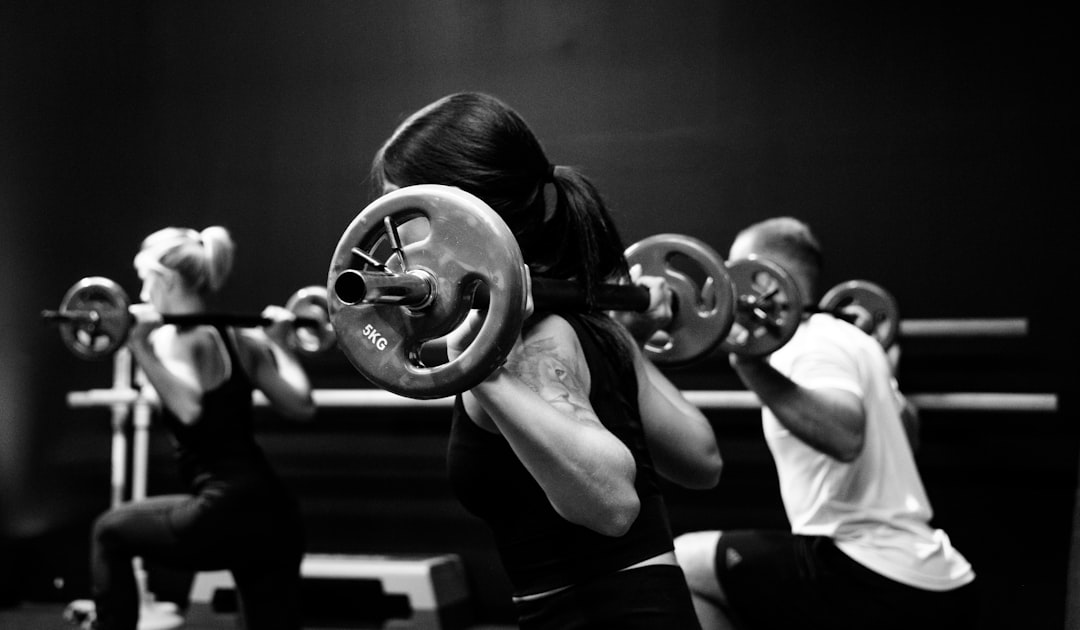
A science based guide to multi joint movements, research evidence, real benefits, and how to build your program
If your time is limited but you want maximum results, compound exercises are your answer. Compound exercises move more than one joint and more than one muscle group in the same movement. Examples: squats, deadlifts, bench press, pull ups, rows. Each one targets complete muscle groups at the same time.
Compound exercises are the foundation of every strong effective training program. The scientific research is clear: multi joint movements build more muscle, burn more calories, improve athletic performance more, and save more time compared to isolation exercises that target only one muscle.
Compound exercises are any movement that includes more than one joint and more than one muscle group at the same time. The key is integration: muscles work together as a functional unit, exactly as happens in real life.
Examples of Compound Exercises:
Squats (knee and hip and ankle move together, muscles: quads, glutes, calves, core), deadlifts (hip and knee and ankle, muscles: glutes, hamstrings, lower back, traps), bench press (shoulder and elbow, muscles: chest, front delts, triceps), pull ups or pull downs (shoulder and elbow, muscles: lats, traps, biceps), rows (shoulder and elbow, muscles: lats, traps, biceps, rear delts), overhead press (shoulder and elbow, muscles: shoulders, triceps, core), lunges (hip and knee, muscles: quads, glutes, core).
The Difference Between Compound and Isolation Exercises:
Isolation exercises move one joint and target only one muscle. Examples: bicep curls (elbow only), tricep extensions (elbow only), leg extensions (knee only), chest flies (shoulder only). Isolation exercises have a place in training, but they are not the foundation. Compound exercises give far greater value for each minute of training.
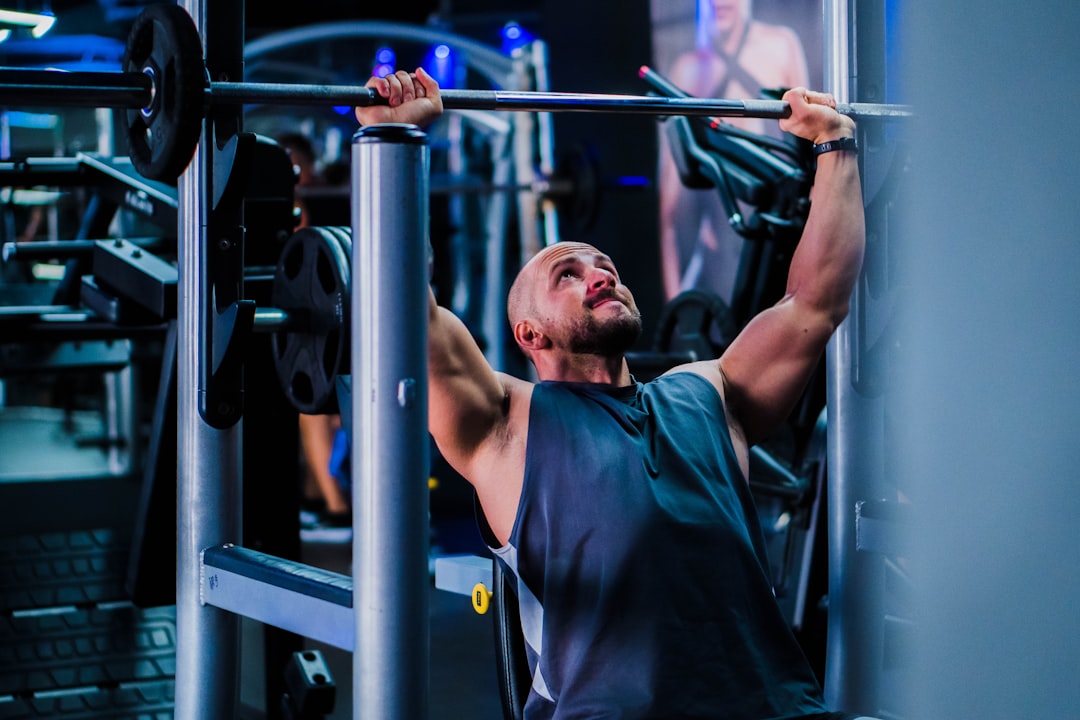
Compound exercises are not a trend. Scientific research confirms multiple benefits.
1. Build More Muscle in Less Time
A study from the Journal of Strength and Conditioning Research in 2015 compared compound exercises versus isolation exercises. The result: compound exercises with the same total volume produced greater muscle gains and greater strength improvements compared to isolation programs. The reason: compound exercises allow heavier loads, stimulate greater hormone release, and recruit more muscle fibers in the same movement.
2. Burn Far More Calories
A comprehensive review from Sports Medicine in 2019 confirmed that multi joint movements burn 50 to 70 percent more calories compared to isolation exercises for the same duration. The reason: more muscles working together require greater energy. Example: one squat burns more than 10 leg extensions because of the volume of muscle fibers involved.
3. Improve Functional and Athletic Performance
A study from the European Journal of Applied Physiology in 2020 compared muscle activation performance between squats (compound exercise) and leg extensions (isolation exercise). The result: squats activated quads, glutes, core, and calves together, producing far greater functional strength. The reason: real life and athletic movement require integrated movements, not isolated muscles. Compound training builds strength you actually use.
4. Massive Time Savings
If you work full time, have a family, or a busy life, compound exercises are the only realistic solution. A complete full body compound training program can be finished in 45 to 60 minutes 3 times weekly. The same results with an isolation program require 90 to 120 minutes 5 to 6 times weekly. Research from PLOS ONE in 2017 confirmed that multi joint movements save 40 to 50 percent time compared to isolation programs for the same results.
5. Reduced Injury Risk
A study from the British Journal of Sports Medicine in 2022 showed that compound training including squats, deadlifts, and lunges reduced knee and back injury risk by 30 to 35 percent compared to isolation machine exercise programs. The reason: compound exercises build coordination between muscles, stability, and functional strength that protects joints in real life.
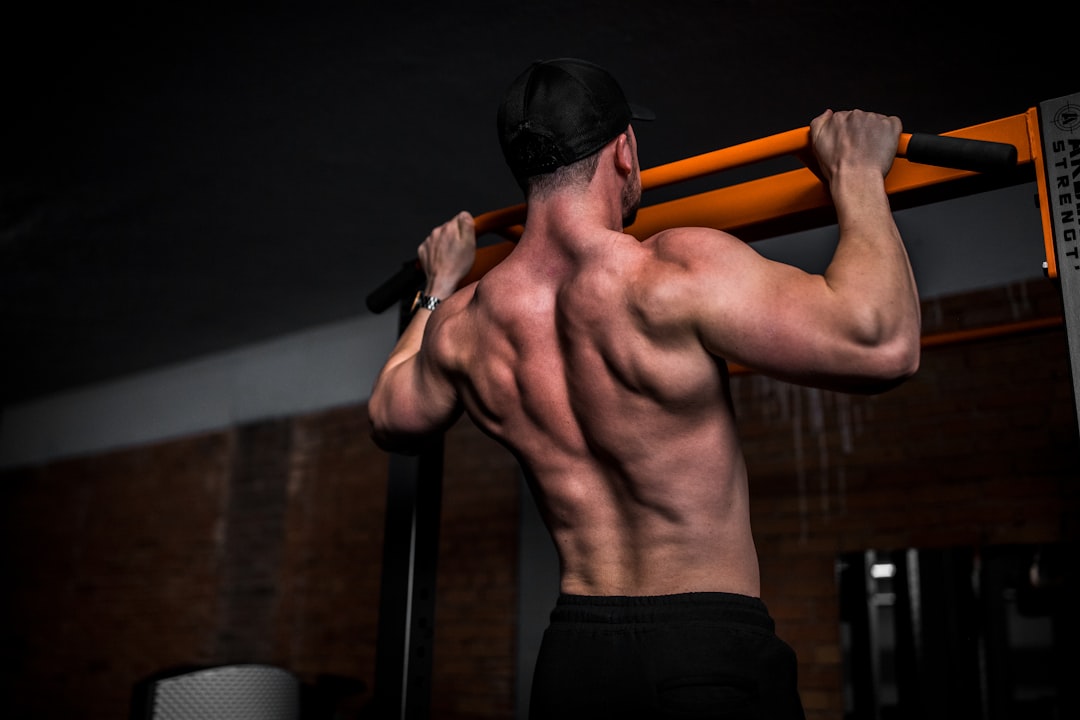
A correct compound training program covers all fundamental movements: horizontal push (bench press), horizontal pull (rows), vertical push (overhead press), vertical pull (pull ups), squat (knee push), deadlift or hinge (hip hinge). Each movement covers a complete muscle group and fundamental movement pattern.
Simple Full Body Compound Program, 3 Days Weekly:
Day 1:
Barbell squat: 3 sets × 6 to 8 reps, bench press: 3 sets × 6 to 8 reps, barbell or dumbbell rows: 3 sets × 8 to 10 reps, overhead press: 2 sets × 8 to 10 reps, plank: 2 sets × 30 to 60 seconds.
Day 2:
Romanian deadlift: 3 sets × 6 to 8 reps, overhead press: 3 sets × 6 to 8 reps, pull ups or lat pull downs: 3 sets × 6 to 10 reps, lunges or split squats: 2 sets × 8 reps each leg, farmer carry: 2 sets × 30 to 40 meters.
Day 3:
Front squat or goblet squat: 3 sets × 6 to 8 reps, barbell deadlift or trap bar deadlift: 3 sets × 5 to 6 reps, dumbbell bench press or incline press: 3 sets × 8 to 10 reps, cable rows or seated rows: 3 sets × 8 to 10 reps, dead bug or hollow hold: 2 sets × 10 to 15 seconds.
Rest: at least two days weekly without resistance training.
Progressive Overload:
Increase weight by 2.5 kilos for upper body exercises or 5 kilos for lower body exercises every week or two. Or gradually increase reps within the target range. Record every training session so you track your progress.
1. Sacrificing Technique for Heavy Weight
Compound exercises are effective only when executed with correct technique. Heavy weight with poor technique does not build more muscle, it increases injury risk. Start light, learn the movement, then increase load gradually. Do not rush.
2. Adding Large Isolation Volume at the Expense of Compound
Some trainees finish heavy compound exercises then add 10 to 15 additional isolation sets. The problem: total volume becomes too much, and recovery is affected. Compound exercises are the priority, and isolation is only a small supplement if time and energy are available.
3. Fear of Free Weights and Relying Only on Machines
Machines have a place, but most machines are isolating and do not train stability or coordination. Free barbells and dumbbells force stability, balance, and muscle coordination. The result: stronger build, better performance, fewer injuries. Start with light barbell or dumbbell weight and learn, do not fear.
4. Not Paying Attention to Progressive Overload
Compound exercises without gradual increase in load do not produce continuous growth. Record every session: weight, reps, sets. Increase weight or reps every week or two. Progressive overload is the only reason for continuous muscle growth.
Busy People with Limited Time
If you have only 45 to 60 minutes 3 times weekly, compound exercises are the only realistic solution to get real results.
Beginners
Beginners do not need 20 different exercises. Five to six fundamental compound movements build strength, muscle, and performance at the same time.
Athletes
Every sport requires functional strength: the ability to generate force through integrated movements. Compound exercises translate directly to better athletic performance.
People Over 40 or 50
Compound exercises preserve strength, bone density, independence, and balance. Research from the Journal of Aging and Physical Activity in 2021 confirmed that older adults who follow compound training 2 to 3 times weekly maintained functional strength and independence for far longer.
Anyone Who Wants Real Results
If you want to build muscle, lose fat, improve performance, or just become stronger in daily life, compound exercises are the foundation on which you build everything.
Compound exercises are the foundation of every effective training program. The scientific evidence is clear: multi joint movements build more muscle, burn more calories, save more time, improve athletic performance more, and reduce injury risk compared to isolation exercises.
Focus on the six fundamental movement patterns: squat, deadlift or hinge, horizontal push, horizontal pull, vertical push, vertical pull. Each movement covers a complete muscle group. Train them 3 times weekly with correct technique, progressive load, and adequate rest. Results come with consistency.
Book a free consultation with Coach Huss.
Book Your Free Consultation%20scale(0.92)'%3e%3cpath%20d='M%2046%2010%20A%2040%2040%200%200%200%2046%2090%20L%2046%2078%20A%209.5%209.5%200%200%201%2030.2%2069.8%20A%2011%2011%200%200%201%2022%2050%20A%2011%2011%200%200%201%2030.2%2030.2%20A%209.5%209.5%200%200%201%2046%2022%20Z'%20fill='%23e85d1f'/%3e%3cg%20fill='none'%20stroke='%23e85d1f'%20stroke-linecap='butt'%3e%3cpath%20d='M%2046%2038%20A%2012%2012%200%200%200%2046%2062'%20stroke-width='10'/%3e%3cpath%20d='M%2046%2050%20H%2056'%20stroke-width='10'/%3e%3c/g%3e%3cg%20fill='%23e85d1f'%3e%3crect%20x='56'%20y='16'%20width='12'%20height='68'/%3e%3crect%20x='74'%20y='28'%20width='10'%20height='44'/%3e%3crect%20x='90'%20y='40'%20width='8'%20height='20'/%3e%3c/g%3e%3c/g%3e%3cg%20fill='%23f7f4ef'%3e%3cpath%20d='M259.64,507.88h14.26v26.01h23.73v-26.01h14.26v64.25h-14.26v-26.01h-23.73v26.01h-14.26v-64.25Z'/%3e%3cpath%20d='M321.6,507.88h14.27v46.33c0,3.14,2.55,5.68,5.69,5.69h12.35c3.14,0,5.68-2.55,5.69-5.69v-46.33h14.27v47.41c-.03,9.29-7.55,16.81-16.84,16.84h-18.59c-9.29-.03-16.81-7.55-16.84-16.84v-47.41Z'/%3e%3cpath%20d='M399.04,507.88h42.49v12.23h-41.77c-2.08,0-3.77,1.69-3.77,3.77v6.08l27.82,6.38c5.98,1.32,10.22,6.65,10.18,12.78v5.7c-.03,9.55-7.76,17.29-17.32,17.32h-34.95v-12.23h34.23c2.08,0,3.77-1.69,3.77-3.77v-6.09l-27.77-6.37c-5.98-1.33-10.22-6.65-10.18-12.78v-.78c-.03-.44-.05-.87-.05-1.32v-3.6c.03-9.55,7.76-17.29,17.32-17.32Z'/%3e%3cpath%20d='M489.97,507.88v12.23h-19v52.02h-14.26v-52.02h-19v-12.23h52.26Z'/%3e%3cpath%20d='M521.03,572.13h-8.81c-9.55-.03-17.29-7.76-17.32-17.32v-46.93h14.26v48.25c0,2.08,1.69,3.77,3.77,3.77h34.23v12.23h-26.13Z'/%3e%3cpath%20d='M551.62,525.19c.03-9.55,7.76-17.29,17.32-17.32h34.95v12.23h-34.23c-2.08,0-3.77,1.69-3.77,3.77v32.25c0,2.08,1.69,3.77,3.77,3.77h34.23v12.23h-34.95c-9.55-.03-17.29-7.76-17.32-17.32v-29.61h0ZM593.83,533.89v12.23h-30.86v-12.23h30.86Z'/%3e%3c/g%3e%3cg%20fill='%23e85d1f'%3e%3cpath%20d='M608.34,507.88h17.23l20.77,42.48v-42.48h14.27v64.25h-17.23l-20.77-42.48v42.48h-14.26v-64.25Z'/%3e%3cpath%20d='M709.53,513.95l20.87,58.17h-15.16l-17.1-47.66-17.1,47.66h-15.15l20.87-58.17c1.27-3.67,4.75-6.12,8.63-6.08h5.5c3.89-.04,7.36,2.41,8.64,6.08Z'/%3e%3cpath%20d='M775.25,507.88v12.23h-19v52.02h-14.26v-52.02h-19v-12.23h52.26Z'/%3e%3cpath%20d='M780.72,572.13v-64.25h14.26v64.25h-14.26Z'/%3e%3cpath%20d='M856.39,525.19v29.61c-.03,9.55-7.76,17.29-17.32,17.32h-17.63c-9.55-.03-17.29-7.76-17.32-17.32v-29.61c.03-9.55,7.76-17.29,17.32-17.32h17.63c9.55.03,17.29,7.76,17.32,17.32ZM838.36,559.9c2.08,0,3.77-1.69,3.77-3.77v-32.25c0-2.08-1.69-3.77-3.77-3.77h-16.19c-2.08,0-3.77,1.69-3.77,3.77v32.25c0,2.08,1.69,3.77,3.77,3.77h16.19Z'/%3e%3cpath%20d='M865.54,507.88h17.23l20.77,42.48v-42.48h14.27v64.25h-17.23l-20.77-42.48v42.48h-14.26v-64.25Z'/%3e%3c/g%3e%3cpolygon%20fill='%23f7f4ef'%20points='703.28%20559.9%20707.67%20572.13%20688.63%20572.13%20693.01%20559.9%20703.28%20559.9'/%3e%3c/svg%3e)