A science backed guide to intermittent pneumatic compression boots, research evidence on faster recovery and reduced soreness, and who truly benefits
Compression boots have become one of the most popular recovery technologies in 2026. You see them in professional gyms, physical therapy clinics, and even in the homes of amateur athletes. Manufacturers claim they speed recovery, reduce muscle soreness, and remove fatigue. But do the scientific findings support these claims?
This guide covers the real science behind intermittent pneumatic compression boots, published research on recovery and muscle soreness, and how to use them intelligently if they fit your goals.
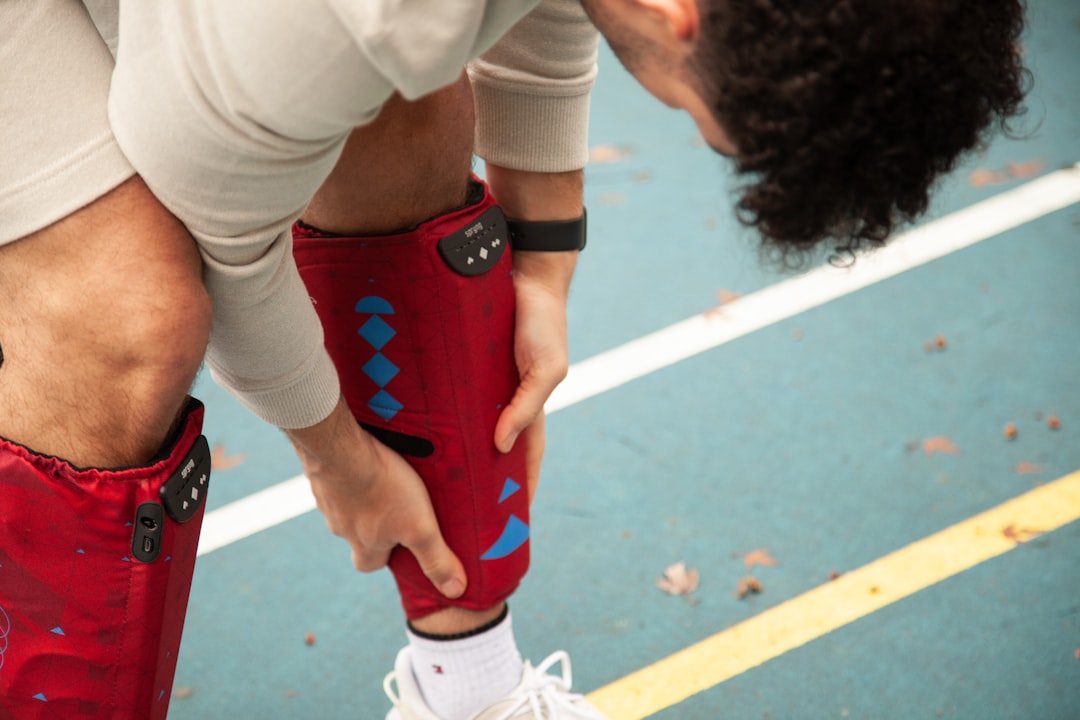
Intermittent pneumatic compression (IPC) boots are inflatable sleeves that cover the legs and feet. They connect to an air pump that fills pressure chambers inside the boot sequentially from bottom to top, creating waves of pressure on the tissues.
The idea is to mimic the natural muscle movement during walking. When you move, leg muscles compress veins and push blood toward the heart, which improves circulation and removes metabolic waste such as lactic acid. Compression boots try to do the same thing passively, without you moving your muscles.
One session typically lasts 20 to 30 minutes. Air pressure ranges from 30 to 120 millimeters of mercury depending on the setting, and the cycle repeats every one to two minutes. It feels like a massage or gentle squeeze on the legs.
Research on compression boots for athletic recovery is still limited, and the results are mixed. Some studies show benefits, others find no clear improvement. The comprehensive review published in ScienceDirect in 2024 noted that evidence is low, positive responses are not consistent, and clear divergences in response exist.
The potential benefits that appear in some studies are:
First, improvement in perceived comfort and freshness. Several studies showed that athletes report feeling better and experiencing less soreness after using compression boots, even if objective markers such as strength or speed did not improve. This may be due to increased blood flow and reduced feelings of heaviness and swelling.
Second, reduction in delayed onset muscle soreness (DOMS) in some cases. A study on Therabody indicates that using compression boots reduces soreness and stiffness during the 24 to 72 hour period after intense exercise, especially after long running or heavy leg training.
Third, potential improvement in lactate clearance. Some research suggests that pneumatic compression speeds removal of metabolic waste from muscles by increasing venous and lymphatic circulation, but the evidence is not conclusive.
The clear limitation is that compression boots do not reliably improve measured muscle performance such as strength, power, or speed. The comprehensive review in ResearchGate confirms that compression boots do not offer a clear advantage over simple passive rest or other recovery methods such as light walking in many tests.

Based on available research, compression boots may be useful for specific groups:
First, athletes training at high intensity twice or more daily. If you have morning and evening training, or training then a competition on the same day, compression boots may help speed the feeling of freshness between sessions. The benefit here is reducing perceived fatigue, not necessarily increasing actual strength.
Second, people experiencing severe muscle soreness after training and looking for immediate relief. If you are training after a break, or tried a new intense workout, pneumatic compression may reduce the feeling of pain and stiffness noticeably.
Third, trainees who enjoy the psychological comfort aspect. Research suggests that part of the benefit of compression boots may be psychological or placebo. If using them makes you feel better and helps you stay consistent with your program, and the cost is reasonable for you, they are a valid tool.
Fourth, people suffering from circulation problems or swelling in the legs due to prolonged standing or travel. Compression boots were originally designed for medical purposes to improve venous flow, and they are very useful in this context.
But the average trainee exercising 3 to 4 times weekly without severe soreness or need for rapid recovery will probably not see a large difference. Adequate rest, 7 to 9 hours of sleep, sufficient protein, and simple active recovery such as light walking or stretching will give you the same or better results.
If you decide to use compression boots, follow the recommended protocol:
Timing: use them immediately after training or on the same day. The most beneficial period is within 1 to 3 hours of finishing intense training.
Duration: start with 20 minutes, and increase to 30 minutes if it feels comfortable. There is no need for longer use, and research has not proven additional benefit from longer sessions.
Pressure: start with a low to moderate setting (40 to 80 millimeters of mercury). The feeling should be comfortable and massage like, not painful or restricting flow. Do not use very high pressure as it may cause swelling or circulation problems.
Frequency: use them 2 to 3 times weekly after intense training sessions only. Daily use is not necessary and will not increase the benefit.
During the session: drink water and relax. You can read, watch something light, or listen to a podcast. The goal is rest, not another activity.
First mistake: believing that compression boots are a substitute for recovery fundamentals. No technology compensates for poor sleep, insufficient protein, or overtraining. Compression boots are a small additional tool, not a magic solution.
Second mistake: using very high pressure or very long sessions. Research does not support using high pressure or sessions longer than 30 minutes. High pressure may hinder blood flow instead of improving it.
Third mistake: buying very cheap boots without multiple pressure chambers. Effective compression boots contain 4 to 8 chambers that inflate sequentially from bottom to top. Very cheap models with one or two chambers do not provide the same effect.
Fourth mistake: relying on compression boots and neglecting active recovery. Light walking, stretching, or low intensity aerobic training increase circulation naturally and effectively, and may be better than the passive method.
Intermittent pneumatic compression boots are a potential recovery tool with limited and mixed scientific evidence. They may reduce perceived soreness and fatigue after intense exercise, especially for athletes training twice daily or experiencing severe muscle pain. But they do not reliably improve measured muscle performance, and do not compensate for sleep, protein, or adequate rest.
If you have the budget and access, use them intelligently: 20 to 30 minutes after intense training, 2 to 3 times weekly, with moderate pressure. But do not rely on them as a priority. Fundamentals first, additional technologies second.
Looking for a smart, evidence based training and recovery program that fits your schedule in Dubai? Coach Huss offers professional one on one personal training and online coaching programs, with weekly follow up and continuous adjustment based on your progress and recovery.
Start with Coach Huss%20scale(0.92)'%3e%3cpath%20d='M%2046%2010%20A%2040%2040%200%200%200%2046%2090%20L%2046%2078%20A%209.5%209.5%200%200%201%2030.2%2069.8%20A%2011%2011%200%200%201%2022%2050%20A%2011%2011%200%200%201%2030.2%2030.2%20A%209.5%209.5%200%200%201%2046%2022%20Z'%20fill='%23e85d1f'/%3e%3cg%20fill='none'%20stroke='%23e85d1f'%20stroke-linecap='butt'%3e%3cpath%20d='M%2046%2038%20A%2012%2012%200%200%200%2046%2062'%20stroke-width='10'/%3e%3cpath%20d='M%2046%2050%20H%2056'%20stroke-width='10'/%3e%3c/g%3e%3cg%20fill='%23e85d1f'%3e%3crect%20x='56'%20y='16'%20width='12'%20height='68'/%3e%3crect%20x='74'%20y='28'%20width='10'%20height='44'/%3e%3crect%20x='90'%20y='40'%20width='8'%20height='20'/%3e%3c/g%3e%3c/g%3e%3cg%20fill='%23f7f4ef'%3e%3cpath%20d='M259.64,507.88h14.26v26.01h23.73v-26.01h14.26v64.25h-14.26v-26.01h-23.73v26.01h-14.26v-64.25Z'/%3e%3cpath%20d='M321.6,507.88h14.27v46.33c0,3.14,2.55,5.68,5.69,5.69h12.35c3.14,0,5.68-2.55,5.69-5.69v-46.33h14.27v47.41c-.03,9.29-7.55,16.81-16.84,16.84h-18.59c-9.29-.03-16.81-7.55-16.84-16.84v-47.41Z'/%3e%3cpath%20d='M399.04,507.88h42.49v12.23h-41.77c-2.08,0-3.77,1.69-3.77,3.77v6.08l27.82,6.38c5.98,1.32,10.22,6.65,10.18,12.78v5.7c-.03,9.55-7.76,17.29-17.32,17.32h-34.95v-12.23h34.23c2.08,0,3.77-1.69,3.77-3.77v-6.09l-27.77-6.37c-5.98-1.33-10.22-6.65-10.18-12.78v-.78c-.03-.44-.05-.87-.05-1.32v-3.6c.03-9.55,7.76-17.29,17.32-17.32Z'/%3e%3cpath%20d='M489.97,507.88v12.23h-19v52.02h-14.26v-52.02h-19v-12.23h52.26Z'/%3e%3cpath%20d='M521.03,572.13h-8.81c-9.55-.03-17.29-7.76-17.32-17.32v-46.93h14.26v48.25c0,2.08,1.69,3.77,3.77,3.77h34.23v12.23h-26.13Z'/%3e%3cpath%20d='M551.62,525.19c.03-9.55,7.76-17.29,17.32-17.32h34.95v12.23h-34.23c-2.08,0-3.77,1.69-3.77,3.77v32.25c0,2.08,1.69,3.77,3.77,3.77h34.23v12.23h-34.95c-9.55-.03-17.29-7.76-17.32-17.32v-29.61h0ZM593.83,533.89v12.23h-30.86v-12.23h30.86Z'/%3e%3c/g%3e%3cg%20fill='%23e85d1f'%3e%3cpath%20d='M608.34,507.88h17.23l20.77,42.48v-42.48h14.27v64.25h-17.23l-20.77-42.48v42.48h-14.26v-64.25Z'/%3e%3cpath%20d='M709.53,513.95l20.87,58.17h-15.16l-17.1-47.66-17.1,47.66h-15.15l20.87-58.17c1.27-3.67,4.75-6.12,8.63-6.08h5.5c3.89-.04,7.36,2.41,8.64,6.08Z'/%3e%3cpath%20d='M775.25,507.88v12.23h-19v52.02h-14.26v-52.02h-19v-12.23h52.26Z'/%3e%3cpath%20d='M780.72,572.13v-64.25h14.26v64.25h-14.26Z'/%3e%3cpath%20d='M856.39,525.19v29.61c-.03,9.55-7.76,17.29-17.32,17.32h-17.63c-9.55-.03-17.29-7.76-17.32-17.32v-29.61c.03-9.55,7.76-17.29,17.32-17.32h17.63c9.55.03,17.29,7.76,17.32,17.32ZM838.36,559.9c2.08,0,3.77-1.69,3.77-3.77v-32.25c0-2.08-1.69-3.77-3.77-3.77h-16.19c-2.08,0-3.77,1.69-3.77,3.77v32.25c0,2.08,1.69,3.77,3.77,3.77h16.19Z'/%3e%3cpath%20d='M865.54,507.88h17.23l20.77,42.48v-42.48h14.27v64.25h-17.23l-20.77-42.48v42.48h-14.26v-64.25Z'/%3e%3c/g%3e%3cpolygon%20fill='%23f7f4ef'%20points='703.28%20559.9%20707.67%20572.13%20688.63%20572.13%20693.01%20559.9%20703.28%20559.9'/%3e%3c/svg%3e)