The evidence based approach to building a strong and stable core that improves performance and prevents injuries
When you say core training, the first thing most people think of is planks and crunches. But a strong core means far more than that. Your core connects your upper and lower body, protects your spine, and transfers force through every movement you make. Understanding what the core really is and how to train it properly can improve your strength, performance, and reduce injury risk significantly.
Recent research shows that effective core training goes beyond traditional ab exercises. Instead, it focuses on stability, resisting movement, and force transfer. In this article, we will cover what the core really is, why functional core strength matters, research backed exercises, and how to build a smart core training program.
Most people think the core is only the front abs, but the core actually includes all the muscles that connect and support your spine and pelvis. This includes the front abs (rectus abdominis), side muscles (obliques), deep transverse abs (transverse abdominis), lower back muscles (erector spinae), quadratus lumborum, and even the pelvic floor and diaphragm.
The core works as one unit to achieve three main functions: preventing unwanted movement (stability), producing movement when you need it (like rotation and bending), and transferring force between your upper and lower body. This is why modern core training focuses on control and stability more than just repeated flexing and extending.
A strong and stable core improves everything you do. Research from Sports Medicine in 2024 shows that core stability training reduces injury risk by 15 to 20 percent, especially lower back, knee, and ankle injuries. When your core is weak or unstable, other joints must compensate, increasing stress on them and leading to pain and injury over time.
Beyond injury prevention, a strong core improves athletic performance. A study from the Journal of Strength and Conditioning Research in 2023 found that athletes with better core stability show greater strength in squats and deadlifts, higher running speed, and better balance in unilateral movements. The reason is simple: a stable core transfers force efficiently from the ground to your upper body, and prevents energy leaks.
Even outside the gym, a strong core improves daily life. Sitting with good posture, lifting objects safely, playing with kids, carrying bags, all of this requires core stability. A study from Physical Therapy in 2025 found that an 8 week core training program reduced chronic lower back pain by 40 percent in office workers.
Modern core training divides into three main categories: anti-extension exercises, anti-rotation exercises, and anti-lateral flexion exercises. Each category targets how the core works in real life: preventing unwanted movement and maintaining stability under load.
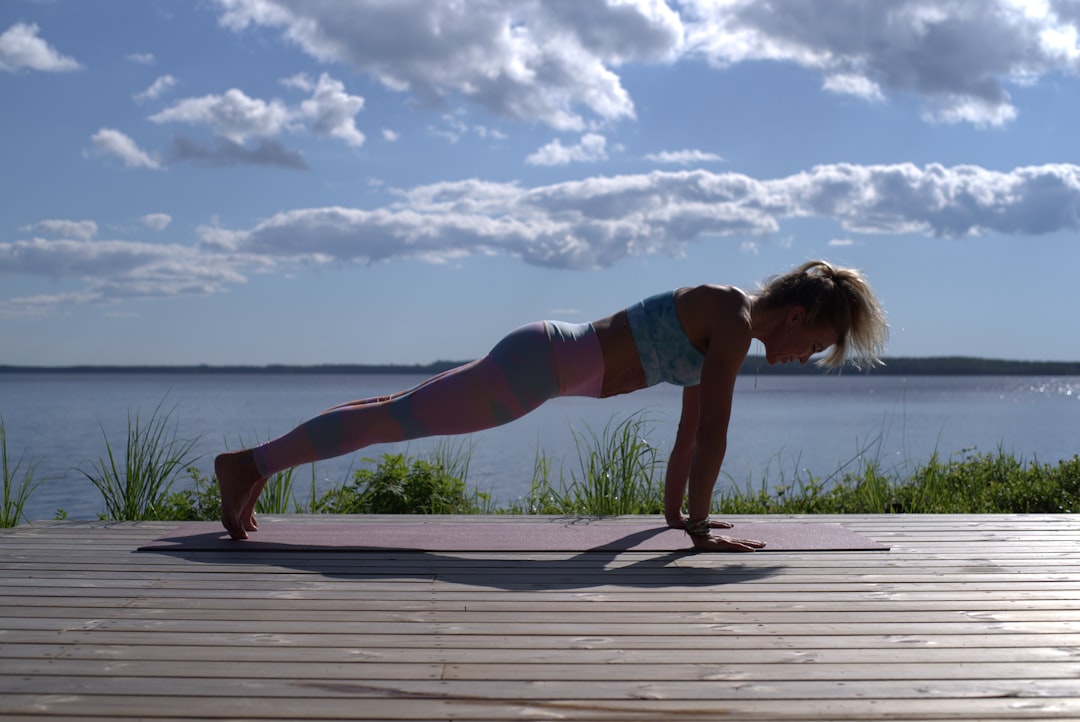
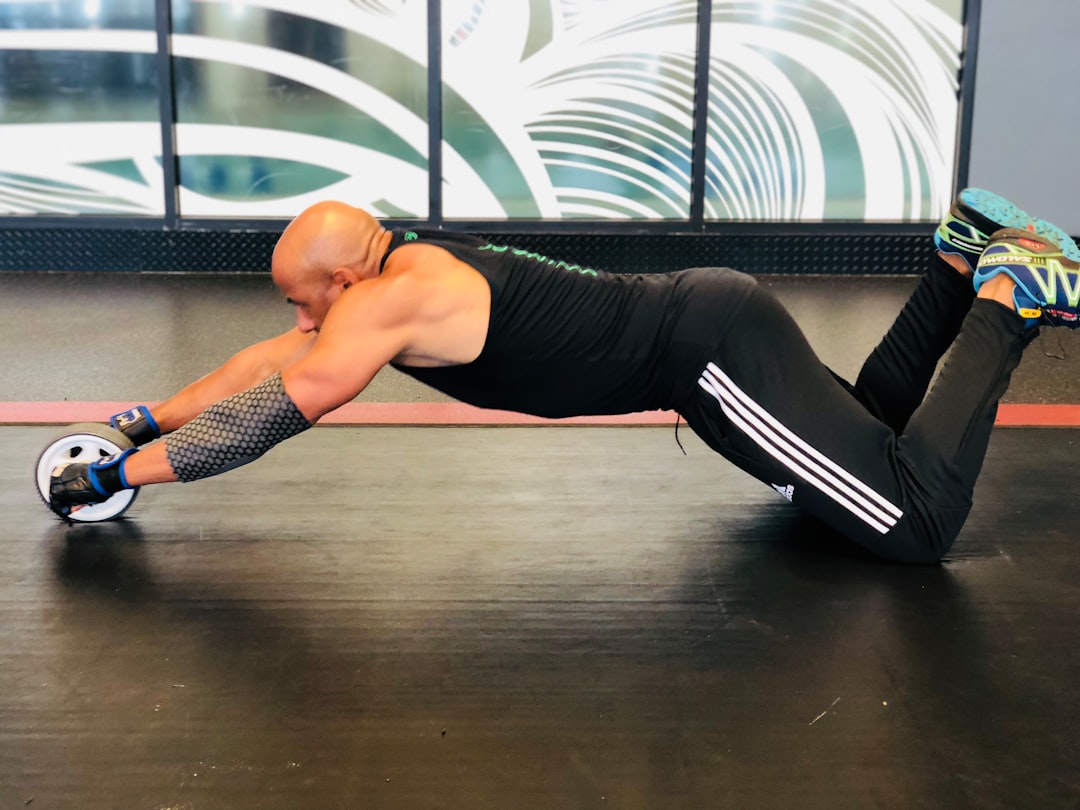
Anti-extension exercises prevent your spine from arching excessively. The best example is the plank. The plank is not just an ab exercise, but a full body stability exercise. Start with a standard front plank for 20 to 30 seconds, then progress to plank with one arm or leg raised, plank on a stability ball, or ab wheel rollout. Other excellent anti-extension exercises include dead bug and hollow body hold.
Anti-rotation exercises prevent your body from rotating when exposed to a rotational force. The best example is the Pallof press. Stand beside a cable or resistance band, hold the handle at your chest, then push it forward without allowing your body to rotate toward the cable. The core works hard to resist rotation. Other exercises include bird dog, single arm loaded squats, and single arm deadlifts.
Anti-lateral flexion exercises prevent your body from bending to the side under load. The best example is the farmer carry or suitcase carry. Walk for 20 to 40 meters while holding a heavy weight in only one hand, and the core works to prevent your body from leaning toward the weight side. Other exercises include side plank and single arm goblet holds.
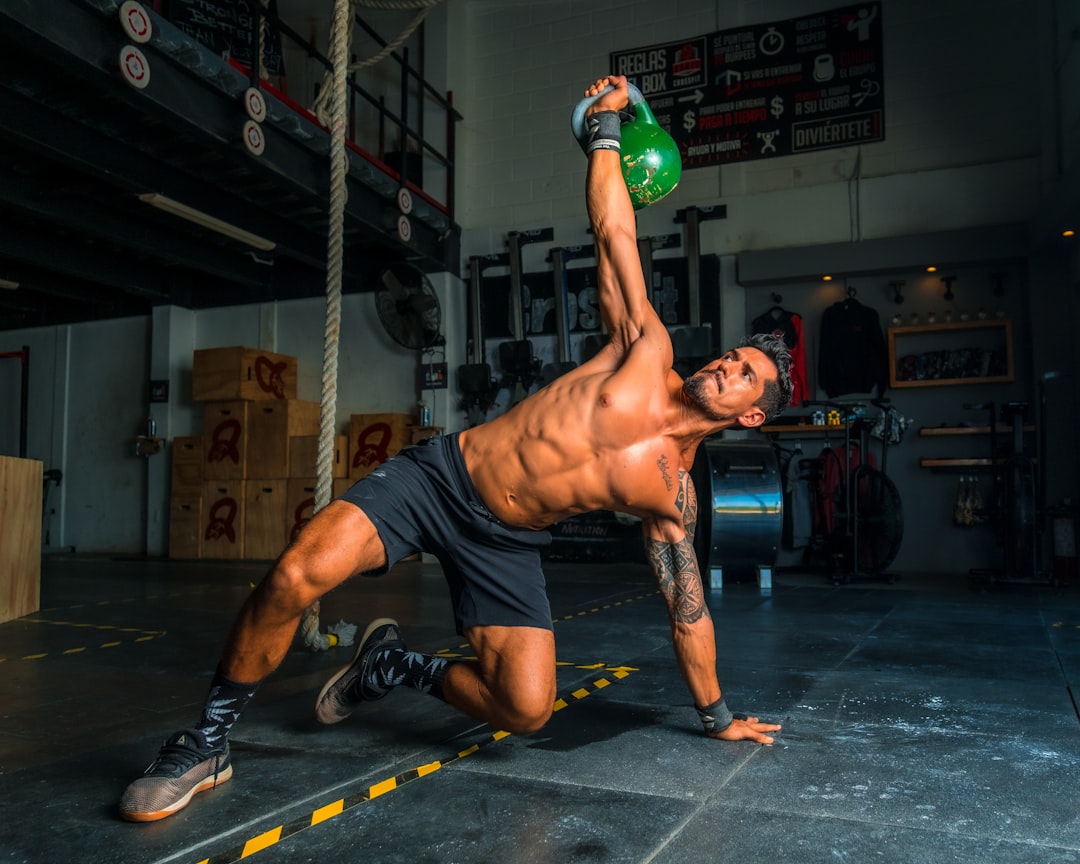
An effective core training program includes variety from anti-extension, anti-rotation, and anti-lateral flexion exercises. Do not focus on just one exercise. Aim for 10 to 15 minutes of direct core work 2 to 3 times per week, in addition to heavy compound exercises like squats and deadlifts, which train the core indirectly.
Here is a simple example of a core training routine three times per week: Day one: front plank 3 sets of 30 to 60 seconds, Pallof press 3 sets of 10 reps per side, suitcase carry 3 sets of 20 meters per side. Day two: dead bug 3 sets of 10 reps per side, bird dog 3 sets of 10 reps per side, side plank 3 sets of 20 to 30 seconds per side. Day three: ab wheel rollout 3 sets of 8 to 12 reps, farmer carry 3 sets of 40 meters, hollow body hold 3 sets of 20 to 30 seconds.
Focus on control and proper form more than speed or volume. Quality of movement matters more than quantity. If you lose proper form or feel pain in your lower back, stop and regress to an easier version of the exercise. Progress comes from consistency and progressive loading, not from pushing hard into exercises you are not ready for.
The first mistake is doing only traditional ab exercises like sit-ups and crunches. These exercises move the spine repeatedly into flexion, which can increase pressure on spinal discs over time, especially if done frequently and with poor form. Research from Dr. Stuart McGill, spine biomechanics expert, shows that stability exercises like planks and bird dogs are safer and more effective in the long term.
The second mistake is ignoring core training completely because you do squats and deadlifts. True that compound exercises train the core indirectly, but direct core work is still important for building maximum stability, improving control, and reducing injury risk. Think of core training as accessory work that supports your main lifts, not a replacement for them.
The third mistake is training the core every day with high intensity. The core needs recovery like any other muscle group. If you are training the core directly, 2 to 3 sessions per week is enough for most people, especially if you are also doing heavy compound exercises. Overtraining the core can lead to chronic fatigue, poor performance, and increased injury risk.
Strong core training goes beyond just getting a flat stomach. It improves athletic performance, protects your spine, prevents injuries, and improves daily life. Focus on multi directional stability exercises, control proper form, and train smart 2 to 3 times per week. Consistency and progressive loading will build a strong core that serves you in the gym and beyond.
If you are new to core training, start with planks, dead bugs, and bird dogs. Progress gradually to more challenging exercises like Pallof press, ab wheel, and suitcase carries. If you feel pain, especially in your lower back, stop and consult a qualified trainer or physical therapist. Core training should make you stronger, not hurt you.
Work with Coach Huss and the Hustle Nation team to get a personalized training program that builds strength, improves stability, and helps you reach your goals safely.
Get Started Today%20scale(0.92)'%3e%3cpath%20d='M%2046%2010%20A%2040%2040%200%200%200%2046%2090%20L%2046%2078%20A%209.5%209.5%200%200%201%2030.2%2069.8%20A%2011%2011%200%200%201%2022%2050%20A%2011%2011%200%200%201%2030.2%2030.2%20A%209.5%209.5%200%200%201%2046%2022%20Z'%20fill='%23e85d1f'/%3e%3cg%20fill='none'%20stroke='%23e85d1f'%20stroke-linecap='butt'%3e%3cpath%20d='M%2046%2038%20A%2012%2012%200%200%200%2046%2062'%20stroke-width='10'/%3e%3cpath%20d='M%2046%2050%20H%2056'%20stroke-width='10'/%3e%3c/g%3e%3cg%20fill='%23e85d1f'%3e%3crect%20x='56'%20y='16'%20width='12'%20height='68'/%3e%3crect%20x='74'%20y='28'%20width='10'%20height='44'/%3e%3crect%20x='90'%20y='40'%20width='8'%20height='20'/%3e%3c/g%3e%3c/g%3e%3cg%20fill='%23f7f4ef'%3e%3cpath%20d='M259.64,507.88h14.26v26.01h23.73v-26.01h14.26v64.25h-14.26v-26.01h-23.73v26.01h-14.26v-64.25Z'/%3e%3cpath%20d='M321.6,507.88h14.27v46.33c0,3.14,2.55,5.68,5.69,5.69h12.35c3.14,0,5.68-2.55,5.69-5.69v-46.33h14.27v47.41c-.03,9.29-7.55,16.81-16.84,16.84h-18.59c-9.29-.03-16.81-7.55-16.84-16.84v-47.41Z'/%3e%3cpath%20d='M399.04,507.88h42.49v12.23h-41.77c-2.08,0-3.77,1.69-3.77,3.77v6.08l27.82,6.38c5.98,1.32,10.22,6.65,10.18,12.78v5.7c-.03,9.55-7.76,17.29-17.32,17.32h-34.95v-12.23h34.23c2.08,0,3.77-1.69,3.77-3.77v-6.09l-27.77-6.37c-5.98-1.33-10.22-6.65-10.18-12.78v-.78c-.03-.44-.05-.87-.05-1.32v-3.6c.03-9.55,7.76-17.29,17.32-17.32Z'/%3e%3cpath%20d='M489.97,507.88v12.23h-19v52.02h-14.26v-52.02h-19v-12.23h52.26Z'/%3e%3cpath%20d='M521.03,572.13h-8.81c-9.55-.03-17.29-7.76-17.32-17.32v-46.93h14.26v48.25c0,2.08,1.69,3.77,3.77,3.77h34.23v12.23h-26.13Z'/%3e%3cpath%20d='M551.62,525.19c.03-9.55,7.76-17.29,17.32-17.32h34.95v12.23h-34.23c-2.08,0-3.77,1.69-3.77,3.77v32.25c0,2.08,1.69,3.77,3.77,3.77h34.23v12.23h-34.95c-9.55-.03-17.29-7.76-17.32-17.32v-29.61h0ZM593.83,533.89v12.23h-30.86v-12.23h30.86Z'/%3e%3c/g%3e%3cg%20fill='%23e85d1f'%3e%3cpath%20d='M608.34,507.88h17.23l20.77,42.48v-42.48h14.27v64.25h-17.23l-20.77-42.48v42.48h-14.26v-64.25Z'/%3e%3cpath%20d='M709.53,513.95l20.87,58.17h-15.16l-17.1-47.66-17.1,47.66h-15.15l20.87-58.17c1.27-3.67,4.75-6.12,8.63-6.08h5.5c3.89-.04,7.36,2.41,8.64,6.08Z'/%3e%3cpath%20d='M775.25,507.88v12.23h-19v52.02h-14.26v-52.02h-19v-12.23h52.26Z'/%3e%3cpath%20d='M780.72,572.13v-64.25h14.26v64.25h-14.26Z'/%3e%3cpath%20d='M856.39,525.19v29.61c-.03,9.55-7.76,17.29-17.32,17.32h-17.63c-9.55-.03-17.29-7.76-17.32-17.32v-29.61c.03-9.55,7.76-17.29,17.32-17.32h17.63c9.55.03,17.29,7.76,17.32,17.32ZM838.36,559.9c2.08,0,3.77-1.69,3.77-3.77v-32.25c0-2.08-1.69-3.77-3.77-3.77h-16.19c-2.08,0-3.77,1.69-3.77,3.77v32.25c0,2.08,1.69,3.77,3.77,3.77h16.19Z'/%3e%3cpath%20d='M865.54,507.88h17.23l20.77,42.48v-42.48h14.27v64.25h-17.23l-20.77-42.48v42.48h-14.26v-64.25Z'/%3e%3c/g%3e%3cpolygon%20fill='%23f7f4ef'%20points='703.28%20559.9%20707.67%20572.13%20688.63%20572.13%20693.01%20559.9%20703.28%20559.9'/%3e%3c/svg%3e)