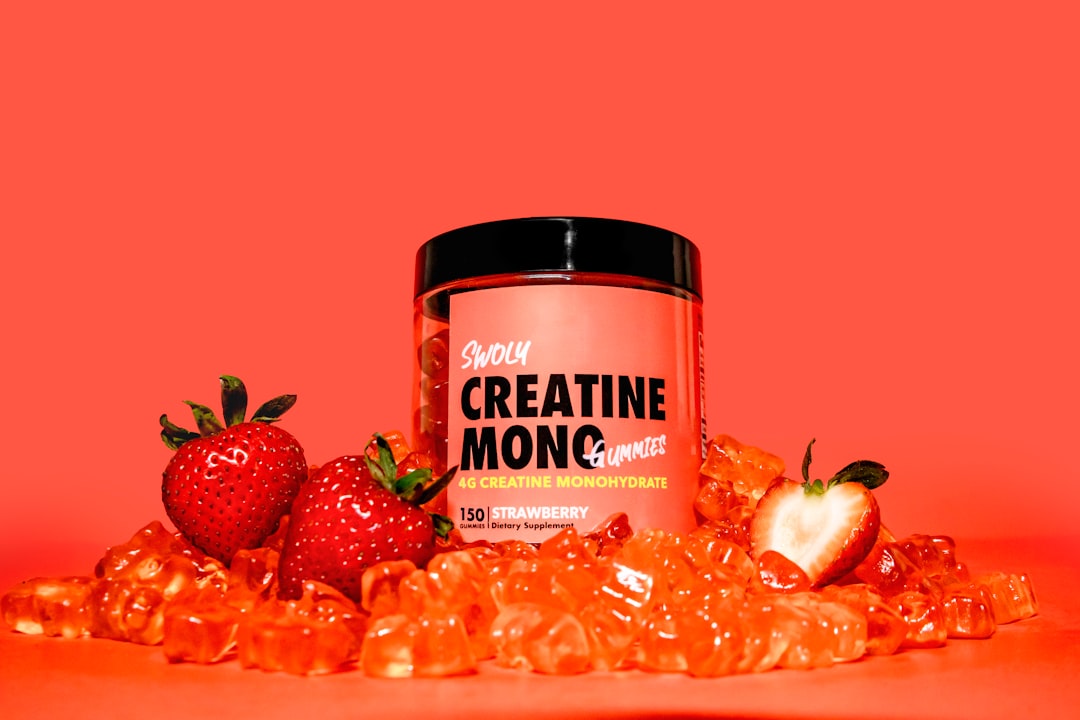
Creatine gummies are the hottest supplement trend of 2026. But do they work as well as powder? Here is what the science actually says
Creatine gummies are everywhere in 2026. Walk into any supplement store or scroll through fitness social media and you will see creatine in gummy form marketed as the convenient, tasty, easy way to get your daily dose without mixing powder or carrying a shaker bottle.
But do creatine gummies actually work as well as traditional creatine monohydrate powder? Are they worth the higher price? Or is this just clever marketing for a supplement that has worked perfectly fine as powder for decades?
Here is what the science actually says, plus the honest pros and cons of each format so you can decide which one fits your goals and your life.
Creatine gummies are chewable supplements that contain creatine monohydrate in a gelatin or pectin based gummy form, similar to candy or vitamin gummies. They were created to make creatine more convenient and more appealing to people who do not like mixing powder or who want a grab and go option.
Most creatine gummies contain between 1 and 3 grams of creatine monohydrate per serving, which is usually 2 to 4 gummies. Some brands use creatine monohydrate, while others use alternative forms like creatine HCl, but creatine monohydrate remains the most researched and most effective form.
The gummy format is part of a broader 2026 trend toward convenient, everyday supplement formats. Creatine is no longer just for bodybuilders or athletes. Brands are repositioning it as a daily wellness supplement for strength, recovery, active aging, and even brain health, and gummies make it feel less intimidating and more accessible.
Yes, when the dose is equal. There is no credible evidence that creatine monohydrate absorbs meaningfully differently between a dissolved drink and a chewed gummy matrix. Research consistently shows that what determines creatine effectiveness is daily dose and consistency, not delivery format.
A 2017 review in the Journal of the International Society of Sports Nutrition confirmed that 3 to 5 grams of creatine monohydrate per day is sufficient to saturate muscle stores over time, regardless of how it is consumed. Whether you get that creatine from powder mixed in water, from gummies, or from capsules, the result is the same as long as you hit the dose.
The problem is that most creatine gummies contain only 1 to 3 grams per serving, which means you need to eat multiple servings every day to reach the effective dose of 3 to 5 grams. If you are only eating one or two gummies because you think that is enough, or if the serving size is unclear, you are likely underdosing and will not see the full benefits.
Creatine monohydrate works when you reliably hit 3 to 5 grams per day. Underdosed gummies are the most common reason people miss that target. Powder is usually the simplest way to hit the number precisely.
Here is how the two formats compare in the real world.
Dose per serving. Powder gives you 5 grams in one scoop. Gummies give you 1 to 3 grams per serving, so you need multiple servings to match the dose. Missing a full dose is the biggest risk with gummies.
Cost. Powder wins by a huge margin. A kilogram of creatine monohydrate powder costs around 20 to 40 dollars and lasts 6 to 7 months at 5 grams per day. A bottle of creatine gummies usually costs 20 to 30 dollars and lasts only 2 to 4 weeks. You pay a premium for convenience and taste.
Convenience. Gummies win here. No mixing, no shaker bottle, no clumping powder. You can carry them in your bag, eat them at your desk, or take them while traveling without any preparation. Powder requires a shaker or glass and access to water.
Taste. Gummies taste like candy. Powder is flavorless or mildly flavored and some people do not like the texture or mixing step. If taste and enjoyment make you more consistent, gummies have the edge.
Adherence. This is the most important difference. The real world advantage of gummies is that people take them more consistently. If the gummy format means you actually take your creatine every single day instead of forgetting or skipping because mixing powder feels like a chore, then gummies are the better choice for you, even at a higher cost.
Sugar and additives. Many creatine gummies contain added sugar, corn syrup, or artificial flavors to make them taste good. A serving of gummies can contain 5 to 15 grams of sugar. Powder is usually pure creatine monohydrate with no additives. If you are tracking sugar or trying to minimize processed ingredients, powder is cleaner.
Creatine gummies are a good choice for people who value convenience over cost and who struggle to stay consistent with powder. Here are the groups who benefit most.
People who hate mixing powder. If the thought of scooping powder and shaking it in water every day makes you skip doses, gummies remove that barrier entirely.
Busy professionals and travelers. Gummies fit in your pocket or desk drawer and require zero preparation. If you are constantly moving between meetings, traveling, or eating on the go, gummies are easier to fit into your routine.
Beginners who feel intimidated by supplements. Creatine powder can feel serious or clinical. Gummies feel approachable and fun. If that lowers the barrier and gets you to start taking creatine consistently, it is worth it.
Anyone prioritizing adherence. If you know that gummies are the format you will actually take every single day, they are the better choice, even if they cost more.

Powder remains the best choice for people who want maximum value, precise dosing, and minimal additives. Here is who should stick with powder.
People on a budget. Powder is 5 to 10 times cheaper per gram than gummies. If cost matters, powder is the only realistic long term option.
Athletes and serious lifters. If you are already mixing pre workout, protein shakes, or other supplements, adding a scoop of creatine to your routine is effortless. There is no reason to pay extra for gummies.
People tracking macros or sugar. Powder has zero sugar and zero calories. Gummies add 5 to 15 grams of sugar per serving. If you are cutting, tracking macros, or avoiding added sugar, powder is the cleaner choice.
Anyone who wants precise dosing. With powder, you can measure exactly 5 grams every time. With gummies, you are limited to the serving size on the label, which might be 2 grams or 3 grams, and splitting gummies to hit an exact dose is impractical.
Creatine gummies and creatine powder are equally effective when you get the proper dose of 3 to 5 grams per day. The format does not change how creatine works. What changes is cost, convenience, taste, and whether you will actually take it consistently.
Powder wins on cost per gram, dose precision, and purity. Gummies win on convenience, taste, and adherence for people who struggle with powder.
If you are disciplined, budget conscious, or already mixing supplements daily, stick with powder. If you value convenience, hate mixing powder, or know that gummies are the format you will actually take every day, gummies are worth the premium.
The best creatine supplement is the one you take consistently. Choose the format that fits your life and your goals, hit your daily dose, and let the results speak for themselves.
Want to build a science based training and nutrition program that fits your goals and your life in Dubai?
Coach Huss works with busy professionals who want results without the hype. Custom programs for strength, body composition, and long term health.
Get Started%20scale(0.92)'%3e%3cpath%20d='M%2046%2010%20A%2040%2040%200%200%200%2046%2090%20L%2046%2078%20A%209.5%209.5%200%200%201%2030.2%2069.8%20A%2011%2011%200%200%201%2022%2050%20A%2011%2011%200%200%201%2030.2%2030.2%20A%209.5%209.5%200%200%201%2046%2022%20Z'%20fill='%23e85d1f'/%3e%3cg%20fill='none'%20stroke='%23e85d1f'%20stroke-linecap='butt'%3e%3cpath%20d='M%2046%2038%20A%2012%2012%200%200%200%2046%2062'%20stroke-width='10'/%3e%3cpath%20d='M%2046%2050%20H%2056'%20stroke-width='10'/%3e%3c/g%3e%3cg%20fill='%23e85d1f'%3e%3crect%20x='56'%20y='16'%20width='12'%20height='68'/%3e%3crect%20x='74'%20y='28'%20width='10'%20height='44'/%3e%3crect%20x='90'%20y='40'%20width='8'%20height='20'/%3e%3c/g%3e%3c/g%3e%3cg%20fill='%23f7f4ef'%3e%3cpath%20d='M259.64,507.88h14.26v26.01h23.73v-26.01h14.26v64.25h-14.26v-26.01h-23.73v26.01h-14.26v-64.25Z'/%3e%3cpath%20d='M321.6,507.88h14.27v46.33c0,3.14,2.55,5.68,5.69,5.69h12.35c3.14,0,5.68-2.55,5.69-5.69v-46.33h14.27v47.41c-.03,9.29-7.55,16.81-16.84,16.84h-18.59c-9.29-.03-16.81-7.55-16.84-16.84v-47.41Z'/%3e%3cpath%20d='M399.04,507.88h42.49v12.23h-41.77c-2.08,0-3.77,1.69-3.77,3.77v6.08l27.82,6.38c5.98,1.32,10.22,6.65,10.18,12.78v5.7c-.03,9.55-7.76,17.29-17.32,17.32h-34.95v-12.23h34.23c2.08,0,3.77-1.69,3.77-3.77v-6.09l-27.77-6.37c-5.98-1.33-10.22-6.65-10.18-12.78v-.78c-.03-.44-.05-.87-.05-1.32v-3.6c.03-9.55,7.76-17.29,17.32-17.32Z'/%3e%3cpath%20d='M489.97,507.88v12.23h-19v52.02h-14.26v-52.02h-19v-12.23h52.26Z'/%3e%3cpath%20d='M521.03,572.13h-8.81c-9.55-.03-17.29-7.76-17.32-17.32v-46.93h14.26v48.25c0,2.08,1.69,3.77,3.77,3.77h34.23v12.23h-26.13Z'/%3e%3cpath%20d='M551.62,525.19c.03-9.55,7.76-17.29,17.32-17.32h34.95v12.23h-34.23c-2.08,0-3.77,1.69-3.77,3.77v32.25c0,2.08,1.69,3.77,3.77,3.77h34.23v12.23h-34.95c-9.55-.03-17.29-7.76-17.32-17.32v-29.61h0ZM593.83,533.89v12.23h-30.86v-12.23h30.86Z'/%3e%3c/g%3e%3cg%20fill='%23e85d1f'%3e%3cpath%20d='M608.34,507.88h17.23l20.77,42.48v-42.48h14.27v64.25h-17.23l-20.77-42.48v42.48h-14.26v-64.25Z'/%3e%3cpath%20d='M709.53,513.95l20.87,58.17h-15.16l-17.1-47.66-17.1,47.66h-15.15l20.87-58.17c1.27-3.67,4.75-6.12,8.63-6.08h5.5c3.89-.04,7.36,2.41,8.64,6.08Z'/%3e%3cpath%20d='M775.25,507.88v12.23h-19v52.02h-14.26v-52.02h-19v-12.23h52.26Z'/%3e%3cpath%20d='M780.72,572.13v-64.25h14.26v64.25h-14.26Z'/%3e%3cpath%20d='M856.39,525.19v29.61c-.03,9.55-7.76,17.29-17.32,17.32h-17.63c-9.55-.03-17.29-7.76-17.32-17.32v-29.61c.03-9.55,7.76-17.29,17.32-17.32h17.63c9.55.03,17.29,7.76,17.32,17.32ZM838.36,559.9c2.08,0,3.77-1.69,3.77-3.77v-32.25c0-2.08-1.69-3.77-3.77-3.77h-16.19c-2.08,0-3.77,1.69-3.77,3.77v32.25c0,2.08,1.69,3.77,3.77,3.77h16.19Z'/%3e%3cpath%20d='M865.54,507.88h17.23l20.77,42.48v-42.48h14.27v64.25h-17.23l-20.77-42.48v42.48h-14.26v-64.25Z'/%3e%3c/g%3e%3cpolygon%20fill='%23f7f4ef'%20points='703.28%20559.9%20707.67%20572.13%20688.63%20572.13%20693.01%20559.9%20703.28%20559.9'/%3e%3c/svg%3e)