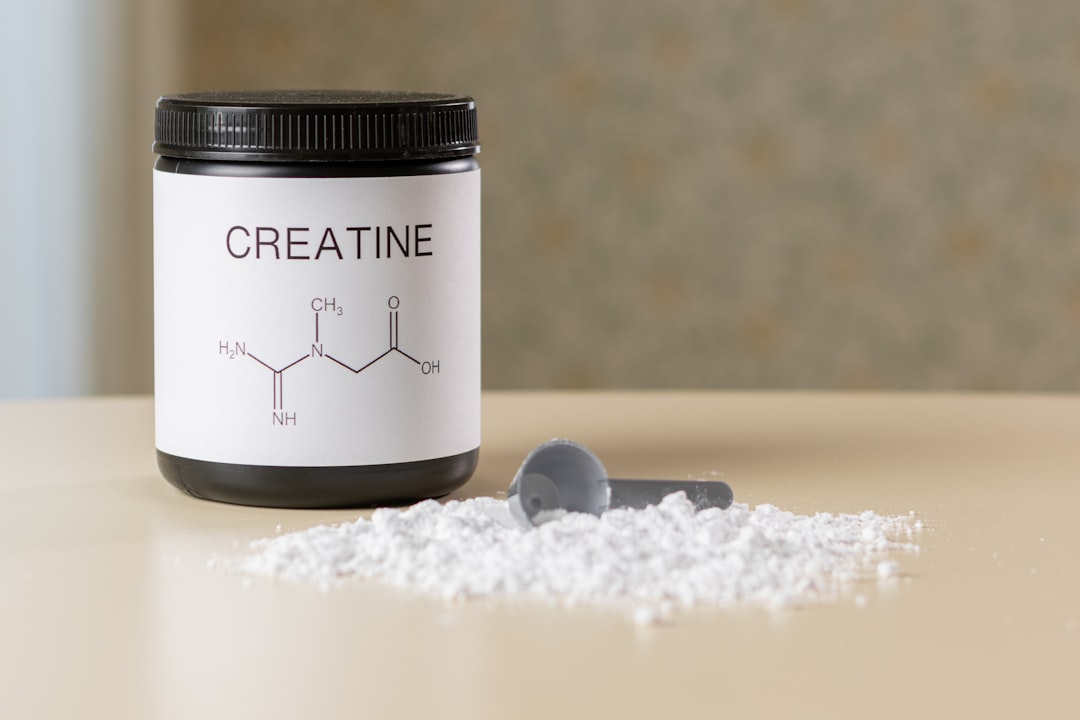
A practical science based guide to dosage, timing, safety, and who actually benefits from creatine
Creatine monohydrate is one of the most talked about supplements in the gym, and also one of the most misunderstood. Some people think it is a stimulant. Some worry about their kidneys. Others buy expensive forms because the label promises better absorption. The truth is simpler and stronger: creatine monohydrate is well studied, useful for most hard training people, but it does not build muscle by itself.
If you train for muscle, strength, or high intensity performance, creatine may be one of the best value supplements you can use. But its benefit shows up when training, sleep, protein, and calories are in place. The supplement supports the system. It does not replace the system.
Creatine is a compound your body makes from amino acids, and it is also found in meat and fish. Most creatine is stored inside muscle as phosphocreatine, which helps regenerate fast energy during short, hard efforts.
That explains why its effect is clearest in work like squats, bench press, sprints, heavy reps, and sets close to failure. It does not turn you into a superhero, but it may help you produce more effort or maintain performance across more sets. Over time, that can support strength and muscle gain.
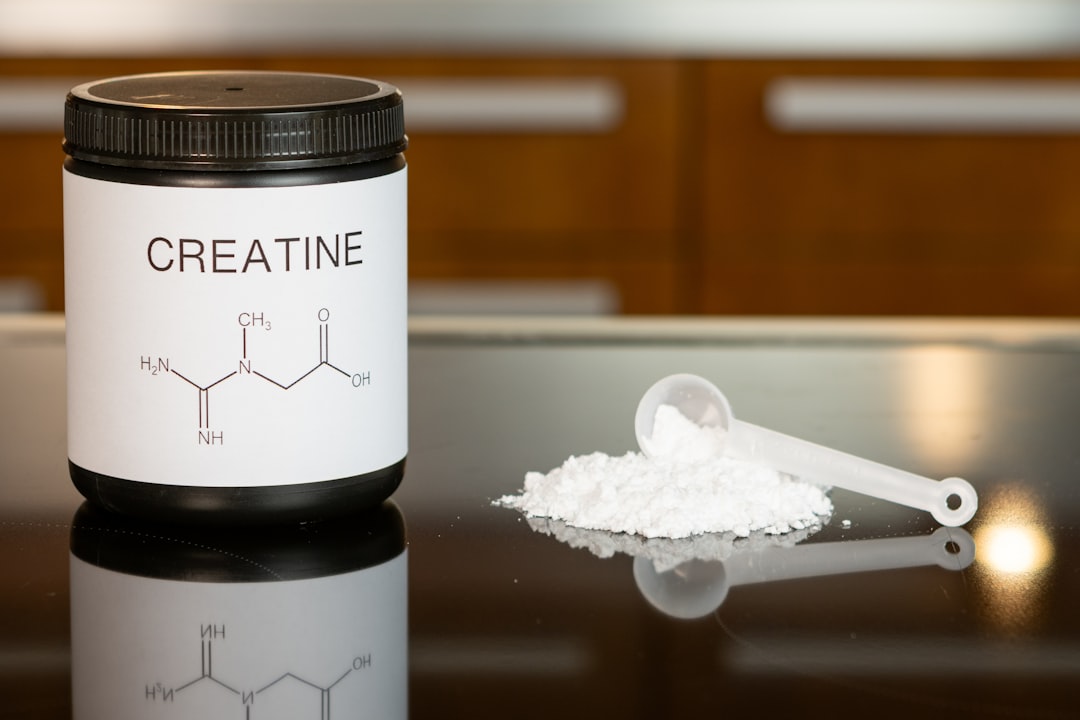
Scientific reviews and sports nutrition position stands describe creatine monohydrate as one of the most evidence supported supplements for improving high intensity exercise capacity and resistance training adaptations. The effect is not magical, but it is consistent enough to be practical for serious trainees.
The biggest benefit shows up when the goal is strength, hypertrophy, or repeated high intensity performance. For long endurance events, the benefit is usually less clear. Creatine helps most when performance depends on repeated short bursts of energy.
Choose regular creatine monohydrate. You do not need liquid creatine, expensive blends, or products claiming to be stronger without clear evidence. Monohydrate is the most studied form, usually the cheapest, and the most sensible choice for most people.
If the powder bothers your stomach or does not mix well, a micronized version can be easier to stir into water. It is not a different supplement in terms of the main effect. It is simply a finer version of the same idea.
The simplest method is 3 to 5 grams daily. Take it every day, whether you train or not. You do not need a loading phase if you do not want one. After several weeks, muscle stores will rise in a simple and steady way.
The traditional loading method is around 20 grams daily for 5 to 7 days, split into smaller doses, then 3 to 5 grams daily. This works faster, but it can cause bloating or digestive discomfort for some people. For most gym clients, the smaller daily dose is easier and more consistent.

Timing matters less than consistency. Take it with a meal, after training, or whenever you remember it. The main idea is to saturate muscle stores over time, not to create an instant effect like caffeine.
Attach the dose to a stable habit: with breakfast, with your post training meal, or beside your daily water bottle. Drink enough fluids, especially if you train hard or sweat heavily.
For most healthy adults, creatine monohydrate at moderate doses is considered safe and well studied. It may increase body weight slightly at first because more water is held inside muscle, and that is not fat gain. It may also raise blood creatinine because creatine breaks down into creatinine, but that does not automatically mean kidney damage.
But if you have kidney disease, a significant medical history, use medication that affects kidney function, or are pregnant or breastfeeding, speak with your doctor before using it. This is not an area for stubbornness. A useful supplement is not worth ignoring a medical condition.
It may increase water inside muscle, which often gives a fuller look rather than fat gain. Digestive bloating is more common with large doses or aggressive loading.
You do not need it to start. Learn training, control protein and sleep, then add it if you want a small performance support. It is useful, but not mandatory.
Not necessarily. Take it daily at a time that suits you. Consistency matters more than timing.
If you are a healthy adult who trains hard, start with 3 to 5 grams of creatine monohydrate daily. Choose a simple product, drink enough fluids, and do not chase expensive formulas. Watch gym performance, body weight, and digestion during the first weeks.
Creatine is not a shortcut. It is powerful because it can help you train with slightly better quality over time. Build the foundation first, then make it a small and smart part of a bigger plan.
Your Next Step
If you want to build muscle or strength, do not start from the supplement shelf. Start with training, nutrition, sleep, and coaching. At Hustle Nation we use supplements when they serve the plan, not as a replacement for it.
Book Your Free ConsultationAll information is based on peer reviewed research. This article is educational and does not constitute medical advice.
%20scale(0.92)'%3e%3cpath%20d='M%2046%2010%20A%2040%2040%200%200%200%2046%2090%20L%2046%2078%20A%209.5%209.5%200%200%201%2030.2%2069.8%20A%2011%2011%200%200%201%2022%2050%20A%2011%2011%200%200%201%2030.2%2030.2%20A%209.5%209.5%200%200%201%2046%2022%20Z'%20fill='%23e85d1f'/%3e%3cg%20fill='none'%20stroke='%23e85d1f'%20stroke-linecap='butt'%3e%3cpath%20d='M%2046%2038%20A%2012%2012%200%200%200%2046%2062'%20stroke-width='10'/%3e%3cpath%20d='M%2046%2050%20H%2056'%20stroke-width='10'/%3e%3c/g%3e%3cg%20fill='%23e85d1f'%3e%3crect%20x='56'%20y='16'%20width='12'%20height='68'/%3e%3crect%20x='74'%20y='28'%20width='10'%20height='44'/%3e%3crect%20x='90'%20y='40'%20width='8'%20height='20'/%3e%3c/g%3e%3c/g%3e%3cg%20fill='%23f7f4ef'%3e%3cpath%20d='M259.64,507.88h14.26v26.01h23.73v-26.01h14.26v64.25h-14.26v-26.01h-23.73v26.01h-14.26v-64.25Z'/%3e%3cpath%20d='M321.6,507.88h14.27v46.33c0,3.14,2.55,5.68,5.69,5.69h12.35c3.14,0,5.68-2.55,5.69-5.69v-46.33h14.27v47.41c-.03,9.29-7.55,16.81-16.84,16.84h-18.59c-9.29-.03-16.81-7.55-16.84-16.84v-47.41Z'/%3e%3cpath%20d='M399.04,507.88h42.49v12.23h-41.77c-2.08,0-3.77,1.69-3.77,3.77v6.08l27.82,6.38c5.98,1.32,10.22,6.65,10.18,12.78v5.7c-.03,9.55-7.76,17.29-17.32,17.32h-34.95v-12.23h34.23c2.08,0,3.77-1.69,3.77-3.77v-6.09l-27.77-6.37c-5.98-1.33-10.22-6.65-10.18-12.78v-.78c-.03-.44-.05-.87-.05-1.32v-3.6c.03-9.55,7.76-17.29,17.32-17.32Z'/%3e%3cpath%20d='M489.97,507.88v12.23h-19v52.02h-14.26v-52.02h-19v-12.23h52.26Z'/%3e%3cpath%20d='M521.03,572.13h-8.81c-9.55-.03-17.29-7.76-17.32-17.32v-46.93h14.26v48.25c0,2.08,1.69,3.77,3.77,3.77h34.23v12.23h-26.13Z'/%3e%3cpath%20d='M551.62,525.19c.03-9.55,7.76-17.29,17.32-17.32h34.95v12.23h-34.23c-2.08,0-3.77,1.69-3.77,3.77v32.25c0,2.08,1.69,3.77,3.77,3.77h34.23v12.23h-34.95c-9.55-.03-17.29-7.76-17.32-17.32v-29.61h0ZM593.83,533.89v12.23h-30.86v-12.23h30.86Z'/%3e%3c/g%3e%3cg%20fill='%23e85d1f'%3e%3cpath%20d='M608.34,507.88h17.23l20.77,42.48v-42.48h14.27v64.25h-17.23l-20.77-42.48v42.48h-14.26v-64.25Z'/%3e%3cpath%20d='M709.53,513.95l20.87,58.17h-15.16l-17.1-47.66-17.1,47.66h-15.15l20.87-58.17c1.27-3.67,4.75-6.12,8.63-6.08h5.5c3.89-.04,7.36,2.41,8.64,6.08Z'/%3e%3cpath%20d='M775.25,507.88v12.23h-19v52.02h-14.26v-52.02h-19v-12.23h52.26Z'/%3e%3cpath%20d='M780.72,572.13v-64.25h14.26v64.25h-14.26Z'/%3e%3cpath%20d='M856.39,525.19v29.61c-.03,9.55-7.76,17.29-17.32,17.32h-17.63c-9.55-.03-17.29-7.76-17.32-17.32v-29.61c.03-9.55,7.76-17.29,17.32-17.32h17.63c9.55.03,17.29,7.76,17.32,17.32ZM838.36,559.9c2.08,0,3.77-1.69,3.77-3.77v-32.25c0-2.08-1.69-3.77-3.77-3.77h-16.19c-2.08,0-3.77,1.69-3.77,3.77v32.25c0,2.08,1.69,3.77,3.77,3.77h16.19Z'/%3e%3cpath%20d='M865.54,507.88h17.23l20.77,42.48v-42.48h14.27v64.25h-17.23l-20.77-42.48v42.48h-14.26v-64.25Z'/%3e%3c/g%3e%3cpolygon%20fill='%23f7f4ef'%20points='703.28%20559.9%20707.67%20572.13%20688.63%20572.13%20693.01%20559.9%20703.28%20559.9'/%3e%3c/svg%3e)