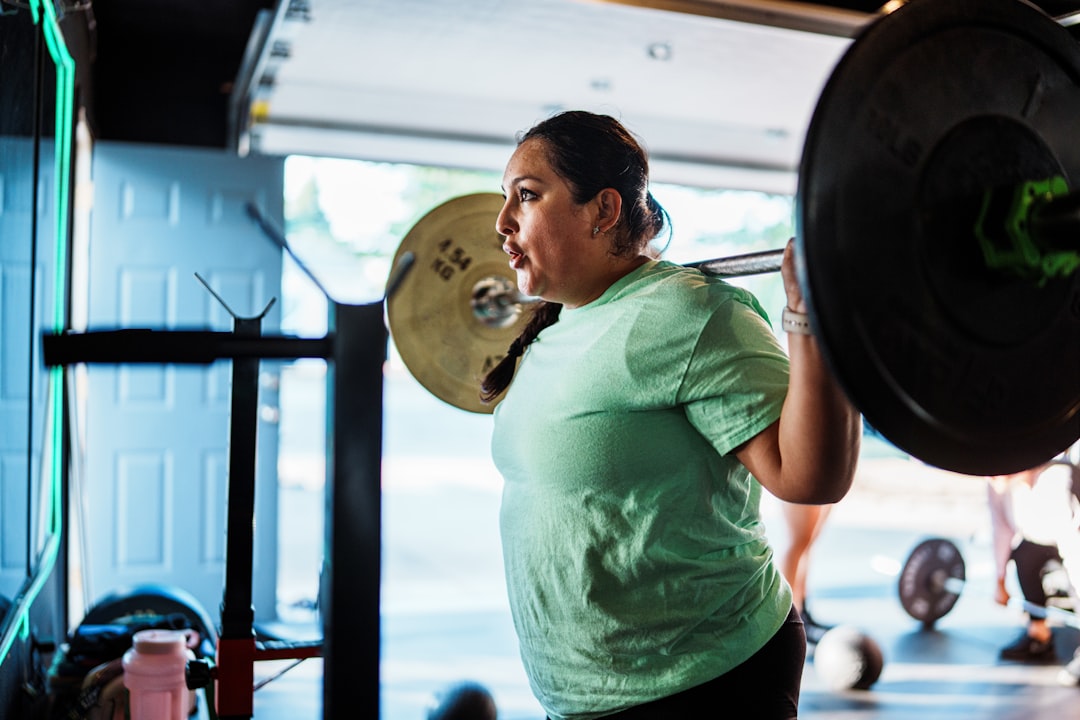
New 2026 review of over 30000 participants confirms controlled eccentric movements are one of the most powerful muscle growth triggers
Everyone focuses on lifting the weight. How much can you bench? How much can you squat? But what about lowering the weight? Most people ignore the lowering phase, let gravity do the work, and focus all their energy on pushing the weight up. New 2026 research proves this is a costly mistake.
A comprehensive 2026 review published in Medicine and Science in Sports and Exercise by Currier et al analyzed data from over 30000 participants and found that controlled eccentric movements, the phase where you lower the weight, are one of the most effective factors for building muscle mass. Not load, not frequency, not training to failure, but how you control the eccentric phase.
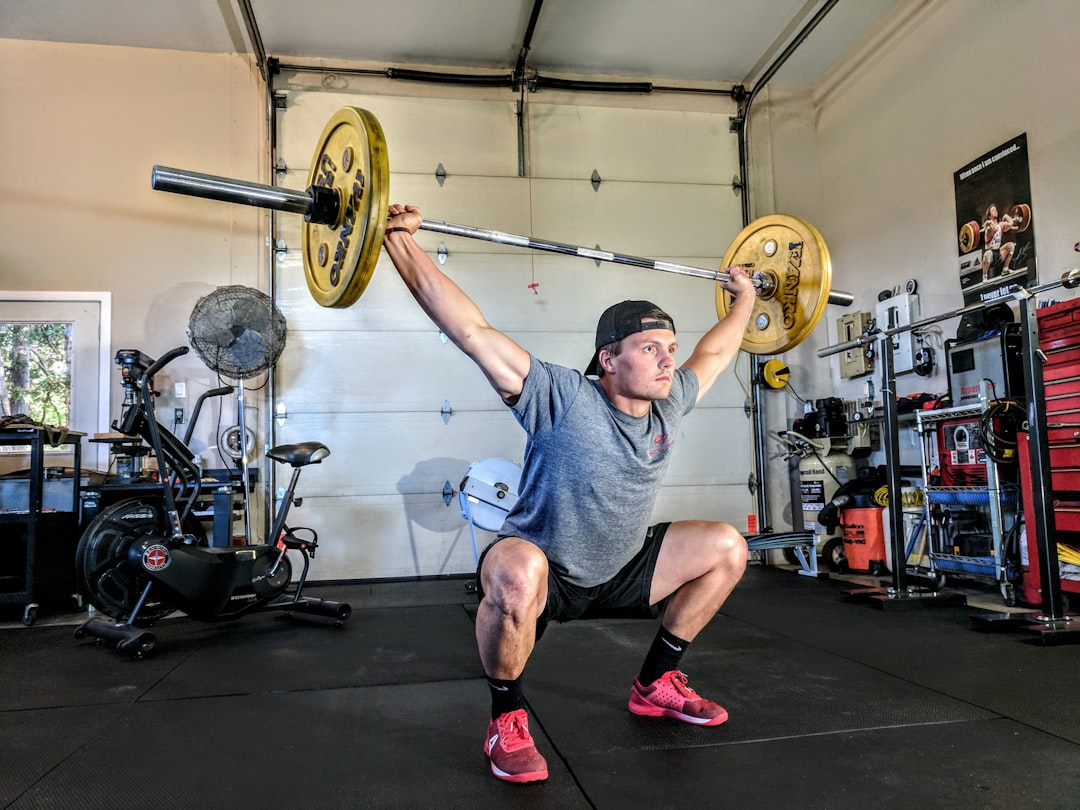
Every exercise has three phases. The concentric phase, where you lift or push the weight against gravity, like pressing the bar up in a bench press. The eccentric phase, where you lower the weight with control, like lowering the bar toward your chest. And the isometric phase, the pause at the top or bottom.
Eccentric training means emphasizing the lowering phase. Instead of letting the weight drop in one second, you take three to five seconds to lower it with full control. This is harder than it sounds. Muscles can produce 20 to 40 percent more force during the eccentric phase compared to the concentric phase, which means you can control heavier weight when lowering than you can lift.
The reason is biological. Eccentric movements cause greater muscle fiber damage, the good kind of damage that triggers repair and growth signaling. When you lower a heavy weight slowly, muscle fibers stretch under tension. This stretch creates micro tears in the protein structure, releases an inflammatory response, and stimulates muscle protein synthesis.
Research shows eccentric training produces 10 to 20 percent greater increases in muscle thickness compared to concentric only training when volume is matched. A 2019 study in the Journal of Applied Physiology found that eccentric only training for 12 weeks increased muscle size by 7.5 percent, while concentric only training produced 2.3 percent. Eccentrics build more muscle with the same number of sets.
Eccentrics come with a cost though: delayed onset muscle soreness that peaks 24 to 72 hours later. The soreness is real because the damage is real. But after 2 to 3 weeks, your body adapts, the repeated bout effect, and you feel much less soreness from the same stimulus.

The easiest method: slow down all your regular exercises. Instead of lowering the weight in one to two seconds, take three to five seconds. This works for every compound exercise: squats, bench press, rows, deadlifts, overhead press. Control the eccentric, explode the concentric.
The advanced method: overloaded eccentrics. Use 10 to 20 percent heavier weight than you can lift, get a spotter or use both hands to help lift the weight to the top, then lower it slowly on your own. This works great for single limb exercises: dumbbell curls, dumbbell press, leg curls.
Another protocol: negatives only. Use much heavier weight than you can lift, just the eccentric, no lifting phase at all. Example: pull yourself to the top of a chin up with assistance or a jump, then lower yourself slowly over five to ten seconds. After three to six sets of these, you are done.
Beginners building a strength base. Controlled eccentrics teach proper movement patterns, build eccentric strength, and protect joints. Every beginner should start with three to four second eccentrics on every compound exercise.
Advanced trainees who have stalled. If you have been running the same program for months and see no progress, add overloaded eccentrics once per week. The novel stimulus will shock you.
Anyone recovering from injury. Eccentric training produces lower forces on tendons and ligaments while generating high muscle tension, making it safer for rehab. Physical therapists prescribe controlled eccentrics after tendon and ligament injuries once acute inflammation heals.
First: using the same weight with slow eccentrics as you do with normal tempo. If you are taking five seconds to lower instead of one second, you are under tension five times longer. Reduce the weight by 10 to 15 percent and focus on control.
Second: losing tension at the bottom. The goal is not just to slow down, but to maintain muscle tension throughout the entire movement. Do not bounce, do not relax, do not pause. Continuous tension from top to bottom.
Third: overusing it. Heavy eccentrics cause more soreness and require longer recovery time. Do not do overloaded eccentrics or negatives more than twice weekly per muscle group. Otherwise, you will not recover enough to grow.
I watch clients in Dubai lift heavy weight fast, press up with all their force, then let the weight drop. They are missing half the exercise. When I add three to four second eccentrics to their bench press, squats, and rows, the muscle soreness the next day tells them the truth. They use less weight but feel more work.
Eccentrics also teach humility. You cannot cheat, you cannot use momentum, you cannot bounce out of the bottom. It is you, the weight, and gravity. Pure control. After two months, you see the gains: denser muscle, healthier joints, more strength in both the lift and the lower. That is the kind of strength that stays with you.
Start simple: take your main compound exercises, squats, bench press, rows, deadlifts, and slow the lowering phase to three to four seconds. Reduce the weight by 10 percent if needed. After two weeks, when your body adapts, try overloaded eccentrics once per week: pick one exercise, use 15 percent heavier weight, get a spotter to help you lift, and lower slowly for five seconds over three to five sets. Track for six weeks and compare your muscle thickness and strength.
Coach Huss designs personalized training programs that combine the latest research with years of experience. Whether you train in Dubai or online, let us build your strength the right way.
Contact Coach Huss%20scale(0.92)'%3e%3cpath%20d='M%2046%2010%20A%2040%2040%200%200%200%2046%2090%20L%2046%2078%20A%209.5%209.5%200%200%201%2030.2%2069.8%20A%2011%2011%200%200%201%2022%2050%20A%2011%2011%200%200%201%2030.2%2030.2%20A%209.5%209.5%200%200%201%2046%2022%20Z'%20fill='%23e85d1f'/%3e%3cg%20fill='none'%20stroke='%23e85d1f'%20stroke-linecap='butt'%3e%3cpath%20d='M%2046%2038%20A%2012%2012%200%200%200%2046%2062'%20stroke-width='10'/%3e%3cpath%20d='M%2046%2050%20H%2056'%20stroke-width='10'/%3e%3c/g%3e%3cg%20fill='%23e85d1f'%3e%3crect%20x='56'%20y='16'%20width='12'%20height='68'/%3e%3crect%20x='74'%20y='28'%20width='10'%20height='44'/%3e%3crect%20x='90'%20y='40'%20width='8'%20height='20'/%3e%3c/g%3e%3c/g%3e%3cg%20fill='%23f7f4ef'%3e%3cpath%20d='M259.64,507.88h14.26v26.01h23.73v-26.01h14.26v64.25h-14.26v-26.01h-23.73v26.01h-14.26v-64.25Z'/%3e%3cpath%20d='M321.6,507.88h14.27v46.33c0,3.14,2.55,5.68,5.69,5.69h12.35c3.14,0,5.68-2.55,5.69-5.69v-46.33h14.27v47.41c-.03,9.29-7.55,16.81-16.84,16.84h-18.59c-9.29-.03-16.81-7.55-16.84-16.84v-47.41Z'/%3e%3cpath%20d='M399.04,507.88h42.49v12.23h-41.77c-2.08,0-3.77,1.69-3.77,3.77v6.08l27.82,6.38c5.98,1.32,10.22,6.65,10.18,12.78v5.7c-.03,9.55-7.76,17.29-17.32,17.32h-34.95v-12.23h34.23c2.08,0,3.77-1.69,3.77-3.77v-6.09l-27.77-6.37c-5.98-1.33-10.22-6.65-10.18-12.78v-.78c-.03-.44-.05-.87-.05-1.32v-3.6c.03-9.55,7.76-17.29,17.32-17.32Z'/%3e%3cpath%20d='M489.97,507.88v12.23h-19v52.02h-14.26v-52.02h-19v-12.23h52.26Z'/%3e%3cpath%20d='M521.03,572.13h-8.81c-9.55-.03-17.29-7.76-17.32-17.32v-46.93h14.26v48.25c0,2.08,1.69,3.77,3.77,3.77h34.23v12.23h-26.13Z'/%3e%3cpath%20d='M551.62,525.19c.03-9.55,7.76-17.29,17.32-17.32h34.95v12.23h-34.23c-2.08,0-3.77,1.69-3.77,3.77v32.25c0,2.08,1.69,3.77,3.77,3.77h34.23v12.23h-34.95c-9.55-.03-17.29-7.76-17.32-17.32v-29.61h0ZM593.83,533.89v12.23h-30.86v-12.23h30.86Z'/%3e%3c/g%3e%3cg%20fill='%23e85d1f'%3e%3cpath%20d='M608.34,507.88h17.23l20.77,42.48v-42.48h14.27v64.25h-17.23l-20.77-42.48v42.48h-14.26v-64.25Z'/%3e%3cpath%20d='M709.53,513.95l20.87,58.17h-15.16l-17.1-47.66-17.1,47.66h-15.15l20.87-58.17c1.27-3.67,4.75-6.12,8.63-6.08h5.5c3.89-.04,7.36,2.41,8.64,6.08Z'/%3e%3cpath%20d='M775.25,507.88v12.23h-19v52.02h-14.26v-52.02h-19v-12.23h52.26Z'/%3e%3cpath%20d='M780.72,572.13v-64.25h14.26v64.25h-14.26Z'/%3e%3cpath%20d='M856.39,525.19v29.61c-.03,9.55-7.76,17.29-17.32,17.32h-17.63c-9.55-.03-17.29-7.76-17.32-17.32v-29.61c.03-9.55,7.76-17.29,17.32-17.32h17.63c9.55.03,17.29,7.76,17.32,17.32ZM838.36,559.9c2.08,0,3.77-1.69,3.77-3.77v-32.25c0-2.08-1.69-3.77-3.77-3.77h-16.19c-2.08,0-3.77,1.69-3.77,3.77v32.25c0,2.08,1.69,3.77,3.77,3.77h16.19Z'/%3e%3cpath%20d='M865.54,507.88h17.23l20.77,42.48v-42.48h14.27v64.25h-17.23l-20.77-42.48v42.48h-14.26v-64.25Z'/%3e%3c/g%3e%3cpolygon%20fill='%23f7f4ef'%20points='703.28%20559.9%20707.67%20572.13%20688.63%20572.13%20693.01%20559.9%20703.28%20559.9'/%3e%3c/svg%3e)