
A practical science based guide to myofascial release, foam rolling, the evidence, and how to use it intelligently
The foam roller is one of the most popular tools in gyms. Some people use it before every workout. Some after. Others only when they feel pain or stiffness. The real question is: what does it actually do? Is it just a comfortable massage, or does it have real effects on flexibility, pain, and performance?
Fascia is a web of connective tissue that surrounds muscles and organs in the body. When fascia is flexible and moves freely, muscles glide smoothly. But when it becomes stiff or adhered, you may feel restrictions in movement or pain. Fascia training and myofascial release aim to restore flexibility in these tissues and improve movement quality.
Myofascial release is the application of sustained, gentle pressure to the fascial layers, aiming to release restrictions and alleviate pain or discomfort. It can be manual through a skilled therapist, or self applied using foam rollers, massage balls, or similar tools.
The mechanisms of effect are multiple and interacting. They include reductions in tissue stiffness and improved inter layer glide. Neurophysiological mechanisms involve stimulation of fascial mechanoreceptors, modulation of nociceptive signaling, and reductions in sympathetic nervous system activity. Research from 2026 shows that the effects are not just surface massage, but work on mechanical and neurological levels.
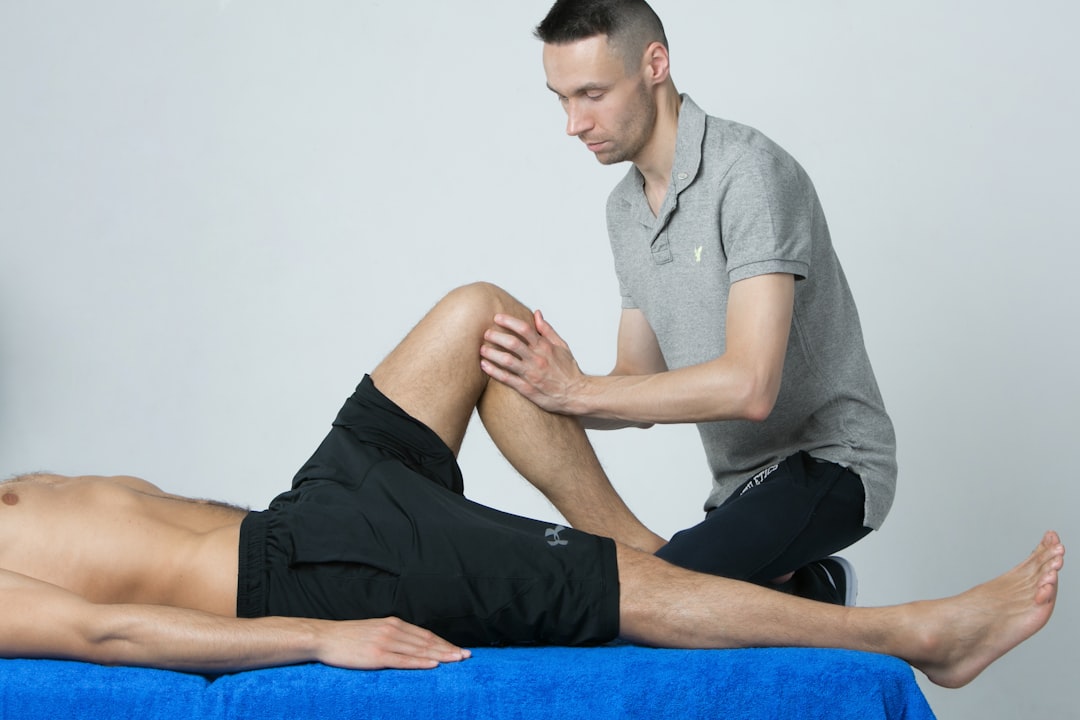
A 2026 meta analysis confirms the efficacy of myofascial release for chronic low back pain and myofascial pain syndrome. Other studies show improvements in short term range of motion, reduction in perceived stiffness after exercise, and faster performance recovery after intense effort.
It is important to be clear: myofascial release is not a miracle cure, it does not build muscle, and it does not replace active stretching and dynamic movement. But it is a useful tool for recovery, flexibility, and reducing muscular discomfort, especially when part of an integrated program.
Athletes who train with high intensity or frequency find benefit in using foam rollers as part of recovery. People who sit for long hours at work may feel improvement in movement and comfort. Older adults with stiffness and chronic pain may get noticeable benefit from manual or self myofascial release.
Even beginners can benefit, especially if they suffer from tightness that limits proper performance of basic exercises. The goal is not to spend 30 minutes daily on the foam roller, but to use it intelligently on the areas that really need it.
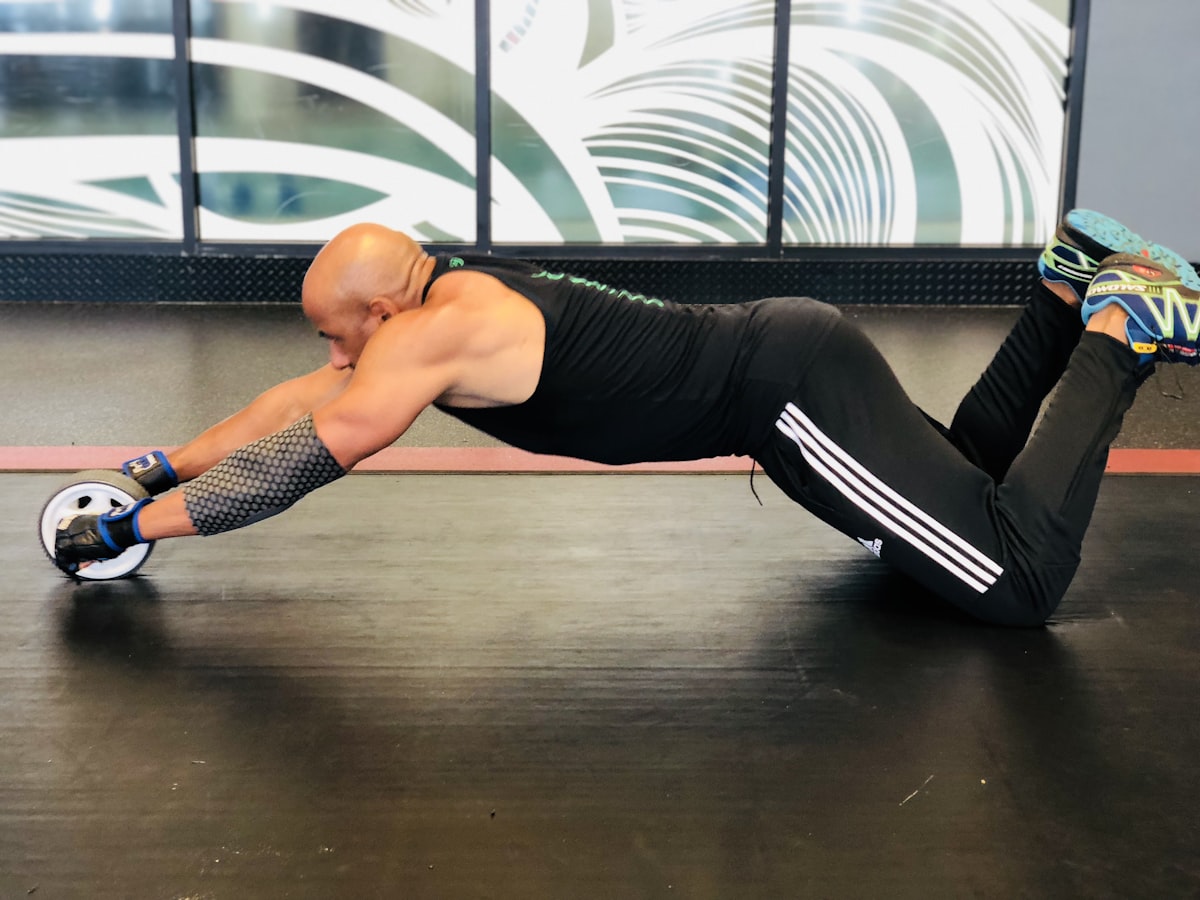
Use the foam roller on muscles, not directly on joints or bones. Move slowly, and spend 20 to 60 seconds on each area. If you find a tender spot, pause on it for 10 to 20 seconds without movement, and let the tissue gradually relax.
Do not torture yourself. The pressure should be enough to feel the effect, but not to the point of sharp pain or holding your breath. Breathing should stay deep and steady. If you are in severe pain and tensing your muscles, you are pressing too hard.
The best time is after a dynamic warm up or after training. Right before training, you can use it quickly on areas with limited movement. But do not spend 20 minutes on the foam roller and then expect your energy to be at peak for the workout. Use it intelligently, not excessively.
Using the foam roller directly on the lower back. This may cause excessive pressure on the spine. Instead, use it on the glutes, hamstrings, and latissimus dorsi, which are usually the source of tightness.
Moving too fast. Myofascial release requires sustained pressure to give the tissue time to respond. If you move quickly, you lose the benefit. Using the foam roller as a replacement for active stretching or dynamic movement. It is a complementary tool, not a replacement.
Relying on the foam roller to solve chronic pain without addressing the root cause. If the pain is persistent or severe, consult a physical therapist or specialist. The foam roller is a maintenance tool, not a diagnosis or medical treatment.
Fascia training and myofascial release are useful tools for flexibility, recovery, and pain reduction, supported by reasonable scientific evidence. But they are not magic solutions. The foam roller does not build muscle, does not replace sleep and good nutrition, and does not cure severe pain or real injuries.
Use it intelligently: 5 to 10 minutes after warm up or after training, on tight or movement limited areas. If it helps you move better and feel better, it is worth it. If it consumes a lot of time without clear benefit, you may be overdoing it. Like all recovery tools, the goal is to support training, not replace it.
Coach Huss designs science based training programs with intelligent recovery strategies to achieve your goals without injuries or burnout.
Book a Free Consultation%20scale(0.92)'%3e%3cpath%20d='M%2046%2010%20A%2040%2040%200%200%200%2046%2090%20L%2046%2078%20A%209.5%209.5%200%200%201%2030.2%2069.8%20A%2011%2011%200%200%201%2022%2050%20A%2011%2011%200%200%201%2030.2%2030.2%20A%209.5%209.5%200%200%201%2046%2022%20Z'%20fill='%23e85d1f'/%3e%3cg%20fill='none'%20stroke='%23e85d1f'%20stroke-linecap='butt'%3e%3cpath%20d='M%2046%2038%20A%2012%2012%200%200%200%2046%2062'%20stroke-width='10'/%3e%3cpath%20d='M%2046%2050%20H%2056'%20stroke-width='10'/%3e%3c/g%3e%3cg%20fill='%23e85d1f'%3e%3crect%20x='56'%20y='16'%20width='12'%20height='68'/%3e%3crect%20x='74'%20y='28'%20width='10'%20height='44'/%3e%3crect%20x='90'%20y='40'%20width='8'%20height='20'/%3e%3c/g%3e%3c/g%3e%3cg%20fill='%23f7f4ef'%3e%3cpath%20d='M259.64,507.88h14.26v26.01h23.73v-26.01h14.26v64.25h-14.26v-26.01h-23.73v26.01h-14.26v-64.25Z'/%3e%3cpath%20d='M321.6,507.88h14.27v46.33c0,3.14,2.55,5.68,5.69,5.69h12.35c3.14,0,5.68-2.55,5.69-5.69v-46.33h14.27v47.41c-.03,9.29-7.55,16.81-16.84,16.84h-18.59c-9.29-.03-16.81-7.55-16.84-16.84v-47.41Z'/%3e%3cpath%20d='M399.04,507.88h42.49v12.23h-41.77c-2.08,0-3.77,1.69-3.77,3.77v6.08l27.82,6.38c5.98,1.32,10.22,6.65,10.18,12.78v5.7c-.03,9.55-7.76,17.29-17.32,17.32h-34.95v-12.23h34.23c2.08,0,3.77-1.69,3.77-3.77v-6.09l-27.77-6.37c-5.98-1.33-10.22-6.65-10.18-12.78v-.78c-.03-.44-.05-.87-.05-1.32v-3.6c.03-9.55,7.76-17.29,17.32-17.32Z'/%3e%3cpath%20d='M489.97,507.88v12.23h-19v52.02h-14.26v-52.02h-19v-12.23h52.26Z'/%3e%3cpath%20d='M521.03,572.13h-8.81c-9.55-.03-17.29-7.76-17.32-17.32v-46.93h14.26v48.25c0,2.08,1.69,3.77,3.77,3.77h34.23v12.23h-26.13Z'/%3e%3cpath%20d='M551.62,525.19c.03-9.55,7.76-17.29,17.32-17.32h34.95v12.23h-34.23c-2.08,0-3.77,1.69-3.77,3.77v32.25c0,2.08,1.69,3.77,3.77,3.77h34.23v12.23h-34.95c-9.55-.03-17.29-7.76-17.32-17.32v-29.61h0ZM593.83,533.89v12.23h-30.86v-12.23h30.86Z'/%3e%3c/g%3e%3cg%20fill='%23e85d1f'%3e%3cpath%20d='M608.34,507.88h17.23l20.77,42.48v-42.48h14.27v64.25h-17.23l-20.77-42.48v42.48h-14.26v-64.25Z'/%3e%3cpath%20d='M709.53,513.95l20.87,58.17h-15.16l-17.1-47.66-17.1,47.66h-15.15l20.87-58.17c1.27-3.67,4.75-6.12,8.63-6.08h5.5c3.89-.04,7.36,2.41,8.64,6.08Z'/%3e%3cpath%20d='M775.25,507.88v12.23h-19v52.02h-14.26v-52.02h-19v-12.23h52.26Z'/%3e%3cpath%20d='M780.72,572.13v-64.25h14.26v64.25h-14.26Z'/%3e%3cpath%20d='M856.39,525.19v29.61c-.03,9.55-7.76,17.29-17.32,17.32h-17.63c-9.55-.03-17.29-7.76-17.32-17.32v-29.61c.03-9.55,7.76-17.29,17.32-17.32h17.63c9.55.03,17.29,7.76,17.32,17.32ZM838.36,559.9c2.08,0,3.77-1.69,3.77-3.77v-32.25c0-2.08-1.69-3.77-3.77-3.77h-16.19c-2.08,0-3.77,1.69-3.77,3.77v32.25c0,2.08,1.69,3.77,3.77,3.77h16.19Z'/%3e%3cpath%20d='M865.54,507.88h17.23l20.77,42.48v-42.48h14.27v64.25h-17.23l-20.77-42.48v42.48h-14.26v-64.25Z'/%3e%3c/g%3e%3cpolygon%20fill='%23f7f4ef'%20points='703.28%20559.9%20707.67%20572.13%20688.63%20572.13%20693.01%20559.9%20703.28%20559.9'/%3e%3c/svg%3e)