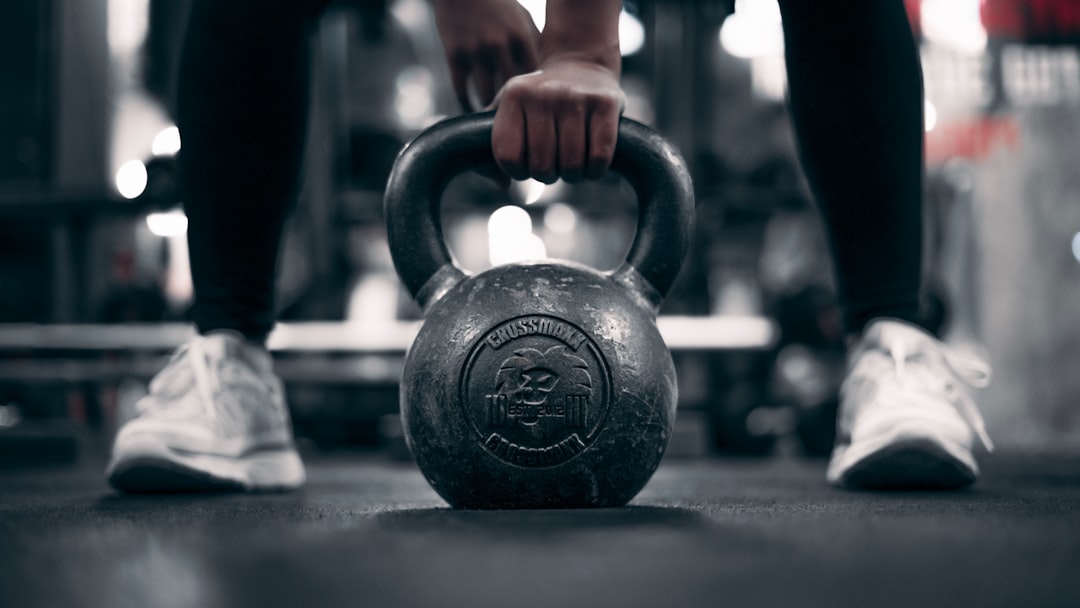
A science backed guide to functional fitness, evidence based benefits, how to program it correctly, and who benefits most
Functional fitness training has become one of the most used terms in gyms, but its real meaning has become unclear. Some think any exercise without a machine is functional. Others think functional training means only single leg balance work. The truth is simpler: functional fitness training means training integrated multi joint, multi planar movements that use many muscles together, exactly how the body works in real life.
If you want real strength that transfers to daily life, your sport, or your work, functional fitness gives you more than the shoulder machine or leg press. But that does not mean every functional exercise is useful, or that machines are bad. The right understanding makes your training stronger.
Functional fitness training means training integrated movement patterns that use several joints, several muscles, and stability at the same time. Example: the squat moves the hip, knee, and ankle together, and engages the core to hold spinal position. The deadlift integrates hip, knee, and back. The overhead press needs shoulder strength, core, and balance.
These movements are functional because they match how you move in real life: lifting a box from the ground, carrying a bag overhead, climbing stairs, pushing a cart, playing with your kids. Most daily life needs integrated movement, not one muscle working alone.
In contrast, the leg extension machine moves only the knee joint, and isolates the quadriceps. The chest press machine moves only the shoulder and elbow in a fixed path. These exercises have their place in muscle building, injury work, or strengthening a specific weak point, but they do not train the body to work as one unit.
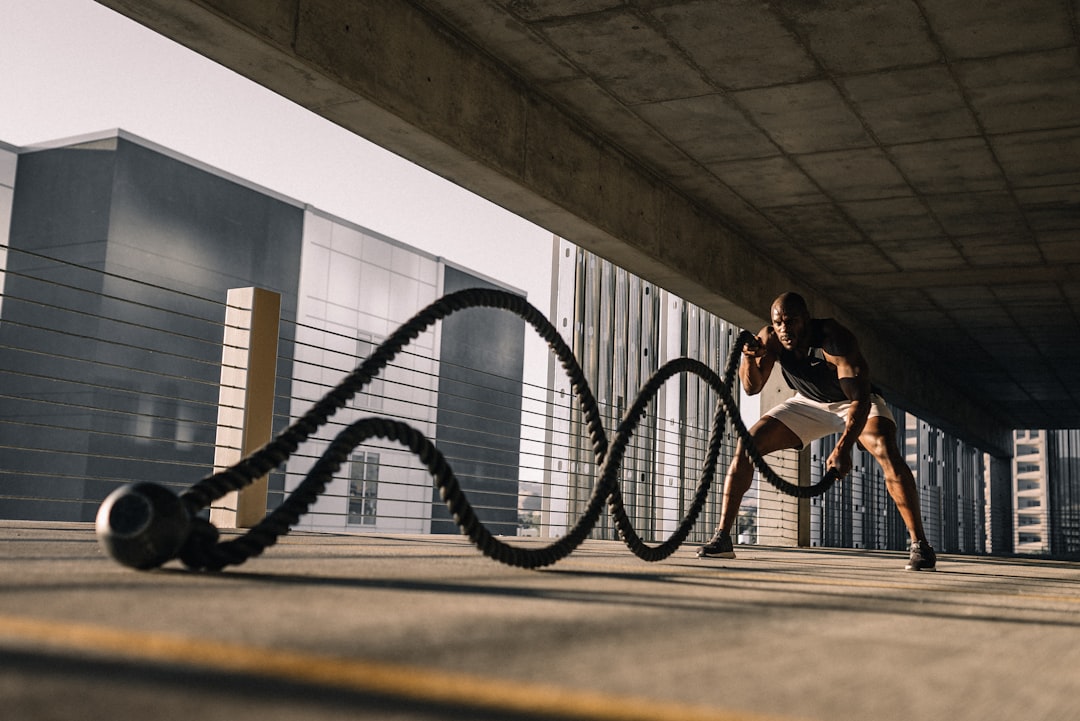
Research supports functional fitness training for several reasons. A study published in the Journal of Strength and Conditioning Research compared a functional training program with traditional machine training for 12 weeks. Result: the functional group achieved greater improvements in balance tests, speed, functional strength, and fall risk, even with similar muscle mass.
A scientific review in Sports Medicine analyzed 18 studies on functional training and found that multi joint movements burn significantly more calories per session compared to isolated machine exercises, because of greater muscle mass use and higher energy demands. This makes functional fitness training a good choice for fat loss with strength building.
Another study in the European Journal of Applied Physiology examined muscle activation during squats versus leg extension machine. The squat activated quads, glutes, core muscles, and stabilizers around the hip and ankle. The leg extension activated only the quads. Both can build muscle, but the squat builds strength that transfers to other movements.
Studies also show that functional fitness training reduces injury risk in daily life and sports, because it trains the body to absorb force, control movement in unpredictable positions, and coordinate muscles together. This is real functional strength.
- Beginners: building correct movement patterns from the start protects you from injury and gives you a strong foundation for all future training.
- People who sit all day: if you work at a desk, functional fitness training re-teaches your body how to move correctly, fixes shoulder and hip position, and reverses the effects of long sitting.
- Older adults: balance, coordination, and functional strength protect from falls and maintain independence in daily life.
- Athletes: most sports need integrated movement, not one muscle working alone. Functional fitness training improves sport performance.
- Busy people: if your time is limited, functional fitness training gives you strength, calorie burn, and fitness improvement in the same workout, without needing ten separate machines.
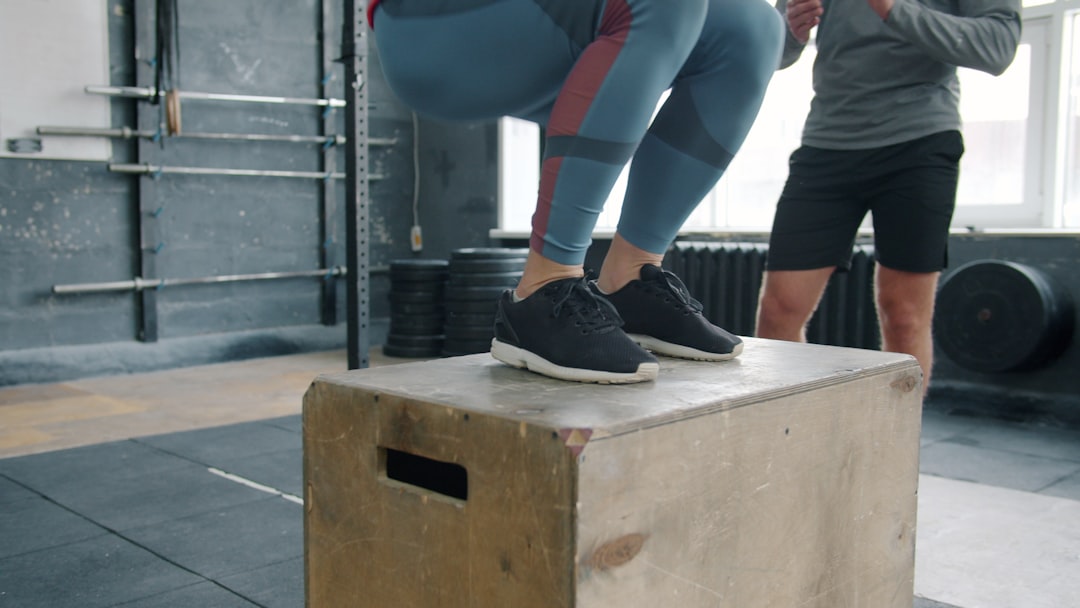
Functional fitness training does not mean leaving the barbell and doing strange exercises on a balance ball. It means building a program around fundamental movements.
1. Seven fundamental movements: every good functional program includes: squat (kneel), hinge (hip), push (horizontal and vertical), pull (horizontal and vertical), carry (carry heavy weight), rotation (rotational movement), locomotion (moving under load). Example: squat, deadlift, bench press, row, overhead press, carry, lunge.
2. Progress from simple to complex: start with an easy version of the movement and master it, then move to the harder version. Example: goblet squat before back squat. Partial range deadlift before full deadlift. Push up before bench press. This progression protects from injury and builds a correct foundation.
3. Progressive loading: like any strength training, functional fitness training needs progressive overload. Increase weight, reps, or movement difficulty over time. Functional fitness training does not mean light weights forever. Real strength needs real resistance.
4. Balance between push and pull: for every pushing exercise, do a pulling exercise. This maintains shoulder and back balance, and prevents posture injuries. Example: bench press with row. Overhead press with pull down.
5. Core in everything: the core is not just abs. The core is all the muscles that stabilize the spine and pelvis during movement: abs, lower back, glutes, hip muscles. Most functional movements train the core, but you can add direct core work like plank, Pallof press, dead bug.
Yes. If you use heavy weights, train close to failure, and increase load over time, functional fitness training builds excellent muscle. Heavy squats build quads and glutes. Deadlifts build back and legs. Bench press builds chest and shoulders. The difference is you also build functional strength, balance, and coordination, instead of size only.
But if your only goal is maximum possible muscle size, you may need to add some isolation work for small or lagging muscles. Example: if biceps are small, add direct curls. If lateral delts are weak, add lateral raises. Functional fitness training and isolation are not opposites. You can combine both.
1. Overcomplicating: the most complex functional exercise is not always the best. Single leg squat on a balance ball with overhead dumbbell raise may look impressive, but it is too hard for correct control, and injury risk exceeds benefit. Start with fundamentals, then increase complexity only when there is a clear reason.
2. Neglecting intensity: functional fitness training does not mean light weights forever. If you do not challenge your muscles, you will not get stronger. Use weights heavy enough to make the last two or three reps hard.
3. Ignoring technique: badly executed integrated movement is worse than well executed machine work. Learn correct form first, then increase load. If you are not sure, work with a coach who knows functional fitness training.
4. Leaving fundamentals: some people think functional fitness training means leaving squats and deadlifts and doing strange exercises. This is wrong. Squats, deadlifts, bench press, rows, and overhead press are the most effective functional exercises. If your program does not include these movements, you are missing a lot.
Functional fitness training is not a trend. It is a research backed training method that builds real strength, strength that transfers to daily life, sports, and work. If you are a beginner, functional fitness training gives you the best foundation. If you are advanced, you can combine functional movements with isolation to build size and strength together.
The basic rule: if the exercise moves several joints, uses many muscles together, and resembles a real movement, it is probably a good functional exercise. If it isolates one muscle in a fixed path, it has a place in your program, but it does not build functional strength.
Build your program around fundamental movements, use heavy weights, load progressively, and master technique. This is functional fitness training that works.
If you want a science backed functional fitness program built for you, that fits your schedule and level, book a consultation with Coach Huss.
Book Consultation%20scale(0.92)'%3e%3cpath%20d='M%2046%2010%20A%2040%2040%200%200%200%2046%2090%20L%2046%2078%20A%209.5%209.5%200%200%201%2030.2%2069.8%20A%2011%2011%200%200%201%2022%2050%20A%2011%2011%200%200%201%2030.2%2030.2%20A%209.5%209.5%200%200%201%2046%2022%20Z'%20fill='%23e85d1f'/%3e%3cg%20fill='none'%20stroke='%23e85d1f'%20stroke-linecap='butt'%3e%3cpath%20d='M%2046%2038%20A%2012%2012%200%200%200%2046%2062'%20stroke-width='10'/%3e%3cpath%20d='M%2046%2050%20H%2056'%20stroke-width='10'/%3e%3c/g%3e%3cg%20fill='%23e85d1f'%3e%3crect%20x='56'%20y='16'%20width='12'%20height='68'/%3e%3crect%20x='74'%20y='28'%20width='10'%20height='44'/%3e%3crect%20x='90'%20y='40'%20width='8'%20height='20'/%3e%3c/g%3e%3c/g%3e%3cg%20fill='%23f7f4ef'%3e%3cpath%20d='M259.64,507.88h14.26v26.01h23.73v-26.01h14.26v64.25h-14.26v-26.01h-23.73v26.01h-14.26v-64.25Z'/%3e%3cpath%20d='M321.6,507.88h14.27v46.33c0,3.14,2.55,5.68,5.69,5.69h12.35c3.14,0,5.68-2.55,5.69-5.69v-46.33h14.27v47.41c-.03,9.29-7.55,16.81-16.84,16.84h-18.59c-9.29-.03-16.81-7.55-16.84-16.84v-47.41Z'/%3e%3cpath%20d='M399.04,507.88h42.49v12.23h-41.77c-2.08,0-3.77,1.69-3.77,3.77v6.08l27.82,6.38c5.98,1.32,10.22,6.65,10.18,12.78v5.7c-.03,9.55-7.76,17.29-17.32,17.32h-34.95v-12.23h34.23c2.08,0,3.77-1.69,3.77-3.77v-6.09l-27.77-6.37c-5.98-1.33-10.22-6.65-10.18-12.78v-.78c-.03-.44-.05-.87-.05-1.32v-3.6c.03-9.55,7.76-17.29,17.32-17.32Z'/%3e%3cpath%20d='M489.97,507.88v12.23h-19v52.02h-14.26v-52.02h-19v-12.23h52.26Z'/%3e%3cpath%20d='M521.03,572.13h-8.81c-9.55-.03-17.29-7.76-17.32-17.32v-46.93h14.26v48.25c0,2.08,1.69,3.77,3.77,3.77h34.23v12.23h-26.13Z'/%3e%3cpath%20d='M551.62,525.19c.03-9.55,7.76-17.29,17.32-17.32h34.95v12.23h-34.23c-2.08,0-3.77,1.69-3.77,3.77v32.25c0,2.08,1.69,3.77,3.77,3.77h34.23v12.23h-34.95c-9.55-.03-17.29-7.76-17.32-17.32v-29.61h0ZM593.83,533.89v12.23h-30.86v-12.23h30.86Z'/%3e%3c/g%3e%3cg%20fill='%23e85d1f'%3e%3cpath%20d='M608.34,507.88h17.23l20.77,42.48v-42.48h14.27v64.25h-17.23l-20.77-42.48v42.48h-14.26v-64.25Z'/%3e%3cpath%20d='M709.53,513.95l20.87,58.17h-15.16l-17.1-47.66-17.1,47.66h-15.15l20.87-58.17c1.27-3.67,4.75-6.12,8.63-6.08h5.5c3.89-.04,7.36,2.41,8.64,6.08Z'/%3e%3cpath%20d='M775.25,507.88v12.23h-19v52.02h-14.26v-52.02h-19v-12.23h52.26Z'/%3e%3cpath%20d='M780.72,572.13v-64.25h14.26v64.25h-14.26Z'/%3e%3cpath%20d='M856.39,525.19v29.61c-.03,9.55-7.76,17.29-17.32,17.32h-17.63c-9.55-.03-17.29-7.76-17.32-17.32v-29.61c.03-9.55,7.76-17.29,17.32-17.32h17.63c9.55.03,17.29,7.76,17.32,17.32ZM838.36,559.9c2.08,0,3.77-1.69,3.77-3.77v-32.25c0-2.08-1.69-3.77-3.77-3.77h-16.19c-2.08,0-3.77,1.69-3.77,3.77v32.25c0,2.08,1.69,3.77,3.77,3.77h16.19Z'/%3e%3cpath%20d='M865.54,507.88h17.23l20.77,42.48v-42.48h14.27v64.25h-17.23l-20.77-42.48v42.48h-14.26v-64.25Z'/%3e%3c/g%3e%3cpolygon%20fill='%23f7f4ef'%20points='703.28%20559.9%20707.67%20572.13%20688.63%20572.13%20693.01%20559.9%20703.28%20559.9'/%3e%3c/svg%3e)