New 2026 research, how to measure, what counts as strong, and how to build a powerful grip for health and performance
Grip strength may be the single most powerful indicator of longevity and whole body health. Research consistently shows that a strong grip is linked with longer life, lower risk of chronic disease, and functional independence as you age. A simple five second hand grip test can predict more about your health than blood pressure.
But most people do not think about grip strength until it fails during pull ups or deadlifts. New 2026 studies confirm that grip strength is not just for athletes, it is a vital sign of your overall health and lifespan. Here we explain the evidence, how to measure your strength, what counts as strong, and the best ways to improve your grip for performance and health.
A new study from University at Buffalo published in February 2026 in JAMA Network Open tracked more than 5000 women between ages 63 and 99, and found that women with higher grip strength had significantly lower death risk over eight years of follow up. Every additional 7 kilograms of grip strength was associated with an average 12 percent reduction in death risk.
This confirms the landmark 2015 Lancet study that tracked 140,000 adults across 17 countries over four years, and found that each 5 kilogram decrease in grip strength increased all cause mortality risk by 17 percent. The study also found that grip strength outperformed systolic blood pressure as a mortality predictor.
A meta analysis of 42 studies found that individuals with low grip strength had a 67 percent higher risk of early death from all causes compared to those with high grip strength.
Grip strength does not matter because strong fingers protect you from death. Grip is an indicator of how robust your whole body is, from muscle and nerve function to the health of your heart and veins and how your body uses energy.
Grip strength reflects skeletal muscle mass, which correlates with metabolic health. Strong muscles regulate blood glucose, maintain bone density, and produce myokines that reduce chronic inflammation. People with weak grip typically have low overall muscle mass, and this increases the risk of insulin resistance, frailty, falls, and chronic diseases.
Grip strength also reflects the health of the nervous system. Grip requires intact nerve signals from the brain to the spinal cord to the nerves in the hand and forearm. Weak grip can be an early sign of declining nerve or muscle function.
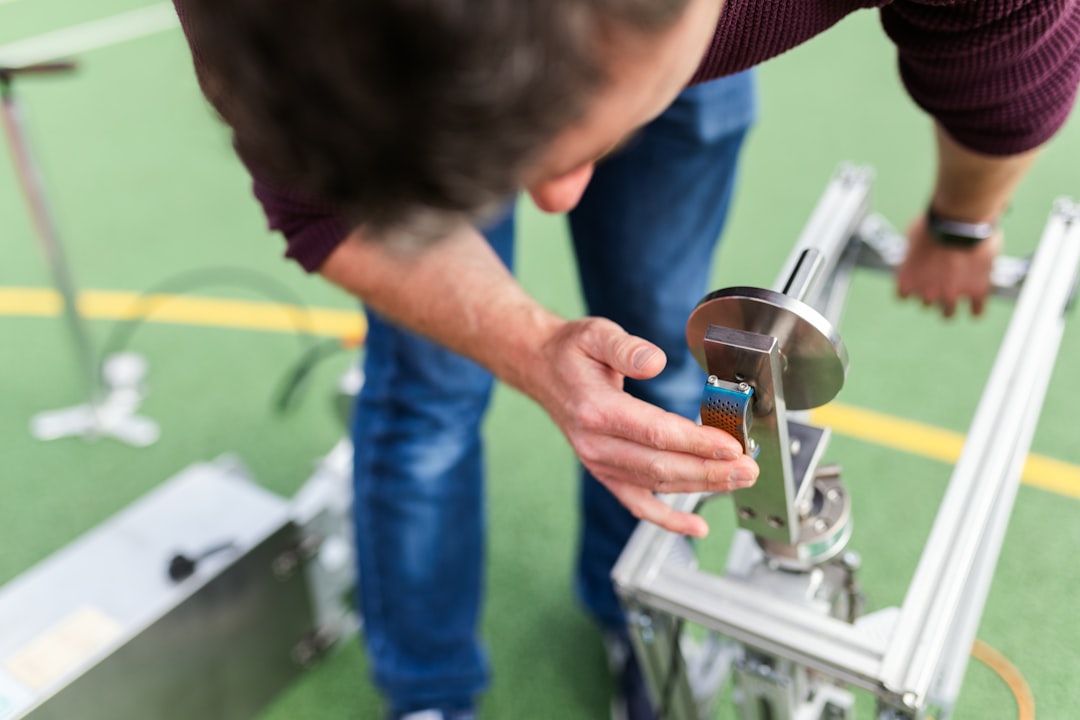
The most accurate way is using a calibrated handheld dynamometer such as the Jamar or a validated digital device. There are several types, hydraulic like the Jamar which is considered the gold standard in clinical research, pneumatic squeeze bulb, and digital electronic.
The correct method: sit upright with feet flat on the floor, shoulder relaxed at your side, elbow at 90 degrees, forearm neutral, wrist straight or slightly extended. Perform three maximal squeezes per hand for 2 to 3 seconds, alternating sides, with 30 to 60 seconds rest between attempts. Take the highest number as your final measurement.
Population reference standards show that average grip strength for men aged 20 to 29 ranges from 40 to 56 kilograms on the dominant hand, declining to 22 to 35 kilograms at age 80 and above. For women, the average ranges from 25 to 36 kilograms at age 20 to 29 down to 13 to 21 kilograms at 80 and above.
For men aged 20 to 39, an above average grip strength is 54 to 62 kilograms. For women the same age, 34 to 40 kilograms. The clinical cutoff for low grip strength used in clinics: less than 27 kilograms for men, less than 16 kilograms for women, consistent with the updated European consensus on sarcopenia.
If your grip strength is below average for your age and gender, this does not mean you are in immediate danger. But it does mean that improving grip strength and overall muscle mass should be a priority for long term health.
The good news is that grip strength is trainable at any age. Direct grip exercises plus heavy compound lifts improve grip strength and muscle mass together.
Dead hangs are the best single exercise for grip strength and shoulder health. Hang from a bar with relaxed shoulders and straight arms, and hold the position as long as possible. Start with 10 to 15 seconds and gradually increase to 30 to 60 seconds. Perform 3 to 4 sets two to three times weekly.
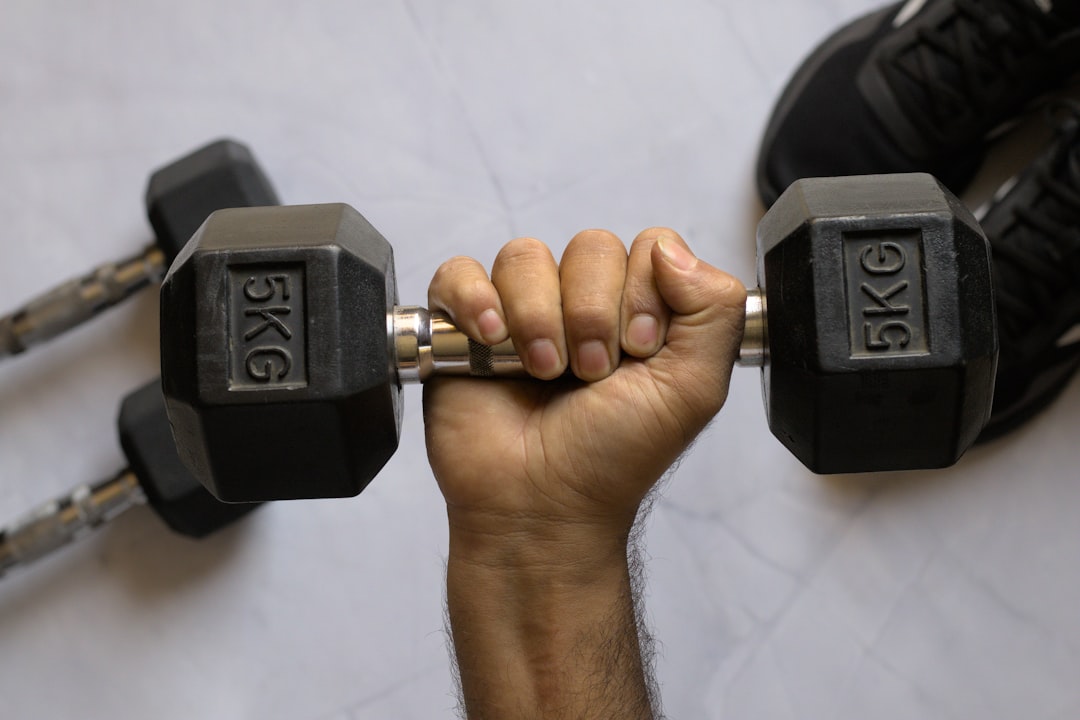
Hold a heavy weight in each hand and walk 20 to 40 meters. Maintain an upright posture, shoulders back and down, and stable steps. This exercise builds grip strength, core, posture, and functional strength together. Use a weight that allows you to walk 30 to 60 seconds without dropping the weights. Perform 3 to 4 sets twice weekly.
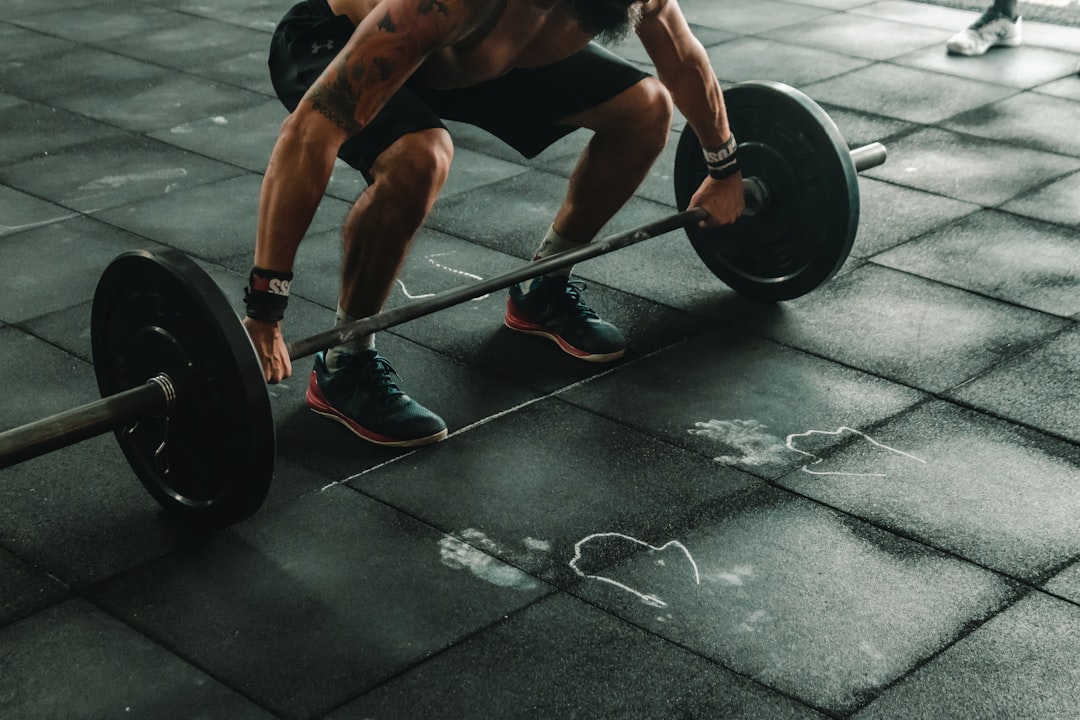
Heavy deadlifts and rows without straps force your grip to work under significant load, building strength and muscle mass together. Reserve wrist straps only for the very heaviest sets or when grip is the limiting factor. Otherwise, let your grip work.
Adjustable hand grippers allow progressive training. Choose a resistance level that allows 8 to 12 reps with full effort. Perform 3 to 4 sets per hand, two to three times weekly. Increase resistance when 12 reps become easy.
Hang a towel over a bar and perform pull ups by gripping the towel instead of the bar. This significantly increases grip difficulty and builds functional strength. Start with regular pull ups first, then progress to towel pull ups as you get stronger.
Everyone benefits from stronger grip, but some groups need it more than others.
People over 40: grip strength naturally declines with age, so improving it in midlife and beyond reduces the risk of frailty, falls, and chronic disease. People with weak pull ups or deadlifts: if your grip is the limiting factor in back exercises, direct grip training unlocks your ability to lift heavier and build more muscle. People who sit a lot: desk work and low movement are linked with low muscle mass and weak grip. Grip and resistance training improve your metabolic and functional health.
Using straps always: straps are useful for the heaviest sets, but using them in every set prevents your grip from improving. Let your grip work in most sets. Ignoring direct training: deadlifts and rows build grip, but adding dead hangs and farmer carries twice weekly accelerates progress. Not measuring: measure your grip strength once every two to three months to make sure you are improving. Stopping too early: improving grip takes 3 to 6 weeks of regular training. Be patient and consistent.
Grip strength is one of the simplest and most powerful measures of overall health. I work with clients in Dubai of all ages, and the people with strong grip perform better in everything, from carrying bags to gym exercises to maintaining independence as they age.
You do not need a complicated program. Add dead hangs at the end of back workouts, use farmer carries once weekly, and stop using straps in most sets. In three months, your grip and overall strength will be at a different level, and you will have invested in your long term health.
Grip strength is one of the most powerful indicators of longevity and overall health. New 2026 research confirms that strong grip is linked with lower risk of death, chronic disease, and functional independence as you age. Strong grip reflects healthy skeletal muscle mass, good metabolic function, and intact nervous system health.
Improving grip strength is simple: add dead hangs and farmer carries two to three times weekly, perform heavy deadlifts and rows without straps, and use hand grippers for progressive training. Measure your strength every two to three months to ensure progress. In 3 to 6 weeks, you will notice clear improvement in your grip and performance, and you will have invested in your long term health.
Coach Huss designs custom strength and fitness programs for your goals and lifestyle in Dubai. Book a free consultation.
Book Consultation%20scale(0.92)'%3e%3cpath%20d='M%2046%2010%20A%2040%2040%200%200%200%2046%2090%20L%2046%2078%20A%209.5%209.5%200%200%201%2030.2%2069.8%20A%2011%2011%200%200%201%2022%2050%20A%2011%2011%200%200%201%2030.2%2030.2%20A%209.5%209.5%200%200%201%2046%2022%20Z'%20fill='%23e85d1f'/%3e%3cg%20fill='none'%20stroke='%23e85d1f'%20stroke-linecap='butt'%3e%3cpath%20d='M%2046%2038%20A%2012%2012%200%200%200%2046%2062'%20stroke-width='10'/%3e%3cpath%20d='M%2046%2050%20H%2056'%20stroke-width='10'/%3e%3c/g%3e%3cg%20fill='%23e85d1f'%3e%3crect%20x='56'%20y='16'%20width='12'%20height='68'/%3e%3crect%20x='74'%20y='28'%20width='10'%20height='44'/%3e%3crect%20x='90'%20y='40'%20width='8'%20height='20'/%3e%3c/g%3e%3c/g%3e%3cg%20fill='%23f7f4ef'%3e%3cpath%20d='M259.64,507.88h14.26v26.01h23.73v-26.01h14.26v64.25h-14.26v-26.01h-23.73v26.01h-14.26v-64.25Z'/%3e%3cpath%20d='M321.6,507.88h14.27v46.33c0,3.14,2.55,5.68,5.69,5.69h12.35c3.14,0,5.68-2.55,5.69-5.69v-46.33h14.27v47.41c-.03,9.29-7.55,16.81-16.84,16.84h-18.59c-9.29-.03-16.81-7.55-16.84-16.84v-47.41Z'/%3e%3cpath%20d='M399.04,507.88h42.49v12.23h-41.77c-2.08,0-3.77,1.69-3.77,3.77v6.08l27.82,6.38c5.98,1.32,10.22,6.65,10.18,12.78v5.7c-.03,9.55-7.76,17.29-17.32,17.32h-34.95v-12.23h34.23c2.08,0,3.77-1.69,3.77-3.77v-6.09l-27.77-6.37c-5.98-1.33-10.22-6.65-10.18-12.78v-.78c-.03-.44-.05-.87-.05-1.32v-3.6c.03-9.55,7.76-17.29,17.32-17.32Z'/%3e%3cpath%20d='M489.97,507.88v12.23h-19v52.02h-14.26v-52.02h-19v-12.23h52.26Z'/%3e%3cpath%20d='M521.03,572.13h-8.81c-9.55-.03-17.29-7.76-17.32-17.32v-46.93h14.26v48.25c0,2.08,1.69,3.77,3.77,3.77h34.23v12.23h-26.13Z'/%3e%3cpath%20d='M551.62,525.19c.03-9.55,7.76-17.29,17.32-17.32h34.95v12.23h-34.23c-2.08,0-3.77,1.69-3.77,3.77v32.25c0,2.08,1.69,3.77,3.77,3.77h34.23v12.23h-34.95c-9.55-.03-17.29-7.76-17.32-17.32v-29.61h0ZM593.83,533.89v12.23h-30.86v-12.23h30.86Z'/%3e%3c/g%3e%3cg%20fill='%23e85d1f'%3e%3cpath%20d='M608.34,507.88h17.23l20.77,42.48v-42.48h14.27v64.25h-17.23l-20.77-42.48v42.48h-14.26v-64.25Z'/%3e%3cpath%20d='M709.53,513.95l20.87,58.17h-15.16l-17.1-47.66-17.1,47.66h-15.15l20.87-58.17c1.27-3.67,4.75-6.12,8.63-6.08h5.5c3.89-.04,7.36,2.41,8.64,6.08Z'/%3e%3cpath%20d='M775.25,507.88v12.23h-19v52.02h-14.26v-52.02h-19v-12.23h52.26Z'/%3e%3cpath%20d='M780.72,572.13v-64.25h14.26v64.25h-14.26Z'/%3e%3cpath%20d='M856.39,525.19v29.61c-.03,9.55-7.76,17.29-17.32,17.32h-17.63c-9.55-.03-17.29-7.76-17.32-17.32v-29.61c.03-9.55,7.76-17.29,17.32-17.32h17.63c9.55.03,17.29,7.76,17.32,17.32ZM838.36,559.9c2.08,0,3.77-1.69,3.77-3.77v-32.25c0-2.08-1.69-3.77-3.77-3.77h-16.19c-2.08,0-3.77,1.69-3.77,3.77v32.25c0,2.08,1.69,3.77,3.77,3.77h16.19Z'/%3e%3cpath%20d='M865.54,507.88h17.23l20.77,42.48v-42.48h14.27v64.25h-17.23l-20.77-42.48v42.48h-14.26v-64.25Z'/%3e%3c/g%3e%3cpolygon%20fill='%23f7f4ef'%20points='703.28%20559.9%20707.67%20572.13%20688.63%20572.13%20693.01%20559.9%20703.28%20559.9'/%3e%3c/svg%3e)