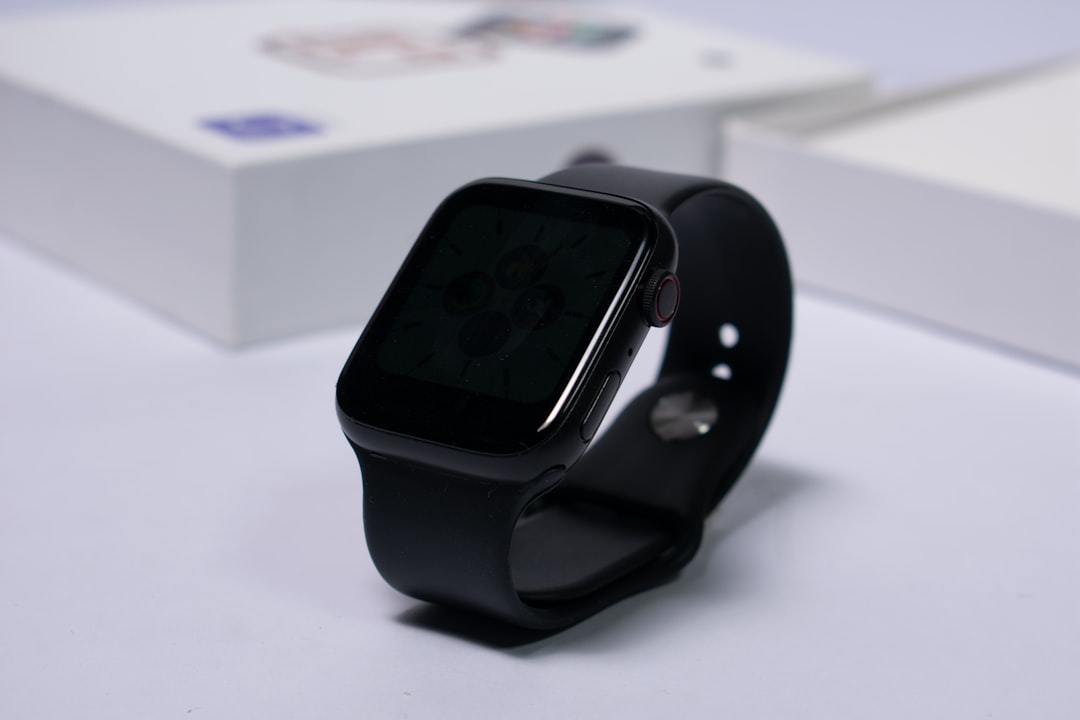
How to use the five heart rate zones to improve fitness, burn fat, and optimize performance based on research
Most people who use smartwatches and wearable devices see heart rate data during training, but few of them know what the number means or how to use it to improve results. Wearable technology in 2026 is the number one global fitness trend according to ACSM, because it makes data easily accessible. But data without understanding is just numbers.
Training based on heart rate zones helps you target specific goals: building aerobic base, burning fat efficiently, improving endurance capacity, or increasing power and speed. This is a practical guide to how to use the five zones based on research.
Heart rate zones are ranges of training intensity defined as a percentage of maximum heart rate. Each zone targets a different energy system, produces different physiological adaptations, and is used for different training goals. The most common model divides intensity into five zones from very light Zone 1 to maximum Zone 5.
The basic idea: at lower intensities, your body relies primarily on oxygen and fat for energy. At higher intensities, your body relies increasingly on glucose and lactate, and can sustain the effort for a shorter time. Each zone has its place in a balanced training program.
The simplest and most used method is the equation 220 minus age. For example, if your age is 30 years, the estimated maximum is 190 beats per minute. This equation gives a reasonable estimate for most people, but it is not accurate for everyone. Some people have a true maximum higher or lower by 10 to 15 beats.
The Karvonen formula is more accurate because it takes into account resting heart rate. The method: calculate heart rate reserve by subtracting resting rate from maximum, then multiply the target percentage and add resting rate back. This method gives more personalized ranges and is usually used by professional trainers.
Most smartwatches and wearable devices calculate zones automatically based on your age and resting rate, so you do not need manual calculation. But understanding the method helps you know if the zones assigned to you make sense or need adjustment.

Zone 1: Very Light Recovery (50 to 60 Percent of Maximum)
This is the intensity of easy walking or light cycling. You can maintain a conversation easily. The goal here is not hard training, but moving blood, promoting active recovery, and warming up before hard sessions. Research shows that active recovery in Zone 1 reduces muscle soreness and improves lactate clearance compared to complete rest.
Zone 2: Aerobic Base Building (60 to 70 Percent of Maximum)
This is the zone we talked about in a previous article on Zone 2 training. The intensity is moderate, you can maintain long sentences but not a long conversation without pause. Your body relies heavily on fat as an energy source, and improves metabolic efficiency, mitochondrial density, and the ability of the heart to pump blood. Studies show that most professional athletes in aerobic sports spend 70 to 80 percent of total training time in Zone 2 or lower.
Zone 3: Moderate Intensity or the Grey Zone (70 to 80 Percent of Maximum)
This is the zone where most people fall by default: the intensity where you feel you are training seriously, but not extremely hard. The problem: this zone is hard enough to cause significant fatigue, but not hard enough to achieve the best adaptations in power or speed. Many coaches call it the grey zone and recommend reducing time in it, focusing instead on Zone 2 for aerobic base and Zone 4 or 5 for high intensity work.
Zone 4: Lactate Threshold (80 to 90 Percent of Maximum)
This is the lactate threshold intensity, the point where lactate accumulates in your blood faster than it can be cleared. You can maintain this intensity for around 20 to 60 minutes depending on your level. Breathing is hard, you can say only a few words. Training in Zone 4 improves lactate threshold, the ability of the body to clear lactate, and endurance capacity in races or long high intensity sessions. Research shows that improvements in lactate threshold are strongly correlated with performance in races from 10 kilometers to half marathon.
Zone 5: Maximum Effort (90 to 100 Percent of Maximum)
This is the intensity of sprints, high intensity interval training, or short all out repetitions. You can maintain it for only 30 seconds to a few minutes before you must stop. Breathing is labored, you cannot talk. Training in Zone 5 improves VO2 max, maximum power, speed, and maximum cardiovascular capacity. A study from Sports Medicine 2024 shows that high intensity interval training improves VO2 max more than continuous moderate intensity training when time is matched, but it also requires longer recovery.

The basic rule from professional athlete research is called the 80 / 20 distribution: around 80 percent of total training time in low intensity Zones 1 and 2, and around 20 percent in high intensity Zones 4 and 5. Zone 3 stays as small as possible.
Why this distribution? The broad aerobic base allows you to recover better, handle higher training volume, and improve overall health and metabolism. High intensity sessions improve maximum power and speed. The distribution balances adaptation and recovery.
Example of a simple week for a person who trains four times per week: three sessions in Zone 2 (easy to moderate running or cycling or swimming for 30 to 60 minutes), and one interval training session in Zones 4 and 5 (for example 8 repetitions of two minutes hard with two minutes rest). Rest of the week is rest or light activity in Zone 1.
First mistake: spending most time in Zone 3. Most people always train at moderate intensity, not light enough and not hard enough. This leads to chronic fatigue without the best adaptations. Solution: make easy sessions truly easy (Zone 2 or lower), and make hard sessions truly hard (Zone 4 or 5).
Second mistake: ignoring the data when it seems wrong. Sometimes heart rate is elevated because of heat, dehydration, fatigue, or stress, and not just exercise intensity. If heart rate is higher than usual for the same effort, your body may need rest or hydration, not pushing harder.
Third mistake: relying on heart rate alone in weight training. Heart rate is very useful in continuous aerobic exercises like running and cycling, but less useful in intermittent exercises like weight lifting, where effort is short and rest between sets is long. In this case, load and reps and proximity to muscular failure are more important than heart rate.
A study from the British Journal of Sports Medicine in 2026 on more than 5000 participants confirmed that people who followed a zone based training program with 80 / 20 distribution achieved greater improvements in VO2 max, lactate threshold, and body composition compared to those who trained at unspecified moderate intensity all the time.
Another study from the Journal of Applied Physiology in 2025 compared heart rate guided training versus training based on feel alone. The result: the group that used heart rate adhered better to the target zones, and achieved greater improvements in aerobic fitness over 12 weeks.
Wearable devices provide real time heart rate data, but the benefit comes from knowing how to use that data. Training based on the five heart rate zones helps you target specific goals, avoid overtraining, and achieve better adaptations than random training.
Start by calculating your maximum and your zones (or let your smartwatch do it). Aim to spend 80 percent of your time in Zones 1 and 2, and 20 percent in Zones 4 and 5. Minimize Zone 3. Track the data, but also listen to your body. Heart rate is a tool, not the only rule.
Join Hustle Nation for data driven personal training, custom programs, and daily guidance from an ISSA certified coach
Start Now%20scale(0.92)'%3e%3cpath%20d='M%2046%2010%20A%2040%2040%200%200%200%2046%2090%20L%2046%2078%20A%209.5%209.5%200%200%201%2030.2%2069.8%20A%2011%2011%200%200%201%2022%2050%20A%2011%2011%200%200%201%2030.2%2030.2%20A%209.5%209.5%200%200%201%2046%2022%20Z'%20fill='%23e85d1f'/%3e%3cg%20fill='none'%20stroke='%23e85d1f'%20stroke-linecap='butt'%3e%3cpath%20d='M%2046%2038%20A%2012%2012%200%200%200%2046%2062'%20stroke-width='10'/%3e%3cpath%20d='M%2046%2050%20H%2056'%20stroke-width='10'/%3e%3c/g%3e%3cg%20fill='%23e85d1f'%3e%3crect%20x='56'%20y='16'%20width='12'%20height='68'/%3e%3crect%20x='74'%20y='28'%20width='10'%20height='44'/%3e%3crect%20x='90'%20y='40'%20width='8'%20height='20'/%3e%3c/g%3e%3c/g%3e%3cg%20fill='%23f7f4ef'%3e%3cpath%20d='M259.64,507.88h14.26v26.01h23.73v-26.01h14.26v64.25h-14.26v-26.01h-23.73v26.01h-14.26v-64.25Z'/%3e%3cpath%20d='M321.6,507.88h14.27v46.33c0,3.14,2.55,5.68,5.69,5.69h12.35c3.14,0,5.68-2.55,5.69-5.69v-46.33h14.27v47.41c-.03,9.29-7.55,16.81-16.84,16.84h-18.59c-9.29-.03-16.81-7.55-16.84-16.84v-47.41Z'/%3e%3cpath%20d='M399.04,507.88h42.49v12.23h-41.77c-2.08,0-3.77,1.69-3.77,3.77v6.08l27.82,6.38c5.98,1.32,10.22,6.65,10.18,12.78v5.7c-.03,9.55-7.76,17.29-17.32,17.32h-34.95v-12.23h34.23c2.08,0,3.77-1.69,3.77-3.77v-6.09l-27.77-6.37c-5.98-1.33-10.22-6.65-10.18-12.78v-.78c-.03-.44-.05-.87-.05-1.32v-3.6c.03-9.55,7.76-17.29,17.32-17.32Z'/%3e%3cpath%20d='M489.97,507.88v12.23h-19v52.02h-14.26v-52.02h-19v-12.23h52.26Z'/%3e%3cpath%20d='M521.03,572.13h-8.81c-9.55-.03-17.29-7.76-17.32-17.32v-46.93h14.26v48.25c0,2.08,1.69,3.77,3.77,3.77h34.23v12.23h-26.13Z'/%3e%3cpath%20d='M551.62,525.19c.03-9.55,7.76-17.29,17.32-17.32h34.95v12.23h-34.23c-2.08,0-3.77,1.69-3.77,3.77v32.25c0,2.08,1.69,3.77,3.77,3.77h34.23v12.23h-34.95c-9.55-.03-17.29-7.76-17.32-17.32v-29.61h0ZM593.83,533.89v12.23h-30.86v-12.23h30.86Z'/%3e%3c/g%3e%3cg%20fill='%23e85d1f'%3e%3cpath%20d='M608.34,507.88h17.23l20.77,42.48v-42.48h14.27v64.25h-17.23l-20.77-42.48v42.48h-14.26v-64.25Z'/%3e%3cpath%20d='M709.53,513.95l20.87,58.17h-15.16l-17.1-47.66-17.1,47.66h-15.15l20.87-58.17c1.27-3.67,4.75-6.12,8.63-6.08h5.5c3.89-.04,7.36,2.41,8.64,6.08Z'/%3e%3cpath%20d='M775.25,507.88v12.23h-19v52.02h-14.26v-52.02h-19v-12.23h52.26Z'/%3e%3cpath%20d='M780.72,572.13v-64.25h14.26v64.25h-14.26Z'/%3e%3cpath%20d='M856.39,525.19v29.61c-.03,9.55-7.76,17.29-17.32,17.32h-17.63c-9.55-.03-17.29-7.76-17.32-17.32v-29.61c.03-9.55,7.76-17.29,17.32-17.32h17.63c9.55.03,17.29,7.76,17.32,17.32ZM838.36,559.9c2.08,0,3.77-1.69,3.77-3.77v-32.25c0-2.08-1.69-3.77-3.77-3.77h-16.19c-2.08,0-3.77,1.69-3.77,3.77v32.25c0,2.08,1.69,3.77,3.77,3.77h16.19Z'/%3e%3cpath%20d='M865.54,507.88h17.23l20.77,42.48v-42.48h14.27v64.25h-17.23l-20.77-42.48v42.48h-14.26v-64.25Z'/%3e%3c/g%3e%3cpolygon%20fill='%23f7f4ef'%20points='703.28%20559.9%20707.67%20572.13%20688.63%20572.13%20693.01%20559.9%20703.28%20559.9'/%3e%3c/svg%3e)