Four controlled trials show daily adjustment based on recovery status beats predefined programs
Imagine waking up every day and knowing instantly whether your body is ready to push hard or needs to ease off. No guessing, no blind adherence to a program written a month ago, but a decision based on your real recovery state in that moment. That is what HRV guided training delivers.
Heart rate variability is not a trend or a feeling. It is an objective measure of your autonomic nervous system status, and there is rigorous data from multiple controlled studies showing that adjusting training intensity based on daily HRV readings improves performance by measurable percentages compared to predefined plans. This is not magic or optimism. It is science you can apply tomorrow, provided you understand how it works and when it helps.
Heart rate variability, or HRV, measures the variation in time between your heartbeats. A healthy heart is constantly influenced by your autonomic nervous system, so it does not beat like a clock but oscillates slightly. High variability means your nervous system is flexible and balanced. Low variability signals stress, fatigue, illness, or overtraining.
The most common number in wearable devices is RMSSD, measured in milliseconds. Older adults and inactive people typically have lower variability, while trained athletes may see numbers 20 to 40 percent above their age norm. But the absolute number matters less than your personal trend across days and weeks. If your HRV is rising over time, you are improving. If it is declining despite consistent training, something is wrong.
Four major controlled trials deserve attention. Kiviniemi and colleagues 2007 in Medicine and Science in Sports and Exercise found that recreational runners adjusting training based on daily HRV improved maximal running speed more than controls, even though they trained fewer hard sessions.
Javaloyes and colleagues 2019 in European Journal of Sport Science showed trained cyclists improved peak power output by 3.7 percent versus 0.8 percent for controls over 8 weeks, with fewer symptoms of functional overreaching. Nuuttila and colleagues 2022 in International Journal of Sports Physiology and Performance found recreational endurance athletes using HRV improved VO2 max by 4.6 percent more than controls over 24 weeks. And Plews and colleagues 2013 in the same journal showed weekly HRV mean and coefficient of variation predicted performance changes in elite triathletes.
The pattern is clear: adjustment based on objective data beats fixed plans, especially in athletes training hard enough to need careful fatigue management. This does not mean predefined programs are bad, but when the goal is peak performance and continuous improvement, listening to your body with numbers wins.
The idea is simple: measure your HRV every morning, then adjust your training intensity based on what you see. If HRV is within normal range or higher, your body is ready for hard work. If it drops noticeably, dial back intensity and focus on light volume or active recovery.
Most popular systems use simple zones: green means train as planned, yellow means moderate intensity only, red means light or rest. Some athletes use a 7 day rolling average and compare the daily reading to that average. A drop more than 10 percent below average signals fatigue. A rise more than 10 percent above average signals an opportunity to push hard.
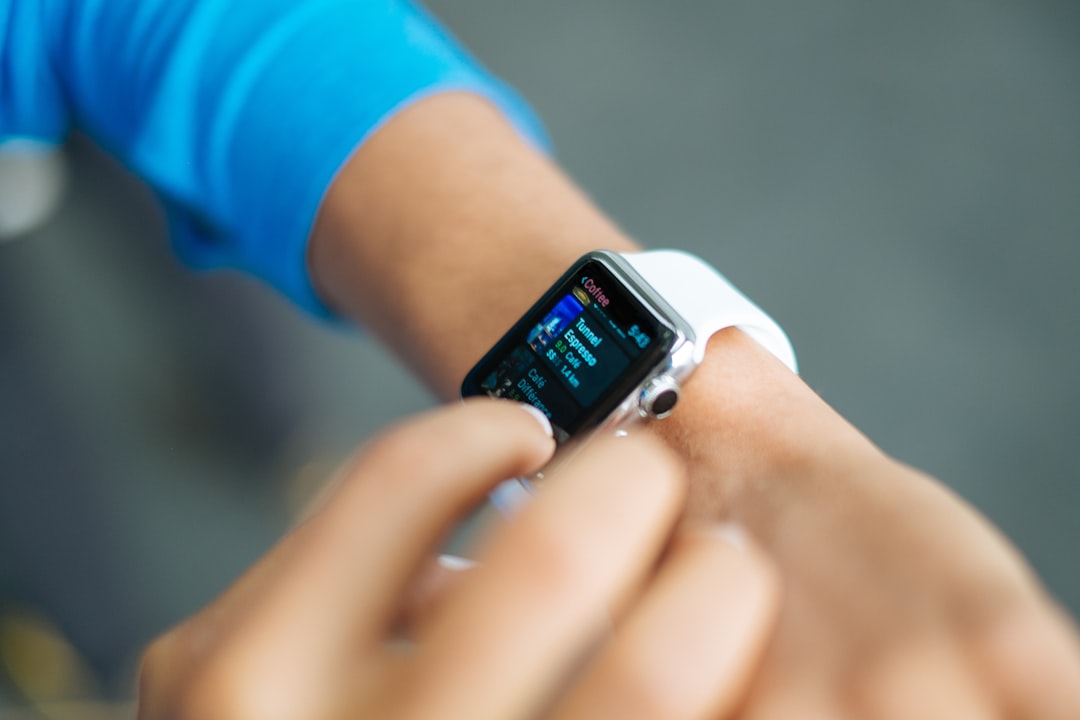
The foundation is consistency. Measure at the same time every day, in the same position, under the same conditions. Any modern smartwatch from Apple, Garmin, Whoop, or Oura measures HRV automatically during sleep or with a morning reading. The technology exists. What most people need is the discipline to use it.
Not everyone needs HRV guided training. If you are a beginner or train 3 times per week at moderate intensity, you probably do not need daily adjustment. A simple consistent program is all you need. But if you train 5 or more sessions weekly, some of those sessions are high intensity, and your goal is peak performance or competition, HRV becomes very useful.
Endurance athletes like runners, cyclists, and swimmers benefit particularly because high training volume increases overtraining risk. Strength and hypertrophy athletes using frequent high intensity programs also benefit. Anyone who feels chronically tired despite good sleep and nutrition may discover they are training more than they are recovering. HRV reveals that before you break down.
People who live with high stress or irregular sleep find HRV useful as well. Your life outside the gym affects your recovery capacity as much as the training itself. If your work is stressful or your sleep is poor, HRV will tell you when to push and when to back off, even if your plan says train hard.
The first mistake is fearing the reading. Some people measure HRV then ignore the data because they are determined to follow their plan. If you are going to measure, listen to the data. Otherwise, do not waste the time.
The second mistake is changing measurement timing or position constantly. HRV is sensitive to time of day, posture, caffeine, and alcohol. Measure under the same conditions always or you get noise instead of signal.
The third mistake is overreacting to one day. One low day does not mean disaster. The pattern over a week or more is what matters. If HRV is low for several consecutive days, that is a problem. One day may just be bad sleep.
The fourth mistake is ignoring fundamentals. HRV is a tool to optimize good training, not a replacement for sleep, nutrition, or smart programming. If you sleep 5 hours and eat like a child, HRV will always be low and for no mysterious reason.
I have watched my clients in Dubai transform when they started listening to their nervous system instead of pushing stubbornly every day. The culture here rewards hard work, and that is good, but hard work without smart recovery leads to burnout, regression, and injury. HRV gives you permission to recover when you need it, and gives you confidence to push hard when you are ready. That is not laziness. That is intelligence.
I do not use HRV with every client. Beginners and people training 3 days per week do not need it. But with serious athletes, people who compete, or anyone complaining of chronic fatigue, it becomes one of the most powerful tools I have. The data does not lie. And when you align data with real recovery, you see real progress.
Get a wearable that measures HRV automatically: Apple Watch Series 4 or newer, Garmin Fenix or Forerunner, Whoop 4.0, Oura Ring Generation 3, or any modern smartwatch with RMSSD measurement.
Establish your baseline: measure HRV every morning for two weeks without changing training. Calculate the average. That is your baseline to compare daily readings against.
Apply a simple zone system: green (HRV within 10 percent of average or higher) means train as planned. Yellow (10 to 20 percent drop) means moderate intensity only. Red (more than 20 percent drop) means light or rest.
Track and observe: keep a simple note of HRV, how you felt, and what you did in training. After a month, look at the pattern. Were bad feeling days low HRV? Were good days high HRV? Trust the data.
Be consistent: measure at the same time every morning, before coffee, 10 minutes after waking. Consistency makes data reliable. Noise comes from random measurements.
Want a training plan built on your actual state, not guesswork? Book your consultation with Coach Huss and learn how to use HRV and recovery data to get better results in less time.
Book Your Consultation Now%20scale(0.92)'%3e%3cpath%20d='M%2046%2010%20A%2040%2040%200%200%200%2046%2090%20L%2046%2078%20A%209.5%209.5%200%200%201%2030.2%2069.8%20A%2011%2011%200%200%201%2022%2050%20A%2011%2011%200%200%201%2030.2%2030.2%20A%209.5%209.5%200%200%201%2046%2022%20Z'%20fill='%23e85d1f'/%3e%3cg%20fill='none'%20stroke='%23e85d1f'%20stroke-linecap='butt'%3e%3cpath%20d='M%2046%2038%20A%2012%2012%200%200%200%2046%2062'%20stroke-width='10'/%3e%3cpath%20d='M%2046%2050%20H%2056'%20stroke-width='10'/%3e%3c/g%3e%3cg%20fill='%23e85d1f'%3e%3crect%20x='56'%20y='16'%20width='12'%20height='68'/%3e%3crect%20x='74'%20y='28'%20width='10'%20height='44'/%3e%3crect%20x='90'%20y='40'%20width='8'%20height='20'/%3e%3c/g%3e%3c/g%3e%3cg%20fill='%23f7f4ef'%3e%3cpath%20d='M259.64,507.88h14.26v26.01h23.73v-26.01h14.26v64.25h-14.26v-26.01h-23.73v26.01h-14.26v-64.25Z'/%3e%3cpath%20d='M321.6,507.88h14.27v46.33c0,3.14,2.55,5.68,5.69,5.69h12.35c3.14,0,5.68-2.55,5.69-5.69v-46.33h14.27v47.41c-.03,9.29-7.55,16.81-16.84,16.84h-18.59c-9.29-.03-16.81-7.55-16.84-16.84v-47.41Z'/%3e%3cpath%20d='M399.04,507.88h42.49v12.23h-41.77c-2.08,0-3.77,1.69-3.77,3.77v6.08l27.82,6.38c5.98,1.32,10.22,6.65,10.18,12.78v5.7c-.03,9.55-7.76,17.29-17.32,17.32h-34.95v-12.23h34.23c2.08,0,3.77-1.69,3.77-3.77v-6.09l-27.77-6.37c-5.98-1.33-10.22-6.65-10.18-12.78v-.78c-.03-.44-.05-.87-.05-1.32v-3.6c.03-9.55,7.76-17.29,17.32-17.32Z'/%3e%3cpath%20d='M489.97,507.88v12.23h-19v52.02h-14.26v-52.02h-19v-12.23h52.26Z'/%3e%3cpath%20d='M521.03,572.13h-8.81c-9.55-.03-17.29-7.76-17.32-17.32v-46.93h14.26v48.25c0,2.08,1.69,3.77,3.77,3.77h34.23v12.23h-26.13Z'/%3e%3cpath%20d='M551.62,525.19c.03-9.55,7.76-17.29,17.32-17.32h34.95v12.23h-34.23c-2.08,0-3.77,1.69-3.77,3.77v32.25c0,2.08,1.69,3.77,3.77,3.77h34.23v12.23h-34.95c-9.55-.03-17.29-7.76-17.32-17.32v-29.61h0ZM593.83,533.89v12.23h-30.86v-12.23h30.86Z'/%3e%3c/g%3e%3cg%20fill='%23e85d1f'%3e%3cpath%20d='M608.34,507.88h17.23l20.77,42.48v-42.48h14.27v64.25h-17.23l-20.77-42.48v42.48h-14.26v-64.25Z'/%3e%3cpath%20d='M709.53,513.95l20.87,58.17h-15.16l-17.1-47.66-17.1,47.66h-15.15l20.87-58.17c1.27-3.67,4.75-6.12,8.63-6.08h5.5c3.89-.04,7.36,2.41,8.64,6.08Z'/%3e%3cpath%20d='M775.25,507.88v12.23h-19v52.02h-14.26v-52.02h-19v-12.23h52.26Z'/%3e%3cpath%20d='M780.72,572.13v-64.25h14.26v64.25h-14.26Z'/%3e%3cpath%20d='M856.39,525.19v29.61c-.03,9.55-7.76,17.29-17.32,17.32h-17.63c-9.55-.03-17.29-7.76-17.32-17.32v-29.61c.03-9.55,7.76-17.29,17.32-17.32h17.63c9.55.03,17.29,7.76,17.32,17.32ZM838.36,559.9c2.08,0,3.77-1.69,3.77-3.77v-32.25c0-2.08-1.69-3.77-3.77-3.77h-16.19c-2.08,0-3.77,1.69-3.77,3.77v32.25c0,2.08,1.69,3.77,3.77,3.77h16.19Z'/%3e%3cpath%20d='M865.54,507.88h17.23l20.77,42.48v-42.48h14.27v64.25h-17.23l-20.77-42.48v42.48h-14.26v-64.25Z'/%3e%3c/g%3e%3cpolygon%20fill='%23f7f4ef'%20points='703.28%20559.9%20707.67%20572.13%20688.63%20572.13%20693.01%20559.9%20703.28%20559.9'/%3e%3c/svg%3e)