A science backed guide to the amino acid that triggers muscle protein synthesis and the optimal dose per meal
Most people know they need enough daily protein to build muscle. What they do not know is that distributing that protein across the day can matter as much as the total itself. The reason comes down to a single amino acid: leucine.
New research in 2026 confirms that muscle protein synthesis works on a threshold, not a linear dose response. This means you need 2.5 to 3 grams of leucine per meal to trigger muscle protein synthesis maximally. If you are eating all your protein in one or two large meals, you may be missing valuable opportunities to build muscle even when your daily total is correct.
The leucine threshold is the minimum dose of leucine needed in a single meal to stimulate muscle protein synthesis maximally. For younger adults, this threshold is roughly 2.5 grams per meal. For older adults over 50, it may rise to 3 grams or more due to greater anabolic resistance.
What happens below this threshold: muscle protein synthesis is activated, but submaximally. What happens above this threshold: additional leucine produces no further benefit at that meal. This concept reframes how we think about protein, from focusing only on daily total to looking at effective dose per meal.
The evidence for the leucine threshold comes from dozens of studies that measured muscle protein synthesis response after meals containing different doses of protein. Recent comprehensive reviews in 2026 confirm that muscle protein synthesis does not follow a linear relationship with protein dose, but rather a threshold pattern.
Landmark research showed that younger adults achieved maximal muscle protein synthesis stimulation with roughly 20 to 30 grams of high quality protein per meal, equivalent to 2.5 to 3 grams of leucine. Lower doses produced a weaker response. Higher doses gave no additional benefit at that same meal.
For older adults, the threshold requires a slightly higher dose, roughly 30 to 40 grams of protein or 3 to 3.5 grams of leucine, due to reduced muscle sensitivity to amino acids with age.
Leucine is one of nine essential amino acids, but it is the only one that acts as a direct trigger for muscle protein synthesis via a pathway called mTOR. When the body detects a sufficient dose of leucine in the blood, it signals muscle building to begin. Without that signal, the synthesis process remains weak even if the rest of the amino acids are available.
The other essential amino acids are necessary for building the actual protein, but leucine is the key that turns on the engine. This is why high leucine protein sources like meat, chicken, fish, eggs, and dairy are more effective at stimulating muscle protein synthesis than plant sources which contain less leucine per gram of protein.
Different protein sources contain different percentages of leucine. Animal proteins are richer, while plant proteins are lower. This is why you need a larger dose of plant protein to reach the same leucine threshold.
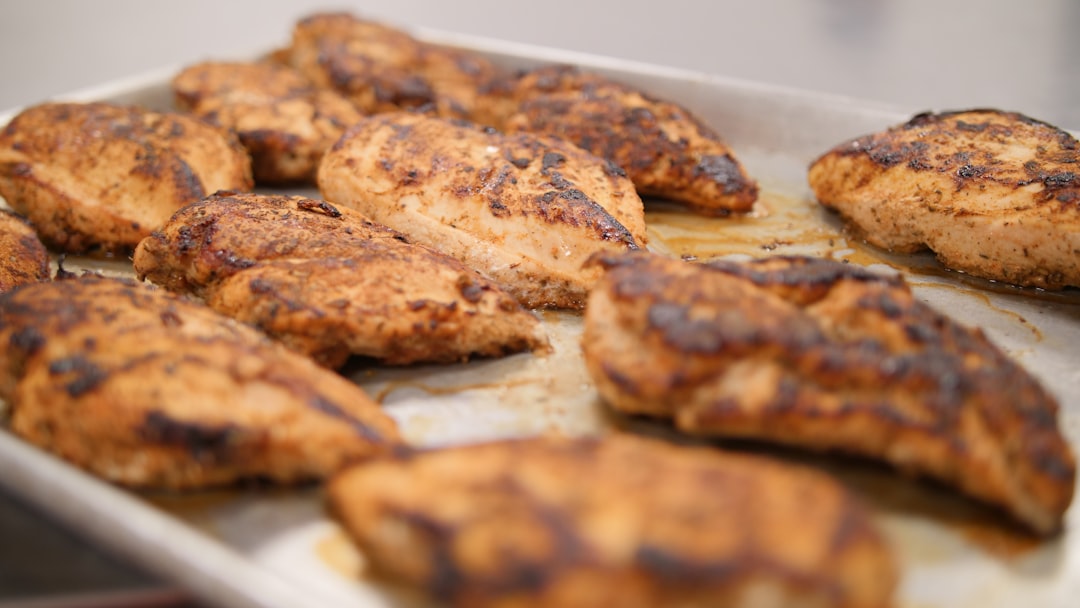
High leucine protein sources: whey protein powder contains roughly 10 to 11 percent leucine, so 25 grams of whey gives you about 2.7 grams of leucine. Red meat, chicken, and fish contain 8 to 9 percent, so 100 grams of grilled chicken breast contains roughly 30 grams of protein and 2.5 grams of leucine. Eggs contain 8 percent, so 3 large eggs contain roughly 18 grams of protein and 1.5 grams of leucine, and you need 4 or 5 eggs to reach the threshold. Milk and yogurt contain 9 percent, so a large glass of milk or 200 grams of Greek yogurt contains 2 to 2.5 grams of leucine.
Plant protein sources: legumes like beans and lentils contain 7 to 8 percent leucine, so 150 grams of cooked lentils contains roughly 18 grams of protein and 1.3 grams of leucine. Plant protein powder contains 7 to 9 percent, so you need 30 to 35 grams of powder to reach the threshold. Tofu contains 7 percent, so 200 grams of tofu contains roughly 20 grams of protein and 1.5 grams of leucine. Quinoa contains 6 percent, so 200 grams of cooked quinoa contains roughly 8 grams of protein and only 0.5 grams of leucine.
Based on 2025 and 2026 research, the optimal protein distribution is 3 to 5 meals daily, each containing 20 to 40 grams of high quality protein, or at least 2.5 to 3 grams of leucine. This means you stimulate muscle protein synthesis 3 to 5 times per day instead of just once or twice.
Practical example for an 80 kilogram person targeting 160 grams of protein daily: breakfast 30 grams of protein from 4 eggs and a glass of milk, lunch 40 grams from 150 grams of chicken breast with rice and vegetables, post workout meal 30 grams from whey protein powder, dinner 40 grams from 150 grams of grilled fish with potatoes and salad, pre sleep meal 20 grams from 200 grams of Greek yogurt. Total 160 grams of protein distributed across 5 meals, each stimulating muscle protein synthesis maximally.
Common distribution mistakes: eating most protein in one or two large meals, like 10 grams at breakfast and 120 grams at dinner. In this case, breakfast does not reach the threshold, and dinner exceeds the threshold by a lot but the excess is wasted at that meal. The result: only 2 synthesis stimulations instead of 4 or 5 possible ones.
Anyone who trains regularly to build or maintain muscle benefits from understanding and applying the leucine threshold. But some groups benefit more than others.
People who eat only one or two large meals daily: these people are missing major opportunities to stimulate muscle protein synthesis even when their daily total is correct. Redistributing the same total across 3 or 4 meals can improve muscle building results without increasing calories or protein.
Older adults over 50: muscle resistance to amino acids increases with age, so this group needs a slightly higher dose at each meal, roughly 30 to 40 grams of protein or 3 to 3.5 grams of leucine. Good distribution with sufficient dose at each meal becomes more important for maintaining muscle mass, strength, and independence.
People who rely on plant protein sources: plant protein sources contain a lower percentage of leucine, so you need larger doses per meal to reach the same threshold. A vegan may need 35 to 45 grams of plant protein per meal to reach 2.5 to 3 grams of leucine, compared to 25 to 30 grams of animal protein.
Pure leucine supplements exist, but they are not necessary for most people. If you are reaching the leucine threshold from whole protein at each meal, adding pure leucine will not give additional benefit. Remember that leucine triggers the synthesis, but the rest of the amino acids are necessary for building the actual protein.
The only case where a leucine supplement may be useful is if a certain meal is low in protein and you cannot increase the amount, so you can add 2 to 3 grams of pure leucine to raise that meal to the threshold. But the better solution is always to use whole protein from food or protein powder.
Focusing only on daily total without looking at distribution: many people reach 1.6 or 2.0 grams of protein per kilogram daily but eat it in only one or two meals. The result: muscle protein synthesis stimulation once or twice instead of 4 or 5 possible times.
Eating very small protein meals: a meal containing only 10 or 15 grams of protein will not reach the leucine threshold, so muscle protein synthesis stimulation remains weak. If you eat 5 or 6 times daily but each meal is very small, your results may be worse than someone eating 3 or 4 times but with sufficient dose each time.
Relying on low leucine protein sources without increasing the dose: like relying only on quinoa or oats as a protein source. These sources contain protein, but the leucine percentage is very low, so you need very large amounts to reach the threshold. The solution: mix plant sources with protein powder or add eggs or dairy if you are not strictly vegan.
Ignoring timing around training: after training, muscle sensitivity to amino acids is higher, so reaching the leucine threshold in the meal right after training or within two hours gives slightly greater benefit than other meals. This does not mean the rest of the meals are not important, but the post workout meal is a valuable opportunity.
Coach Huss Take
Many people think their daily protein is enough because they reached the correct number, but they eat all their protein in one or two large meals. The result: you miss valuable opportunities to stimulate muscle protein synthesis. The leucine threshold teaches us that distributing protein across the day can improve your results without increasing calories or total. The solution is simple: make every protein meal contain at least 25 to 30 grams of high quality protein source. If you are vegan, raise the dose to 35 or 40 grams or use plant protein powder. This is one of the easiest adjustments that can improve muscle building results in a real way without any additional cost.
The leucine threshold reframes how we think about protein. Daily total is important, but it is not enough by itself. Distribution across the day, sufficient dose at each meal, and reaching the 2.5 to 3 gram leucine threshold several times daily makes a real difference in stimulating muscle protein synthesis, maintaining muscle, and training results over the long term.
The solution is simple and costs nothing: redistribute your daily protein across 3 to 5 meals, and make each meal contain a sufficient dose. If your training, sleep, calories, and total protein are in place, improving distribution according to the leucine threshold can be the last piece of the puzzle.
Coach Huss helps busy people in Dubai build muscle, lose fat, and train pain free. Let us build a plan that fits your life.
Start Now%20scale(0.92)'%3e%3cpath%20d='M%2046%2010%20A%2040%2040%200%200%200%2046%2090%20L%2046%2078%20A%209.5%209.5%200%200%201%2030.2%2069.8%20A%2011%2011%200%200%201%2022%2050%20A%2011%2011%200%200%201%2030.2%2030.2%20A%209.5%209.5%200%200%201%2046%2022%20Z'%20fill='%23e85d1f'/%3e%3cg%20fill='none'%20stroke='%23e85d1f'%20stroke-linecap='butt'%3e%3cpath%20d='M%2046%2038%20A%2012%2012%200%200%200%2046%2062'%20stroke-width='10'/%3e%3cpath%20d='M%2046%2050%20H%2056'%20stroke-width='10'/%3e%3c/g%3e%3cg%20fill='%23e85d1f'%3e%3crect%20x='56'%20y='16'%20width='12'%20height='68'/%3e%3crect%20x='74'%20y='28'%20width='10'%20height='44'/%3e%3crect%20x='90'%20y='40'%20width='8'%20height='20'/%3e%3c/g%3e%3c/g%3e%3cg%20fill='%23f7f4ef'%3e%3cpath%20d='M259.64,507.88h14.26v26.01h23.73v-26.01h14.26v64.25h-14.26v-26.01h-23.73v26.01h-14.26v-64.25Z'/%3e%3cpath%20d='M321.6,507.88h14.27v46.33c0,3.14,2.55,5.68,5.69,5.69h12.35c3.14,0,5.68-2.55,5.69-5.69v-46.33h14.27v47.41c-.03,9.29-7.55,16.81-16.84,16.84h-18.59c-9.29-.03-16.81-7.55-16.84-16.84v-47.41Z'/%3e%3cpath%20d='M399.04,507.88h42.49v12.23h-41.77c-2.08,0-3.77,1.69-3.77,3.77v6.08l27.82,6.38c5.98,1.32,10.22,6.65,10.18,12.78v5.7c-.03,9.55-7.76,17.29-17.32,17.32h-34.95v-12.23h34.23c2.08,0,3.77-1.69,3.77-3.77v-6.09l-27.77-6.37c-5.98-1.33-10.22-6.65-10.18-12.78v-.78c-.03-.44-.05-.87-.05-1.32v-3.6c.03-9.55,7.76-17.29,17.32-17.32Z'/%3e%3cpath%20d='M489.97,507.88v12.23h-19v52.02h-14.26v-52.02h-19v-12.23h52.26Z'/%3e%3cpath%20d='M521.03,572.13h-8.81c-9.55-.03-17.29-7.76-17.32-17.32v-46.93h14.26v48.25c0,2.08,1.69,3.77,3.77,3.77h34.23v12.23h-26.13Z'/%3e%3cpath%20d='M551.62,525.19c.03-9.55,7.76-17.29,17.32-17.32h34.95v12.23h-34.23c-2.08,0-3.77,1.69-3.77,3.77v32.25c0,2.08,1.69,3.77,3.77,3.77h34.23v12.23h-34.95c-9.55-.03-17.29-7.76-17.32-17.32v-29.61h0ZM593.83,533.89v12.23h-30.86v-12.23h30.86Z'/%3e%3c/g%3e%3cg%20fill='%23e85d1f'%3e%3cpath%20d='M608.34,507.88h17.23l20.77,42.48v-42.48h14.27v64.25h-17.23l-20.77-42.48v42.48h-14.26v-64.25Z'/%3e%3cpath%20d='M709.53,513.95l20.87,58.17h-15.16l-17.1-47.66-17.1,47.66h-15.15l20.87-58.17c1.27-3.67,4.75-6.12,8.63-6.08h5.5c3.89-.04,7.36,2.41,8.64,6.08Z'/%3e%3cpath%20d='M775.25,507.88v12.23h-19v52.02h-14.26v-52.02h-19v-12.23h52.26Z'/%3e%3cpath%20d='M780.72,572.13v-64.25h14.26v64.25h-14.26Z'/%3e%3cpath%20d='M856.39,525.19v29.61c-.03,9.55-7.76,17.29-17.32,17.32h-17.63c-9.55-.03-17.29-7.76-17.32-17.32v-29.61c.03-9.55,7.76-17.29,17.32-17.32h17.63c9.55.03,17.29,7.76,17.32,17.32ZM838.36,559.9c2.08,0,3.77-1.69,3.77-3.77v-32.25c0-2.08-1.69-3.77-3.77-3.77h-16.19c-2.08,0-3.77,1.69-3.77,3.77v32.25c0,2.08,1.69,3.77,3.77,3.77h16.19Z'/%3e%3cpath%20d='M865.54,507.88h17.23l20.77,42.48v-42.48h14.27v64.25h-17.23l-20.77-42.48v42.48h-14.26v-64.25Z'/%3e%3c/g%3e%3cpolygon%20fill='%23f7f4ef'%20points='703.28%20559.9%20707.67%20572.13%20688.63%20572.13%20693.01%20559.9%20703.28%20559.9'/%3e%3c/svg%3e)