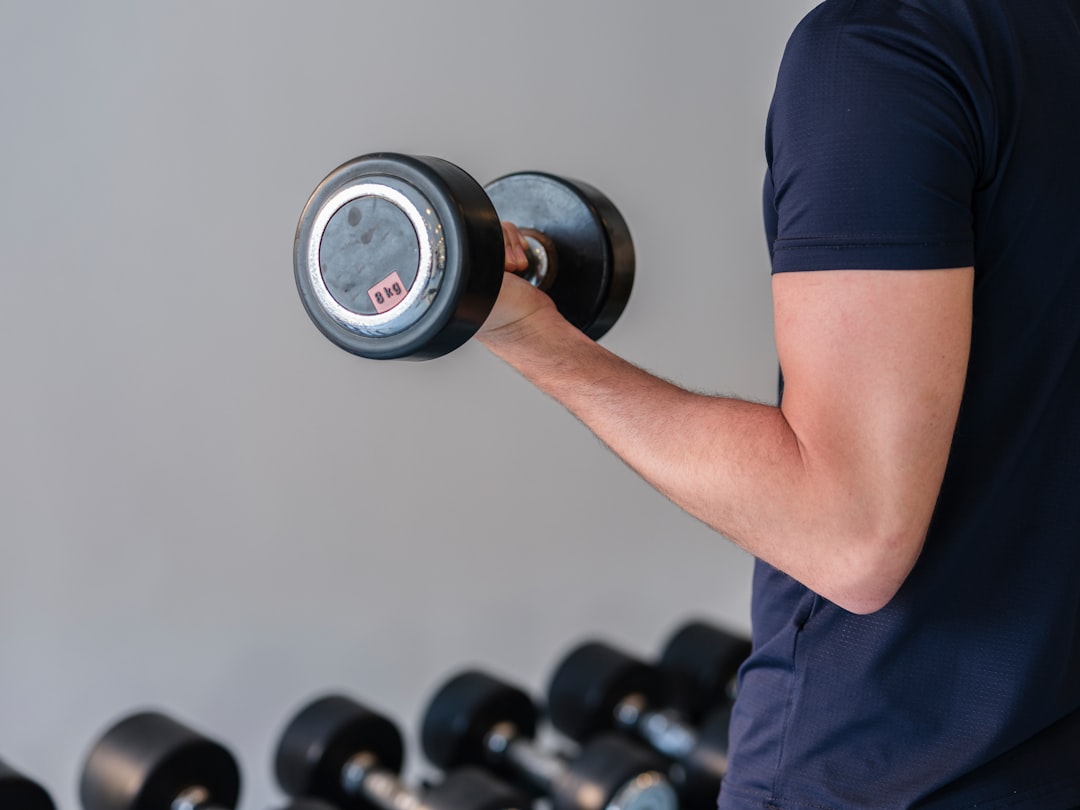
A science based guide to loaded carry variations, real benefits, and how to add them to your program smartly
Carrying a heavy weight and walking with it for a short distance is the most real world exercise you will not see in most programs. But real life demands carrying and moving loads: suitcases, kids, grocery bags, furniture. If you want real strength that works outside the gym, loaded carries are the answer.
Loaded carry training includes any exercise where you hold a weight and move a specific distance. Common types include the farmer carry (carrying weight by your sides with both hands), suitcase carry (carrying weight with one hand only), and overhead carry (carrying weight above your head). Each type has a different challenge, but all build functional strength, deep stability, and grip.
Loaded carry means holding a heavy weight and walking a specific distance (usually 15 to 50 meters) while maintaining stability and correct form. The idea is simple: controlling a moving load forces your whole body to work as one unit.
Most strength exercises isolate one muscle group or fix your body in place. But loaded carries are different. You are moving, the weight is moving, and gravity is trying to pull you down or sideways or forward. Your body adapts by activating deep stability muscles (core, shoulders, hips, back, grip) simultaneously to prevent moving off course.
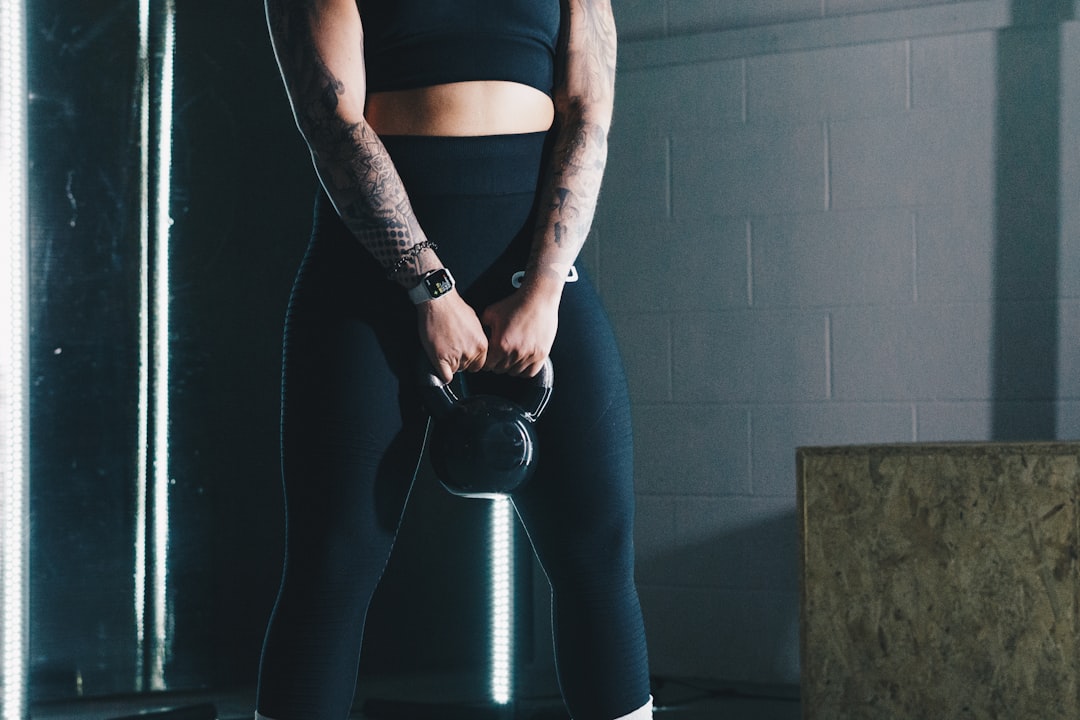
Each type of loaded carry targets different stability patterns. You can use dumbbells, kettlebells, barbells, or any weight you can control.
1. Farmer Carry (Holding Weight by Your Sides with Both Hands)
The most common type. You hold a heavy dumbbell or kettlebell in each hand by your sides and walk a specific distance. Targets grip, traps, back, core, legs. The weights are balanced, so it is the easiest to control.
2. Suitcase Carry (Holding Weight with One Hand Only)
You hold one heavy weight in one hand by your side, and the other hand is empty. The weight is unbalanced, so the core muscles on the opposite side work hard to prevent sideways lean. This builds very strong lateral stability and improves shoulder and spine posture.
3. Overhead Carry (Holding Weight Above Your Head)
You hold a dumbbell or kettlebell above your head with the arm fully extended and walk a specific distance. This targets shoulder and core stability, and requires greater strength and control. You can hold the weight with one hand or both hands overhead.
4. Front Rack Carry (Holding Weight in Front of Your Shoulder)
You hold a kettlebell or dumbbell in front of your shoulder (as if in a clean position), with the elbow up. Targets front core stability, shoulders, hips. The one handed version is very difficult.
Loaded carry training is not a trend. Research and practical experience show clear benefits.
1. Real Grip Strength
Grip strength is one of the best indicators of total strength and long term health. A study from the Lancet in 2015 on 140,000 people showed that grip strength is directly linked to reduced risk of premature death and cardiovascular disease. Loaded carry training builds strong functional grip by forcing your hands to hold heavy weights under continuous pressure for 30 to 60 seconds.
2. Real Core Stability
Most core exercises focus on movement (crunches, sit ups). But real stability means resisting unwanted movement. Loaded carries do this excellently. A study from the Journal of Strength and Conditioning Research showed that loaded carry exercises activate deep core muscles (transversus abdominis and multifidus) more strongly than traditional exercises like planks.
3. Better Posture and Back Health
Holding a heavy weight correctly forces your spine to stay in a neutral position. This builds endurance strength in the traps, lats, erector spinae, and shoulder muscles. A scientific review from Sports Medicine in 2024 confirmed that exercises that build stability and endurance strength for the trunk and shoulders reduce chronic lower back pain by 30 to 40 percent in 8 weeks.
4. Functional Strength That Works in Real Life
Loaded carry training mimics daily movements like carrying bags, lifting kids, moving furniture. Research from the Journal of Functional Morphology and Kinesiology shows that exercises combining strength, balance, and movement improve performance in daily tasks more than exercises that isolate muscles only.
5. Improved Cardiovascular and Metabolic Endurance
Carrying a heavy weight for distance raises your heart rate and forces your body to transport oxygen efficiently. A study from the European Journal of Applied Physiology showed that walking with a heavy load (50 percent of body weight) raises heart rate to 60 to 70 percent of maximum, which is the same target range as low intensity cardio exercises.
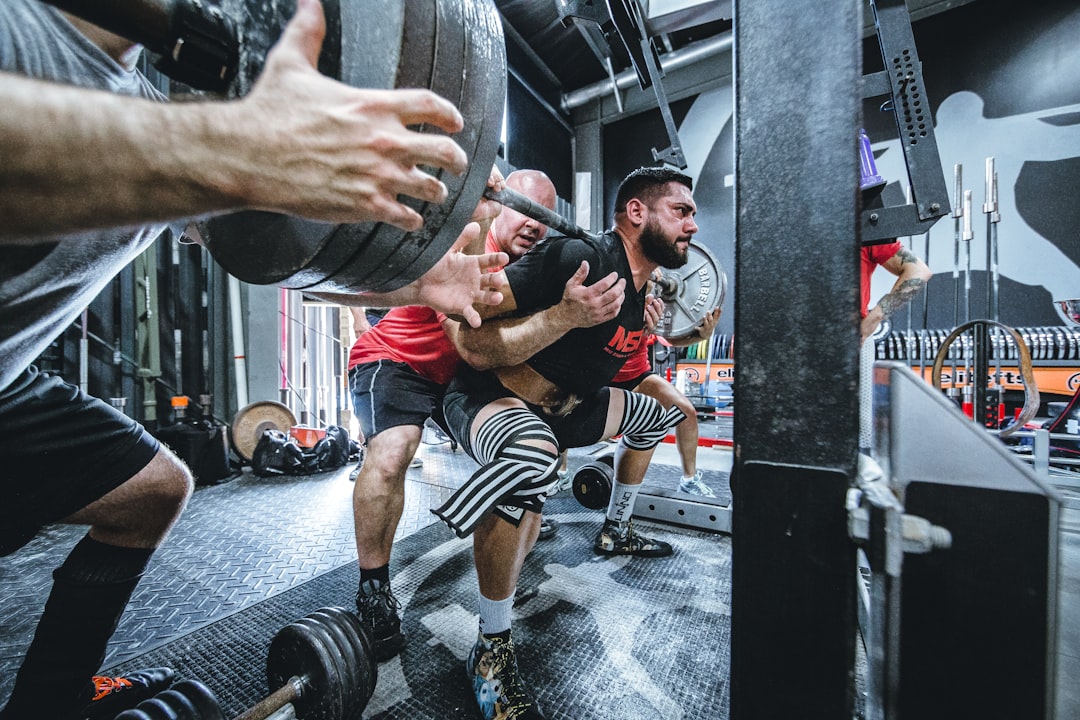
Loaded carry training is useful for almost everyone, but some groups benefit more.
Trainees who suffer from weak grip in pulling exercises (deadlift, barbell row, pull ups) find rapid improvement. People who work in offices and suffer from poor shoulder and back posture benefit from the stability that loaded carries build. Athletes who need functional strength (CrossFit, fighters, athletes) use loaded carries as an essential part of preparation. People over fifty benefit from improved grip and functional strength to maintain independence in daily life.
Loaded carries are simple, but simplicity does not mean recklessness. Follow these rules for a safe start.
1. Start with Farmer Carry (Balanced Hold with Both Hands)
The farmer carry is the easiest to control and safest for beginners. Start with light to moderate weight (10 to 15 kilos for women, 15 to 25 kilos for men) and short distance (15 to 20 meters).
2. Correct Form First
Before you increase weight, ensure correct form: shoulders back and down, chest up, core tight, eyes forward, steps short and stable. Do not lean sideways or forward. If you start to lean, the weight is too heavy.
3. Increase Distance Before Weight
After you master the short distance (15 to 20 meters), gradually increase the distance to 30 meters then 40 meters then 50 meters. After that, gradually increase the weight by adding 2.5 to 5 kilos in each hand every week or two.
4. Add Variations Gradually
After you master the farmer carry, add the suitcase carry (holding with one hand only). Start with lighter weight than the farmer carry, because the stability challenge is greater. After mastering the suitcase carry, you can add the front rack carry then the overhead carry. The overhead carry is the most difficult and dangerous if the form is wrong, so do not rush.
5. Duration and Frequency
The goal is to hold the weight for 30 to 60 seconds without stopping. If you cannot, reduce the weight or distance. Add loaded carry training two to three times per week at the end of your main workout. Each session, do two to four sets with distance 20 to 50 meters. Rest one to two minutes between sets.
Most mistakes come from trying to progress too quickly or using heavy weight with wrong form.
1. Weight Too Heavy from the Start
If the weight is too heavy, your shoulders will drop forward, your back will round, and your grip will fail before the core gets enough challenge. Start light, and increase gradually. The goal is excellent form, not lifting the heaviest weight possible.
2. Leaning Sideways in Suitcase Carry
The point of the suitcase carry is to resist leaning, not the leaning itself. If you are leaning to the heavy side, the weight is too heavy. Reduce the weight until you can walk completely upright.
3. Ignoring Pain in the Shoulder or Back
Loaded carries should be hard, but not painful. If you feel sharp pain in the shoulder, back, or knee, stop immediately. Check the form, and reduce the weight or distance. Do not try to train through pain.
4. Using Loaded Carries as Replacement for Core Training
Loaded carries are a great tool, but not a complete replacement for a strength training program. Use them as an addition at the end of the workout, after heavy main exercises like squats, deadlifts, bench press. Loaded carries complement training, they do not replace it.
Here is a simple program to add loaded carries to your current training. Do it at the end of main training sessions.
Day One (After Legs or Full Body Training):
Farmer carry, 3 sets × 30 meters, rest one and a half minutes between sets. Start with moderate weight you can control without leaning.
Day Two (After Back or Pull Training):
Suitcase carry, 3 sets × 20 meters with each hand (switch hands after each set), rest one minute between sets. Weight lighter than farmer carry.
Day Three (After Shoulder or Push Training):
Farmer carry, 2 sets × 40 meters, rest two minutes. Focus on upright position and excellent form.
After four to six weeks, gradually increase weight or distance, and add new variations like front rack carry or overhead carry if you are ready.
Loaded carry training is one of the simplest and most effective exercises to build real functional strength. It builds strong grip, deep core stability, better posture, and strength that works in real life.
Research and practical experience confirm the benefits, and the program is simple: start with the farmer carry, master the form, gradually increase distance then weight, and add variations after several weeks. Add loaded carries two to three times per week at the end of your main workout, and notice the difference in your strength, stability, and posture within a few weeks.
Do You Want Real Strength That Works Outside the Gym?
Book a trial session with Coach Huss and start a science based training program that builds functional strength and stability that protects you from injuries and improves your daily life in Dubai.
Book Your Trial Session%20scale(0.92)'%3e%3cpath%20d='M%2046%2010%20A%2040%2040%200%200%200%2046%2090%20L%2046%2078%20A%209.5%209.5%200%200%201%2030.2%2069.8%20A%2011%2011%200%200%201%2022%2050%20A%2011%2011%200%200%201%2030.2%2030.2%20A%209.5%209.5%200%200%201%2046%2022%20Z'%20fill='%23e85d1f'/%3e%3cg%20fill='none'%20stroke='%23e85d1f'%20stroke-linecap='butt'%3e%3cpath%20d='M%2046%2038%20A%2012%2012%200%200%200%2046%2062'%20stroke-width='10'/%3e%3cpath%20d='M%2046%2050%20H%2056'%20stroke-width='10'/%3e%3c/g%3e%3cg%20fill='%23e85d1f'%3e%3crect%20x='56'%20y='16'%20width='12'%20height='68'/%3e%3crect%20x='74'%20y='28'%20width='10'%20height='44'/%3e%3crect%20x='90'%20y='40'%20width='8'%20height='20'/%3e%3c/g%3e%3c/g%3e%3cg%20fill='%23f7f4ef'%3e%3cpath%20d='M259.64,507.88h14.26v26.01h23.73v-26.01h14.26v64.25h-14.26v-26.01h-23.73v26.01h-14.26v-64.25Z'/%3e%3cpath%20d='M321.6,507.88h14.27v46.33c0,3.14,2.55,5.68,5.69,5.69h12.35c3.14,0,5.68-2.55,5.69-5.69v-46.33h14.27v47.41c-.03,9.29-7.55,16.81-16.84,16.84h-18.59c-9.29-.03-16.81-7.55-16.84-16.84v-47.41Z'/%3e%3cpath%20d='M399.04,507.88h42.49v12.23h-41.77c-2.08,0-3.77,1.69-3.77,3.77v6.08l27.82,6.38c5.98,1.32,10.22,6.65,10.18,12.78v5.7c-.03,9.55-7.76,17.29-17.32,17.32h-34.95v-12.23h34.23c2.08,0,3.77-1.69,3.77-3.77v-6.09l-27.77-6.37c-5.98-1.33-10.22-6.65-10.18-12.78v-.78c-.03-.44-.05-.87-.05-1.32v-3.6c.03-9.55,7.76-17.29,17.32-17.32Z'/%3e%3cpath%20d='M489.97,507.88v12.23h-19v52.02h-14.26v-52.02h-19v-12.23h52.26Z'/%3e%3cpath%20d='M521.03,572.13h-8.81c-9.55-.03-17.29-7.76-17.32-17.32v-46.93h14.26v48.25c0,2.08,1.69,3.77,3.77,3.77h34.23v12.23h-26.13Z'/%3e%3cpath%20d='M551.62,525.19c.03-9.55,7.76-17.29,17.32-17.32h34.95v12.23h-34.23c-2.08,0-3.77,1.69-3.77,3.77v32.25c0,2.08,1.69,3.77,3.77,3.77h34.23v12.23h-34.95c-9.55-.03-17.29-7.76-17.32-17.32v-29.61h0ZM593.83,533.89v12.23h-30.86v-12.23h30.86Z'/%3e%3c/g%3e%3cg%20fill='%23e85d1f'%3e%3cpath%20d='M608.34,507.88h17.23l20.77,42.48v-42.48h14.27v64.25h-17.23l-20.77-42.48v42.48h-14.26v-64.25Z'/%3e%3cpath%20d='M709.53,513.95l20.87,58.17h-15.16l-17.1-47.66-17.1,47.66h-15.15l20.87-58.17c1.27-3.67,4.75-6.12,8.63-6.08h5.5c3.89-.04,7.36,2.41,8.64,6.08Z'/%3e%3cpath%20d='M775.25,507.88v12.23h-19v52.02h-14.26v-52.02h-19v-12.23h52.26Z'/%3e%3cpath%20d='M780.72,572.13v-64.25h14.26v64.25h-14.26Z'/%3e%3cpath%20d='M856.39,525.19v29.61c-.03,9.55-7.76,17.29-17.32,17.32h-17.63c-9.55-.03-17.29-7.76-17.32-17.32v-29.61c.03-9.55,7.76-17.29,17.32-17.32h17.63c9.55.03,17.29,7.76,17.32,17.32ZM838.36,559.9c2.08,0,3.77-1.69,3.77-3.77v-32.25c0-2.08-1.69-3.77-3.77-3.77h-16.19c-2.08,0-3.77,1.69-3.77,3.77v32.25c0,2.08,1.69,3.77,3.77,3.77h16.19Z'/%3e%3cpath%20d='M865.54,507.88h17.23l20.77,42.48v-42.48h14.27v64.25h-17.23l-20.77-42.48v42.48h-14.26v-64.25Z'/%3e%3c/g%3e%3cpolygon%20fill='%23f7f4ef'%20points='703.28%20559.9%20707.67%20572.13%20688.63%20572.13%20693.01%20559.9%20703.28%20559.9'/%3e%3c/svg%3e)