Why nutrition experts choose this eating pattern for long term health, performance, and building a strong lean body
In a 2026 nutrition expert survey, 69 percent chose the Mediterranean diet as the most effective dietary approach for long term health and weight management. This is not a vote for random opinion. This is a vote for the most rigorously studied eating pattern in the world.
What makes this pattern interesting for gym people is not only heart health or longevity, but that its structure supports performance, recovery, and a strong lean body composition. Protein is adequate. Healthy fats are high. Carbohydrates come from natural fiber rich sources. Processed foods are limited. All of this supports hard training without complication.
The Mediterranean diet is not a strict plan but an eating pattern based on how traditional Mediterranean people in Greece, southern Italy, and Spain ate. The foundation is vegetables, fruits, whole grains, beans, nuts, seeds, fish, and olive oil. Chicken and dairy regularly but moderately. Red meat in small amounts. Very little processed food.
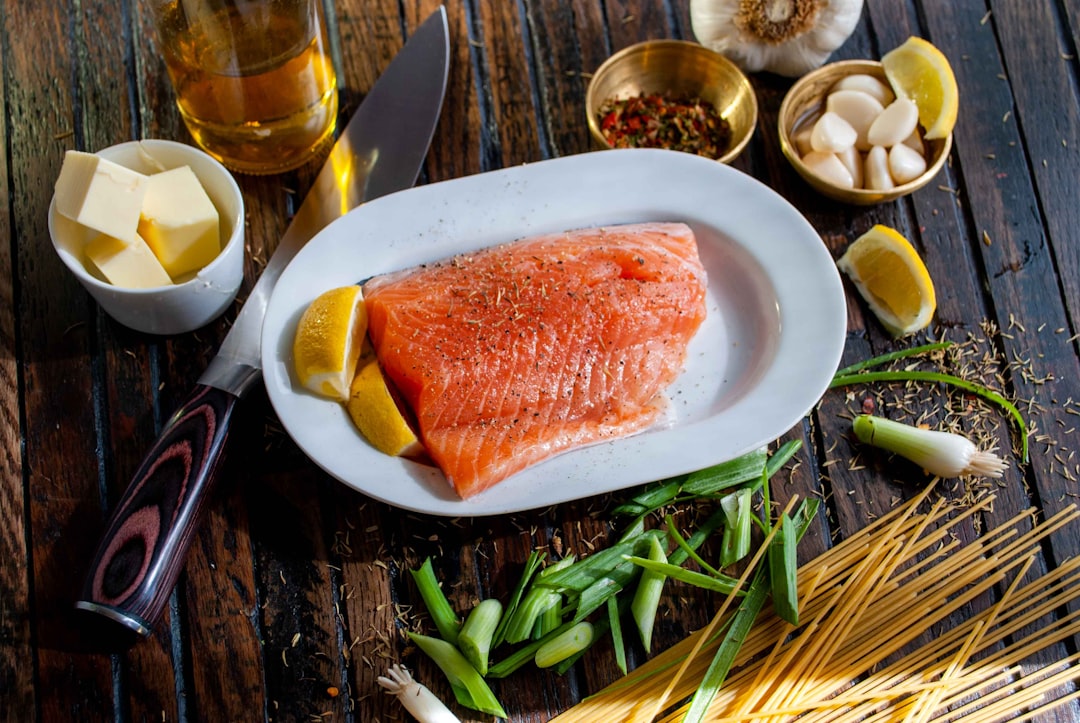
The idea is simple: most of your food comes from whole natural sources. Olive oil is the main fat. Fatty fish like salmon and mackerel provide omega 3. Protein comes from fish, chicken, eggs, legumes, and dairy. Carbohydrates come from rice, oats, whole grain bread, potatoes, and fruit. No complex timing. No precise macro counting. Just real balanced food.

Thousands of studies link the Mediterranean diet to reduced risk of heart disease, stroke, type 2 diabetes, and cognitive decline. This matters because it means the pattern protects your health across decades, not just one training season.
For fitness and body composition, research shows this pattern supports sustainable weight loss when paired with a slight calorie deficit, and preserves muscle mass during fat loss when adequate protein and resistance training are present. A 2026 study published in the Journal of Clinical Nutrition showed that adults following a Mediterranean pattern with strength training 3 times per week lost fat and gained strength similarly to those on a high protein low carb plan, but with better adherence and higher quality of life.
The reason is simple: foods are filling because of fiber, protein, and healthy fats. Meals are enjoyable. Hunger is lower. Energy is stable. Long term adherence is easier. All of this supports consistent training without constant struggle with food.
The biggest criticism of the Mediterranean diet from a fitness perspective is that protein may be low if you only eat small portions of fish and chicken. This is true if you follow the traditional version literally. But if you focus on fish, chicken, eggs, Greek yogurt, cottage cheese, and legumes as part of most meals, you can easily reach 1.6 to 2.2 grams of protein per kilogram of body weight daily.
Simple examples: breakfast of eggs with whole grain bread and olive oil. Lunch of grilled salmon with rice and vegetables. Dinner of chicken with sweet potato and salad. Snack of Greek yogurt with nuts and berries. This day gives adequate protein, healthy fats, carbohydrates from natural sources, and high fiber. Everything you need to support training and recovery.
Olive oil, nuts, seeds, avocado, and fatty fish provide monounsaturated and polyunsaturated fats that support heart health, vitamin absorption, and hormone production. This matters for testosterone and growth hormone output, especially if you are in a slight calorie deficit for fat loss.
Omega 3 from salmon, mackerel, and sardines reduces inflammation and supports recovery. This is not magic, but it is part of a small accumulation of habits that make weekly training easier and less painful over time.

The Mediterranean diet is not low carb. Carbohydrates come from whole grains, rice, oats, potatoes, legumes, and fruit. These are natural fiber rich sources that raise blood sugar slowly and give stable energy throughout the day.
If you train hard 3 to 5 times per week, adequate carbohydrates are essential to refill muscle glycogen, support performance in heavy training, and recover between sessions. The Mediterranean diet provides this without complication. Just eat rice, oats, whole grain bread, and potatoes around your main meals, and adjust portions based on your activity level.
Start from the foundation: plenty of vegetables, protein in every meal, olive oil as main fat, whole grains and potatoes as carbohydrate source, fatty fish 2 to 3 times per week, nuts and seeds as snacks, fruit regularly. Keep processed foods and sweets for special occasions, not daily habit.
If your goal is fat loss: prioritize protein first, add plenty of vegetables to fill your stomach, moderate carbohydrates based on your activity, and watch oils and nuts because they are calorie dense. If your goal is muscle gain: raise protein to 2.0 to 2.2 grams per kilogram, increase carbohydrates around training, and ensure a slight calorie surplus of 200 to 300 calories daily with regular resistance training.
The Mediterranean diet suits most people, but it is especially excellent for those who want a balanced long term approach without strict rules. If you hate counting macros, want enjoyable food, seek long term health with good fitness, or want an eating pattern that supports training without complication, this pattern is an excellent choice.
It is also suitable for families because the food is natural, enjoyable, and not a special plan. You can eat the same meals with your family without separate cooking or complex explanation.
The first mistake is ignoring protein. If you only eat salads, bread, and olive oil, you will not get enough protein to build or preserve muscle. Focus on fish, chicken, eggs, yogurt, and legumes in every meal.
The second mistake is overdoing olive oil and nuts. These are healthy foods but they are calorie dense. One tablespoon of olive oil contains 120 calories. A handful of nuts contains 200 calories. If your goal is fat loss, be aware of portions.
The third mistake is ignoring training. The Mediterranean diet supports good body composition, but it does not build muscle without regular resistance training. If you want a strong lean body, you need to train 3 to 4 times per week at least with consistent progression.
The Mediterranean diet is not a quick diet or magic plan. It is a scientifically studied eating pattern that supports long term health, performance, and good body composition when paired with regular training and adequate protein. Most of your food comes from whole natural sources. Protein is adequate. Fats are healthy. Carbohydrates come from fiber rich sources. Food is enjoyable and adherence is easy.
If you want a balanced approach that works for decades and not just one season, try this pattern for 8 to 12 weeks. Watch your energy, gym performance, body composition, and quality of life. Results come from consistency, not from perfection.
Your Next Step
If you want to build a strong lean body, do not start from a random diet. Start with a training plan, balanced nutrition, sleep, and coaching. At Hustle Nation we use sustainable eating patterns like the Mediterranean diet to support long term training, not harsh short term diets.
Book Your Free ConsultationAll information is based on peer reviewed research. This article is educational and does not constitute medical advice.
%20scale(0.92)'%3e%3cpath%20d='M%2046%2010%20A%2040%2040%200%200%200%2046%2090%20L%2046%2078%20A%209.5%209.5%200%200%201%2030.2%2069.8%20A%2011%2011%200%200%201%2022%2050%20A%2011%2011%200%200%201%2030.2%2030.2%20A%209.5%209.5%200%200%201%2046%2022%20Z'%20fill='%23e85d1f'/%3e%3cg%20fill='none'%20stroke='%23e85d1f'%20stroke-linecap='butt'%3e%3cpath%20d='M%2046%2038%20A%2012%2012%200%200%200%2046%2062'%20stroke-width='10'/%3e%3cpath%20d='M%2046%2050%20H%2056'%20stroke-width='10'/%3e%3c/g%3e%3cg%20fill='%23e85d1f'%3e%3crect%20x='56'%20y='16'%20width='12'%20height='68'/%3e%3crect%20x='74'%20y='28'%20width='10'%20height='44'/%3e%3crect%20x='90'%20y='40'%20width='8'%20height='20'/%3e%3c/g%3e%3c/g%3e%3cg%20fill='%23f7f4ef'%3e%3cpath%20d='M259.64,507.88h14.26v26.01h23.73v-26.01h14.26v64.25h-14.26v-26.01h-23.73v26.01h-14.26v-64.25Z'/%3e%3cpath%20d='M321.6,507.88h14.27v46.33c0,3.14,2.55,5.68,5.69,5.69h12.35c3.14,0,5.68-2.55,5.69-5.69v-46.33h14.27v47.41c-.03,9.29-7.55,16.81-16.84,16.84h-18.59c-9.29-.03-16.81-7.55-16.84-16.84v-47.41Z'/%3e%3cpath%20d='M399.04,507.88h42.49v12.23h-41.77c-2.08,0-3.77,1.69-3.77,3.77v6.08l27.82,6.38c5.98,1.32,10.22,6.65,10.18,12.78v5.7c-.03,9.55-7.76,17.29-17.32,17.32h-34.95v-12.23h34.23c2.08,0,3.77-1.69,3.77-3.77v-6.09l-27.77-6.37c-5.98-1.33-10.22-6.65-10.18-12.78v-.78c-.03-.44-.05-.87-.05-1.32v-3.6c.03-9.55,7.76-17.29,17.32-17.32Z'/%3e%3cpath%20d='M489.97,507.88v12.23h-19v52.02h-14.26v-52.02h-19v-12.23h52.26Z'/%3e%3cpath%20d='M521.03,572.13h-8.81c-9.55-.03-17.29-7.76-17.32-17.32v-46.93h14.26v48.25c0,2.08,1.69,3.77,3.77,3.77h34.23v12.23h-26.13Z'/%3e%3cpath%20d='M551.62,525.19c.03-9.55,7.76-17.29,17.32-17.32h34.95v12.23h-34.23c-2.08,0-3.77,1.69-3.77,3.77v32.25c0,2.08,1.69,3.77,3.77,3.77h34.23v12.23h-34.95c-9.55-.03-17.29-7.76-17.32-17.32v-29.61h0ZM593.83,533.89v12.23h-30.86v-12.23h30.86Z'/%3e%3c/g%3e%3cg%20fill='%23e85d1f'%3e%3cpath%20d='M608.34,507.88h17.23l20.77,42.48v-42.48h14.27v64.25h-17.23l-20.77-42.48v42.48h-14.26v-64.25Z'/%3e%3cpath%20d='M709.53,513.95l20.87,58.17h-15.16l-17.1-47.66-17.1,47.66h-15.15l20.87-58.17c1.27-3.67,4.75-6.12,8.63-6.08h5.5c3.89-.04,7.36,2.41,8.64,6.08Z'/%3e%3cpath%20d='M775.25,507.88v12.23h-19v52.02h-14.26v-52.02h-19v-12.23h52.26Z'/%3e%3cpath%20d='M780.72,572.13v-64.25h14.26v64.25h-14.26Z'/%3e%3cpath%20d='M856.39,525.19v29.61c-.03,9.55-7.76,17.29-17.32,17.32h-17.63c-9.55-.03-17.29-7.76-17.32-17.32v-29.61c.03-9.55,7.76-17.29,17.32-17.32h17.63c9.55.03,17.29,7.76,17.32,17.32ZM838.36,559.9c2.08,0,3.77-1.69,3.77-3.77v-32.25c0-2.08-1.69-3.77-3.77-3.77h-16.19c-2.08,0-3.77,1.69-3.77,3.77v32.25c0,2.08,1.69,3.77,3.77,3.77h16.19Z'/%3e%3cpath%20d='M865.54,507.88h17.23l20.77,42.48v-42.48h14.27v64.25h-17.23l-20.77-42.48v42.48h-14.26v-64.25Z'/%3e%3c/g%3e%3cpolygon%20fill='%23f7f4ef'%20points='703.28%20559.9%20707.67%20572.13%20688.63%20572.13%20693.01%20559.9%20703.28%20559.9'/%3e%3c/svg%3e)