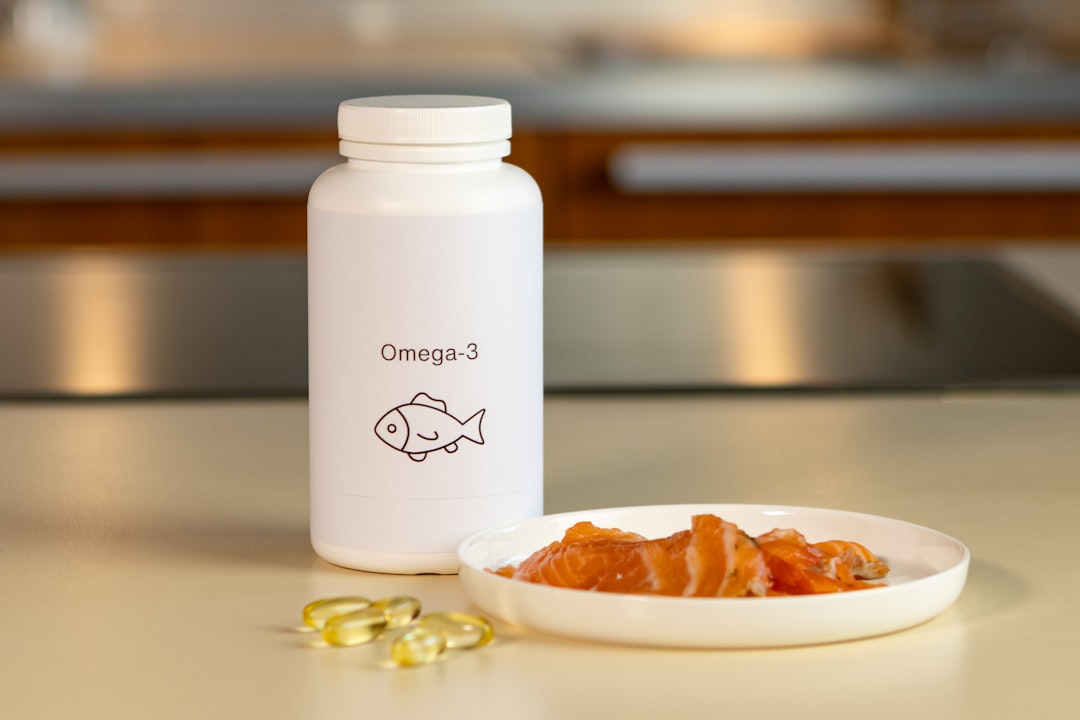
A practical guide to EPA and DHA, dosage, recovery, inflammation, and when fish oil is worth using
Omega 3 is one of those supplements that looks simple, then quickly gets buried under oversized claims. It is sold for inflammation, joints, heart health, brain health, fat loss, and muscle building all at once. The truth is better than the marketing, but quieter: fish oil can be useful when you need more EPA and DHA than your diet provides, but it is not a direct performance supplement like caffeine, and it will not replace sleep or good training.
If you eat fatty fish two or three times per week, you may not need a supplement. If fish is rare in your diet, you do not enjoy it, or you want simple nutrition support for recovery and general health, fish oil can make sense.
Omega 3 is a family of essential fats. The two most important forms in fish oil are EPA and DHA. They become part of cell membranes, help regulate inflammatory signaling, and support heart and brain function. ALA is found in flaxseed, chia, and walnuts, but conversion into EPA and DHA is limited, so it is not a direct replacement for fish oil.
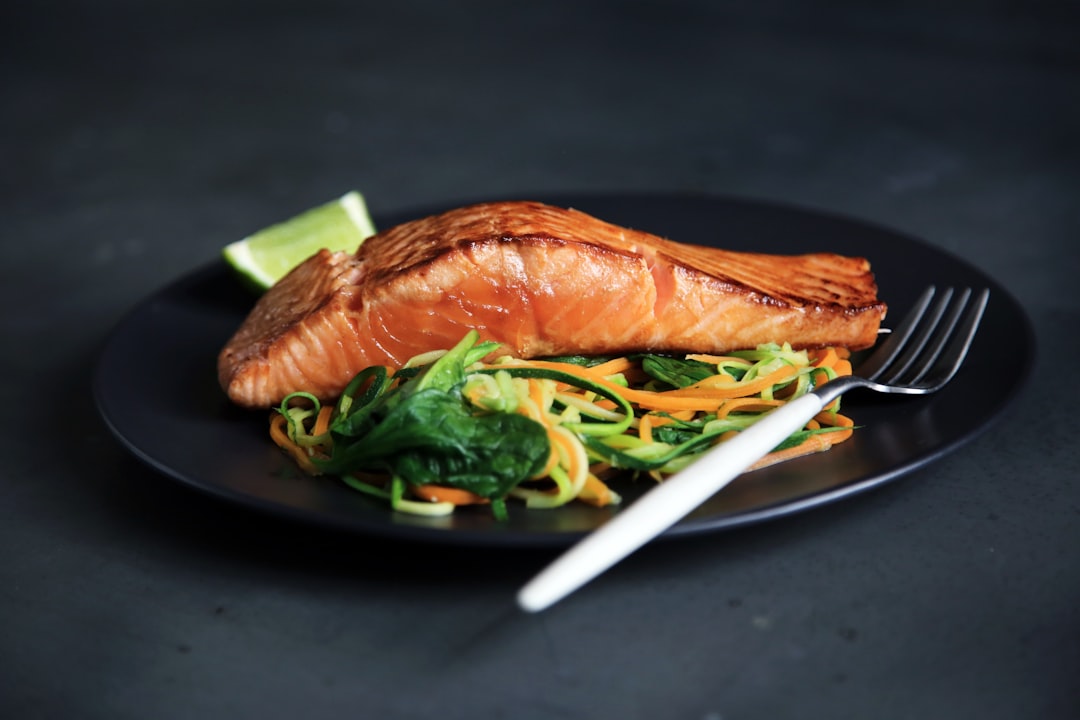
That does not mean everyone needs capsules. Food comes first. Salmon, sardines, mackerel, and tuna are good options. The supplement comes in when consistent food intake is difficult.
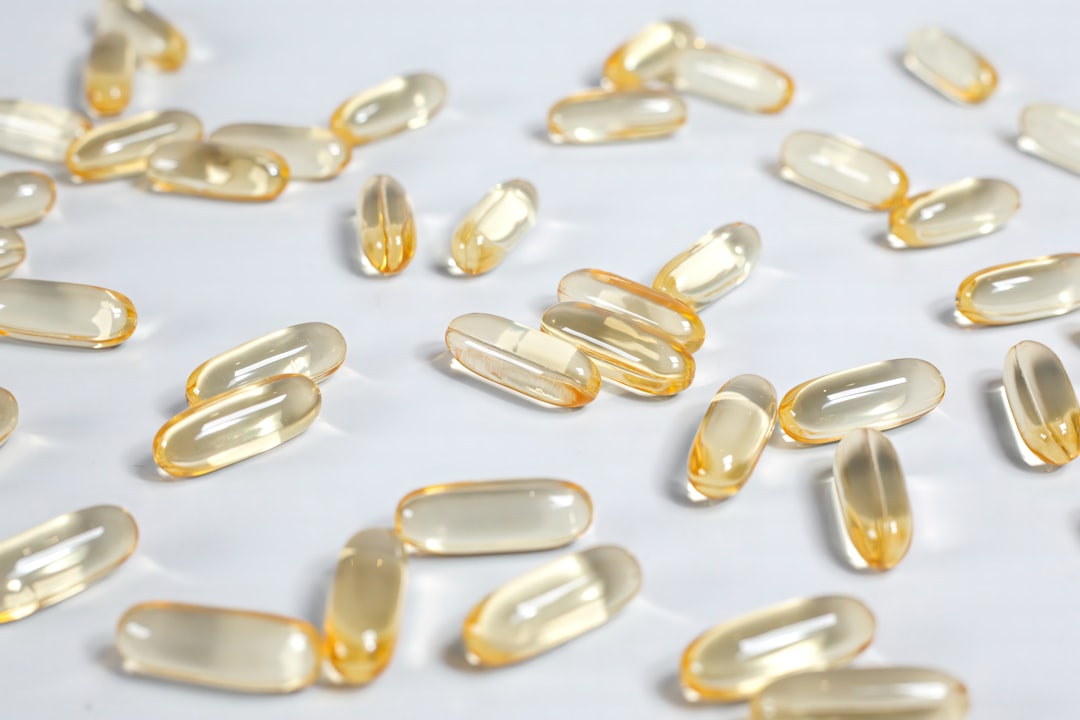
The strongest evidence for omega 3 is not direct muscle building. EPA and DHA are linked with cardiovascular health, especially lowering triglycerides at higher medical doses under clinical supervision. In sport, the picture is more modest: some studies suggest small reductions in muscle soreness or inflammatory markers after training, but the findings are not strong enough to call fish oil a guaranteed recovery supplement for everyone.
For muscle and strength, do not expect a performance jump from fish oil. It may support the general recovery environment if your EPA and DHA intake is low, but it works in the background. Progressive training, enough protein, sleep, and appropriate calories are still the bigger rocks.
Fish oil makes the most sense for someone who does not regularly eat fatty fish, follows a diet low in healthy fats, or wants practical nutrition coverage alongside a solid training plan. It may also be relevant for someone with a history of high triglycerides, but that decision should be made with a doctor because therapeutic dosing is not the same as general supplementation.
If you are fully plant based, look for an algae based DHA and EPA supplement instead of fish oil. Flax and chia are useful foods, but they are not the same thing for EPA and DHA.
Do not judge the product by total fish oil alone. The important number is combined EPA and DHA. A capsule labeled as 1000 mg fish oil may only contain around 300 mg of EPA and DHA. Read the smaller line on the label.
For general support, many people use a dose that provides about 1 to 2 grams per day of combined EPA and DHA, especially if they do not eat fish. Start at the lower end, take it with a meal, and watch digestion. Higher doses, especially if you have a medical condition or use medication, should be guided by a clinician.
Timing is not sensitive. Take fish oil with a meal that contains fat to improve digestion and absorption. If it gives you fishy reflux, try taking it with your largest meal, splitting the dose, or choosing a better quality product.
You do not need to take it before training. That is not how it works. Think of it as daily nutrition support, not an instant performance capsule.
Fish oil at moderate doses is suitable for most adults, but it is not unlimited. It can cause nausea, reflux, fishy burps, or loose stools. Choose a reputable product with quality testing when possible, because poor oils can oxidize and become unpleasant.
Speak with your doctor before using it if you take blood thinning medication, have a bleeding disorder, are preparing for surgery, have a fish or seafood allergy, or are pregnant or breastfeeding. A useful supplement is not worth ignoring an obvious medical situation.
Not directly. It may support general health and recovery in people with low EPA and DHA intake, but it does not replace resistance training, protein, or calories.
If you eat fatty fish regularly, probably not. The supplement is more useful when food intake does not cover the target.
It may help a little in some people, but the evidence is mixed. Do not treat it as the main solution. Training volume, sleep, nutrition, and smart progression matter more.
If you do not eat fatty fish, fish oil is a practical way to get EPA and DHA. Look for combined EPA and DHA, not just total fish oil, and start with a moderate dose taken with food. Do not expect muscle gain or fat loss from capsules.
Use it as one small piece inside a bigger plan: smart training, enough protein, good sleep, and consistent food choices. That is where the supplement becomes useful, because it serves the system instead of trying to rescue a messy one.
Your Next Step
At Hustle Nation, we do not start from the supplement shelf. We start with training, nutrition, sleep, and coaching, then use the right supplement when it serves the goal.
Book Your Free ConsultationAll information is based on peer reviewed research. This article is educational and does not constitute medical advice.
%20scale(0.92)'%3e%3cpath%20d='M%2046%2010%20A%2040%2040%200%200%200%2046%2090%20L%2046%2078%20A%209.5%209.5%200%200%201%2030.2%2069.8%20A%2011%2011%200%200%201%2022%2050%20A%2011%2011%200%200%201%2030.2%2030.2%20A%209.5%209.5%200%200%201%2046%2022%20Z'%20fill='%23e85d1f'/%3e%3cg%20fill='none'%20stroke='%23e85d1f'%20stroke-linecap='butt'%3e%3cpath%20d='M%2046%2038%20A%2012%2012%200%200%200%2046%2062'%20stroke-width='10'/%3e%3cpath%20d='M%2046%2050%20H%2056'%20stroke-width='10'/%3e%3c/g%3e%3cg%20fill='%23e85d1f'%3e%3crect%20x='56'%20y='16'%20width='12'%20height='68'/%3e%3crect%20x='74'%20y='28'%20width='10'%20height='44'/%3e%3crect%20x='90'%20y='40'%20width='8'%20height='20'/%3e%3c/g%3e%3c/g%3e%3cg%20fill='%23f7f4ef'%3e%3cpath%20d='M259.64,507.88h14.26v26.01h23.73v-26.01h14.26v64.25h-14.26v-26.01h-23.73v26.01h-14.26v-64.25Z'/%3e%3cpath%20d='M321.6,507.88h14.27v46.33c0,3.14,2.55,5.68,5.69,5.69h12.35c3.14,0,5.68-2.55,5.69-5.69v-46.33h14.27v47.41c-.03,9.29-7.55,16.81-16.84,16.84h-18.59c-9.29-.03-16.81-7.55-16.84-16.84v-47.41Z'/%3e%3cpath%20d='M399.04,507.88h42.49v12.23h-41.77c-2.08,0-3.77,1.69-3.77,3.77v6.08l27.82,6.38c5.98,1.32,10.22,6.65,10.18,12.78v5.7c-.03,9.55-7.76,17.29-17.32,17.32h-34.95v-12.23h34.23c2.08,0,3.77-1.69,3.77-3.77v-6.09l-27.77-6.37c-5.98-1.33-10.22-6.65-10.18-12.78v-.78c-.03-.44-.05-.87-.05-1.32v-3.6c.03-9.55,7.76-17.29,17.32-17.32Z'/%3e%3cpath%20d='M489.97,507.88v12.23h-19v52.02h-14.26v-52.02h-19v-12.23h52.26Z'/%3e%3cpath%20d='M521.03,572.13h-8.81c-9.55-.03-17.29-7.76-17.32-17.32v-46.93h14.26v48.25c0,2.08,1.69,3.77,3.77,3.77h34.23v12.23h-26.13Z'/%3e%3cpath%20d='M551.62,525.19c.03-9.55,7.76-17.29,17.32-17.32h34.95v12.23h-34.23c-2.08,0-3.77,1.69-3.77,3.77v32.25c0,2.08,1.69,3.77,3.77,3.77h34.23v12.23h-34.95c-9.55-.03-17.29-7.76-17.32-17.32v-29.61h0ZM593.83,533.89v12.23h-30.86v-12.23h30.86Z'/%3e%3c/g%3e%3cg%20fill='%23e85d1f'%3e%3cpath%20d='M608.34,507.88h17.23l20.77,42.48v-42.48h14.27v64.25h-17.23l-20.77-42.48v42.48h-14.26v-64.25Z'/%3e%3cpath%20d='M709.53,513.95l20.87,58.17h-15.16l-17.1-47.66-17.1,47.66h-15.15l20.87-58.17c1.27-3.67,4.75-6.12,8.63-6.08h5.5c3.89-.04,7.36,2.41,8.64,6.08Z'/%3e%3cpath%20d='M775.25,507.88v12.23h-19v52.02h-14.26v-52.02h-19v-12.23h52.26Z'/%3e%3cpath%20d='M780.72,572.13v-64.25h14.26v64.25h-14.26Z'/%3e%3cpath%20d='M856.39,525.19v29.61c-.03,9.55-7.76,17.29-17.32,17.32h-17.63c-9.55-.03-17.29-7.76-17.32-17.32v-29.61c.03-9.55,7.76-17.29,17.32-17.32h17.63c9.55.03,17.29,7.76,17.32,17.32ZM838.36,559.9c2.08,0,3.77-1.69,3.77-3.77v-32.25c0-2.08-1.69-3.77-3.77-3.77h-16.19c-2.08,0-3.77,1.69-3.77,3.77v32.25c0,2.08,1.69,3.77,3.77,3.77h16.19Z'/%3e%3cpath%20d='M865.54,507.88h17.23l20.77,42.48v-42.48h14.27v64.25h-17.23l-20.77-42.48v42.48h-14.26v-64.25Z'/%3e%3c/g%3e%3cpolygon%20fill='%23f7f4ef'%20points='703.28%20559.9%20707.67%20572.13%20688.63%20572.13%20693.01%20559.9%20703.28%20559.9'/%3e%3c/svg%3e)