A science based guide to pilates benefits, how it works, who benefits, and how to start correctly
Pilates is the number one training trend of 2026 according to NASM and ACE, and not without reason. If you are looking for a method to build core strength, flexibility, and movement control without heavy joint stress, pilates is a research proven approach.
But there is a lot of wrong information about pilates, some say it is easy exercises for beginners only, and some say it is a complete replacement for weight training. The truth is in the middle: pilates is a powerful training method for specific goals, and new 2026 research clarifies exactly what it does and for whom.
Pilates is a low impact training method focused on building core strength, improving balance, increasing flexibility, and improving movement control. It was developed in the early 20th century by Joseph Pilates, and is based on six core principles: concentration, control, center core, flow, precision, and breathing.
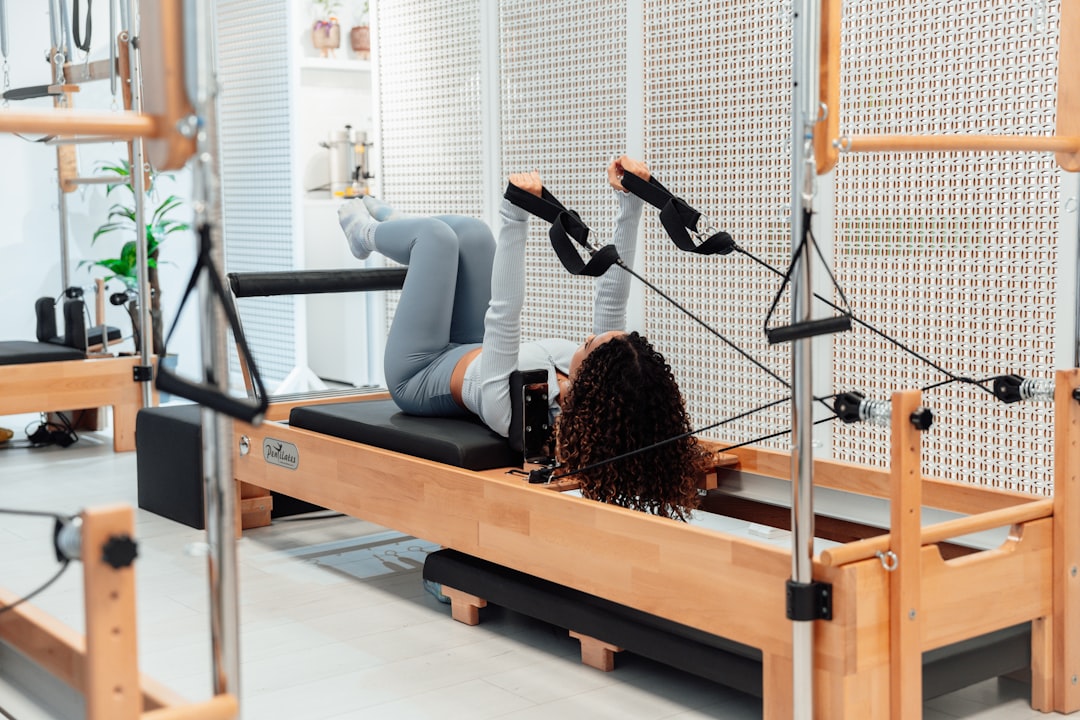
There are two main types of pilates: mat pilates using body weight and controlled movements, and reformer pilates using spring resistance. Both give similar results, but the reformer offers variable resistance and the mat is more accessible and widespread.
A comprehensive review from Journal of Education Health and Sport confirms that pilates improves muscle strength, flexibility, muscular endurance, and dynamic balance. A study from PubMed on middle aged men and women found statistically significant increases in abdominal endurance, hamstring flexibility, and upper body muscular endurance after 12 weeks of two 60 minute sessions per week.
Another study in PMC from 2025 found that pilates significantly reduced symptoms of depression, anxiety, and stress compared to the inactive control group. And a published blinded randomized clinical trial found that mat pilates reduced pain and improved physical function in middle aged women suffering from chronic lower back pain.
The summary from research: pilates is not just light training, but an evidence based method that improves strength, flexibility, balance, mental health, and chronic pain when applied regularly.
1. Functional Core Strength
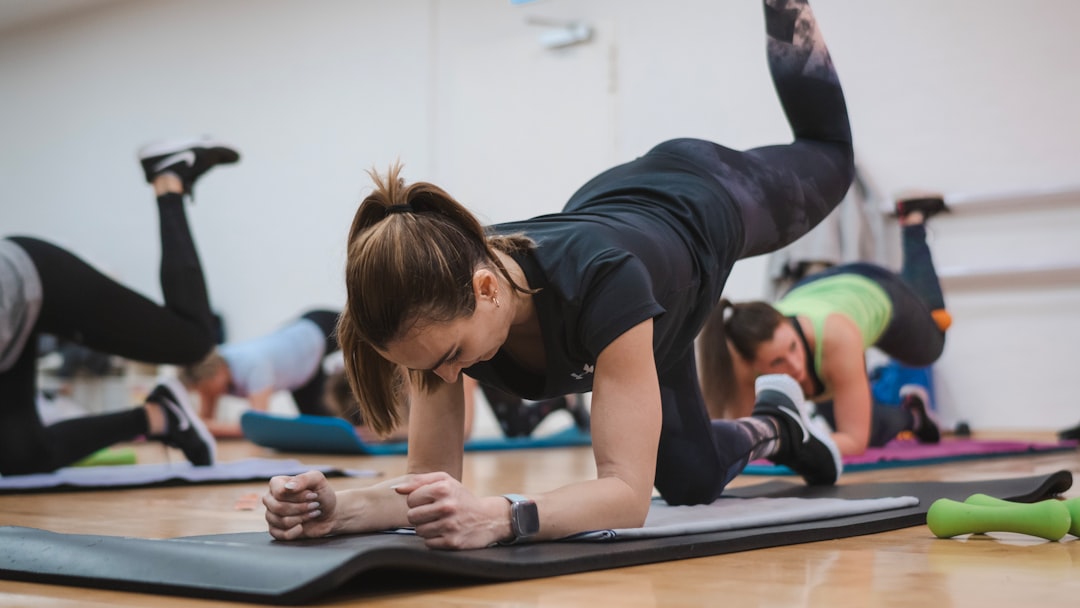
The core is not just the six pack abs. Pilates strengthens the complete core including the deep abdominals, back muscles, pelvic floor, and the muscles surrounding the spine. This functional strength improves daily posture, reduces lower back pain, and protects the spine during lifting and daily movements.
2. Dynamic Flexibility
Instead of static stretching, pilates improves flexibility through controlled dynamic movements that increase range of motion in the hamstrings, shoulders, and spine at the same time. This dynamic approach trains the nervous system to accept greater range under load, and this transfers to movement improvements in real life.
3. Improved Posture
Sitting for long hours creates muscular imbalances: tight chest, shoulders pulled forward, and weak back. Pilates addresses these imbalances by strengthening back muscles and lengthening chest and shoulder muscles, which restores neutral posture and reduces chronic tension.
4. Low Impact Training Safe for Joints
Unlike running or high intensity jump training, pilates is gentle on the joints while strengthening the surrounding muscles. This makes it ideal for people recovering from injuries, older adults, or anyone who wants to build strength without joint stress.
5. Mental Health and Focus
The focus on breathing and controlled movement creates a mindfulness effect that reduces stress and improves mental state. PMC research from 2025 confirmed that pilates significantly reduced depression, anxiety, and stress compared to an inactive group.
Beginners: a safe way to start building strength and movement without the high injury risk from heavy weights. Desk workers: reverses posture imbalances from prolonged sitting and reduces neck and lower back pain. Older adults: improves balance, flexibility, and functional strength that protects independence. People recovering from injuries: low impact rehabilitation that rebuilds strength and movement control without aggravating injury. Athletes: accessory work that improves core strength, balance, and flexibility, and reduces injury risk in other sports.
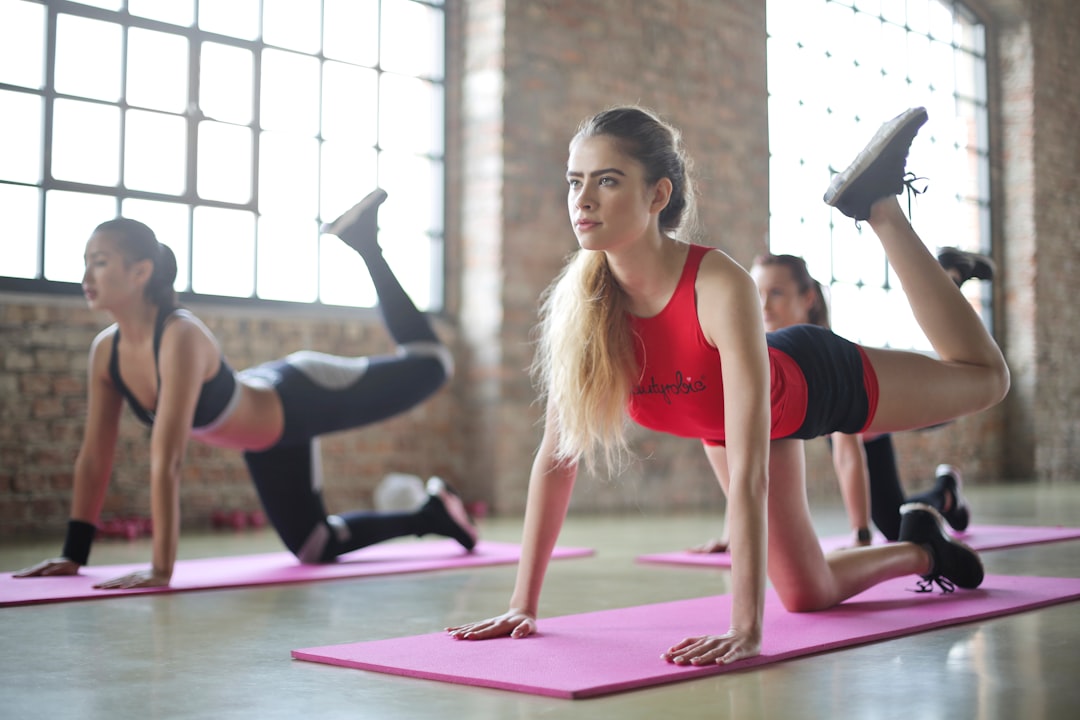
If you are new to pilates, it is best to start with a class or instructor until you learn correct form, breathing, and control. Pilates looks easy, but correct execution requires precision.
Step 1: Choose the Type
Mat pilates: uses body weight only, can be done at home, and only needs a mat. Reformer pilates: uses the reformer machine with spring resistance, provides variable resistance and extra support, but requires a studio or equipment. For beginners, mat pilates is easier to start.
Step 2: Start with Two to Three Sessions Per Week
Research shows clear improvements from two 60 minute sessions per week, but three sessions are better for faster progress. One session per week may maintain the current level but does not give strong progress.
Step 3: Focus on Basics First
Basic movements like hundred, roll up, single leg stretch, plank, and bridge are the foundation. Before you move to advanced exercises, master these basics with correct breathing and controlled form.
Step 4: Combine with Weight Training
Pilates is excellent for core, flexibility, and balance, but weight training with progressive overload is better for building muscle and maximum strength. The best program for many combines both: compound weight training 2 to 3 times per week, and pilates 2 times per week for core, flexibility, and active recovery.
1. Focusing on Quantity Instead of Quality
Pilates is based on precision. Ten controlled reps are better than thirty fast reps without control. Every movement must be slow and controlled with correct breathing.
2. Ignoring Breathing
Breathing is not extra, but an essential part of every movement. Correct breathing activates the deep core and improves movement control. If you are holding your breath, the form is wrong.
3. Using Pilates as a Complete Replacement for Weight Training
Pilates is excellent for specific goals, but it does not build large muscles or maximum strength like weight training with progressive overload. If your goal is building muscle and strength, pilates is excellent accessory work but not the complete program.
4. Giving Up Too Early
Improvements in flexibility, core, and balance appear after 4 to 8 weeks of commitment. Many people quit after two weeks because they do not see immediate results. Give yourself time.
Pilates is an evidence based training method that improves core strength, flexibility, balance, posture, and mental health. Research supports its benefits for people of all ages and levels, from beginners to advanced athletes.
If you sit for long hours, suffer from lower back pain, want to improve posture, are recovering from injury, or want accessory work that complements weight training, pilates is an excellent choice. Start with two to three sessions per week, focus on correct form and breathing, and give yourself 8 weeks to see real improvements.
Coach Huss designs personalized training programs that fit your level, time, and goals.
Book Your Free Consultation%20scale(0.92)'%3e%3cpath%20d='M%2046%2010%20A%2040%2040%200%200%200%2046%2090%20L%2046%2078%20A%209.5%209.5%200%200%201%2030.2%2069.8%20A%2011%2011%200%200%201%2022%2050%20A%2011%2011%200%200%201%2030.2%2030.2%20A%209.5%209.5%200%200%201%2046%2022%20Z'%20fill='%23e85d1f'/%3e%3cg%20fill='none'%20stroke='%23e85d1f'%20stroke-linecap='butt'%3e%3cpath%20d='M%2046%2038%20A%2012%2012%200%200%200%2046%2062'%20stroke-width='10'/%3e%3cpath%20d='M%2046%2050%20H%2056'%20stroke-width='10'/%3e%3c/g%3e%3cg%20fill='%23e85d1f'%3e%3crect%20x='56'%20y='16'%20width='12'%20height='68'/%3e%3crect%20x='74'%20y='28'%20width='10'%20height='44'/%3e%3crect%20x='90'%20y='40'%20width='8'%20height='20'/%3e%3c/g%3e%3c/g%3e%3cg%20fill='%23f7f4ef'%3e%3cpath%20d='M259.64,507.88h14.26v26.01h23.73v-26.01h14.26v64.25h-14.26v-26.01h-23.73v26.01h-14.26v-64.25Z'/%3e%3cpath%20d='M321.6,507.88h14.27v46.33c0,3.14,2.55,5.68,5.69,5.69h12.35c3.14,0,5.68-2.55,5.69-5.69v-46.33h14.27v47.41c-.03,9.29-7.55,16.81-16.84,16.84h-18.59c-9.29-.03-16.81-7.55-16.84-16.84v-47.41Z'/%3e%3cpath%20d='M399.04,507.88h42.49v12.23h-41.77c-2.08,0-3.77,1.69-3.77,3.77v6.08l27.82,6.38c5.98,1.32,10.22,6.65,10.18,12.78v5.7c-.03,9.55-7.76,17.29-17.32,17.32h-34.95v-12.23h34.23c2.08,0,3.77-1.69,3.77-3.77v-6.09l-27.77-6.37c-5.98-1.33-10.22-6.65-10.18-12.78v-.78c-.03-.44-.05-.87-.05-1.32v-3.6c.03-9.55,7.76-17.29,17.32-17.32Z'/%3e%3cpath%20d='M489.97,507.88v12.23h-19v52.02h-14.26v-52.02h-19v-12.23h52.26Z'/%3e%3cpath%20d='M521.03,572.13h-8.81c-9.55-.03-17.29-7.76-17.32-17.32v-46.93h14.26v48.25c0,2.08,1.69,3.77,3.77,3.77h34.23v12.23h-26.13Z'/%3e%3cpath%20d='M551.62,525.19c.03-9.55,7.76-17.29,17.32-17.32h34.95v12.23h-34.23c-2.08,0-3.77,1.69-3.77,3.77v32.25c0,2.08,1.69,3.77,3.77,3.77h34.23v12.23h-34.95c-9.55-.03-17.29-7.76-17.32-17.32v-29.61h0ZM593.83,533.89v12.23h-30.86v-12.23h30.86Z'/%3e%3c/g%3e%3cg%20fill='%23e85d1f'%3e%3cpath%20d='M608.34,507.88h17.23l20.77,42.48v-42.48h14.27v64.25h-17.23l-20.77-42.48v42.48h-14.26v-64.25Z'/%3e%3cpath%20d='M709.53,513.95l20.87,58.17h-15.16l-17.1-47.66-17.1,47.66h-15.15l20.87-58.17c1.27-3.67,4.75-6.12,8.63-6.08h5.5c3.89-.04,7.36,2.41,8.64,6.08Z'/%3e%3cpath%20d='M775.25,507.88v12.23h-19v52.02h-14.26v-52.02h-19v-12.23h52.26Z'/%3e%3cpath%20d='M780.72,572.13v-64.25h14.26v64.25h-14.26Z'/%3e%3cpath%20d='M856.39,525.19v29.61c-.03,9.55-7.76,17.29-17.32,17.32h-17.63c-9.55-.03-17.29-7.76-17.32-17.32v-29.61c.03-9.55,7.76-17.29,17.32-17.32h17.63c9.55.03,17.29,7.76,17.32,17.32ZM838.36,559.9c2.08,0,3.77-1.69,3.77-3.77v-32.25c0-2.08-1.69-3.77-3.77-3.77h-16.19c-2.08,0-3.77,1.69-3.77,3.77v32.25c0,2.08,1.69,3.77,3.77,3.77h16.19Z'/%3e%3cpath%20d='M865.54,507.88h17.23l20.77,42.48v-42.48h14.27v64.25h-17.23l-20.77-42.48v42.48h-14.26v-64.25Z'/%3e%3c/g%3e%3cpolygon%20fill='%23f7f4ef'%20points='703.28%20559.9%20707.67%20572.13%20688.63%20572.13%20693.01%20559.9%20703.28%20559.9'/%3e%3c/svg%3e)