
A science based guide to jump training, research evidence, real benefits, and how to start safely
Explosive power is not just for professional athletes. The ability to generate quick sudden force is needed in every physical activity: a short jump to avoid a hole in the road, lifting a child quickly, catching a train, running to catch the bus, or even keeping your balance when you trip. Explosive power is functional strength.
Plyometric training is the most effective method for building this explosive power. Plyometrics means jump exercises and explosive movements that use the Stretch Shortening Cycle. Simply: the muscle stretches quickly then contracts powerfully immediately. This pattern teaches your neuromuscular system to generate greater force in less time.
Plyometrics is any exercise that includes a rapid explosive movement. Common examples include box jump, squat jump, broad jump, single leg hop, and depth jump. Each type trains the body to absorb impact quickly then release maximum force.
The science behind plyometrics is simple but powerful. When you land from a jump, your muscles stretch under load. If the muscle contracts immediately after stretching (within less than 0.25 seconds), energy is stored in the tendons and elastic tissues then released as explosive force. This is the Stretch Shortening Cycle. Plyometric training improves this cycle by improving neuromuscular coordination, tendon stiffness, and speed of force production.

Plyometric training is not a trend. Thousands of scientific studies confirm the benefits.
1. Increased Explosive Power and Capacity
A comprehensive review from Frontiers in Physiology in 2025 confirmed that plyometric training significantly improves counter movement jump performance compared to routine regular training. Another study from PMC in 2026 on young athletes showed measurable improvements in jump height, takeoff velocity, and thrust force after integrating plyometric exercises into the training program for 8 weeks.
2. Improved Speed and Acceleration
Plyometric training improves your ability to accelerate quickly. A study from Nature in 2026 compared unilateral (one leg) and bilateral (both legs) plyometric training with linear sprint exercises. The result: both types improved neuromuscular performance and sprint speed in young basketball players. Plyometrics increase the rate of force development, which is the key to rapid acceleration.
3. Tendon Health and Reduced Injury Risk
Plyometric training builds tendon strength and resilience. Controlled landing from jumps improves the ability of tendons to bear and store energy. A study from Kheljournal in 2026 confirmed that plyometrics improve neuromuscular adaptations that reduce the risk of knee and ankle injuries when applied progressively and correctly.
4. Improved Running Economy
Running economy means using less energy for the same speed. Plyometric training improves tendon stiffness and reduces ground contact time, which improves running efficiency. A study from PMC in 2024 on runners confirmed that adding plyometric exercises twice weekly for 10 weeks improved running economy by 5 to 8 percent.
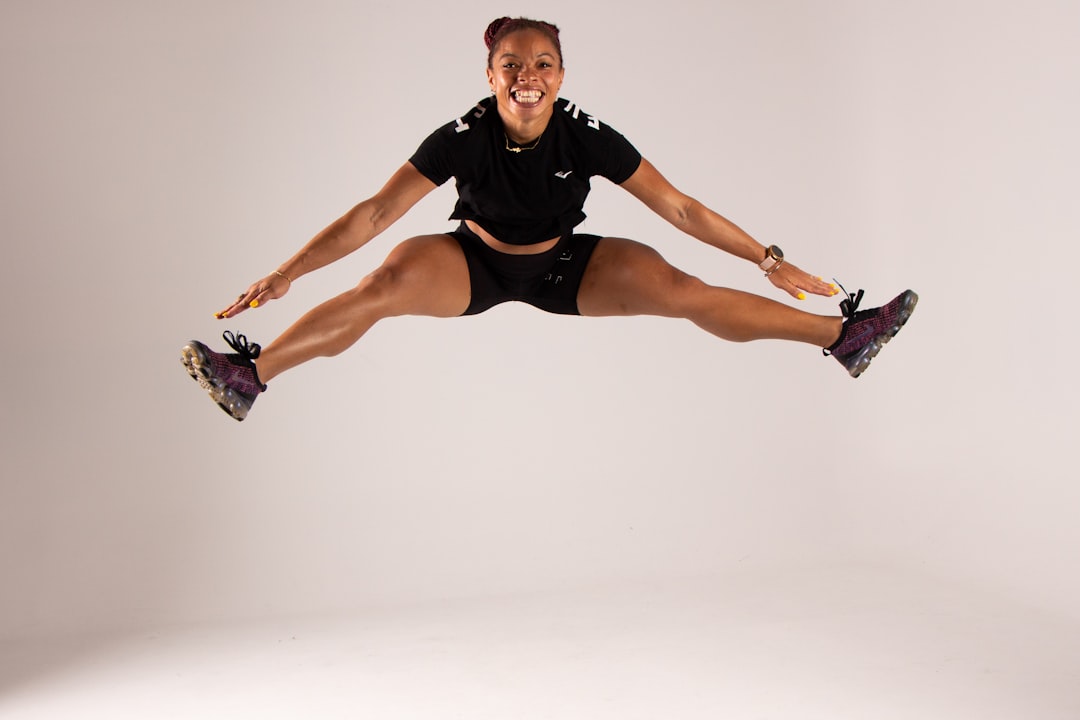
Plyometrics are not just for professional athletes. Anyone who wants to improve strength, speed, and functional performance benefits.
Athletes
Soccer players, basketball, running, tennis, CrossFit, or any sport that requires speed and explosive power. Plyometrics directly improve performance on the field.
Runners
Plyometrics improve running efficiency, acceleration, and reduce injury risk by strengthening tendons and muscles around the knee and ankle. A comprehensive guide from RunBikeCalc in 2026 confirmed that runners who add plyometric exercises improve their speed and power without increasing aerobic training volume.
Regular Trainees Who Want Variety and Better Performance
Adding jump exercises to your routine strength program breaks boredom and improves functional performance. Explosive power helps you in daily life more than slow strength alone.
People Over Forty Who Want to Maintain Quick Movement
With age, we lose explosive power faster than maximum strength. Light plyometric training (low jumps, short box jumps) maintains neuromuscular reaction speed and tendon health, which reduces fall risk.
Plyometrics are effective but they place high stress on joints and tendons. Proper gradual progression is essential to avoid injury.
1. Build a Strength Base First
Before starting plyometrics, you must have sufficient basic strength. General rule: ability to perform a full deep bodyweight squat for 10 reps with correct form, and bodyweight lunges for 8 reps per leg. If you have not reached this level yet, continue basic strength training first.
2. Start with Low Intensity Movements
The first safe plyometric exercise for beginners is the bodyweight squat jump. Stand, lower to a squat, then jump up powerfully. Land softly with bent knees to absorb impact. Start with 3 sets of 5 reps only, twice weekly. Add other types after two to four weeks.
3. Master Landing Before Anything
Most plyometric injuries come from poor landing, not from jumping. Practice landing from a low height (20 centimeters like one step) with focus on soft landing: land on the forefoot first, then heel, with knee and hip bending simultaneously. No loud sound, no knee collapse inward.
4. Low Volume, High Intensity, Full Rest
Plyometrics are not endurance exercises. The goal is maximum power in every rep, so full rest between sets (2 to 3 minutes) is necessary. Total volume should stay low: for beginners 30 to 50 ground contacts per session, for intermediates 50 to 100, for advanced only 100 to 150. Each jump counts as one contact (box jump equals two contacts: landing on box and landing on ground).
5. Twice Weekly Is Enough
Plyometrics place high stress on the nervous system and tendons. Most athletes and trainees get the best results from two plyometric sessions weekly, with at least 48 hours between sessions. Three sessions weekly are possible for professional athletes only.
This is a safe weekly program for trainees who have sufficient strength base and want to add plyometrics.
Day One (After Leg Training or on a Separate Day)
Squat jump exercise: 3 sets × 5 reps<br />Rest 2 to 3 minutes between sets<br />Broad jump exercise: 3 sets × 3 reps<br />Rest 2 to 3 minutes<br />Total: 24 ground contacts
Day Two (At Least 48 Hours Later)
Low box jump exercise (30 centimeters): 3 sets × 4 reps<br />Rest 2 to 3 minutes<br />Single leg hop in place exercise: 3 sets × 3 reps per leg<br />Rest 2 to 3 minutes<br />Total: 42 ground contacts
After 4 weeks of this program, gradually increase reps or add one new exercise. Do not increase more than 10 to 15 percent in total volume every two weeks.
1. Starting with Too Much Volume
Plyometrics are not cardio. Large volume at the start causes severe muscle soreness or tendon injury. Start with 30 to 50 contacts only in the first session.
2. Ignoring Landing Technique
Landing with a straight knee or knee collapse inward causes direct injury. Practice correct landing first before focusing on jump height.
3. Adding Plyometrics Without a Strength Base
If you cannot perform a full deep squat with correct form, plyometrics are too early. Build basic strength first.
4. Using Plyometrics as a Replacement for Strength Training
Plyometrics complement strength training, they do not replace it. You need both: maximum strength from heavy weights, and explosive power from plyometrics.
5. Insufficient Rest
Plyometrics drain the nervous system. Without 2 to 3 minutes rest between sets, performance deteriorates and injury becomes easier. Take full rest.
Plyometric training is the most effective method for building explosive power, improving speed, increasing running efficiency, and strengthening tendons. The scientific evidence is clear: plyometrics improve athletic and functional performance when applied progressively and correctly.
Start with sufficient strength base, master landing technique, start with low volume and high intensity, take full rest between sets, and apply plyometrics twice weekly only. Plyometrics are not for everyone at every stage, but if you are ready, the results are strong and fast.
Want a complete training program that combines strength and explosive power safely and effectively? Book your free consultation with Coach Huss.
%20scale(0.92)'%3e%3cpath%20d='M%2046%2010%20A%2040%2040%200%200%200%2046%2090%20L%2046%2078%20A%209.5%209.5%200%200%201%2030.2%2069.8%20A%2011%2011%200%200%201%2022%2050%20A%2011%2011%200%200%201%2030.2%2030.2%20A%209.5%209.5%200%200%201%2046%2022%20Z'%20fill='%23e85d1f'/%3e%3cg%20fill='none'%20stroke='%23e85d1f'%20stroke-linecap='butt'%3e%3cpath%20d='M%2046%2038%20A%2012%2012%200%200%200%2046%2062'%20stroke-width='10'/%3e%3cpath%20d='M%2046%2050%20H%2056'%20stroke-width='10'/%3e%3c/g%3e%3cg%20fill='%23e85d1f'%3e%3crect%20x='56'%20y='16'%20width='12'%20height='68'/%3e%3crect%20x='74'%20y='28'%20width='10'%20height='44'/%3e%3crect%20x='90'%20y='40'%20width='8'%20height='20'/%3e%3c/g%3e%3c/g%3e%3cg%20fill='%23f7f4ef'%3e%3cpath%20d='M259.64,507.88h14.26v26.01h23.73v-26.01h14.26v64.25h-14.26v-26.01h-23.73v26.01h-14.26v-64.25Z'/%3e%3cpath%20d='M321.6,507.88h14.27v46.33c0,3.14,2.55,5.68,5.69,5.69h12.35c3.14,0,5.68-2.55,5.69-5.69v-46.33h14.27v47.41c-.03,9.29-7.55,16.81-16.84,16.84h-18.59c-9.29-.03-16.81-7.55-16.84-16.84v-47.41Z'/%3e%3cpath%20d='M399.04,507.88h42.49v12.23h-41.77c-2.08,0-3.77,1.69-3.77,3.77v6.08l27.82,6.38c5.98,1.32,10.22,6.65,10.18,12.78v5.7c-.03,9.55-7.76,17.29-17.32,17.32h-34.95v-12.23h34.23c2.08,0,3.77-1.69,3.77-3.77v-6.09l-27.77-6.37c-5.98-1.33-10.22-6.65-10.18-12.78v-.78c-.03-.44-.05-.87-.05-1.32v-3.6c.03-9.55,7.76-17.29,17.32-17.32Z'/%3e%3cpath%20d='M489.97,507.88v12.23h-19v52.02h-14.26v-52.02h-19v-12.23h52.26Z'/%3e%3cpath%20d='M521.03,572.13h-8.81c-9.55-.03-17.29-7.76-17.32-17.32v-46.93h14.26v48.25c0,2.08,1.69,3.77,3.77,3.77h34.23v12.23h-26.13Z'/%3e%3cpath%20d='M551.62,525.19c.03-9.55,7.76-17.29,17.32-17.32h34.95v12.23h-34.23c-2.08,0-3.77,1.69-3.77,3.77v32.25c0,2.08,1.69,3.77,3.77,3.77h34.23v12.23h-34.95c-9.55-.03-17.29-7.76-17.32-17.32v-29.61h0ZM593.83,533.89v12.23h-30.86v-12.23h30.86Z'/%3e%3c/g%3e%3cg%20fill='%23e85d1f'%3e%3cpath%20d='M608.34,507.88h17.23l20.77,42.48v-42.48h14.27v64.25h-17.23l-20.77-42.48v42.48h-14.26v-64.25Z'/%3e%3cpath%20d='M709.53,513.95l20.87,58.17h-15.16l-17.1-47.66-17.1,47.66h-15.15l20.87-58.17c1.27-3.67,4.75-6.12,8.63-6.08h5.5c3.89-.04,7.36,2.41,8.64,6.08Z'/%3e%3cpath%20d='M775.25,507.88v12.23h-19v52.02h-14.26v-52.02h-19v-12.23h52.26Z'/%3e%3cpath%20d='M780.72,572.13v-64.25h14.26v64.25h-14.26Z'/%3e%3cpath%20d='M856.39,525.19v29.61c-.03,9.55-7.76,17.29-17.32,17.32h-17.63c-9.55-.03-17.29-7.76-17.32-17.32v-29.61c.03-9.55,7.76-17.29,17.32-17.32h17.63c9.55.03,17.29,7.76,17.32,17.32ZM838.36,559.9c2.08,0,3.77-1.69,3.77-3.77v-32.25c0-2.08-1.69-3.77-3.77-3.77h-16.19c-2.08,0-3.77,1.69-3.77,3.77v32.25c0,2.08,1.69,3.77,3.77,3.77h16.19Z'/%3e%3cpath%20d='M865.54,507.88h17.23l20.77,42.48v-42.48h14.27v64.25h-17.23l-20.77-42.48v42.48h-14.26v-64.25Z'/%3e%3c/g%3e%3cpolygon%20fill='%23f7f4ef'%20points='703.28%20559.9%20707.67%20572.13%20688.63%20572.13%20693.01%20559.9%20703.28%20559.9'/%3e%3c/svg%3e)