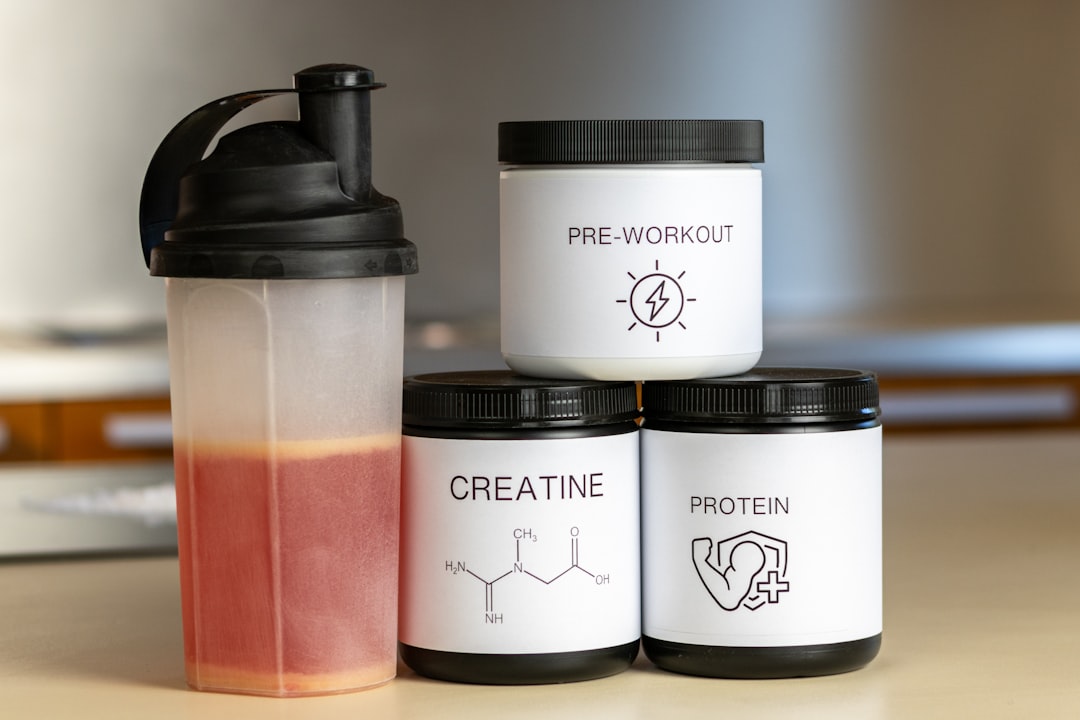
A science based guide to evidence backed ingredients, dosages, timing, and new 2026 research on caffeine and sleep
Pre workout supplements became one of the most popular supplements in 2026, but a new study published in March 2026 in ScienceDaily warned that many popular products contain dangerous amounts of caffeine causing severe sleep loss, especially in young people.
The good news: some ingredients in pre workout supplements are backed by strong research and really work to improve performance. The bad news: many products contain unsafe doses, ineffective ingredients, or do not clearly disclose total caffeine.
This guide covers science backed ingredients, safe and effective dosages, proper timing, and how to avoid risks based on the latest 2026 research.
Not all ingredients in pre workout supplements have strong evidence. These are the ones that actually work.
1. Caffeine
The most researched and effective ingredient. Caffeine improves strength, endurance, focus, and reduces perceived effort. Hundreds of studies confirm its benefits.
Effective dose: 3 to 6 milligrams per kilogram of body weight. A person weighing 80 kilos needs 240 to 480 milligrams. Most pre workout supplements contain 150 to 400 milligrams per serving.
Timing: take caffeine 30 to 60 minutes before training. Peak blood concentration reaches after about 45 minutes.
2. Creatine Monohydrate
One of the most researched supplements ever. Creatine improves strength, power, and muscle growth in high intensity exercise.
Dose: 5 grams daily. No need for loading phase. Can be taken any time, not necessarily immediately before training.
3. Beta Alanine
Improves muscular endurance in exercise lasting one to ten minutes. Useful for high rep sets and repeated high intensity exercise.
Dose: 3 to 6 grams daily. The effect is cumulative, meaning you need to take it for two to four weeks before you see full benefits. It causes mild tingling in the skin in some people, and this is normal and harmless.
4. Citrulline Malate
Improves blood flow and oxygen delivery to muscles. Research shows mild benefits for endurance and reducing muscle soreness.
Dose: 6 to 8 grams 60 minutes before training. Most pre workout supplements contain much lower doses than the effective dose, so check the label.
The March 2026 study published in ScienceDaily found that pre workout supplement use is linked to dangerous sleep loss in young people and adolescents. The problem: many products contain 300 to 400 milligrams of caffeine per serving, and some people take two servings, resulting in doses reaching 600 to 800 milligrams.
The half life of caffeine is four to six hours, meaning half the amount remains in your body after six hours. If you took 400 milligrams of caffeine at 6 PM, you still have 200 milligrams in your body at midnight, and this destroys sleep quality even if you sleep.
Experts recommend: if you train in the evening, avoid pre workout supplements that contain more than 100 milligrams of caffeine, or use a caffeine free version. Sleep is more important for recovery and muscle growth than any immediate boost from a supplement.
Warning Signs of Excess Caffeine
Anxiety, hand tremor, fast or irregular heartbeat, nausea, headache, difficulty sleeping or shallow sleep, severe energy crash after training. If you experience these symptoms, reduce the dose or stop use.
Many pre workout supplements contain ingredients with fancy names but without enough research to support their claims.
BCAA (Branched Chain Amino Acids)
Evidence is weak on BCAA benefit before training when you eat enough protein daily. Complete protein from food or whey supplement gives you the same benefits at lower cost.
Glutamine
Research does not show clear benefits for glutamine on performance or recovery in healthy people who eat enough protein.
Proprietary Blends
Beware of products that list ingredients in a proprietary blend without disclosing individual doses. This means you do not know if you are getting an effective dose of beneficial ingredients, or if most of the blend is just filler.
The short answer: no, it is not necessary. You can get the same benefits from separate ingredients at lower cost and greater control over dosages.
Simpler and Cheaper Alternatives
A cup of coffee or a caffeine capsule of 200 to 300 milligrams 45 minutes before training gives you the same energy and focus boost at much lower cost. If you want to add creatine, take 5 grams of creatine monohydrate daily any time.
Simple pre workout meal: banana, oats, or bread with coffee gives you stable and sustained energy without excess caffeine or mysterious ingredients.
When Pre Workout Supplements Might Be Useful
If you train early in the morning before eating and need a quick boost. If you are a professional athlete or competitor who needs maximum performance in every session. If you have limited time and cannot prepare a pre workout meal.
But for the average person who trains three to four times weekly, simple coffee, good sleep, balanced nutrition, and a smart training program give much better results than any pre workout supplement.
If you decide to use a pre workout supplement, follow these rules to minimize risks.
1. Read the Full Label
Check total caffeine amount. Some products list caffeine from multiple sources, making the total much higher than you expect.
2. Start With Half Serving
Do not take the full dose the first time. Start with half serving to assess tolerance and avoid unexpected side effects.
3. Avoid Late Day Use
Do not take caffeine from pre workout supplement after 3 or 4 PM if you sleep at 10 or 11 PM. Sleep is more important than any single workout.
4. Do Not Combine With Other Caffeine Sources
If you took a pre workout supplement, do not drink coffee or energy drink before or after training. Caffeine accumulation significantly increases risks.
5. Consult a Doctor If You Have a Health Condition
If you have high blood pressure, heart problems, anxiety, or take medications, talk to a doctor before using pre workout supplements. Caffeine can interact with medications and increase risks.
Pre workout supplements are not necessary, but some ingredients are effective: caffeine improves performance and focus, creatine improves strength and muscle, beta alanine improves muscular endurance, and citrulline may help blood flow and recovery.
But beware: many products contain excess caffeine that destroys sleep, especially if you train in the evening. New 2026 research shows real risks to sleep and mental health in young people.
The simpler, cheaper, and safer alternative: a cup of coffee 45 minutes before training, 5 grams of creatine daily, enough sleep, and balanced nutrition. This gives you the same benefits without the risks of high doses or mysterious ingredients.
If you use or are thinking about using a pre workout supplement, read the label carefully, start with half serving, avoid late use, and do not combine with other caffeine sources. Your sleep and long term health are more important than an immediate boost in one session.
Training and nutrition programs that fit your goal and schedule, with clear advice on useful and safe supplements
Start Training with Coach Huss%20scale(0.92)'%3e%3cpath%20d='M%2046%2010%20A%2040%2040%200%200%200%2046%2090%20L%2046%2078%20A%209.5%209.5%200%200%201%2030.2%2069.8%20A%2011%2011%200%200%201%2022%2050%20A%2011%2011%200%200%201%2030.2%2030.2%20A%209.5%209.5%200%200%201%2046%2022%20Z'%20fill='%23e85d1f'/%3e%3cg%20fill='none'%20stroke='%23e85d1f'%20stroke-linecap='butt'%3e%3cpath%20d='M%2046%2038%20A%2012%2012%200%200%200%2046%2062'%20stroke-width='10'/%3e%3cpath%20d='M%2046%2050%20H%2056'%20stroke-width='10'/%3e%3c/g%3e%3cg%20fill='%23e85d1f'%3e%3crect%20x='56'%20y='16'%20width='12'%20height='68'/%3e%3crect%20x='74'%20y='28'%20width='10'%20height='44'/%3e%3crect%20x='90'%20y='40'%20width='8'%20height='20'/%3e%3c/g%3e%3c/g%3e%3cg%20fill='%23f7f4ef'%3e%3cpath%20d='M259.64,507.88h14.26v26.01h23.73v-26.01h14.26v64.25h-14.26v-26.01h-23.73v26.01h-14.26v-64.25Z'/%3e%3cpath%20d='M321.6,507.88h14.27v46.33c0,3.14,2.55,5.68,5.69,5.69h12.35c3.14,0,5.68-2.55,5.69-5.69v-46.33h14.27v47.41c-.03,9.29-7.55,16.81-16.84,16.84h-18.59c-9.29-.03-16.81-7.55-16.84-16.84v-47.41Z'/%3e%3cpath%20d='M399.04,507.88h42.49v12.23h-41.77c-2.08,0-3.77,1.69-3.77,3.77v6.08l27.82,6.38c5.98,1.32,10.22,6.65,10.18,12.78v5.7c-.03,9.55-7.76,17.29-17.32,17.32h-34.95v-12.23h34.23c2.08,0,3.77-1.69,3.77-3.77v-6.09l-27.77-6.37c-5.98-1.33-10.22-6.65-10.18-12.78v-.78c-.03-.44-.05-.87-.05-1.32v-3.6c.03-9.55,7.76-17.29,17.32-17.32Z'/%3e%3cpath%20d='M489.97,507.88v12.23h-19v52.02h-14.26v-52.02h-19v-12.23h52.26Z'/%3e%3cpath%20d='M521.03,572.13h-8.81c-9.55-.03-17.29-7.76-17.32-17.32v-46.93h14.26v48.25c0,2.08,1.69,3.77,3.77,3.77h34.23v12.23h-26.13Z'/%3e%3cpath%20d='M551.62,525.19c.03-9.55,7.76-17.29,17.32-17.32h34.95v12.23h-34.23c-2.08,0-3.77,1.69-3.77,3.77v32.25c0,2.08,1.69,3.77,3.77,3.77h34.23v12.23h-34.95c-9.55-.03-17.29-7.76-17.32-17.32v-29.61h0ZM593.83,533.89v12.23h-30.86v-12.23h30.86Z'/%3e%3c/g%3e%3cg%20fill='%23e85d1f'%3e%3cpath%20d='M608.34,507.88h17.23l20.77,42.48v-42.48h14.27v64.25h-17.23l-20.77-42.48v42.48h-14.26v-64.25Z'/%3e%3cpath%20d='M709.53,513.95l20.87,58.17h-15.16l-17.1-47.66-17.1,47.66h-15.15l20.87-58.17c1.27-3.67,4.75-6.12,8.63-6.08h5.5c3.89-.04,7.36,2.41,8.64,6.08Z'/%3e%3cpath%20d='M775.25,507.88v12.23h-19v52.02h-14.26v-52.02h-19v-12.23h52.26Z'/%3e%3cpath%20d='M780.72,572.13v-64.25h14.26v64.25h-14.26Z'/%3e%3cpath%20d='M856.39,525.19v29.61c-.03,9.55-7.76,17.29-17.32,17.32h-17.63c-9.55-.03-17.29-7.76-17.32-17.32v-29.61c.03-9.55,7.76-17.29,17.32-17.32h17.63c9.55.03,17.29,7.76,17.32,17.32ZM838.36,559.9c2.08,0,3.77-1.69,3.77-3.77v-32.25c0-2.08-1.69-3.77-3.77-3.77h-16.19c-2.08,0-3.77,1.69-3.77,3.77v32.25c0,2.08,1.69,3.77,3.77,3.77h16.19Z'/%3e%3cpath%20d='M865.54,507.88h17.23l20.77,42.48v-42.48h14.27v64.25h-17.23l-20.77-42.48v42.48h-14.26v-64.25Z'/%3e%3c/g%3e%3cpolygon%20fill='%23f7f4ef'%20points='703.28%20559.9%20707.67%20572.13%20688.63%20572.13%20693.01%20559.9%20703.28%20559.9'/%3e%3c/svg%3e)