
A science based guide to progressive overload methods, how to progress smartly, and when to change your approach
Progressive overload is why you make progress in the gym, and also why you stop. If you are adding weight or reps or volume over time, your body adapts. If you are repeating the same workout for months, your body settles. The difference between people who build muscle and strength for years and people who stall after two months is usually planned progression or the lack of it.
But progressive overload is not just adding a kilo to the bar every week. There are multiple ways to progress, and the most important thing is choosing the method that fits your level and goal and keeps you moving forward without injury.
Progressive overload means gradually and systematically increasing the challenge you place on your muscles over time. When you impose a new demand on your body, your body adapts by building stronger and bigger muscle, improving nervous system efficiency, and increasing muscular endurance. But if the demand stays the same for weeks, adaptation stops.
The key is the word systematic. Random hard workouts are not progressive overload. Progressive overload requires tracking progress, planning increases, and adjusting variables deliberately.
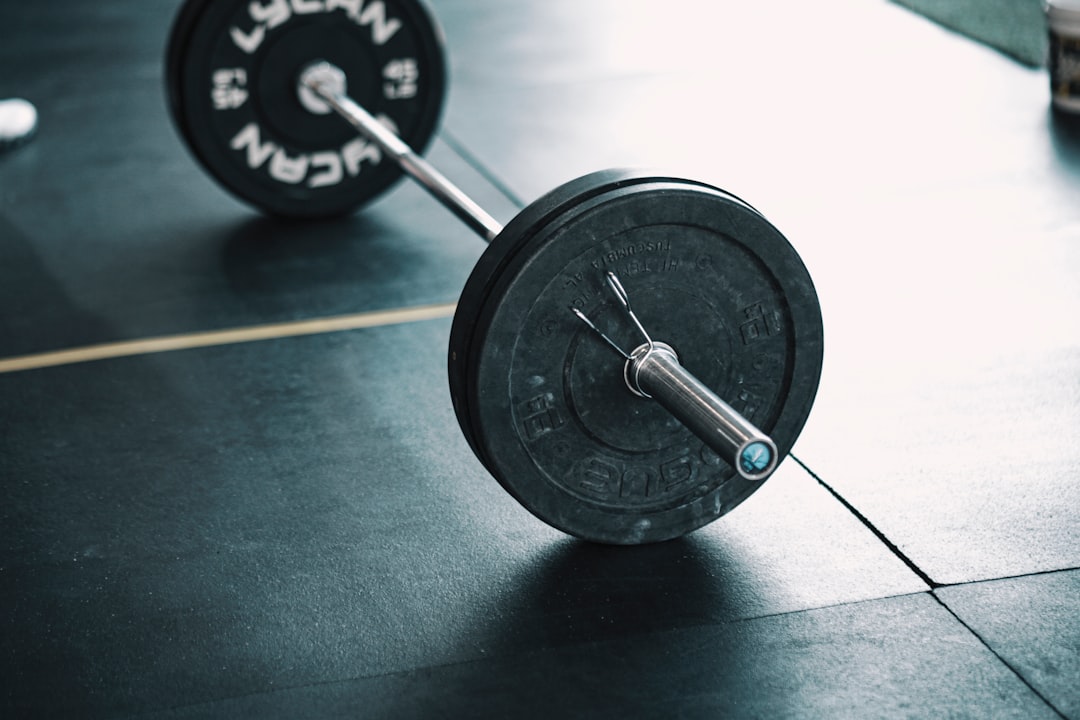
You can progress through several variables. Each method has its place, and most smart programs combine more than one method across weeks and months.
1. Increasing Weight
The most famous method. You keep reps and sets the same, and add weight. For example, if you are doing squat 80 kilos for three sets of eight reps, next week you do 82.5 kilos same sets and reps. This method is very effective for beginners and intermediates, but as you advance, adding weight every week becomes difficult or impossible.
2. Increasing Reps
You keep weight and sets the same, and increase reps. For example, week one: bench press 60 kilos for three sets of six reps. Week two: same weight, but seven reps. Week three: eight reps. When you reach the top of your target rep range (for example ten reps), you increase weight and go back to six reps.
3. Increasing Sets (Volume)
You keep weight and reps the same, and add a set. For example, deadlift 100 kilos for four sets of five reps, next week it becomes five sets. Increasing volume is very effective for muscle building, but you must pay attention to your recovery capacity. You cannot increase sets forever without burning out.
4. Reducing Rest Between Sets
You keep weight, reps, and sets the same, and reduce rest time. For example, from two minutes rest to one and a half minutes. This increases density and improves muscular and metabolic endurance, but it may not be the best for maximum strength, which needs longer rest.
5. Increasing Frequency Per Week
If you are training a specific exercise once per week, you increase to twice. Increasing weekly frequency allows higher total volume distributed across more sessions, and this is usually better for recovery and progress compared to huge sets in one session.
6. Improving Form and Control
Performing the same weight with better form, greater range of motion, or slower control is progressive overload. For example, squat 70 kilos with half descent is different from 70 kilos with full descent below parallel. The second is harder and more beneficial.
A study from the Journal of Strength and Conditioning Research in 2022 compared progression via increasing weight versus progression via increasing reps. The result: both groups achieved similar increases in muscle thickness. The researchers concluded that effort and proximity to muscular failure matter more than the specific method of progression.
A scientific review from Sports Medicine in 2017 confirmed that systematic progression is necessary to achieve continuous muscle growth. Muscles adapt quickly to constant load, and for this reason variety in progression method across weeks helps avoid stalling.
The summary from research: it does not matter how you progress as much as that you progress consistently and smartly. What matters is that the load increases over time, and that training is close to muscular failure.

Successful progression needs planning, not randomness. Here is how you build a progressive overload system that fits your level.
1. Track Your Workouts
You cannot progress if you do not know where you are. Record weight, reps, sets, and rest time in each session. A simple app or paper notebook is enough. The goal is to compare this week to last week.
2. Choose One Variable to Progress Each Time
Do not try to increase weight and reps and sets in the same week. Progress in one variable, keep the rest stable. For example, two weeks you increase reps, then two weeks you increase weight, then two weeks you increase sets. This keeps consistent progress without exhaustion.
3. Use Small Increases
Big jumps lead to injury or quick failure. An increase of 2.5 kilos on upper body exercise like bench press, or 5 kilos on lower body exercise like squat is enough. If the increase seems easy, be patient. The goal is consistent progress, not fast progress.
4. Include Deload Weeks
Every four to six weeks of progression, take a deload week: reduce volume or weight by 40 to 50 percent. This allows your body to fully recover and prevents excessive stress accumulation. Deload week is not laziness, it is part of the plan.
5. Get Close to Muscular Failure
Progressive overload works better when you train close to failure. Leaving one or two reps in the tank is usually enough. If you are stopping far from failure with five reps left, even if you increase weight every week, progress will be slower.
Even people who understand progressive overload fall into mistakes that slow or stop their progress.
Increasing Too Fast
Adding 10 kilos to the squat every week sounds great on paper, but in reality it leads to injury or form breakdown or complete stall after a few weeks. Small consistent increases always beat big jumps.
Not Tracking
Relying on memory or feeling leads to repeating the same weight for months. If you do not track, you do not know if you are actually progressing.
Sacrificing Form for Weight
Adding weight at the expense of form is not progressive overload, it is increasing injury risk. If the new weight forces you to use incorrect movement, the weight is too heavy.
Ignoring Recovery
Progressive overload creates the stimulus, but recovery creates the results. If you are increasing load without enough sleep, enough protein, and rest days, your body will not adapt. The result: stall or injury.
Progressive overload is the fundamental principle behind every successful training program. Whether you are a beginner or advanced, whether your goal is strength or muscle or endurance, if you are not progressing systematically, you are wasting your time.
There is no single correct way for progressive overload. Increasing weight, increasing reps, increasing sets, reducing rest, increasing weekly frequency, and improving form all work. What matters is that you choose a method, track your progress, and commit to small consistent increases across weeks and months.
If you want to build strength and muscle that lasts, start tracking your workouts today. Choose one variable to progress. Increase it slightly every week or two weeks. Commit to this for six months, and you will understand why progressive overload is the golden rule of training.
Programs built on smart progressive overload, weekly follow up, and plans that fit your schedule and level
Start Training with Coach Huss%20scale(0.92)'%3e%3cpath%20d='M%2046%2010%20A%2040%2040%200%200%200%2046%2090%20L%2046%2078%20A%209.5%209.5%200%200%201%2030.2%2069.8%20A%2011%2011%200%200%201%2022%2050%20A%2011%2011%200%200%201%2030.2%2030.2%20A%209.5%209.5%200%200%201%2046%2022%20Z'%20fill='%23e85d1f'/%3e%3cg%20fill='none'%20stroke='%23e85d1f'%20stroke-linecap='butt'%3e%3cpath%20d='M%2046%2038%20A%2012%2012%200%200%200%2046%2062'%20stroke-width='10'/%3e%3cpath%20d='M%2046%2050%20H%2056'%20stroke-width='10'/%3e%3c/g%3e%3cg%20fill='%23e85d1f'%3e%3crect%20x='56'%20y='16'%20width='12'%20height='68'/%3e%3crect%20x='74'%20y='28'%20width='10'%20height='44'/%3e%3crect%20x='90'%20y='40'%20width='8'%20height='20'/%3e%3c/g%3e%3c/g%3e%3cg%20fill='%23f7f4ef'%3e%3cpath%20d='M259.64,507.88h14.26v26.01h23.73v-26.01h14.26v64.25h-14.26v-26.01h-23.73v26.01h-14.26v-64.25Z'/%3e%3cpath%20d='M321.6,507.88h14.27v46.33c0,3.14,2.55,5.68,5.69,5.69h12.35c3.14,0,5.68-2.55,5.69-5.69v-46.33h14.27v47.41c-.03,9.29-7.55,16.81-16.84,16.84h-18.59c-9.29-.03-16.81-7.55-16.84-16.84v-47.41Z'/%3e%3cpath%20d='M399.04,507.88h42.49v12.23h-41.77c-2.08,0-3.77,1.69-3.77,3.77v6.08l27.82,6.38c5.98,1.32,10.22,6.65,10.18,12.78v5.7c-.03,9.55-7.76,17.29-17.32,17.32h-34.95v-12.23h34.23c2.08,0,3.77-1.69,3.77-3.77v-6.09l-27.77-6.37c-5.98-1.33-10.22-6.65-10.18-12.78v-.78c-.03-.44-.05-.87-.05-1.32v-3.6c.03-9.55,7.76-17.29,17.32-17.32Z'/%3e%3cpath%20d='M489.97,507.88v12.23h-19v52.02h-14.26v-52.02h-19v-12.23h52.26Z'/%3e%3cpath%20d='M521.03,572.13h-8.81c-9.55-.03-17.29-7.76-17.32-17.32v-46.93h14.26v48.25c0,2.08,1.69,3.77,3.77,3.77h34.23v12.23h-26.13Z'/%3e%3cpath%20d='M551.62,525.19c.03-9.55,7.76-17.29,17.32-17.32h34.95v12.23h-34.23c-2.08,0-3.77,1.69-3.77,3.77v32.25c0,2.08,1.69,3.77,3.77,3.77h34.23v12.23h-34.95c-9.55-.03-17.29-7.76-17.32-17.32v-29.61h0ZM593.83,533.89v12.23h-30.86v-12.23h30.86Z'/%3e%3c/g%3e%3cg%20fill='%23e85d1f'%3e%3cpath%20d='M608.34,507.88h17.23l20.77,42.48v-42.48h14.27v64.25h-17.23l-20.77-42.48v42.48h-14.26v-64.25Z'/%3e%3cpath%20d='M709.53,513.95l20.87,58.17h-15.16l-17.1-47.66-17.1,47.66h-15.15l20.87-58.17c1.27-3.67,4.75-6.12,8.63-6.08h5.5c3.89-.04,7.36,2.41,8.64,6.08Z'/%3e%3cpath%20d='M775.25,507.88v12.23h-19v52.02h-14.26v-52.02h-19v-12.23h52.26Z'/%3e%3cpath%20d='M780.72,572.13v-64.25h14.26v64.25h-14.26Z'/%3e%3cpath%20d='M856.39,525.19v29.61c-.03,9.55-7.76,17.29-17.32,17.32h-17.63c-9.55-.03-17.29-7.76-17.32-17.32v-29.61c.03-9.55,7.76-17.29,17.32-17.32h17.63c9.55.03,17.29,7.76,17.32,17.32ZM838.36,559.9c2.08,0,3.77-1.69,3.77-3.77v-32.25c0-2.08-1.69-3.77-3.77-3.77h-16.19c-2.08,0-3.77,1.69-3.77,3.77v32.25c0,2.08,1.69,3.77,3.77,3.77h16.19Z'/%3e%3cpath%20d='M865.54,507.88h17.23l20.77,42.48v-42.48h14.27v64.25h-17.23l-20.77-42.48v42.48h-14.26v-64.25Z'/%3e%3c/g%3e%3cpolygon%20fill='%23f7f4ef'%20points='703.28%20559.9%20707.67%20572.13%20688.63%20572.13%20693.01%20559.9%20703.28%20559.9'/%3e%3c/svg%3e)