A practical guide to protein targets, meal timing, and muscle retention during fat loss
If you are trying to lose fat, the protein question comes up quickly. How much do you need? Do you need a protein shake? Do you need chicken at every meal? And does eating more protein mean fat will drop even if calories are not controlled? The practical answer is that protein matters a lot, but it is not magic.
Protein helps with fullness, protects muscle during dieting, and supports recovery from resistance training. But it works inside the plan, not instead of the plan. If calories are above your needs, protein will not save the diet. If training is weak, protein alone will not preserve the shape you want.
Fat loss means eating less energy than your body burns. That caloric deficit is the main driver. The problem is that the body does not lose only fat. If protein is low, training is insufficient, and sleep is poor, you can lose some muscle too. The scale may go down, but your physique may not improve the way you want.
Evidence from randomized trials and systematic reviews supports a clear idea: people who resistance train need more protein than sedentary adults, and higher protein intakes help preserve lean mass while calories are reduced. This matters especially where busy workdays, eating out, and late nights can make nutrition harder than it looks on paper.
A practical target for most people who train and want fat loss is 1.6 to 2.2 grams of protein per kilogram of body weight per day. An 80 kilogram person would start around 128 to 176 grams daily. This is not a medical rule for everyone, but it is a useful and strong starting range.
If body fat is very high, calculating from target body weight or lean mass can make more sense than using current weight. If you have kidney disease or a medical condition, this is a doctor question, not a decision from an article or a coach. For most healthy trainees, the range above is practical, safe, and performance friendly.
The daily total matters, but distribution helps too. Instead of tiny meals all day followed by one huge dinner, place protein across three to five meals. A simple target is 25 to 45 grams of protein per meal depending on your body size and goal.
This distribution makes fullness easier, reduces random snacking, and supports muscle protein synthesis across the day. For someone working long hours, the solution may be a protein rich breakfast, a clear lunch, a shake or Greek yogurt after training, and a balanced dinner.
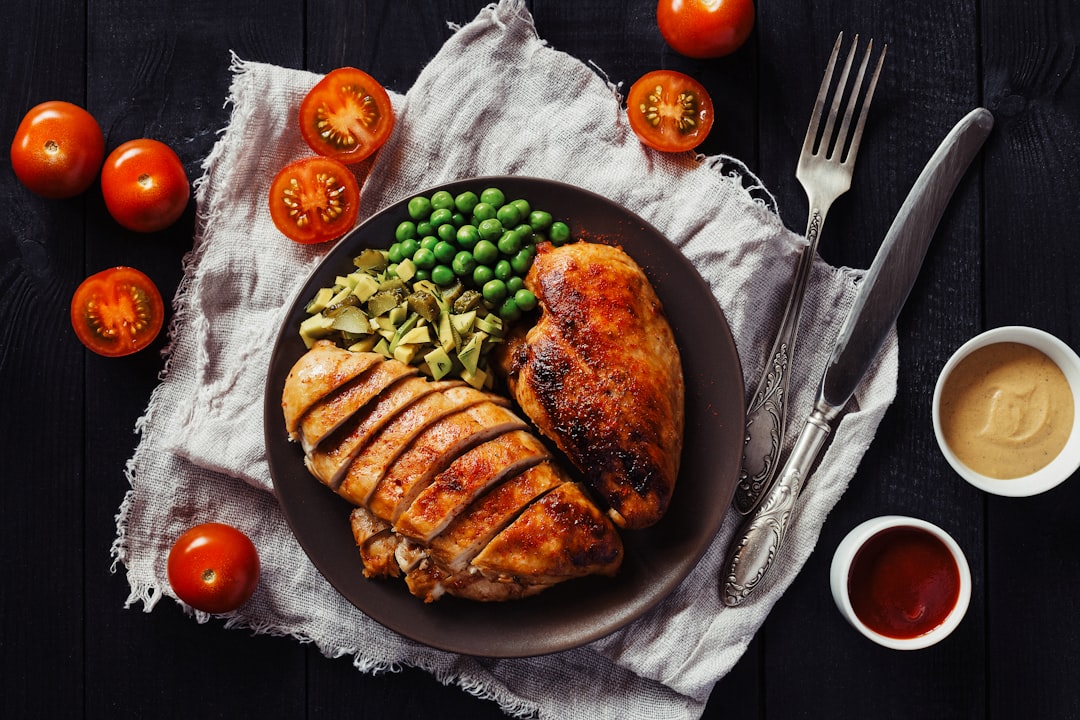
Choose high quality protein sources that are easy to repeat. Good options include chicken breast, lean beef, turkey, eggs, fish, shrimp, tuna, Greek yogurt, low fat labneh, cottage cheese, tofu, tempeh, lentils, beans, and whey protein.
You do not need to eat the same food every day. A plan you can repeat beats a perfect plan on paper that is annoying in real life. If you eat out, find the protein first and build the rest of the plate around it: grilled meat, chicken, or fish, with vegetables and a carbohydrate portion that fits your plan.
Whey protein is not magic. It is a convenient food. If whole food gets the job done, great. If your workday is chaos and a shake stops you from missing protein, use it. The point is not that the supplement is better than food, but that it can be easier on some days.
Just watch the calories. Some cafe shakes look healthy but are loaded with sugar, nut butter, and juices. Those can turn from a useful tool into a high calorie meal that blocks fat loss.
No. Carbs do not block fat loss when calories are controlled. Rice, potatoes, oats, fruit, bread, and pasta can all fit into the plan. The question is portion size and timing, not fear of food.
Many fat loss clients train better when they keep some carbohydrates around the workout. Better gym performance gives you a stronger chance of preserving muscle, and that is a major part of the final look.
Start with daily protein between 1.6 and 2.2 grams per kilogram of body weight. Spread it across three to five meals. Train with resistance. Control calories. Sleep as well as you can. Then watch the results for two to four weeks before changing the plan.
When you do that, protein becomes a genuinely powerful tool: not because it burns fat through a secret pathway, but because it helps you stay consistent, stay full, train hard, and keep muscle while body weight comes down.
Your Next Step
If you want fat loss without losing your shape, you do not need a random food list. You need the right calories, the right protein, resistance training, and coaching that knows when to adjust the plan. At Hustle Nation we build that around your schedule, your body, and your life.
Book Your Free ConsultationAll information is based on peer reviewed research. This article is educational and does not constitute medical advice.
%20scale(0.92)'%3e%3cpath%20d='M%2046%2010%20A%2040%2040%200%200%200%2046%2090%20L%2046%2078%20A%209.5%209.5%200%200%201%2030.2%2069.8%20A%2011%2011%200%200%201%2022%2050%20A%2011%2011%200%200%201%2030.2%2030.2%20A%209.5%209.5%200%200%201%2046%2022%20Z'%20fill='%23e85d1f'/%3e%3cg%20fill='none'%20stroke='%23e85d1f'%20stroke-linecap='butt'%3e%3cpath%20d='M%2046%2038%20A%2012%2012%200%200%200%2046%2062'%20stroke-width='10'/%3e%3cpath%20d='M%2046%2050%20H%2056'%20stroke-width='10'/%3e%3c/g%3e%3cg%20fill='%23e85d1f'%3e%3crect%20x='56'%20y='16'%20width='12'%20height='68'/%3e%3crect%20x='74'%20y='28'%20width='10'%20height='44'/%3e%3crect%20x='90'%20y='40'%20width='8'%20height='20'/%3e%3c/g%3e%3c/g%3e%3cg%20fill='%23f7f4ef'%3e%3cpath%20d='M259.64,507.88h14.26v26.01h23.73v-26.01h14.26v64.25h-14.26v-26.01h-23.73v26.01h-14.26v-64.25Z'/%3e%3cpath%20d='M321.6,507.88h14.27v46.33c0,3.14,2.55,5.68,5.69,5.69h12.35c3.14,0,5.68-2.55,5.69-5.69v-46.33h14.27v47.41c-.03,9.29-7.55,16.81-16.84,16.84h-18.59c-9.29-.03-16.81-7.55-16.84-16.84v-47.41Z'/%3e%3cpath%20d='M399.04,507.88h42.49v12.23h-41.77c-2.08,0-3.77,1.69-3.77,3.77v6.08l27.82,6.38c5.98,1.32,10.22,6.65,10.18,12.78v5.7c-.03,9.55-7.76,17.29-17.32,17.32h-34.95v-12.23h34.23c2.08,0,3.77-1.69,3.77-3.77v-6.09l-27.77-6.37c-5.98-1.33-10.22-6.65-10.18-12.78v-.78c-.03-.44-.05-.87-.05-1.32v-3.6c.03-9.55,7.76-17.29,17.32-17.32Z'/%3e%3cpath%20d='M489.97,507.88v12.23h-19v52.02h-14.26v-52.02h-19v-12.23h52.26Z'/%3e%3cpath%20d='M521.03,572.13h-8.81c-9.55-.03-17.29-7.76-17.32-17.32v-46.93h14.26v48.25c0,2.08,1.69,3.77,3.77,3.77h34.23v12.23h-26.13Z'/%3e%3cpath%20d='M551.62,525.19c.03-9.55,7.76-17.29,17.32-17.32h34.95v12.23h-34.23c-2.08,0-3.77,1.69-3.77,3.77v32.25c0,2.08,1.69,3.77,3.77,3.77h34.23v12.23h-34.95c-9.55-.03-17.29-7.76-17.32-17.32v-29.61h0ZM593.83,533.89v12.23h-30.86v-12.23h30.86Z'/%3e%3c/g%3e%3cg%20fill='%23e85d1f'%3e%3cpath%20d='M608.34,507.88h17.23l20.77,42.48v-42.48h14.27v64.25h-17.23l-20.77-42.48v42.48h-14.26v-64.25Z'/%3e%3cpath%20d='M709.53,513.95l20.87,58.17h-15.16l-17.1-47.66-17.1,47.66h-15.15l20.87-58.17c1.27-3.67,4.75-6.12,8.63-6.08h5.5c3.89-.04,7.36,2.41,8.64,6.08Z'/%3e%3cpath%20d='M775.25,507.88v12.23h-19v52.02h-14.26v-52.02h-19v-12.23h52.26Z'/%3e%3cpath%20d='M780.72,572.13v-64.25h14.26v64.25h-14.26Z'/%3e%3cpath%20d='M856.39,525.19v29.61c-.03,9.55-7.76,17.29-17.32,17.32h-17.63c-9.55-.03-17.29-7.76-17.32-17.32v-29.61c.03-9.55,7.76-17.29,17.32-17.32h17.63c9.55.03,17.29,7.76,17.32,17.32ZM838.36,559.9c2.08,0,3.77-1.69,3.77-3.77v-32.25c0-2.08-1.69-3.77-3.77-3.77h-16.19c-2.08,0-3.77,1.69-3.77,3.77v32.25c0,2.08,1.69,3.77,3.77,3.77h16.19Z'/%3e%3cpath%20d='M865.54,507.88h17.23l20.77,42.48v-42.48h14.27v64.25h-17.23l-20.77-42.48v42.48h-14.26v-64.25Z'/%3e%3c/g%3e%3cpolygon%20fill='%23f7f4ef'%20points='703.28%20559.9%20707.67%20572.13%20688.63%20572.13%20693.01%20559.9%20703.28%20559.9'/%3e%3c/svg%3e)