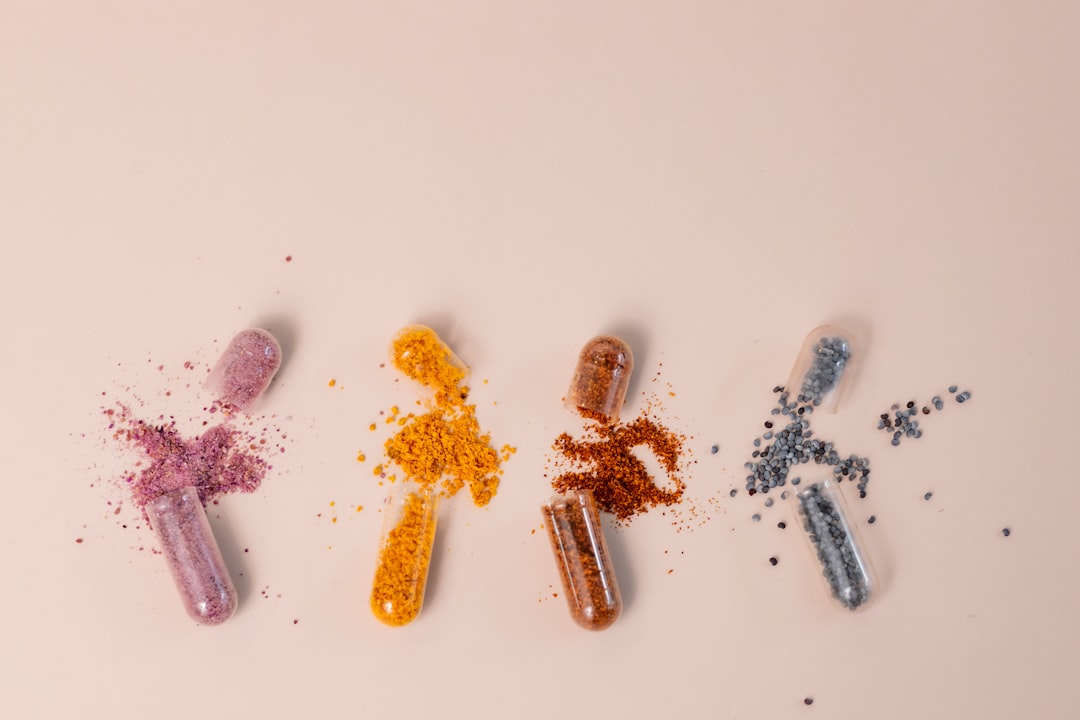
A science based guide to protein electrolytes magnesium and what research says about muscle recovery
Recovery supplements are one of the fastest growing categories in 2026, and many of them promise to speed muscle repair, reduce soreness, and bring you back stronger faster. Some are backed by good evidence, others are less convincing, and many do not work without the basics like nutrition sleep and smart training.
If you train hard, sleep well, and eat enough protein, recovery supplements may add value. But they are support tools not replacements for the basics. This guide covers what works, how strong the evidence is, and when they are worth the money.
Recovery is the process where your body repairs tissue, refills energy stores, and adapts to training load. Without adequate recovery, performance drops, progress stalls, and risk of injury and burnout rises.
Muscle protein synthesis begins in the first minutes after training and stays elevated for 24 to 48 hours. This window is when your body can build stronger tissue than before, but only if you give it the fuel rest and nutrients it needs.
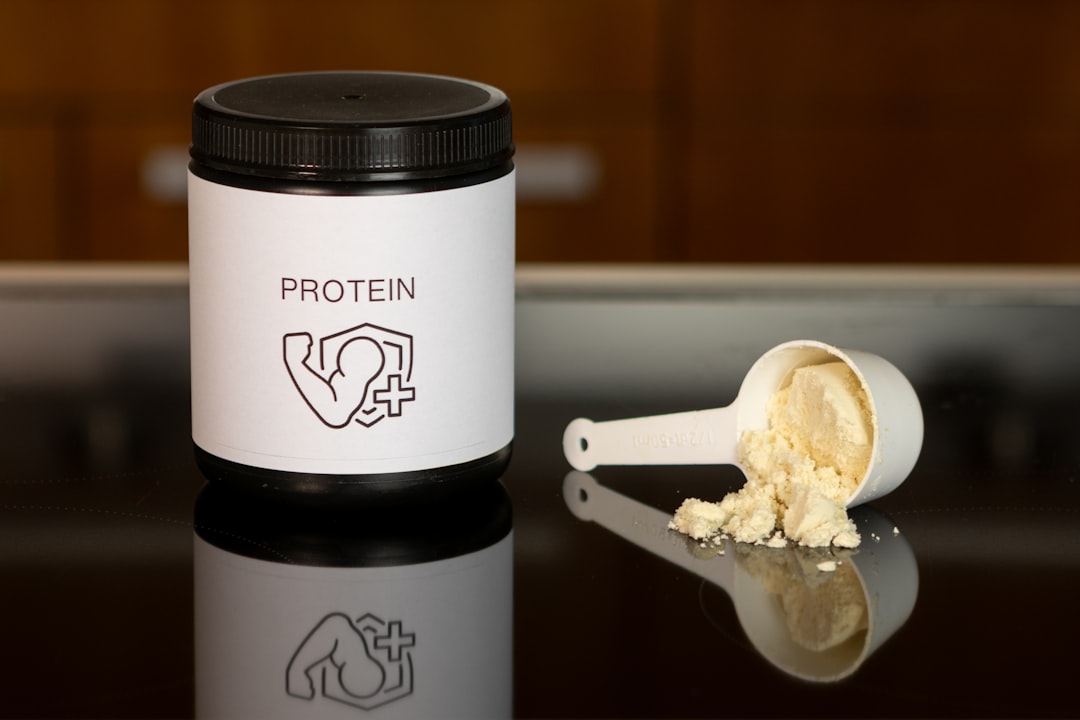
Protein is the most evidence backed recovery supplement. Without adequate intake, recovery slows, muscle growth stalls, and every other supplement does little. Most research points to 1.6 to 2.2 grams per kilogram of body weight daily for people training hard.
Protein sources like whey protein or plant based blends are fast to absorb and useful after training or when reaching your target from food alone is difficult. A 2026 study confirms protein is the element that drives muscle repair soreness reduction and tissue growth, and everything else comes second.

Electrolytes are a group of minerals that regulate fluid balance in your body. When you exercise, your muscles use electrolytes for energy, and you also lose electrolytes through sweat. Both replenishing energy stores and fluid balance help repair muscles and ease soreness.
Common electrolyte supplements contain sodium potassium magnesium and calcium. Most people do not need a supplement if they eat varied food and train less than an hour. But if you train more than an hour in heat or sweat heavily, replenishing electrolytes during and after training may improve balance performance and recovery.
BCAAs are three essential amino acids: leucine isoleucine and valine. They are heavily marketed for reducing muscle soreness and preventing muscle breakdown during exercise.
The evidence is mixed. Some studies show a small reduction in soreness, while others show no clear benefit when BCAAs are compared to complete protein. If you eat adequate protein throughout the day, BCAAs usually do not add much, because complete protein contains BCAAs plus all the other amino acids.
The only case where BCAAs may be useful is training on an empty stomach when complete protein is not available. But for most people, a scoop of whey or a protein containing meal is better value.
Magnesium is a mineral involved in more than 300 processes including protein synthesis muscle relaxation and sleep improvement. Many people do not get enough from food, especially if they train hard.
Research from 2026 shows magnesium helps improve sleep quality, reduce muscle cramps, and support muscle function. If you suffer from night cramps or poor sleep, a magnesium supplement at 200 to 400 milligrams daily may help. Forms like magnesium glycinate or magnesium citrate absorb better than cheaper magnesium oxide.
Omega 3 fatty acids found in fish oil play a role in recovery by modulating the inflammatory response after training. Acute inflammation is a normal part of recovery, but excessive inflammation may slow repair.
Research from 2026 shows omega 3 supplements may help reduce muscle soreness, improve range of motion, and speed return to full performance after damaging workouts. Recommended dose is 1 to 3 grams of EPA and DHA combined daily. Best to get it from fatty fish like salmon mackerel and sardines, but if you do not eat fish regularly, a fish oil or plant based omega 3 supplement may help.
Most people link creatine with strength and performance, but recent research shows it may also help recovery. Creatine refills muscle phosphocreatine stores, which supports protein synthesis and reduces muscle damage after hard training.
Standard dose is 3 to 5 grams daily of creatine monohydrate. It is not a direct recovery supplement like protein, but it is an excellent all around tool that supports strength performance and recovery together.
Supplements do not replace the basics, but they support them. These people benefit most:
Athletes training high intensity or multiple sessions daily. Trainees who struggle to reach adequate protein from food alone. People over forty where recovery is slower and nutrient needs are higher. Anyone with nutrient deficiency like magnesium or omega 3. Trainees in hot environments like a hot summer where electrolyte loss is higher.
Relying on supplements instead of sleep and basic nutrition. Buying expensive supplements without clear evidence instead of simple protein and creatine. Taking high doses of multiple supplements without knowing if there is actual deficiency. Ignoring electrolytes in hot environments or long training. Measuring success by number of supplements instead of actual progress in strength and performance.
Recovery supplements can add value when the basics are in place: smart training, adequate sleep 7 to 9 hours, and adequate protein 1.6 to 2.2 grams per kilogram daily. Protein creatine magnesium electrolytes and omega 3 are the most evidence backed tools. Other supplements may help in specific cases, but they are not necessary for most trainees.
Start by improving training sleep and food. Then add one supplement at a time and monitor results. The slow logical approach is always better than buying everything and hoping something works.
Coach Huss is a certified personal trainer with more than 10 years of experience. Whether you want fat loss, muscle gain, or performance improvement, programs are built for your schedule and goals.
Start Now%20scale(0.92)'%3e%3cpath%20d='M%2046%2010%20A%2040%2040%200%200%200%2046%2090%20L%2046%2078%20A%209.5%209.5%200%200%201%2030.2%2069.8%20A%2011%2011%200%200%201%2022%2050%20A%2011%2011%200%200%201%2030.2%2030.2%20A%209.5%209.5%200%200%201%2046%2022%20Z'%20fill='%23e85d1f'/%3e%3cg%20fill='none'%20stroke='%23e85d1f'%20stroke-linecap='butt'%3e%3cpath%20d='M%2046%2038%20A%2012%2012%200%200%200%2046%2062'%20stroke-width='10'/%3e%3cpath%20d='M%2046%2050%20H%2056'%20stroke-width='10'/%3e%3c/g%3e%3cg%20fill='%23e85d1f'%3e%3crect%20x='56'%20y='16'%20width='12'%20height='68'/%3e%3crect%20x='74'%20y='28'%20width='10'%20height='44'/%3e%3crect%20x='90'%20y='40'%20width='8'%20height='20'/%3e%3c/g%3e%3c/g%3e%3cg%20fill='%23f7f4ef'%3e%3cpath%20d='M259.64,507.88h14.26v26.01h23.73v-26.01h14.26v64.25h-14.26v-26.01h-23.73v26.01h-14.26v-64.25Z'/%3e%3cpath%20d='M321.6,507.88h14.27v46.33c0,3.14,2.55,5.68,5.69,5.69h12.35c3.14,0,5.68-2.55,5.69-5.69v-46.33h14.27v47.41c-.03,9.29-7.55,16.81-16.84,16.84h-18.59c-9.29-.03-16.81-7.55-16.84-16.84v-47.41Z'/%3e%3cpath%20d='M399.04,507.88h42.49v12.23h-41.77c-2.08,0-3.77,1.69-3.77,3.77v6.08l27.82,6.38c5.98,1.32,10.22,6.65,10.18,12.78v5.7c-.03,9.55-7.76,17.29-17.32,17.32h-34.95v-12.23h34.23c2.08,0,3.77-1.69,3.77-3.77v-6.09l-27.77-6.37c-5.98-1.33-10.22-6.65-10.18-12.78v-.78c-.03-.44-.05-.87-.05-1.32v-3.6c.03-9.55,7.76-17.29,17.32-17.32Z'/%3e%3cpath%20d='M489.97,507.88v12.23h-19v52.02h-14.26v-52.02h-19v-12.23h52.26Z'/%3e%3cpath%20d='M521.03,572.13h-8.81c-9.55-.03-17.29-7.76-17.32-17.32v-46.93h14.26v48.25c0,2.08,1.69,3.77,3.77,3.77h34.23v12.23h-26.13Z'/%3e%3cpath%20d='M551.62,525.19c.03-9.55,7.76-17.29,17.32-17.32h34.95v12.23h-34.23c-2.08,0-3.77,1.69-3.77,3.77v32.25c0,2.08,1.69,3.77,3.77,3.77h34.23v12.23h-34.95c-9.55-.03-17.29-7.76-17.32-17.32v-29.61h0ZM593.83,533.89v12.23h-30.86v-12.23h30.86Z'/%3e%3c/g%3e%3cg%20fill='%23e85d1f'%3e%3cpath%20d='M608.34,507.88h17.23l20.77,42.48v-42.48h14.27v64.25h-17.23l-20.77-42.48v42.48h-14.26v-64.25Z'/%3e%3cpath%20d='M709.53,513.95l20.87,58.17h-15.16l-17.1-47.66-17.1,47.66h-15.15l20.87-58.17c1.27-3.67,4.75-6.12,8.63-6.08h5.5c3.89-.04,7.36,2.41,8.64,6.08Z'/%3e%3cpath%20d='M775.25,507.88v12.23h-19v52.02h-14.26v-52.02h-19v-12.23h52.26Z'/%3e%3cpath%20d='M780.72,572.13v-64.25h14.26v64.25h-14.26Z'/%3e%3cpath%20d='M856.39,525.19v29.61c-.03,9.55-7.76,17.29-17.32,17.32h-17.63c-9.55-.03-17.29-7.76-17.32-17.32v-29.61c.03-9.55,7.76-17.29,17.32-17.32h17.63c9.55.03,17.29,7.76,17.32,17.32ZM838.36,559.9c2.08,0,3.77-1.69,3.77-3.77v-32.25c0-2.08-1.69-3.77-3.77-3.77h-16.19c-2.08,0-3.77,1.69-3.77,3.77v32.25c0,2.08,1.69,3.77,3.77,3.77h16.19Z'/%3e%3cpath%20d='M865.54,507.88h17.23l20.77,42.48v-42.48h14.27v64.25h-17.23l-20.77-42.48v42.48h-14.26v-64.25Z'/%3e%3c/g%3e%3cpolygon%20fill='%23f7f4ef'%20points='703.28%20559.9%20707.67%20572.13%20688.63%20572.13%20693.01%20559.9%20703.28%20559.9'/%3e%3c/svg%3e)