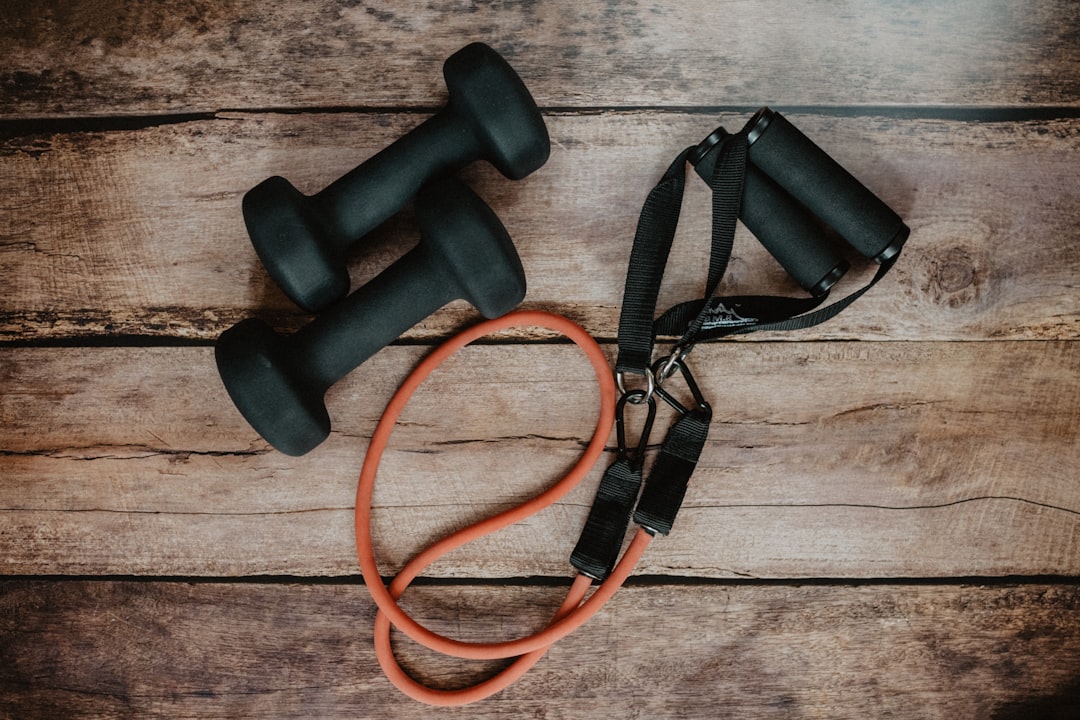
What the research says about resistance bands versus free weights, and how to use them for real results
Resistance bands are easy to underestimate. They look simple, they remind some people of rehab or elderly training, and they sometimes feel less serious than a barbell. But when you look at the latest research, the picture changes. According to the American College of Sports Medicine, resistance bands are now officially recognized as a valid tool for building strength and muscle when used with the right intensity.
If you are looking for a cost effective tool that fits home training or travel, and delivers results close to traditional weights, resistance bands are an option worth understanding. This article covers the research, the real benefits, how to use them correctly, and when bands make more sense than other tools.
Resistance bands are elastic rubber bands that provide increasing resistance when stretched. The more you stretch the band, the greater the resistance. This pattern of resistance is different from free weights, which stay constant throughout the repetition.
Bands come in different forms: closed loop bands, bands with handles, and long bands that can be anchored. Strength ranges from very light to very heavy, usually marked by different colors. Most people need a set of different strengths to adapt to multiple exercises.
When you compare resistance band training to free weight training at the same intensity and volume, the results are surprisingly similar. A review study published in the Journal of Strength and Conditioning Research found that elastic resistance training produces similar strength and muscle size improvements compared to traditional weight training when training load is matched.
Another study from 2019 published in SAGE Journals for Sports Medicine compared bands and free weights in a 10 week training program. The conclusion: no statistical difference in strength or muscle size improvements between the two groups. The key was training hard enough and getting close to muscular failure.
In 2026, the American College of Sports Medicine published the first update to resistance training recommendations in 17 years, based on a review of 137 studies and 30 thousand participants. The main update: free weights are not the only way. Bands, bodyweight exercises, and other tools are also effective when effort is sufficient.
Cost and space: A good set of bands costs less than 100 dollars and fits in a small bag. Compared to a gym membership or buying free weights for home, bands are a practical option for people with limited budget or limited space.
Travel and flexibility: If you travel often, work in different offices, or move between different places, bands go with you. You do not need to search for a gym or book a trial day. Your training becomes more independent.
Safer for solo training: If you train at home without a partner, bands are safer than a heavy barbell. There is no risk of being stuck under the weight or losing control of free weights.
Variable resistance: Bands provide resistance that increases with stretch, which means the hardest part of the repetition is when you are at maximum muscle contraction. This pattern can be useful for stressing the muscle in the strongest range. Some people feel a stronger contraction with bands compared to weights in certain exercises.
Recovery and warm up: Bands are excellent for warming up before heavy weights or for active recovery training. Light resistance increases blood flow and prepares joints without excessive fatigue.
The biggest problem with band training is using bands that are too light and stopping before reaching sufficient effort. If you can do 30 repetitions easily, the resistance is too light for building strength or muscle. You should reach between 5 to 15 repetitions before feeling failure or very close to it.
How to increase resistance: Use a stronger band, anchor the band from a shorter point to increase stretch, use two bands at the same time, slow down the movement and control the return, or stand on part of the band to shorten the usable length.
Exercise selection: Most free weight exercises can be adapted to bands. Chest press, back rows, squats, shoulder press, bicep curls, tricep extensions, leg raises, all are applicable. Focus on compound multi joint exercises for the best training value.
Repetitions and sets: Start with 3 to 4 sets of 8 to 12 repetitions per exercise. Make sure the last repetitions are truly difficult. If you do not feel fatigue in the last set, the resistance is not sufficient.
Progressive increase: Over the weeks, increase repetitions, increase sets, use a stronger band, or reduce rest between sets. Progressive overload is the key to building strength and muscle with bands just as it is with weights.
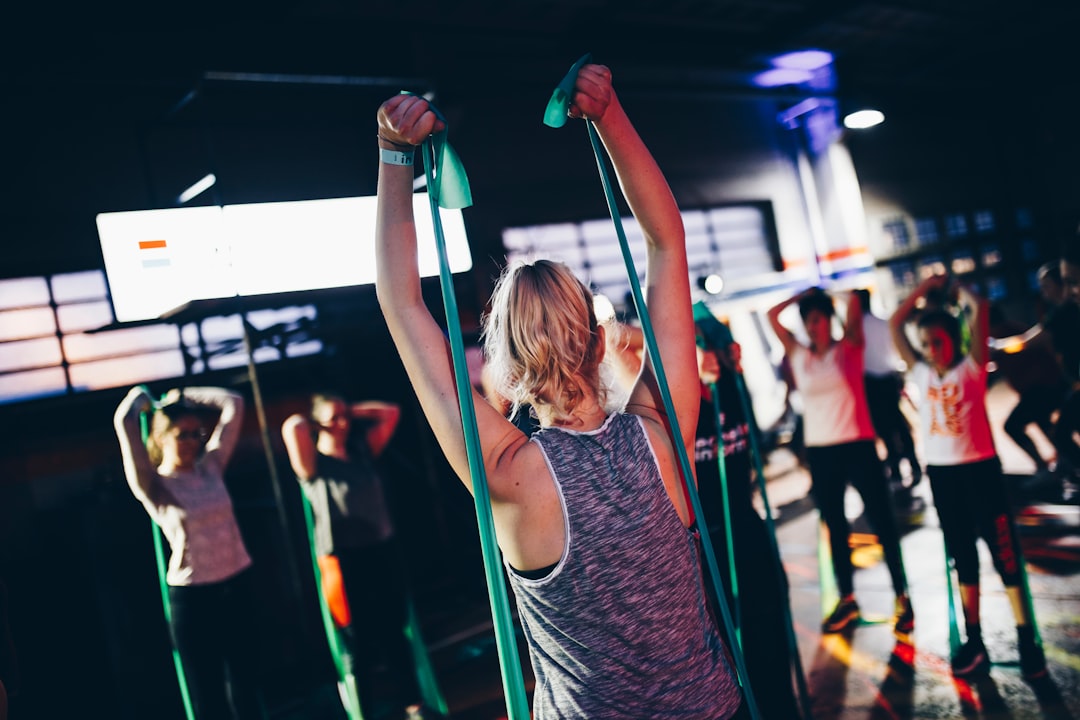
Beginners: Bands are an excellent way to start strength training. The risk of injury is lower than free weights, movement is easier to learn, and the cost is low.
Travelers and busy people: If you travel often, work long hours, or find it difficult to access the gym, bands solve the access problem. You can train in a hotel room, office, park, or anywhere else.
Older adults and people with joint pain: The smoother resistance of bands is easier on joints compared to free weights. Research from 2024 published in the British Journal of Sports Medicine found that bands are effective for older adults in maintaining strength and function.
Advanced athletes: Even advanced trainees use bands for warm up, stability training, accessory work, or training while traveling. Bands are not a complete replacement for the barbell for serious athletes, but they are a valuable tool in the complete program.
Using a band that is too light: The biggest mistake. If the exercise is easy and you do not feel fatigue in 8 to 12 repetitions, the band is too light. Choose a stronger band or increase the stretch.
Not controlling the return: The band pulls hard during the return. If you let the band snap back quickly without control, you lose half of the exercise and increase the risk of injury. Control the movement slowly.
Ignoring progressive overload: Like any other training, you must increase the load over time. Record your repetitions and sets, and try to increase every week or two weeks.
Using cheap and broken bands: A worn or broken band can snap during exercise and cause injury. Inspect your bands regularly and replace them when you see signs of wear or cracks.
If you want maximum absolute strength or lifting very heavy weights, the barbell and dumbbells are still the best. Bands are great, but they cannot replace a 150 kilo squat or a 200 kilo deadlift.
If you are looking for effective training that is low cost, portable, safe for home, and delivers results close to weights, bands are an excellent choice. You can also combine both: use the barbell in the gym and bands at home or while traveling.
For moderate muscle building and functional strength, bands work very well when you use them seriously. Most people do not want to become Olympic weightlifters. They want to become stronger, healthier, less pain, and more mobile. Bands achieve all of this.
Resistance band training is not second class training. Recent research and the American College of Sports Medicine confirm that bands build strength and muscle with similar effectiveness to weights when effort is sufficient. The key is choosing sufficient resistance, training hard close to failure, and progressive overload over time.
If you are looking for a cost effective, safe, and portable option, resistance bands deserve a place in your training program. Whether you are a beginner starting your journey, a traveler who needs a portable solution, or an advanced athlete looking for accessory work, bands are a practical and scientifically supported tool.
Coach Huss designs science based training programs for your goals, your time, and your available tools whether bands or free weights or both
Start Now%20scale(0.92)'%3e%3cpath%20d='M%2046%2010%20A%2040%2040%200%200%200%2046%2090%20L%2046%2078%20A%209.5%209.5%200%200%201%2030.2%2069.8%20A%2011%2011%200%200%201%2022%2050%20A%2011%2011%200%200%201%2030.2%2030.2%20A%209.5%209.5%200%200%201%2046%2022%20Z'%20fill='%23e85d1f'/%3e%3cg%20fill='none'%20stroke='%23e85d1f'%20stroke-linecap='butt'%3e%3cpath%20d='M%2046%2038%20A%2012%2012%200%200%200%2046%2062'%20stroke-width='10'/%3e%3cpath%20d='M%2046%2050%20H%2056'%20stroke-width='10'/%3e%3c/g%3e%3cg%20fill='%23e85d1f'%3e%3crect%20x='56'%20y='16'%20width='12'%20height='68'/%3e%3crect%20x='74'%20y='28'%20width='10'%20height='44'/%3e%3crect%20x='90'%20y='40'%20width='8'%20height='20'/%3e%3c/g%3e%3c/g%3e%3cg%20fill='%23f7f4ef'%3e%3cpath%20d='M259.64,507.88h14.26v26.01h23.73v-26.01h14.26v64.25h-14.26v-26.01h-23.73v26.01h-14.26v-64.25Z'/%3e%3cpath%20d='M321.6,507.88h14.27v46.33c0,3.14,2.55,5.68,5.69,5.69h12.35c3.14,0,5.68-2.55,5.69-5.69v-46.33h14.27v47.41c-.03,9.29-7.55,16.81-16.84,16.84h-18.59c-9.29-.03-16.81-7.55-16.84-16.84v-47.41Z'/%3e%3cpath%20d='M399.04,507.88h42.49v12.23h-41.77c-2.08,0-3.77,1.69-3.77,3.77v6.08l27.82,6.38c5.98,1.32,10.22,6.65,10.18,12.78v5.7c-.03,9.55-7.76,17.29-17.32,17.32h-34.95v-12.23h34.23c2.08,0,3.77-1.69,3.77-3.77v-6.09l-27.77-6.37c-5.98-1.33-10.22-6.65-10.18-12.78v-.78c-.03-.44-.05-.87-.05-1.32v-3.6c.03-9.55,7.76-17.29,17.32-17.32Z'/%3e%3cpath%20d='M489.97,507.88v12.23h-19v52.02h-14.26v-52.02h-19v-12.23h52.26Z'/%3e%3cpath%20d='M521.03,572.13h-8.81c-9.55-.03-17.29-7.76-17.32-17.32v-46.93h14.26v48.25c0,2.08,1.69,3.77,3.77,3.77h34.23v12.23h-26.13Z'/%3e%3cpath%20d='M551.62,525.19c.03-9.55,7.76-17.29,17.32-17.32h34.95v12.23h-34.23c-2.08,0-3.77,1.69-3.77,3.77v32.25c0,2.08,1.69,3.77,3.77,3.77h34.23v12.23h-34.95c-9.55-.03-17.29-7.76-17.32-17.32v-29.61h0ZM593.83,533.89v12.23h-30.86v-12.23h30.86Z'/%3e%3c/g%3e%3cg%20fill='%23e85d1f'%3e%3cpath%20d='M608.34,507.88h17.23l20.77,42.48v-42.48h14.27v64.25h-17.23l-20.77-42.48v42.48h-14.26v-64.25Z'/%3e%3cpath%20d='M709.53,513.95l20.87,58.17h-15.16l-17.1-47.66-17.1,47.66h-15.15l20.87-58.17c1.27-3.67,4.75-6.12,8.63-6.08h5.5c3.89-.04,7.36,2.41,8.64,6.08Z'/%3e%3cpath%20d='M775.25,507.88v12.23h-19v52.02h-14.26v-52.02h-19v-12.23h52.26Z'/%3e%3cpath%20d='M780.72,572.13v-64.25h14.26v64.25h-14.26Z'/%3e%3cpath%20d='M856.39,525.19v29.61c-.03,9.55-7.76,17.29-17.32,17.32h-17.63c-9.55-.03-17.29-7.76-17.32-17.32v-29.61c.03-9.55,7.76-17.29,17.32-17.32h17.63c9.55.03,17.29,7.76,17.32,17.32ZM838.36,559.9c2.08,0,3.77-1.69,3.77-3.77v-32.25c0-2.08-1.69-3.77-3.77-3.77h-16.19c-2.08,0-3.77,1.69-3.77,3.77v32.25c0,2.08,1.69,3.77,3.77,3.77h16.19Z'/%3e%3cpath%20d='M865.54,507.88h17.23l20.77,42.48v-42.48h14.27v64.25h-17.23l-20.77-42.48v42.48h-14.26v-64.25Z'/%3e%3c/g%3e%3cpolygon%20fill='%23f7f4ef'%20points='703.28%20559.9%20707.67%20572.13%20688.63%20572.13%20693.01%20559.9%20703.28%20559.9'/%3e%3c/svg%3e)