What the science says about rucking for calories, heart health and strength, plus how to start safely and build a routine
Rucking is simply walking with added weight, usually in a backpack or weighted vest. What began as military training has become one of the biggest fitness trends of 2026, and for good reason: it burns far more calories than normal walking, strengthens your back and core, and builds endurance with much less joint stress than running.
The best part is how simple it is. You do not need a gym, a class, or expensive gear. A sturdy backpack, some weight, and a pair of supportive shoes are enough to start. This guide covers what the research says, who it helps, and exactly how to start and progress safely.
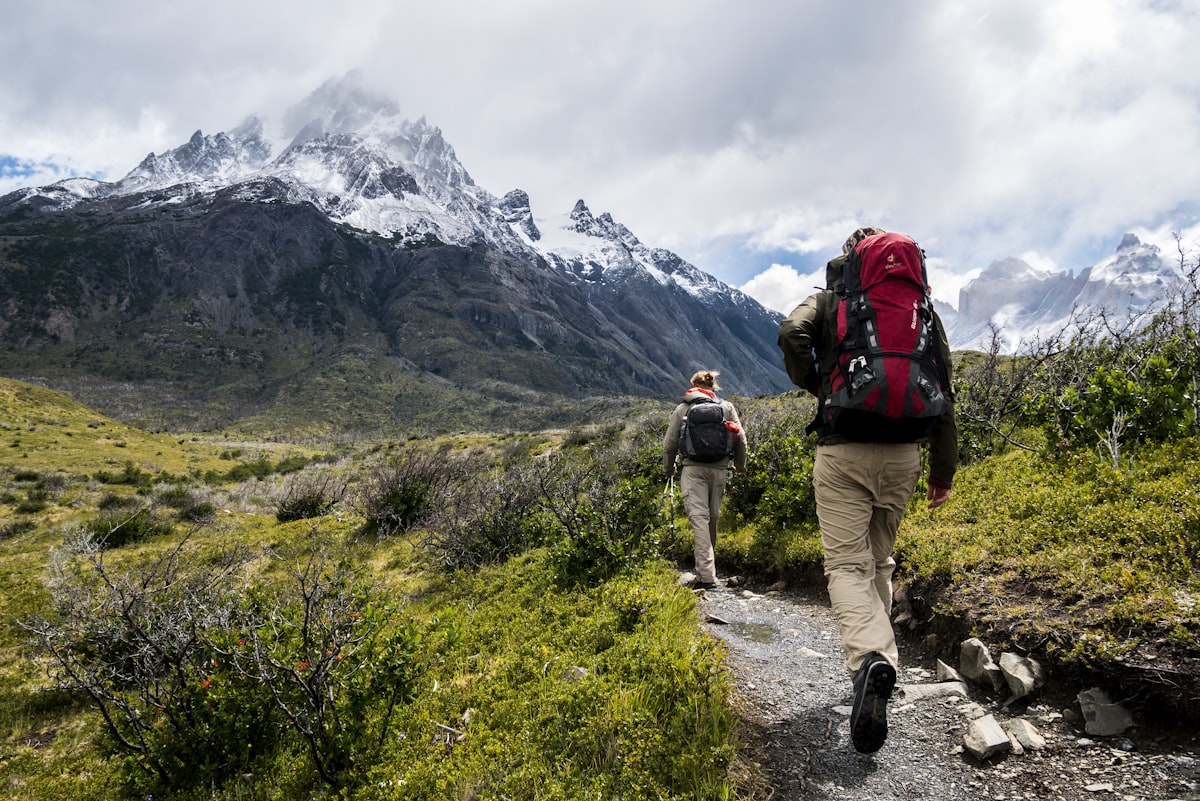
Rucking means walking or hiking while carrying a weighted pack. The name comes from rucksack, the military word for a backpack. Soldiers ruck for miles with heavy loads to build endurance and functional strength.
For everyday fitness it is far gentler. You start with a light load, walk at a normal pace, and slowly add weight or distance as your body adapts. If you can walk, you can ruck.

Studies show rucking burns about two to three times more calories than walking at the same pace. A 70 kg person carrying 10 kg can burn roughly 400 to 500 calories an hour, because the body works harder to carry and stabilize the load.
It also builds real fitness. Rucking raises your heart rate into a useful aerobic zone, improves cardiovascular health over time, and as a weight bearing exercise it supports bone density. Crucially, it does all of this with around 50 to 60 percent less impact on your joints than running.
Rucking suits almost everyone. Busy professionals can do it during a commute or a lunch break with no gym needed. People who find running boring or hard on the knees get similar benefits at a friendlier pace. Beginners can start light and build up, and older adults gain bone density and posture strength with low injury risk.
Athletes use it too: endurance athletes build an aerobic base without the pounding of long runs, and strength athletes use it as easy conditioning that does not interfere with lifting.
Use a backpack with padded straps and ideally a hip belt, and keep the weight high on your back near your shoulder blades. Start with about 10 percent of your body weight: for a 70 kg person that is around 7 kg, using plates, dumbbells, or water bottles wrapped so they do not shift.
Begin with 20 to 30 minutes at a pace where you can still hold a conversation. Stand tall with shoulders back and core engaged, take shorter quicker steps, and stop if you feel sharp pain. Warm up with a few minutes of easy walking first, and stretch afterwards.
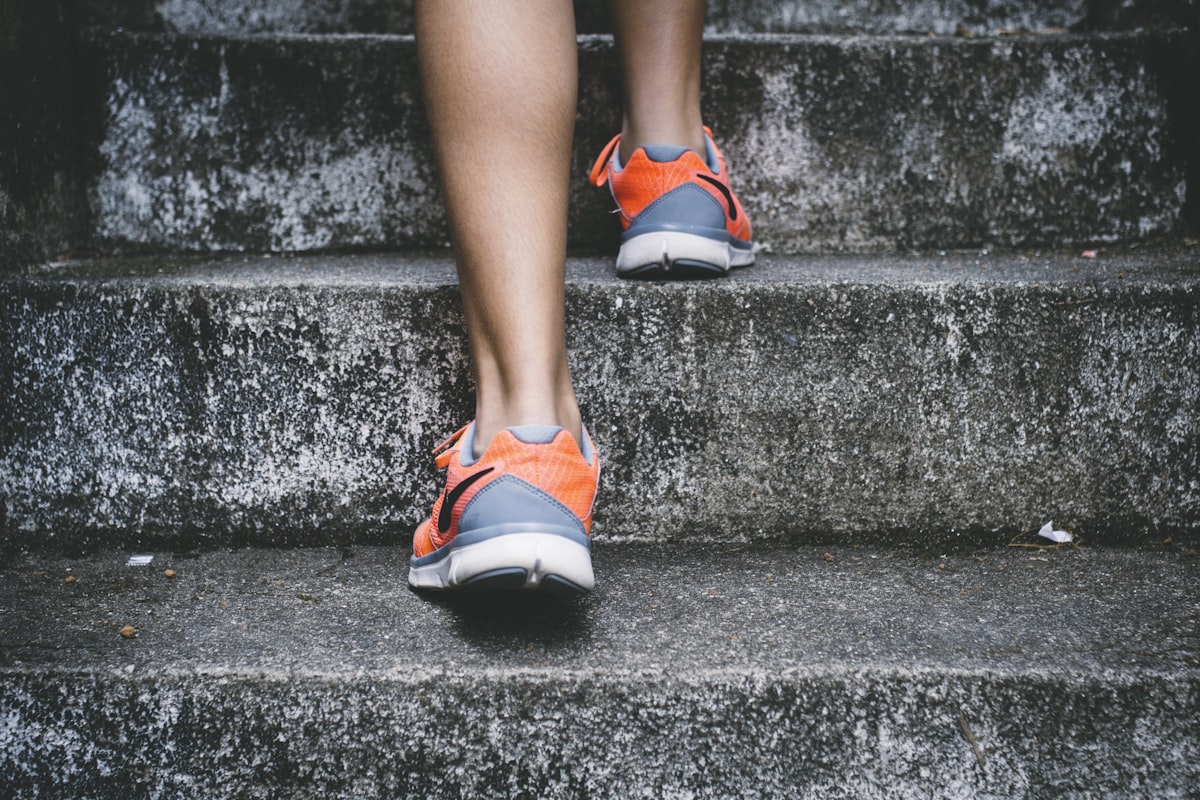
Start with two to three sessions a week so your body can adapt; rucking is weight bearing and recovery matters. Progress one variable at a time, never adding heavy weight and extra distance in the same week.
A simple plan: 7 kg for 30 minutes twice a week, add a couple of kilos every two weeks, then build toward 10 to 12 kg for 45 to 60 minutes over six to eight weeks. Keep lifting weights for muscle and strength, and treat rucking as your low impact cardio.
The most common mistake is starting too heavy. Ten percent of body weight feels light, so people pile on more and end up sore or injured. Give your body time. Watch your pack fit too: a bag that sags or shifts causes discomfort and strain, so tighten the straps and use the hip belt.
Finally, do not ignore pain or skip recovery. Mild muscle soreness is normal, but sharp or worsening pain means reduce the load and check your form. Two or three sessions a week is plenty; more is not better.
Start with about 10 percent of your body weight, around 7 kg for a 70 kg person, and add a kilo or two every couple of weeks as you adapt.
It builds similar cardiovascular fitness with much less joint stress, so it is a great option if running hurts your knees or feels boring. If you enjoy running and have no injuries, both are good.
Two to three times a week is enough for most people. Rucking is weight bearing, so leave time to recover between sessions.
Rucking is simple, accessible, and backed by solid research. It burns serious calories, strengthens your back and core, supports bone density, and builds heart health with less joint stress than running. Load a backpack with about 7 kg, walk for 30 minutes, and build gradually from there.
For a busy life, it is one of the easiest ways to train: no gym, no complicated gear, just a pack and a walk, ideally early morning or evening to beat the heat.
Your Next Step
Rucking is excellent cardio, but it works best inside a plan that combines training, nutrition, and recovery. At Hustle Nation we build you a clear plan around your goal and your lifestyle.
Book Your Free ConsultationAll information is based on peer reviewed research. This article is educational and does not constitute medical advice.
%20scale(0.92)'%3e%3cpath%20d='M%2046%2010%20A%2040%2040%200%200%200%2046%2090%20L%2046%2078%20A%209.5%209.5%200%200%201%2030.2%2069.8%20A%2011%2011%200%200%201%2022%2050%20A%2011%2011%200%200%201%2030.2%2030.2%20A%209.5%209.5%200%200%201%2046%2022%20Z'%20fill='%23e85d1f'/%3e%3cg%20fill='none'%20stroke='%23e85d1f'%20stroke-linecap='butt'%3e%3cpath%20d='M%2046%2038%20A%2012%2012%200%200%200%2046%2062'%20stroke-width='10'/%3e%3cpath%20d='M%2046%2050%20H%2056'%20stroke-width='10'/%3e%3c/g%3e%3cg%20fill='%23e85d1f'%3e%3crect%20x='56'%20y='16'%20width='12'%20height='68'/%3e%3crect%20x='74'%20y='28'%20width='10'%20height='44'/%3e%3crect%20x='90'%20y='40'%20width='8'%20height='20'/%3e%3c/g%3e%3c/g%3e%3cg%20fill='%23f7f4ef'%3e%3cpath%20d='M259.64,507.88h14.26v26.01h23.73v-26.01h14.26v64.25h-14.26v-26.01h-23.73v26.01h-14.26v-64.25Z'/%3e%3cpath%20d='M321.6,507.88h14.27v46.33c0,3.14,2.55,5.68,5.69,5.69h12.35c3.14,0,5.68-2.55,5.69-5.69v-46.33h14.27v47.41c-.03,9.29-7.55,16.81-16.84,16.84h-18.59c-9.29-.03-16.81-7.55-16.84-16.84v-47.41Z'/%3e%3cpath%20d='M399.04,507.88h42.49v12.23h-41.77c-2.08,0-3.77,1.69-3.77,3.77v6.08l27.82,6.38c5.98,1.32,10.22,6.65,10.18,12.78v5.7c-.03,9.55-7.76,17.29-17.32,17.32h-34.95v-12.23h34.23c2.08,0,3.77-1.69,3.77-3.77v-6.09l-27.77-6.37c-5.98-1.33-10.22-6.65-10.18-12.78v-.78c-.03-.44-.05-.87-.05-1.32v-3.6c.03-9.55,7.76-17.29,17.32-17.32Z'/%3e%3cpath%20d='M489.97,507.88v12.23h-19v52.02h-14.26v-52.02h-19v-12.23h52.26Z'/%3e%3cpath%20d='M521.03,572.13h-8.81c-9.55-.03-17.29-7.76-17.32-17.32v-46.93h14.26v48.25c0,2.08,1.69,3.77,3.77,3.77h34.23v12.23h-26.13Z'/%3e%3cpath%20d='M551.62,525.19c.03-9.55,7.76-17.29,17.32-17.32h34.95v12.23h-34.23c-2.08,0-3.77,1.69-3.77,3.77v32.25c0,2.08,1.69,3.77,3.77,3.77h34.23v12.23h-34.95c-9.55-.03-17.29-7.76-17.32-17.32v-29.61h0ZM593.83,533.89v12.23h-30.86v-12.23h30.86Z'/%3e%3c/g%3e%3cg%20fill='%23e85d1f'%3e%3cpath%20d='M608.34,507.88h17.23l20.77,42.48v-42.48h14.27v64.25h-17.23l-20.77-42.48v42.48h-14.26v-64.25Z'/%3e%3cpath%20d='M709.53,513.95l20.87,58.17h-15.16l-17.1-47.66-17.1,47.66h-15.15l20.87-58.17c1.27-3.67,4.75-6.12,8.63-6.08h5.5c3.89-.04,7.36,2.41,8.64,6.08Z'/%3e%3cpath%20d='M775.25,507.88v12.23h-19v52.02h-14.26v-52.02h-19v-12.23h52.26Z'/%3e%3cpath%20d='M780.72,572.13v-64.25h14.26v64.25h-14.26Z'/%3e%3cpath%20d='M856.39,525.19v29.61c-.03,9.55-7.76,17.29-17.32,17.32h-17.63c-9.55-.03-17.29-7.76-17.32-17.32v-29.61c.03-9.55,7.76-17.29,17.32-17.32h17.63c9.55.03,17.29,7.76,17.32,17.32ZM838.36,559.9c2.08,0,3.77-1.69,3.77-3.77v-32.25c0-2.08-1.69-3.77-3.77-3.77h-16.19c-2.08,0-3.77,1.69-3.77,3.77v32.25c0,2.08,1.69,3.77,3.77,3.77h16.19Z'/%3e%3cpath%20d='M865.54,507.88h17.23l20.77,42.48v-42.48h14.27v64.25h-17.23l-20.77-42.48v42.48h-14.26v-64.25Z'/%3e%3c/g%3e%3cpolygon%20fill='%23f7f4ef'%20points='703.28%20559.9%20707.67%20572.13%20688.63%20572.13%20693.01%20559.9%20703.28%20559.9'/%3e%3c/svg%3e)