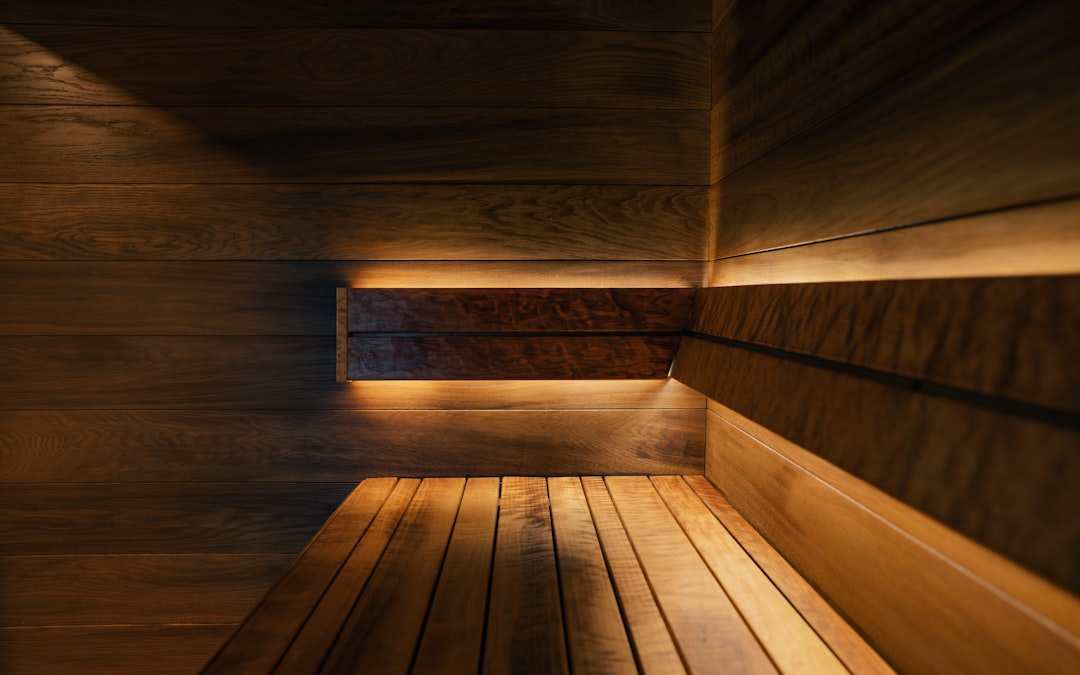
A science based guide to sauna protocols, research evidence on muscle recovery and performance improvement, and how to use it safely
Sauna has become one of the most popular recovery methods for athletes and trainees in 2026. It is no longer just a relaxation room after training, but a scientifically proven tool for improving performance, speeding recovery, and building heat tolerance.
Recent research shows that using sauna after training increases blood flow to muscles, activates heat shock proteins that protect cells, and improves aerobic endurance and performance capacity. This guide covers the real science, proven protocols, and who benefits most.
Sauna exposes the body to high heat ranging from 70 to 90 degrees Celsius in traditional Finnish sauna, or 45 to 60 degrees in infrared sauna. This heat exposure triggers a series of physiological adaptations.
First, heart rate rises to 100 to 150 beats per minute, and blood flow to skin and muscles increases by 50 to 70 percent. This high flow helps transport oxygen and nutrients to tissues and remove metabolic waste such as lactic acid.
Second, heat stimulates production of Heat Shock Proteins (HSPs). These proteins protect cells from damage, repair damaged proteins, and reduce inflammation. A PMC study on 40 female athletes using infrared sauna after training for 6 weeks showed clear improvement in neuromuscular performance and body composition.
Third, sauna increases blood plasma volume by 3 to 7 percent within one to two weeks. This means the heart pumps greater blood volume per beat, which improves oxygen transport efficiency and reduces heart rate at the same exercise intensity. This adaptation is similar to the effect of altitude training.
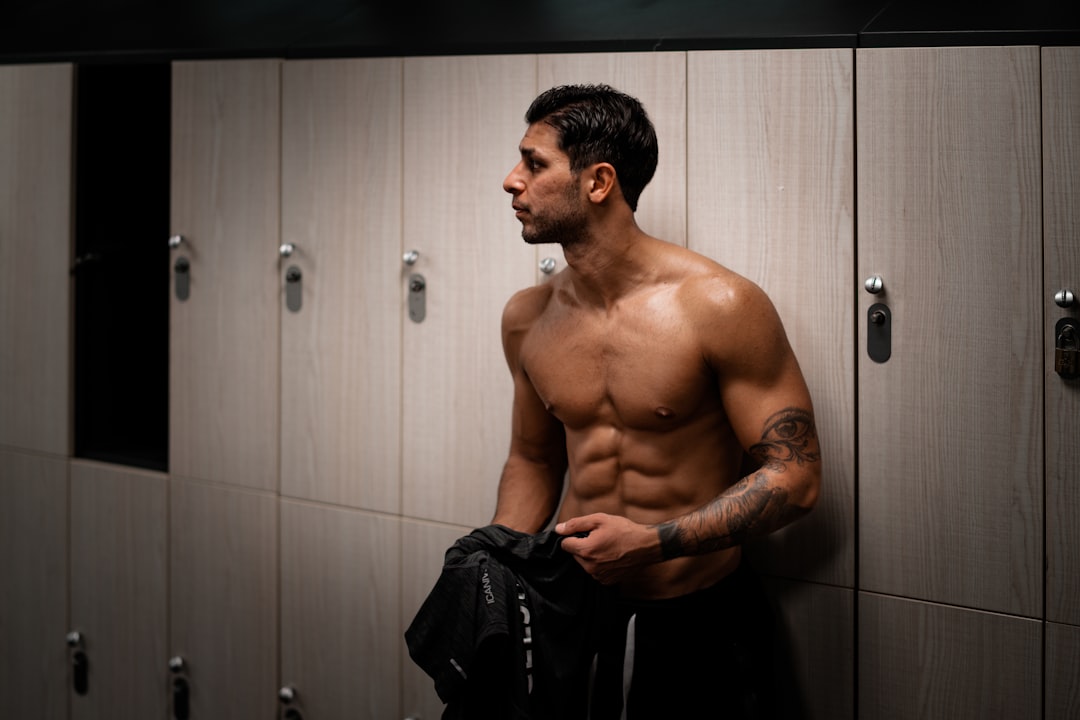
One of the strongest proven benefits of sauna is speeding muscle recovery after intense training. A 2026 study published in nordvitalwellness confirmed that post exercise sauna use increases blood flow, removes metabolic waste, and activates heat shock proteins, all of which reduce delayed onset muscle soreness (DOMS) and restore performance faster compared to passive recovery.
Another study from backyarddiscovery found that athletes who used sauna regularly after training showed faster return of strength and explosive power, with noticeable reduction in blood inflammation markers.
Research from rosenberryrooms that tested sauna protocols on 47 athletes over 6 months found that proper heat therapy could boost performance by 15 to 18 percent in well adapted athletes. This improvement was in endurance, heat tolerance, and cardiovascular health.
One of the less famous but scientifically proven benefits is that regular sauna improves aerobic endurance. A 2026 study on runners found that using sauna 3 to 4 times weekly for 3 weeks after training increased maximal oxygen consumption (VO2 max) by 5 to 7 percent and time to exhaustion by 20 to 25 percent.
The reason is the increase in plasma volume and improvement in cardiovascular efficiency. The body becomes better at transporting oxygen and cooling itself, allowing you to train at higher intensity for longer.
Research from research.poin-t-go.com confirms that regular heat exposure improves heat tolerance, meaning better performance in hot and humid environments. This is especially useful for athletes in Dubai and UAE, where outdoor heat is a real challenge in summer.

Endurance athletes: runners, cyclists, triathletes. The increase in plasma volume and improved cardiac efficiency give clear benefits for aerobic performance.
Strength and hypertrophy athletes: anyone training with heavy loads and high training volume. Sauna speeds muscle recovery and reduces DOMS, allowing higher training quality in the next session.
Athletes in hot environments: if you train or compete in heat, heat adaptation from sauna significantly improves your performance. A 2026 study showed that 10 to 14 days of regular heat exposure improve heat tolerance and performance in hot environments.
Regular trainees: even if you are not a professional athlete, sauna after training helps recovery, reduces stress, and improves sleep quality. Long term cardiovascular benefits are also proven.
Timing: use sauna immediately after training or within 30 to 60 minutes. This is the optimal time to activate heat shock proteins and increase blood flow to the muscles you trained.
Duration: start with 10 to 15 minutes in the first session. Gradually increase to 20 to 30 minutes once your body adapts. Longer sessions are not always better, and quality is more important than quantity.
Temperature: traditional Finnish sauna 70 to 90 degrees Celsius. Infrared sauna 45 to 60 degrees Celsius. Both are effective, but traditional sauna gives stronger heat exposure.
Frequency: 3 to 4 times weekly after training is the most studied protocol. You can use daily if well adapted, but ensure adequate hydration.
Hydration: drink 400 to 600 milliliters of water before sauna, and 500 to 700 milliliters per kilogram weight lost after sauna. Fluid loss in sauna can reach 1 to 2 liters in a 20 to 30 minute session.
Starting with too long duration: 30 minutes in the first session causes dizziness and fatigue. Start small and increase gradually.
Ignoring hydration: fluid loss without replacement reduces performance and causes headache and low blood pressure. Drink water before and after sauna.
Using sauna before training: sauna before training reduces performance because it raises core body temperature and reduces available strength. Use it after training, not before.
Ignoring medical warnings: if you have low blood pressure, heart problems, pregnancy, or any chronic health condition, consult your doctor before using sauna.
Relying on sauna alone: sauna supports recovery but does not replace adequate sleep 7 to 9 hours, adequate protein, and active rest. Use it as an additional tool, not a replacement for fundamentals.
Sauna is not just a luxury, but a recovery and performance tool backed by strong research. Regular use after training speeds muscle recovery, reduces delayed onset muscle soreness, improves aerobic endurance, and builds heat tolerance.
The simple protocol: 3 to 4 times weekly, 20 to 30 minutes after training, adequate hydration before and after, and gradual progression. It can improve performance by 15 to 18 percent in adapted athletes.
If you train seriously and want faster recovery and higher performance, sauna is a tool worth adding to your program.
Coach Huss builds complete training programs that fit your level, goals, and time, with clear recovery guidance for every phase.
Book Your Free Consultation%20scale(0.92)'%3e%3cpath%20d='M%2046%2010%20A%2040%2040%200%200%200%2046%2090%20L%2046%2078%20A%209.5%209.5%200%200%201%2030.2%2069.8%20A%2011%2011%200%200%201%2022%2050%20A%2011%2011%200%200%201%2030.2%2030.2%20A%209.5%209.5%200%200%201%2046%2022%20Z'%20fill='%23e85d1f'/%3e%3cg%20fill='none'%20stroke='%23e85d1f'%20stroke-linecap='butt'%3e%3cpath%20d='M%2046%2038%20A%2012%2012%200%200%200%2046%2062'%20stroke-width='10'/%3e%3cpath%20d='M%2046%2050%20H%2056'%20stroke-width='10'/%3e%3c/g%3e%3cg%20fill='%23e85d1f'%3e%3crect%20x='56'%20y='16'%20width='12'%20height='68'/%3e%3crect%20x='74'%20y='28'%20width='10'%20height='44'/%3e%3crect%20x='90'%20y='40'%20width='8'%20height='20'/%3e%3c/g%3e%3c/g%3e%3cg%20fill='%23f7f4ef'%3e%3cpath%20d='M259.64,507.88h14.26v26.01h23.73v-26.01h14.26v64.25h-14.26v-26.01h-23.73v26.01h-14.26v-64.25Z'/%3e%3cpath%20d='M321.6,507.88h14.27v46.33c0,3.14,2.55,5.68,5.69,5.69h12.35c3.14,0,5.68-2.55,5.69-5.69v-46.33h14.27v47.41c-.03,9.29-7.55,16.81-16.84,16.84h-18.59c-9.29-.03-16.81-7.55-16.84-16.84v-47.41Z'/%3e%3cpath%20d='M399.04,507.88h42.49v12.23h-41.77c-2.08,0-3.77,1.69-3.77,3.77v6.08l27.82,6.38c5.98,1.32,10.22,6.65,10.18,12.78v5.7c-.03,9.55-7.76,17.29-17.32,17.32h-34.95v-12.23h34.23c2.08,0,3.77-1.69,3.77-3.77v-6.09l-27.77-6.37c-5.98-1.33-10.22-6.65-10.18-12.78v-.78c-.03-.44-.05-.87-.05-1.32v-3.6c.03-9.55,7.76-17.29,17.32-17.32Z'/%3e%3cpath%20d='M489.97,507.88v12.23h-19v52.02h-14.26v-52.02h-19v-12.23h52.26Z'/%3e%3cpath%20d='M521.03,572.13h-8.81c-9.55-.03-17.29-7.76-17.32-17.32v-46.93h14.26v48.25c0,2.08,1.69,3.77,3.77,3.77h34.23v12.23h-26.13Z'/%3e%3cpath%20d='M551.62,525.19c.03-9.55,7.76-17.29,17.32-17.32h34.95v12.23h-34.23c-2.08,0-3.77,1.69-3.77,3.77v32.25c0,2.08,1.69,3.77,3.77,3.77h34.23v12.23h-34.95c-9.55-.03-17.29-7.76-17.32-17.32v-29.61h0ZM593.83,533.89v12.23h-30.86v-12.23h30.86Z'/%3e%3c/g%3e%3cg%20fill='%23e85d1f'%3e%3cpath%20d='M608.34,507.88h17.23l20.77,42.48v-42.48h14.27v64.25h-17.23l-20.77-42.48v42.48h-14.26v-64.25Z'/%3e%3cpath%20d='M709.53,513.95l20.87,58.17h-15.16l-17.1-47.66-17.1,47.66h-15.15l20.87-58.17c1.27-3.67,4.75-6.12,8.63-6.08h5.5c3.89-.04,7.36,2.41,8.64,6.08Z'/%3e%3cpath%20d='M775.25,507.88v12.23h-19v52.02h-14.26v-52.02h-19v-12.23h52.26Z'/%3e%3cpath%20d='M780.72,572.13v-64.25h14.26v64.25h-14.26Z'/%3e%3cpath%20d='M856.39,525.19v29.61c-.03,9.55-7.76,17.29-17.32,17.32h-17.63c-9.55-.03-17.29-7.76-17.32-17.32v-29.61c.03-9.55,7.76-17.29,17.32-17.32h17.63c9.55.03,17.29,7.76,17.32,17.32ZM838.36,559.9c2.08,0,3.77-1.69,3.77-3.77v-32.25c0-2.08-1.69-3.77-3.77-3.77h-16.19c-2.08,0-3.77,1.69-3.77,3.77v32.25c0,2.08,1.69,3.77,3.77,3.77h16.19Z'/%3e%3cpath%20d='M865.54,507.88h17.23l20.77,42.48v-42.48h14.27v64.25h-17.23l-20.77-42.48v42.48h-14.26v-64.25Z'/%3e%3c/g%3e%3cpolygon%20fill='%23f7f4ef'%20points='703.28%20559.9%20707.67%20572.13%20688.63%20572.13%20693.01%20559.9%20703.28%20559.9'/%3e%3c/svg%3e)