
How sleep drives muscle growth, how much you need, what happens when you miss it, and practical steps to improve it
Most people focus on training and nutrition and forget the single most powerful tool for recovery and muscle growth: sleep. Muscle does not grow in the gym, it grows during rest, and sleep is when the body does most of its repair and building work.
If you train hard and eat well but do not sleep enough, you are leaving a lot of results on the table. This guide explains how sleep builds muscle, how much you need, and how to improve it in practice.
During deep sleep the body releases most of its daily growth hormone, which is central to tissue repair and muscle building. Muscle protein synthesis also rises, and the fibers stressed during training are repaired so they come back stronger.
Sleep also balances the hormones that control hunger and stress. Too little sleep raises cortisol (the stress hormone) which breaks muscle down, and lowers testosterone which helps build it. Good sleep tilts the balance toward building rather than breaking down.
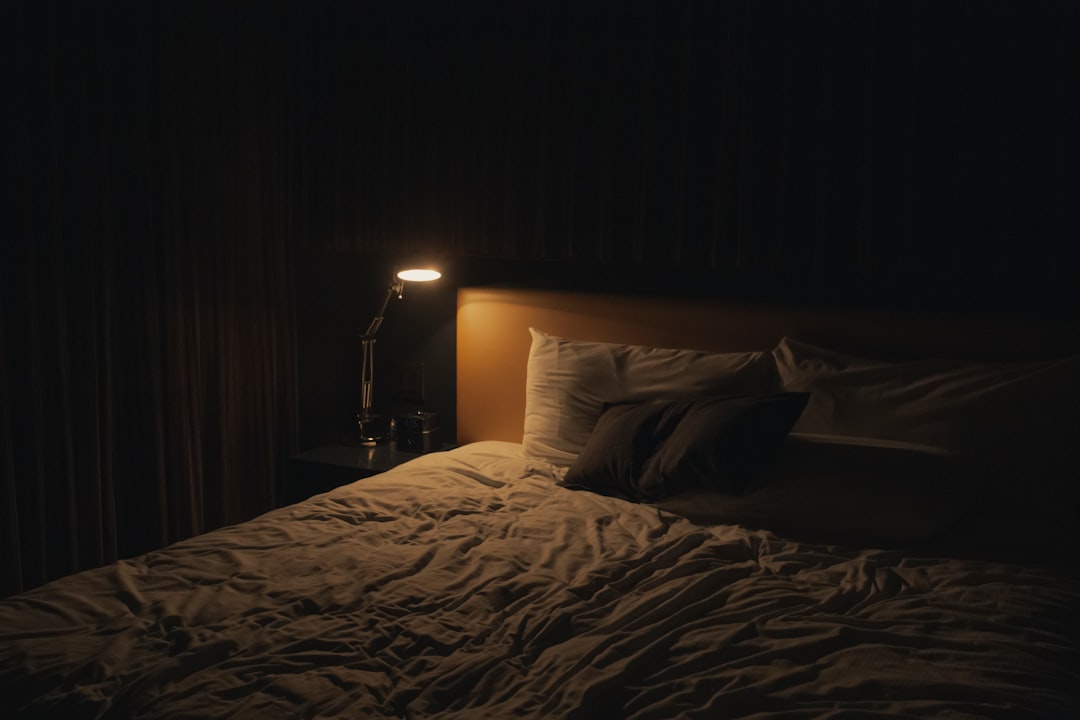
Most adults need 7 to 9 hours a night. People who train hard often need the higher end of that range, because their body has more repair to do. Regularly sleeping less than 6 hours hurts recovery, performance, and body composition.
Quality matters as much as quantity. Broken or shallow sleep does not give you enough deep sleep, where most repair happens. The goal is enough sleep that is continuous and regular in its timing.
The studies are clear: when sleep is restricted, strength and gym performance drop, muscle building slows, and muscle loss during a diet increases. Hunger and cravings for high calorie food also rise, which makes nutrition harder to control.
In other words, poor sleep works against everything you are trying to achieve in the gym. You cannot out supplement or out train it, only out sleep it.
Keep your sleep and wake times consistent, even on weekends. Make the room dark, cool, and quiet. Get off bright screens about an hour before bed, and cut caffeine after midday since it stays in your system for many hours.
In hot climates especially, use blackout curtains and comfortable cooling to beat the heat and light. Avoid very heavy meals and high intensity exercise right before bed, since both make it harder to drop into deep sleep.
Treat sleep the way you treat training and nutrition: a core part of the plan, not a luxury. The best training program will not deliver its full results on top of poor sleep. Protecting your sleep is one of the most powerful and cheapest ways to speed up results.
Yes. Most repair and muscle building happens during rest, and deep sleep is the peak of that process due to growth hormone and higher protein synthesis.
A short 20 to 30 minute nap can help recovery and focus if your night sleep is short, but it does not replace a full night of sleep on a regular basis.
Focus on consistency and quality, and add even 30 minutes. Even a small, steady improvement in sleep makes a real difference to recovery and performance.
Sleep is not wasted time, it is the time your body builds muscle. Aim for 7 to 9 regular, high quality hours, keep your timing consistent, darken your room, and cut late caffeine. Treat sleep as part of your training, because it is.
Your Next Step
Training, nutrition, and sleep work together. At Hustle Nation we build you a complete plan that accounts for your recovery and your lifestyle.
Book Your Free ConsultationAll information is based on peer reviewed research. This article is educational and does not constitute medical advice.
%20scale(0.92)'%3e%3cpath%20d='M%2046%2010%20A%2040%2040%200%200%200%2046%2090%20L%2046%2078%20A%209.5%209.5%200%200%201%2030.2%2069.8%20A%2011%2011%200%200%201%2022%2050%20A%2011%2011%200%200%201%2030.2%2030.2%20A%209.5%209.5%200%200%201%2046%2022%20Z'%20fill='%23e85d1f'/%3e%3cg%20fill='none'%20stroke='%23e85d1f'%20stroke-linecap='butt'%3e%3cpath%20d='M%2046%2038%20A%2012%2012%200%200%200%2046%2062'%20stroke-width='10'/%3e%3cpath%20d='M%2046%2050%20H%2056'%20stroke-width='10'/%3e%3c/g%3e%3cg%20fill='%23e85d1f'%3e%3crect%20x='56'%20y='16'%20width='12'%20height='68'/%3e%3crect%20x='74'%20y='28'%20width='10'%20height='44'/%3e%3crect%20x='90'%20y='40'%20width='8'%20height='20'/%3e%3c/g%3e%3c/g%3e%3cg%20fill='%23f7f4ef'%3e%3cpath%20d='M259.64,507.88h14.26v26.01h23.73v-26.01h14.26v64.25h-14.26v-26.01h-23.73v26.01h-14.26v-64.25Z'/%3e%3cpath%20d='M321.6,507.88h14.27v46.33c0,3.14,2.55,5.68,5.69,5.69h12.35c3.14,0,5.68-2.55,5.69-5.69v-46.33h14.27v47.41c-.03,9.29-7.55,16.81-16.84,16.84h-18.59c-9.29-.03-16.81-7.55-16.84-16.84v-47.41Z'/%3e%3cpath%20d='M399.04,507.88h42.49v12.23h-41.77c-2.08,0-3.77,1.69-3.77,3.77v6.08l27.82,6.38c5.98,1.32,10.22,6.65,10.18,12.78v5.7c-.03,9.55-7.76,17.29-17.32,17.32h-34.95v-12.23h34.23c2.08,0,3.77-1.69,3.77-3.77v-6.09l-27.77-6.37c-5.98-1.33-10.22-6.65-10.18-12.78v-.78c-.03-.44-.05-.87-.05-1.32v-3.6c.03-9.55,7.76-17.29,17.32-17.32Z'/%3e%3cpath%20d='M489.97,507.88v12.23h-19v52.02h-14.26v-52.02h-19v-12.23h52.26Z'/%3e%3cpath%20d='M521.03,572.13h-8.81c-9.55-.03-17.29-7.76-17.32-17.32v-46.93h14.26v48.25c0,2.08,1.69,3.77,3.77,3.77h34.23v12.23h-26.13Z'/%3e%3cpath%20d='M551.62,525.19c.03-9.55,7.76-17.29,17.32-17.32h34.95v12.23h-34.23c-2.08,0-3.77,1.69-3.77,3.77v32.25c0,2.08,1.69,3.77,3.77,3.77h34.23v12.23h-34.95c-9.55-.03-17.29-7.76-17.32-17.32v-29.61h0ZM593.83,533.89v12.23h-30.86v-12.23h30.86Z'/%3e%3c/g%3e%3cg%20fill='%23e85d1f'%3e%3cpath%20d='M608.34,507.88h17.23l20.77,42.48v-42.48h14.27v64.25h-17.23l-20.77-42.48v42.48h-14.26v-64.25Z'/%3e%3cpath%20d='M709.53,513.95l20.87,58.17h-15.16l-17.1-47.66-17.1,47.66h-15.15l20.87-58.17c1.27-3.67,4.75-6.12,8.63-6.08h5.5c3.89-.04,7.36,2.41,8.64,6.08Z'/%3e%3cpath%20d='M775.25,507.88v12.23h-19v52.02h-14.26v-52.02h-19v-12.23h52.26Z'/%3e%3cpath%20d='M780.72,572.13v-64.25h14.26v64.25h-14.26Z'/%3e%3cpath%20d='M856.39,525.19v29.61c-.03,9.55-7.76,17.29-17.32,17.32h-17.63c-9.55-.03-17.29-7.76-17.32-17.32v-29.61c.03-9.55,7.76-17.29,17.32-17.32h17.63c9.55.03,17.29,7.76,17.32,17.32ZM838.36,559.9c2.08,0,3.77-1.69,3.77-3.77v-32.25c0-2.08-1.69-3.77-3.77-3.77h-16.19c-2.08,0-3.77,1.69-3.77,3.77v32.25c0,2.08,1.69,3.77,3.77,3.77h16.19Z'/%3e%3cpath%20d='M865.54,507.88h17.23l20.77,42.48v-42.48h14.27v64.25h-17.23l-20.77-42.48v42.48h-14.26v-64.25Z'/%3e%3c/g%3e%3cpolygon%20fill='%23f7f4ef'%20points='703.28%20559.9%20707.67%20572.13%20688.63%20572.13%20693.01%20559.9%20703.28%20559.9'/%3e%3c/svg%3e)