Backed by 40 years of research, 1 to 3 percent performance gains in high intensity efforts, and sitting in your kitchen
Sodium bicarbonate is the scientific name for ordinary baking soda, and it is also one of the most studied and evidence backed supplements in sports science. Over 40 years of research, hundreds of randomized controlled trials, and official endorsement from the International Society of Sports Nutrition. Completely legal in competitive sport, and costs essentially nothing.
The research is clear: for high intensity exercise lasting 1 to 7 minutes, sodium bicarbonate consistently improves performance by 1 to 3 percent in well controlled trials, an effect comparable to many expensive supplements. Yet most athletes have never tried it. The main reason: the full dose can cause gastrointestinal problems if not taken correctly. But with the right protocol, the effect is real and measurable.
During intense exercise, your muscles produce hydrogen ions as a byproduct of anaerobic metabolism. As hydrogen ion concentration rises, muscle pH drops, the environment becomes more acidic, and this acidosis directly impairs muscle contraction. The burning sensation you feel during a hard set of squats or a 400 meter sprint is partly this acidosis at work.
Sodium bicarbonate is an alkaline compound that raises blood pH. When you consume it before exercise, it acts as an extracellular buffer: it increases the concentration of bicarbonate ions in the blood, which can more readily accept the hydrogen ions being exported from working muscles. This delays the onset of acidosis, allowing muscles to continue contracting at high intensity for longer.
Think of it as expanding the capacity of the body to absorb acid before you need it. The result: you can maintain higher power, or speed for longer, or complete more repetitions before the burn forces you to slow down.
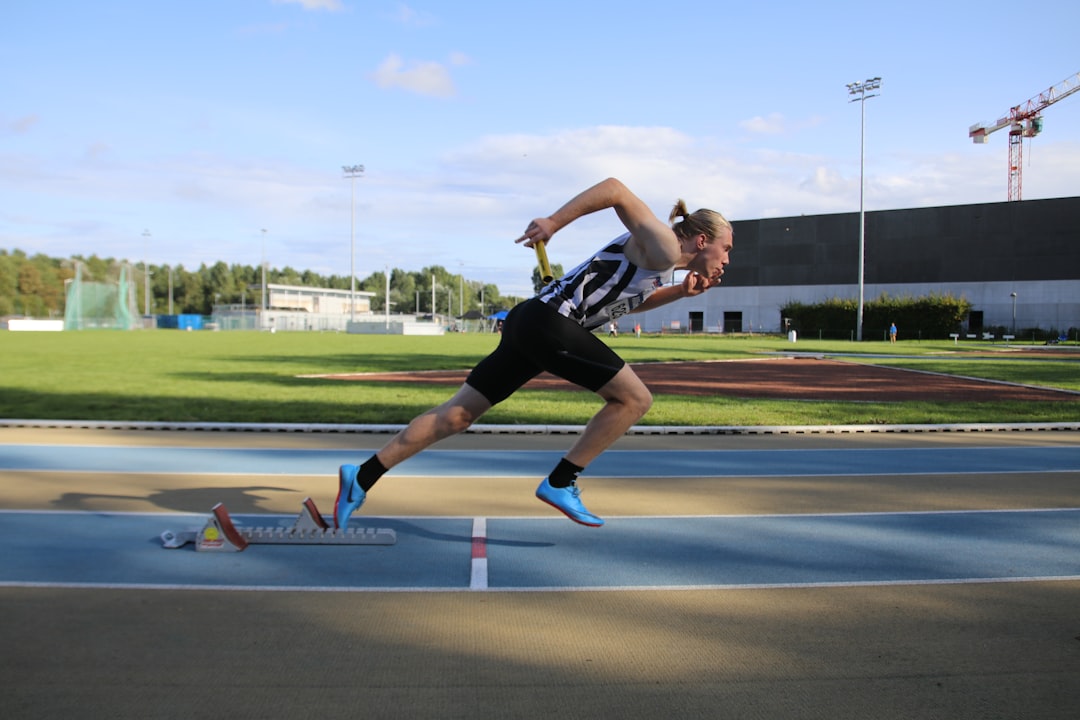
A 2021 meta analysis in Sports Medicine covering 87 studies found that sodium bicarbonate supplementation produced a mean improvement of 1.7 percent in time to exhaustion tests and meaningful performance gains in swimming, cycling, rowing, combat sports, and team sport sprints. Effect sizes were consistently largest for efforts lasting 1 to 7 minutes, the glycolytic zone where acidosis is most performance limiting.
Sodium bicarbonate also benefits strength athletes. A 2013 study found that 0.3 grams per kilogram of sodium bicarbonate improved total repetitions in bench press to failure by approximately 5.5 percent. Similar benefits have been found for multiple sets with short rest periods, CrossFit style workouts, and combat sport bouts where repeated explosive efforts are required.
Benefits diminish for long endurance events primarily fueled by aerobic metabolism such as distance running, marathon, long distance cycling. The acidosis mechanism is less dominant when mitochondrial aerobic pathways are the primary energy source. However, the final sprint or climb at the end of an endurance event where glycolytic intensity spikes may still benefit.
Sodium bicarbonate is not for everyone. The biggest benefit is when muscle acidosis is the limiting factor in performance.
Swimmers especially 100 meter and 200 meter freestyle, butterfly, breaststroke, one of the most studied populations. Cyclists in time trials, track cycling, races with repeated hard efforts. Combat sports athletes in boxing, wrestling, mixed martial arts where repeated high intensity bursts are. Track and field athletes especially 400 meter, 800 meter, 1500 meter runners. Rowers in 2000 meter ergometer and on water. Team sport athletes in soccer, basketball, rugby where repeated sprints are. CrossFit and high intensity training athletes in high rep lifting, circuits, circuit training.
If the performance you do depends on multiple explosive efforts with incomplete rest, sodium bicarbonate is worth testing in training before you decide to use it in competition.
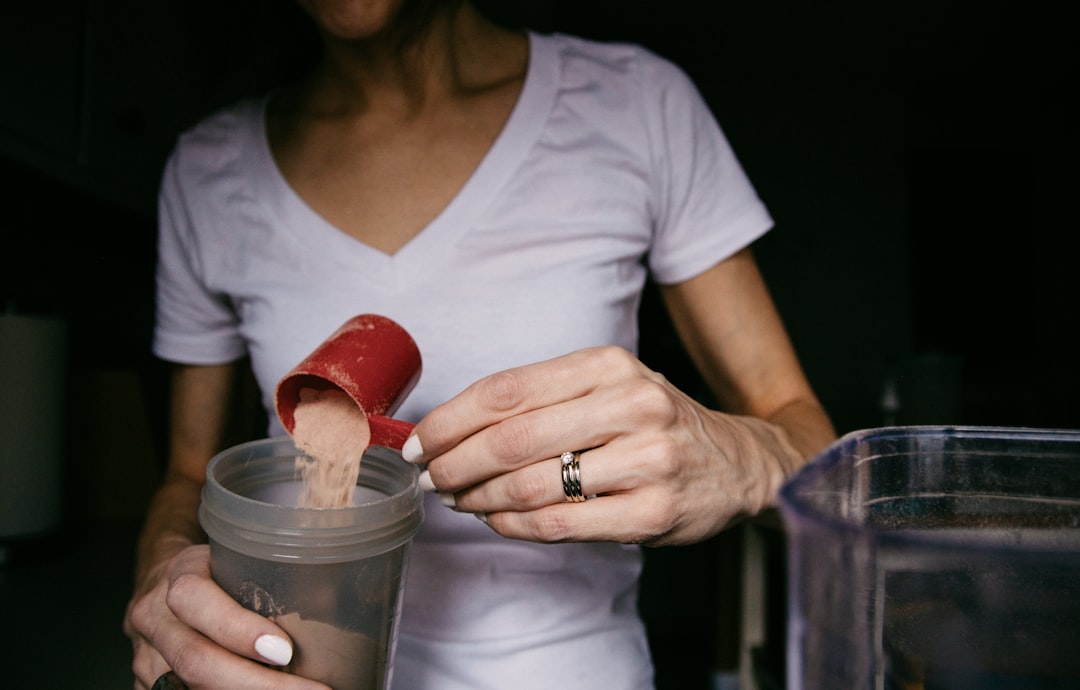
The most evidence backed protocol is 0.2 to 0.3 grams per kilogram of body weight taken 60 to 90 minutes before exercise. For a 75 kilogram athlete, this is 15 to 22.5 grams, approximately one tablespoon to one and a half tablespoons of baking soda. Blood bicarbonate peaks approximately 60 to 90 minutes after ingestion.
For those sensitive to gastrointestinal effects, some research supports a lower dose of 0.1 to 0.2 grams per kilogram, which still provides meaningful but reduced buffering capacity with significantly better tolerability.
A 2018 study showed that splitting the dose across 3 days, 0.5 grams per kilogram daily divided into three doses with meals, achieves comparable blood bicarbonate elevations with dramatically reduced gastrointestinal distress. This multi day approach is increasingly recommended for athletes competing in tournaments or back to back events.
The primary limitation of sodium bicarbonate supplementation is gastrointestinal distress: nausea, bloating, diarrhea, and stomach cramping can occur, especially at higher doses. Strategies to minimize these effects:
Take it with food: consuming sodium bicarbonate alongside a carbohydrate containing meal slows absorption and significantly reduces gastrointestinal symptoms. Use the multi day loading protocol: distributing the dose across days substantially improves tolerability. Start low and test: begin with 0.1 grams per kilogram in training to gauge individual tolerance before competition. Allow a 2 hour plus gap before competition: most gastrointestinal effects pass within 90 to 120 minutes of ingestion.
Do not try sodium bicarbonate for the first time on race day. Test it in 2 to 3 training sessions first so you know how the body of you responds. The gastrointestinal effect is very individual, some athletes do not tolerate it even with the best protocol.
The simplest and cheapest option: pharmaceutical grade sodium bicarbonate is identical to food grade baking soda. A 2 kilogram bag of baking soda is essentially a lifetime supply for an athlete using it pre workout and costs just a few dollars. Weigh your dose on a kitchen scale for accuracy.
Some commercial products offer slow release capsules to improve gastrointestinal tolerance. These are more expensive but may be the difference between a usable protocol and race day disaster for athletes who experience significant gastrointestinal sensitivity.
Beta alanine and sodium bicarbonate work via complementary mechanisms. Beta alanine raises intramuscular carnosine an intracellular buffer, while sodium bicarbonate elevates blood bicarbonate extracellular. Research shows combining them produces additive performance benefits greater than either alone, making them a natural pre workout stack for high intensity athletes. Beta alanine requires chronic loading 2 to 5 grams daily for 4 weeks plus, sodium bicarbonate is taken acutely pre performance.
I see the clients of me in Dubai spend hundreds of dirhams on pre workout supplements with unproven ingredients and huge marketing claims, then they ignore sodium bicarbonate because it seems too simple to be real. The truth is, ordinary baking soda has a stronger evidence base than most expensive supplements they buy.
This does not mean it works for everyone. Some people cannot tolerate the gastrointestinal effect even with the best timing and food strategy. And if the training of you is mostly aerobic or low rep strength with long rest, the effect may not show. But if you train for a sport that requires repeated intense bursts, sprints, or sets close to failure, sodium bicarbonate is worth two weeks of testing in training. It is legal, studied, and costs less than a cup of coffee. If it works for you, you have a real competitive advantage that most of the competitors of you are not using.
If you compete or train at high intensity lasting 1 to 7 minutes, try sodium bicarbonate in training first.
Get a personalized training and nutrition plan from Coach Huss, ISSA certified trainer with over 10 years experience and 500 plus client transformations
Start Today%20scale(0.92)'%3e%3cpath%20d='M%2046%2010%20A%2040%2040%200%200%200%2046%2090%20L%2046%2078%20A%209.5%209.5%200%200%201%2030.2%2069.8%20A%2011%2011%200%200%201%2022%2050%20A%2011%2011%200%200%201%2030.2%2030.2%20A%209.5%209.5%200%200%201%2046%2022%20Z'%20fill='%23e85d1f'/%3e%3cg%20fill='none'%20stroke='%23e85d1f'%20stroke-linecap='butt'%3e%3cpath%20d='M%2046%2038%20A%2012%2012%200%200%200%2046%2062'%20stroke-width='10'/%3e%3cpath%20d='M%2046%2050%20H%2056'%20stroke-width='10'/%3e%3c/g%3e%3cg%20fill='%23e85d1f'%3e%3crect%20x='56'%20y='16'%20width='12'%20height='68'/%3e%3crect%20x='74'%20y='28'%20width='10'%20height='44'/%3e%3crect%20x='90'%20y='40'%20width='8'%20height='20'/%3e%3c/g%3e%3c/g%3e%3cg%20fill='%23f7f4ef'%3e%3cpath%20d='M259.64,507.88h14.26v26.01h23.73v-26.01h14.26v64.25h-14.26v-26.01h-23.73v26.01h-14.26v-64.25Z'/%3e%3cpath%20d='M321.6,507.88h14.27v46.33c0,3.14,2.55,5.68,5.69,5.69h12.35c3.14,0,5.68-2.55,5.69-5.69v-46.33h14.27v47.41c-.03,9.29-7.55,16.81-16.84,16.84h-18.59c-9.29-.03-16.81-7.55-16.84-16.84v-47.41Z'/%3e%3cpath%20d='M399.04,507.88h42.49v12.23h-41.77c-2.08,0-3.77,1.69-3.77,3.77v6.08l27.82,6.38c5.98,1.32,10.22,6.65,10.18,12.78v5.7c-.03,9.55-7.76,17.29-17.32,17.32h-34.95v-12.23h34.23c2.08,0,3.77-1.69,3.77-3.77v-6.09l-27.77-6.37c-5.98-1.33-10.22-6.65-10.18-12.78v-.78c-.03-.44-.05-.87-.05-1.32v-3.6c.03-9.55,7.76-17.29,17.32-17.32Z'/%3e%3cpath%20d='M489.97,507.88v12.23h-19v52.02h-14.26v-52.02h-19v-12.23h52.26Z'/%3e%3cpath%20d='M521.03,572.13h-8.81c-9.55-.03-17.29-7.76-17.32-17.32v-46.93h14.26v48.25c0,2.08,1.69,3.77,3.77,3.77h34.23v12.23h-26.13Z'/%3e%3cpath%20d='M551.62,525.19c.03-9.55,7.76-17.29,17.32-17.32h34.95v12.23h-34.23c-2.08,0-3.77,1.69-3.77,3.77v32.25c0,2.08,1.69,3.77,3.77,3.77h34.23v12.23h-34.95c-9.55-.03-17.29-7.76-17.32-17.32v-29.61h0ZM593.83,533.89v12.23h-30.86v-12.23h30.86Z'/%3e%3c/g%3e%3cg%20fill='%23e85d1f'%3e%3cpath%20d='M608.34,507.88h17.23l20.77,42.48v-42.48h14.27v64.25h-17.23l-20.77-42.48v42.48h-14.26v-64.25Z'/%3e%3cpath%20d='M709.53,513.95l20.87,58.17h-15.16l-17.1-47.66-17.1,47.66h-15.15l20.87-58.17c1.27-3.67,4.75-6.12,8.63-6.08h5.5c3.89-.04,7.36,2.41,8.64,6.08Z'/%3e%3cpath%20d='M775.25,507.88v12.23h-19v52.02h-14.26v-52.02h-19v-12.23h52.26Z'/%3e%3cpath%20d='M780.72,572.13v-64.25h14.26v64.25h-14.26Z'/%3e%3cpath%20d='M856.39,525.19v29.61c-.03,9.55-7.76,17.29-17.32,17.32h-17.63c-9.55-.03-17.29-7.76-17.32-17.32v-29.61c.03-9.55,7.76-17.29,17.32-17.32h17.63c9.55.03,17.29,7.76,17.32,17.32ZM838.36,559.9c2.08,0,3.77-1.69,3.77-3.77v-32.25c0-2.08-1.69-3.77-3.77-3.77h-16.19c-2.08,0-3.77,1.69-3.77,3.77v32.25c0,2.08,1.69,3.77,3.77,3.77h16.19Z'/%3e%3cpath%20d='M865.54,507.88h17.23l20.77,42.48v-42.48h14.27v64.25h-17.23l-20.77-42.48v42.48h-14.26v-64.25Z'/%3e%3c/g%3e%3cpolygon%20fill='%23f7f4ef'%20points='703.28%20559.9%20707.67%20572.13%20688.63%20572.13%20693.01%20559.9%20703.28%20559.9'/%3e%3c/svg%3e)