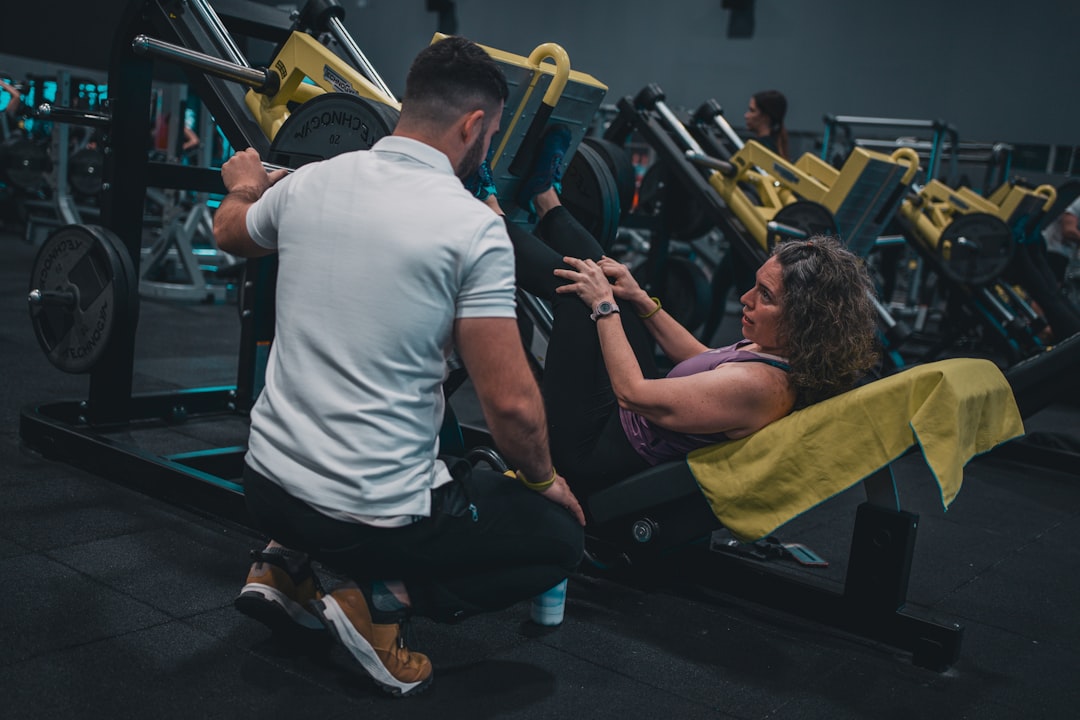
New 2026 research proves splitting your training volume across two or three sessions increases muscle growth by 18 percent
One of the biggest questions in training: how often should you train each muscle weekly? For decades, the once per week split was gospel. Chest Monday, back Tuesday, legs Thursday. But new 2026 research from the Journal of Applied Physiology has ended the debate: training each muscle two or three times per week beats once by 18 percent for muscle growth.
The reason is not complicated. Weekly training volume matters, but how you distribute that volume makes a difference. Instead of 16 sets for chest in one long session, splitting them across two sessions of 8 sets allows you to lift heavier, perform better, and tap into multiple muscle protein synthesis windows during the week. The result: faster growth, less fatigue, and more sustainable progress.
In early 2026, researchers from the International Society of Sports Nutrition published a comprehensive meta analysis of 53 studies involving over 2800 participants. The goal was to identify the fastest path to muscle growth. The result was clear: dividing the same weekly training volume across two or three sessions instead of one session increased muscle growth by 18 percent.
The research also showed that the optimal recovery window is 48 to 72 hours between training the same muscle. During this time, muscle protein synthesis remains elevated, peaking at 24 hours. Training before 48 hours shows no additional benefit and increases cortisol by 35 percent. The optimal frequency is every 48 to 72 hours per muscle group.
This explains why full body training two or three times weekly, or push pull legs twice weekly, has become the preferred choice for trainees seeking fastest results.
The first reason is multiple muscle protein synthesis windows. When you train a muscle, protein synthesis stays elevated for 24 to 48 hours. If you train chest once weekly, you get one growth window. If you train it twice, you get two windows. More stimulus equals more growth.
The second reason is session quality. Trying to do 16 to 20 sets for chest in one session means the last sets are under heavy fatigue, lighter loads, and worse form. Splitting them across two sessions of 8 to 10 sets means every set is fresh, focused, and heavy. Quality beats stacked quantity.
The third reason is recovery. High volume in one session causes severe muscle damage, prolonged soreness, and central fatigue. Distributing volume reduces damage per session, speeds recovery, and allows you to train with higher intensity in the next session. The system you can sustain wins.
The same 2026 meta analysis also identified optimal weekly volume: 10 to 15 working sets per muscle group weekly produces 95 percent of maximal growth. Participants doing 20 plus sets weekly showed only 3 percent additional growth but had 40 percent higher injury rates and fatigue markers.
This means instead of 20 sets for chest in one Monday session, you can do 6 to 8 sets in a Monday push session and 6 to 8 sets in a Thursday push session, for 12 to 16 weekly sets distributed across two growth windows. This is the sweet spot.
Full body two or three times weekly: each session trains all major muscles with 3 to 4 sets per muscle. Ideal for beginners or busy schedules. Example: Monday and Thursday, or Monday Wednesday Friday.
Push pull legs twice weekly: push (chest, shoulder, triceps), pull (back, biceps), legs. Rotate twice weekly to train each muscle twice. Example: Sunday push, Tuesday pull, Thursday legs, Saturday push, Monday pull, Wednesday legs.
Upper lower four times weekly: upper Monday, lower Tuesday, rest Wednesday, upper Thursday, lower Friday. Each muscle gets two weekly sessions with adequate recovery.
Beginners and intermediates: higher frequency allows more practice of fundamental movements, faster form improvement, and faster growth. Training squat twice weekly beats once when you are learning the movement.
Busy people: two 45 minute full body sessions beat six long sessions weekly. Same volume, less time, better results.
Slow recoverers: distributing volume across two or three sessions reduces muscle damage and soreness per session, easing recovery and reducing central fatigue.
People with weak points: if your shoulders, arms, or legs lag, training them three times weekly with moderate volume beats once with high volume. More frequent stimulus drives growth without excess fatigue.
Increasing frequency and volume together: if you move from once to twice weekly, do not double the volume. Split the same total volume across two sessions. 16 sets for chest weekly means 8 sets per session, not 16 per session.
Not respecting recovery: training before 48 hours from the previous session shows no additional benefit and increases cortisol and fatigue. Respect the 48 to 72 hour window.
Using same exercises each session: if you train chest twice weekly, vary the exercises. Session 1: flat bench press, incline dumbbell press, flyes. Session 2: incline bench press, dips, cable flyes. Variety stimulates different fibers and reduces repetitive strain.
Ignoring progression: higher frequency does not build muscle by itself. Progressive loading, proper form, sleep, and protein remain foundational. Frequency supports the system. It does not replace it.
I see clients in Dubai waste months on once weekly muscle splits because that is what everyone at the gym does. Then we switch to full body twice weekly or push pull legs twice weekly, and results double in the same time. The reason is simple: shorter sessions, heavier loads, faster recovery, and more growth windows.
The biggest shift happens when they realize smarter training beats longer training. Six hours weekly spread across six long sessions is not better than three hours spread across three focused heavy sessions. Quality, frequency, and recovery build muscle. Stacked volume builds fatigue.
Coach Huss designs evidence based training programs for clients in Dubai, UAE, and around the world. Personal training, online coaching, and custom programs for strength, muscle building, and fat loss.
Start Today%20scale(0.92)'%3e%3cpath%20d='M%2046%2010%20A%2040%2040%200%200%200%2046%2090%20L%2046%2078%20A%209.5%209.5%200%200%201%2030.2%2069.8%20A%2011%2011%200%200%201%2022%2050%20A%2011%2011%200%200%201%2030.2%2030.2%20A%209.5%209.5%200%200%201%2046%2022%20Z'%20fill='%23e85d1f'/%3e%3cg%20fill='none'%20stroke='%23e85d1f'%20stroke-linecap='butt'%3e%3cpath%20d='M%2046%2038%20A%2012%2012%200%200%200%2046%2062'%20stroke-width='10'/%3e%3cpath%20d='M%2046%2050%20H%2056'%20stroke-width='10'/%3e%3c/g%3e%3cg%20fill='%23e85d1f'%3e%3crect%20x='56'%20y='16'%20width='12'%20height='68'/%3e%3crect%20x='74'%20y='28'%20width='10'%20height='44'/%3e%3crect%20x='90'%20y='40'%20width='8'%20height='20'/%3e%3c/g%3e%3c/g%3e%3cg%20fill='%23f7f4ef'%3e%3cpath%20d='M259.64,507.88h14.26v26.01h23.73v-26.01h14.26v64.25h-14.26v-26.01h-23.73v26.01h-14.26v-64.25Z'/%3e%3cpath%20d='M321.6,507.88h14.27v46.33c0,3.14,2.55,5.68,5.69,5.69h12.35c3.14,0,5.68-2.55,5.69-5.69v-46.33h14.27v47.41c-.03,9.29-7.55,16.81-16.84,16.84h-18.59c-9.29-.03-16.81-7.55-16.84-16.84v-47.41Z'/%3e%3cpath%20d='M399.04,507.88h42.49v12.23h-41.77c-2.08,0-3.77,1.69-3.77,3.77v6.08l27.82,6.38c5.98,1.32,10.22,6.65,10.18,12.78v5.7c-.03,9.55-7.76,17.29-17.32,17.32h-34.95v-12.23h34.23c2.08,0,3.77-1.69,3.77-3.77v-6.09l-27.77-6.37c-5.98-1.33-10.22-6.65-10.18-12.78v-.78c-.03-.44-.05-.87-.05-1.32v-3.6c.03-9.55,7.76-17.29,17.32-17.32Z'/%3e%3cpath%20d='M489.97,507.88v12.23h-19v52.02h-14.26v-52.02h-19v-12.23h52.26Z'/%3e%3cpath%20d='M521.03,572.13h-8.81c-9.55-.03-17.29-7.76-17.32-17.32v-46.93h14.26v48.25c0,2.08,1.69,3.77,3.77,3.77h34.23v12.23h-26.13Z'/%3e%3cpath%20d='M551.62,525.19c.03-9.55,7.76-17.29,17.32-17.32h34.95v12.23h-34.23c-2.08,0-3.77,1.69-3.77,3.77v32.25c0,2.08,1.69,3.77,3.77,3.77h34.23v12.23h-34.95c-9.55-.03-17.29-7.76-17.32-17.32v-29.61h0ZM593.83,533.89v12.23h-30.86v-12.23h30.86Z'/%3e%3c/g%3e%3cg%20fill='%23e85d1f'%3e%3cpath%20d='M608.34,507.88h17.23l20.77,42.48v-42.48h14.27v64.25h-17.23l-20.77-42.48v42.48h-14.26v-64.25Z'/%3e%3cpath%20d='M709.53,513.95l20.87,58.17h-15.16l-17.1-47.66-17.1,47.66h-15.15l20.87-58.17c1.27-3.67,4.75-6.12,8.63-6.08h5.5c3.89-.04,7.36,2.41,8.64,6.08Z'/%3e%3cpath%20d='M775.25,507.88v12.23h-19v52.02h-14.26v-52.02h-19v-12.23h52.26Z'/%3e%3cpath%20d='M780.72,572.13v-64.25h14.26v64.25h-14.26Z'/%3e%3cpath%20d='M856.39,525.19v29.61c-.03,9.55-7.76,17.29-17.32,17.32h-17.63c-9.55-.03-17.29-7.76-17.32-17.32v-29.61c.03-9.55,7.76-17.29,17.32-17.32h17.63c9.55.03,17.29,7.76,17.32,17.32ZM838.36,559.9c2.08,0,3.77-1.69,3.77-3.77v-32.25c0-2.08-1.69-3.77-3.77-3.77h-16.19c-2.08,0-3.77,1.69-3.77,3.77v32.25c0,2.08,1.69,3.77,3.77,3.77h16.19Z'/%3e%3cpath%20d='M865.54,507.88h17.23l20.77,42.48v-42.48h14.27v64.25h-17.23l-20.77-42.48v42.48h-14.26v-64.25Z'/%3e%3c/g%3e%3cpolygon%20fill='%23f7f4ef'%20points='703.28%20559.9%20707.67%20572.13%20688.63%20572.13%20693.01%20559.9%20703.28%20559.9'/%3e%3c/svg%3e)