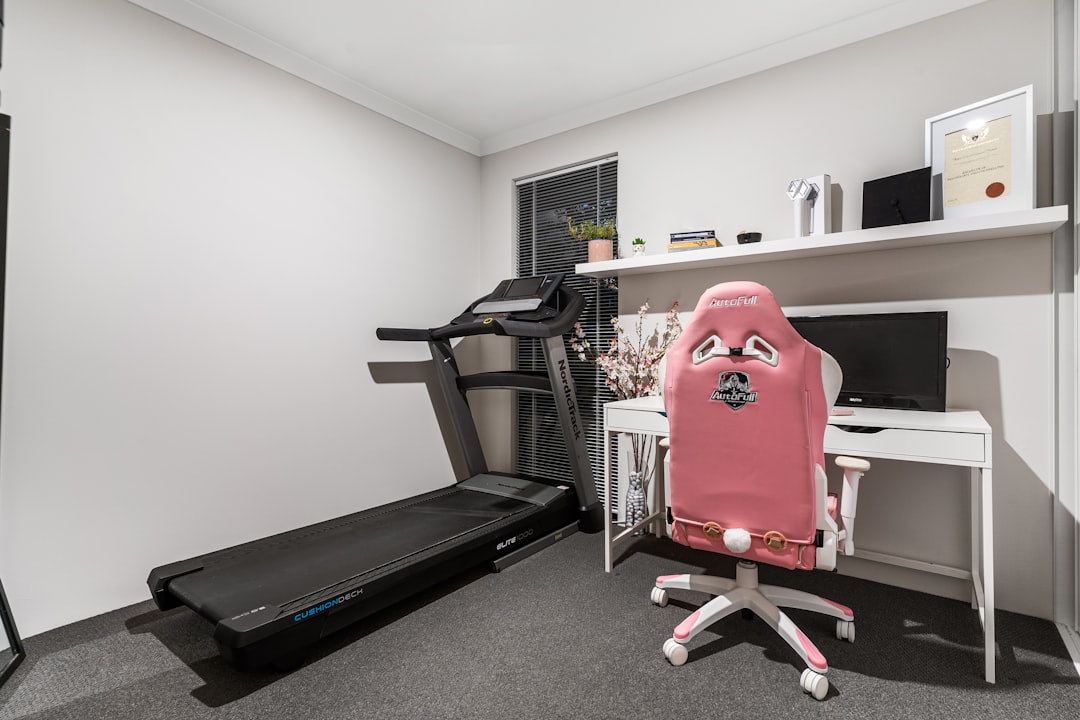
A science based guide to walking while working, research on movement and productivity, and how to use a walking pad safely and effectively
Walking pad treadmills became one of the fastest growing fitness trends in 2026, with thousands of desk workers and remote employees looking for a realistic solution to long sitting hours and low movement during the workday.
The important question: does walking while working actually work? Does it improve health without hurting productivity? And what does research say about movement during desk work?
This guide covers the scientific evidence on walking while working benefits, who benefits most, how to start safely, and common mistakes to avoid, based on 2026 research and thousands of user experiences.
A walking pad is a compact treadmill designed for use under a standing desk or in small spaces. It is smaller, lighter, and simpler than a traditional treadmill, and designed for slow to moderate walking from 1 to 6 kilometers per hour, not for running.
The basic idea: turn sitting work time into light walking time, increasing daily movement without dedicating separate extra time for exercise. The goal is not massive calorie burn or intense training, the goal is breaking up long hours of sitting that are linked to clear health risks.
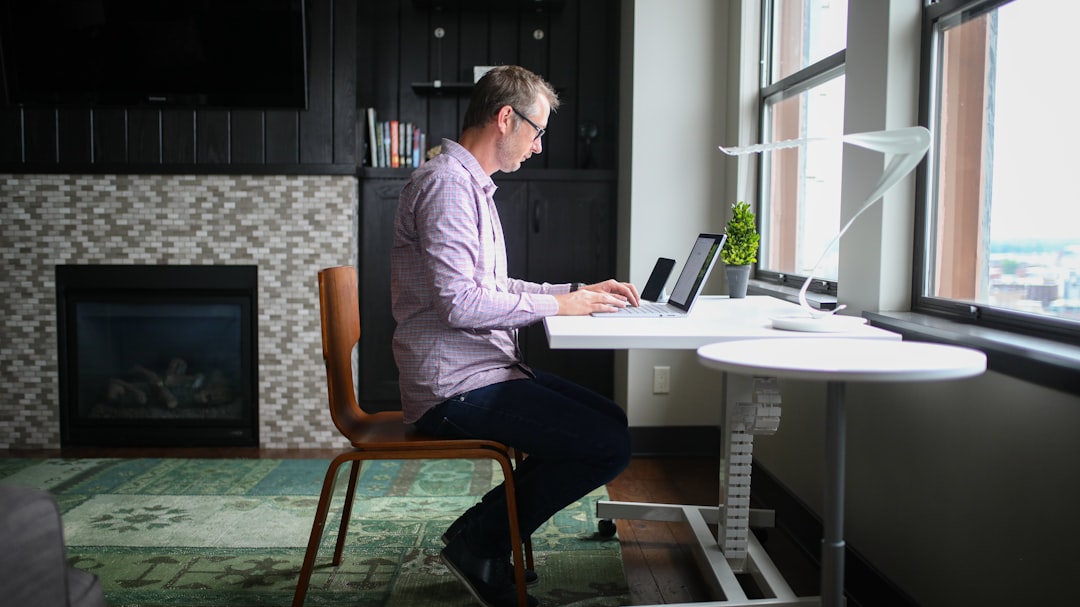
A study published in Medicine and Science in Sports and Exercise in 2014 compared sitting, standing, and slow walking during desk work for 3 hours. The result: slow walking at 1.6 kilometers per hour burned 120 extra calories per hour compared to sitting, without major negative impact on performance in typing or reading tasks. Precise mouse tasks were slightly harder while walking, but most participants adapted quickly.
Another study from Stanford University in 2014 found that walking improves creativity. Participants who walked produced 60 percent more ideas and more diverse ideas compared to those who sat. This supports the idea that light movement does not harm thinking, it may actually help it.
Research from Brigham Young University in 2026 confirmed that replacing two hours of daily sitting with light walking reduces the risk of premature death by 33 percent. Regular light walking improves blood pressure, blood sugar levels, and reduces inflammation, even if it is not intense.
1. Desk Workers and Remote Employees
Anyone sitting 6 hours or more daily will benefit from increased movement during work. Light walking breaks up prolonged sitting, improves circulation, and reduces muscle and joint stiffness.
2. People Who Dislike the Gym
A walking pad makes movement part of the day without needing separate dedicated exercise time. This makes it ideal for people who find it difficult to commit to regular workouts.
3. Very Busy People
If your time is limited and the gym is difficult, walking during calls, reading, or reviewing can add 5000 to 10000 daily steps without separate extra time.
4. People with Back Pain from Sitting
Light walking maintains spine and pelvis movement, reducing stiffness and pain associated with prolonged sitting. But if you have chronic pain or injury, consult a physical therapist before starting.
Start slow. First week, use the walking pad for only 15 to 20 minutes daily, at 1.5 to 2 kilometers per hour speed. This gives your feet, legs, and focus time to adapt without fatigue or distraction.
After two weeks, you can increase duration to 30 to 60 minutes daily, split across multiple sessions. The best speed for desk work is 1.5 to 3 kilometers per hour, not fast enough to distract attention, but enough to increase movement.
Choose suitable tasks: calls, reading, reviewing, and email replies work well while walking. Precise design, complex programming, or fast typing may be harder, especially at first. Do not force yourself to walk during tasks requiring full concentration until you adapt.
Use supportive comfortable shoes. Do not walk barefoot or in socks on the walking pad. Walking for hours with poor posture or bad shoes can cause foot, ankle, or knee pain.
No. A walking pad is excellent for increasing daily movement, but it does not build strength, does not stimulate muscle growth, and does not provide enough intensity for major cardiovascular fitness improvements.
If your goal is building muscle, strength, or high fitness, you need resistance training 2 to 3 times weekly and moderate to high intensity aerobic exercise. The walking pad supports this by increasing total daily activity, improving recovery, and reducing stiffness, but it does not replace real training.
The walking pad is a tool for a more active lifestyle, not a replacement for a complete training program. But it solves a real problem: prolonged sitting that harms health even if you train regularly.
1. Starting Too Fast
Walking for hours from day one can cause foot, leg, or back pain. Start with 15 to 20 minutes daily and increase gradually over weeks.
2. Too High Speed
If you walk faster than 3 kilometers per hour during desk work, you will likely lose focus and tire faster. Slow to moderate speed is better for work.
3. Ignoring Pain or Fatigue
If you feel pain in foot, ankle, knee, or back, stop and consult a specialist. Walking for long hours with poor posture or unsupportive shoes can cause injuries.
4. Neglecting Real Training
The walking pad increases daily movement, but it does not build muscle or strength. If your goal is improving fitness or physique, you need resistance and aerobic training regularly too.
Walking pad treadmills are excellent tools for increasing daily movement for desk workers and remote employees. Research confirms that light walking while working burns extra calories, improves blood pressure and blood sugar levels, and reduces the risks of prolonged sitting, without major negative impact on productivity in most tasks.
But the walking pad is not a replacement for a complete training program. If your goal is building muscle, strength, or high fitness, you need resistance training 2 to 3 times weekly and moderate to high intensity aerobic exercise.
Start slow, choose suitable tasks for walking, and listen to your body. The walking pad solves a real problem for the modern age: prolonged sitting that harms health even if you train regularly.
Need a complete training program that integrates daily movement with strength and fitness?
Join the Program%20scale(0.92)'%3e%3cpath%20d='M%2046%2010%20A%2040%2040%200%200%200%2046%2090%20L%2046%2078%20A%209.5%209.5%200%200%201%2030.2%2069.8%20A%2011%2011%200%200%201%2022%2050%20A%2011%2011%200%200%201%2030.2%2030.2%20A%209.5%209.5%200%200%201%2046%2022%20Z'%20fill='%23e85d1f'/%3e%3cg%20fill='none'%20stroke='%23e85d1f'%20stroke-linecap='butt'%3e%3cpath%20d='M%2046%2038%20A%2012%2012%200%200%200%2046%2062'%20stroke-width='10'/%3e%3cpath%20d='M%2046%2050%20H%2056'%20stroke-width='10'/%3e%3c/g%3e%3cg%20fill='%23e85d1f'%3e%3crect%20x='56'%20y='16'%20width='12'%20height='68'/%3e%3crect%20x='74'%20y='28'%20width='10'%20height='44'/%3e%3crect%20x='90'%20y='40'%20width='8'%20height='20'/%3e%3c/g%3e%3c/g%3e%3cg%20fill='%23f7f4ef'%3e%3cpath%20d='M259.64,507.88h14.26v26.01h23.73v-26.01h14.26v64.25h-14.26v-26.01h-23.73v26.01h-14.26v-64.25Z'/%3e%3cpath%20d='M321.6,507.88h14.27v46.33c0,3.14,2.55,5.68,5.69,5.69h12.35c3.14,0,5.68-2.55,5.69-5.69v-46.33h14.27v47.41c-.03,9.29-7.55,16.81-16.84,16.84h-18.59c-9.29-.03-16.81-7.55-16.84-16.84v-47.41Z'/%3e%3cpath%20d='M399.04,507.88h42.49v12.23h-41.77c-2.08,0-3.77,1.69-3.77,3.77v6.08l27.82,6.38c5.98,1.32,10.22,6.65,10.18,12.78v5.7c-.03,9.55-7.76,17.29-17.32,17.32h-34.95v-12.23h34.23c2.08,0,3.77-1.69,3.77-3.77v-6.09l-27.77-6.37c-5.98-1.33-10.22-6.65-10.18-12.78v-.78c-.03-.44-.05-.87-.05-1.32v-3.6c.03-9.55,7.76-17.29,17.32-17.32Z'/%3e%3cpath%20d='M489.97,507.88v12.23h-19v52.02h-14.26v-52.02h-19v-12.23h52.26Z'/%3e%3cpath%20d='M521.03,572.13h-8.81c-9.55-.03-17.29-7.76-17.32-17.32v-46.93h14.26v48.25c0,2.08,1.69,3.77,3.77,3.77h34.23v12.23h-26.13Z'/%3e%3cpath%20d='M551.62,525.19c.03-9.55,7.76-17.29,17.32-17.32h34.95v12.23h-34.23c-2.08,0-3.77,1.69-3.77,3.77v32.25c0,2.08,1.69,3.77,3.77,3.77h34.23v12.23h-34.95c-9.55-.03-17.29-7.76-17.32-17.32v-29.61h0ZM593.83,533.89v12.23h-30.86v-12.23h30.86Z'/%3e%3c/g%3e%3cg%20fill='%23e85d1f'%3e%3cpath%20d='M608.34,507.88h17.23l20.77,42.48v-42.48h14.27v64.25h-17.23l-20.77-42.48v42.48h-14.26v-64.25Z'/%3e%3cpath%20d='M709.53,513.95l20.87,58.17h-15.16l-17.1-47.66-17.1,47.66h-15.15l20.87-58.17c1.27-3.67,4.75-6.12,8.63-6.08h5.5c3.89-.04,7.36,2.41,8.64,6.08Z'/%3e%3cpath%20d='M775.25,507.88v12.23h-19v52.02h-14.26v-52.02h-19v-12.23h52.26Z'/%3e%3cpath%20d='M780.72,572.13v-64.25h14.26v64.25h-14.26Z'/%3e%3cpath%20d='M856.39,525.19v29.61c-.03,9.55-7.76,17.29-17.32,17.32h-17.63c-9.55-.03-17.29-7.76-17.32-17.32v-29.61c.03-9.55,7.76-17.29,17.32-17.32h17.63c9.55.03,17.29,7.76,17.32,17.32ZM838.36,559.9c2.08,0,3.77-1.69,3.77-3.77v-32.25c0-2.08-1.69-3.77-3.77-3.77h-16.19c-2.08,0-3.77,1.69-3.77,3.77v32.25c0,2.08,1.69,3.77,3.77,3.77h16.19Z'/%3e%3cpath%20d='M865.54,507.88h17.23l20.77,42.48v-42.48h14.27v64.25h-17.23l-20.77-42.48v42.48h-14.26v-64.25Z'/%3e%3c/g%3e%3cpolygon%20fill='%23f7f4ef'%20points='703.28%20559.9%20707.67%20572.13%20688.63%20572.13%20693.01%20559.9%20703.28%20559.9'/%3e%3c/svg%3e)