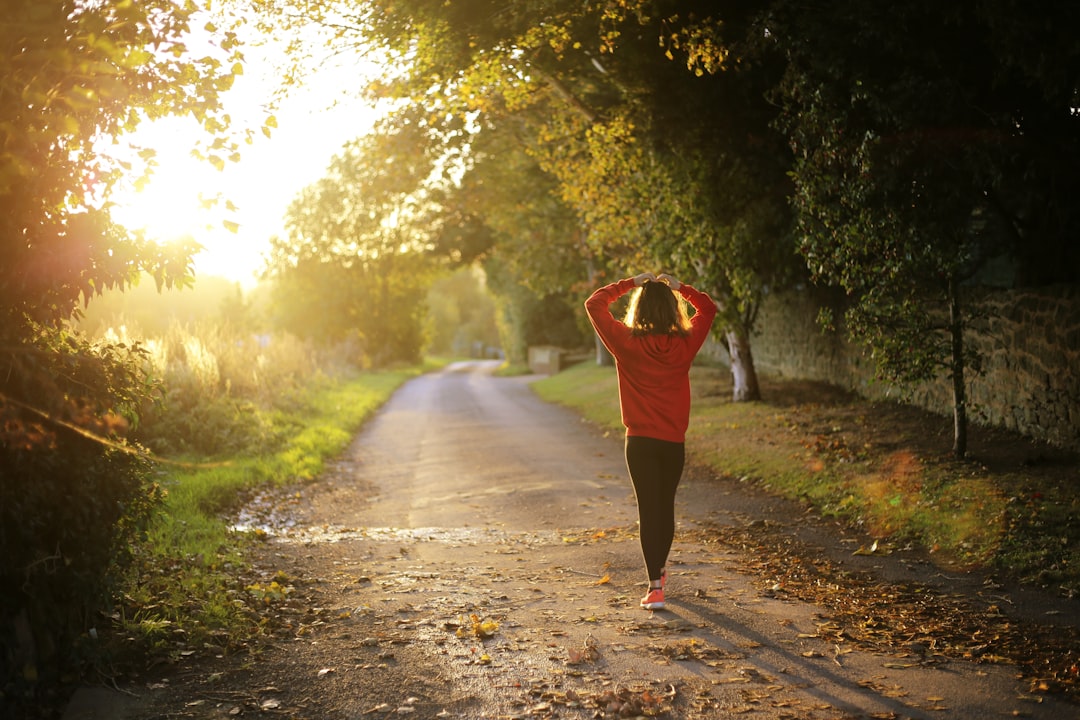
The benefits of yoga and walking fitness combine in one of the fastest growing wellness trends
A new trend is sweeping wellness and fitness in 2026: walking yoga. No mat required, no studio needed, no strict rules. Just you, your steps, and your attention. Industry reports place walking yoga as the second fastest growing fitness trend this year, as people search for ways to slow down, reduce stress, and connect with movement in a mindful way.
Walking yoga blends the physical benefits of walking with the mental practices of yoga, such as mindful breath awareness, intentional body postures, and full present moment attention. The result is a practice that strengthens the body and calms the mind at the same time.
Walking yoga is a practice that combines regular walking with the principles of yoga. Unlike typical walking where the mind wanders or thinks about the to do list, walking yoga asks you to be fully present: paying attention to your breath, feeling your feet on the ground, noticing the movement of your body, and staying aware of the present moment.
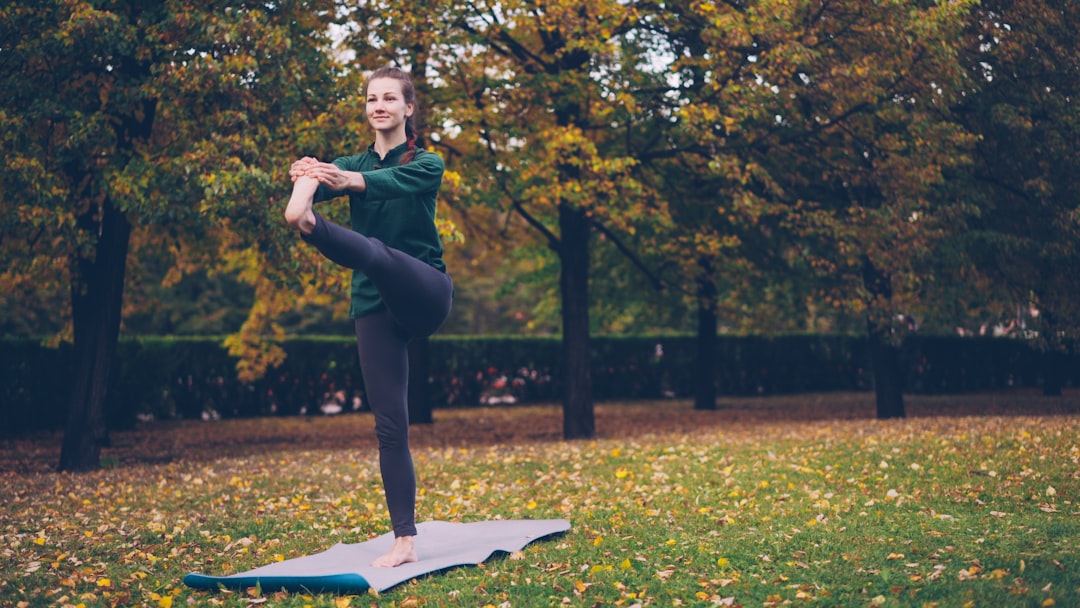
The practice may also include short pauses to perform simple yoga poses like tree pose, gentle stretches, or deep breathing exercises. The core idea is to transform daily walking into a moving meditation, similar to traditional Buddhist walking meditation practices that have been taught for centuries.
The trend taps into a major shift happening in fitness: people no longer only want to burn calories or build muscle, they also want to improve mental health, reduce stress, and feel connected to their body. Walking yoga delivers all of that in one simple accessible practice.
The trend also taps into the growing recognition that mental health is just as important as physical fitness. Walking yoga combines the proven stress reducing benefits of time in nature with the calming effects of mindful movement and breath awareness. In a world where anxiety and burnout are increasingly common, this combination is powerful and beneficial.
Walking yoga draws on solid scientific foundations. Walking meditation has been practiced in Buddhist traditions for centuries and has been studied extensively. Research shows that combining physical movement with mindful attention produces cognitive benefits that neither activity delivers alone.
Studies in 2026 have continued to show that practices which pair physical activity with breathwork and awareness, exactly what walking yoga offers, have measurable effects on nervous system regulation, stress response, and tissue health. Research confirms that mindful walking reduces sympathetic nervous system activity, responsible for the fight or flight response, and increases calming parasympathetic nervous system activity.
Walking itself has well established cardiovascular and mood benefits, and adding yoga and mindful attention deepens these benefits. A comprehensive 2025 review of the literature on walking meditation found consistent improvements in anxiety, depression, sleep quality, and mindfulness.
Physical benefits include improved cardiovascular fitness, activation of leg and core muscles, improved balance and flexibility from mindful poses, and increased overall daily activity.
Mental and emotional benefits include reduced stress and anxiety levels, improved mood and emotional wellbeing, increased mindfulness and presence, better focus and mental clarity, and a deeper sense of connection with your body and nature.
There is also a major practical benefit: walking yoga requires no equipment, no subscription, no travel time. You can practice it anywhere, anytime, for any duration that fits your schedule.
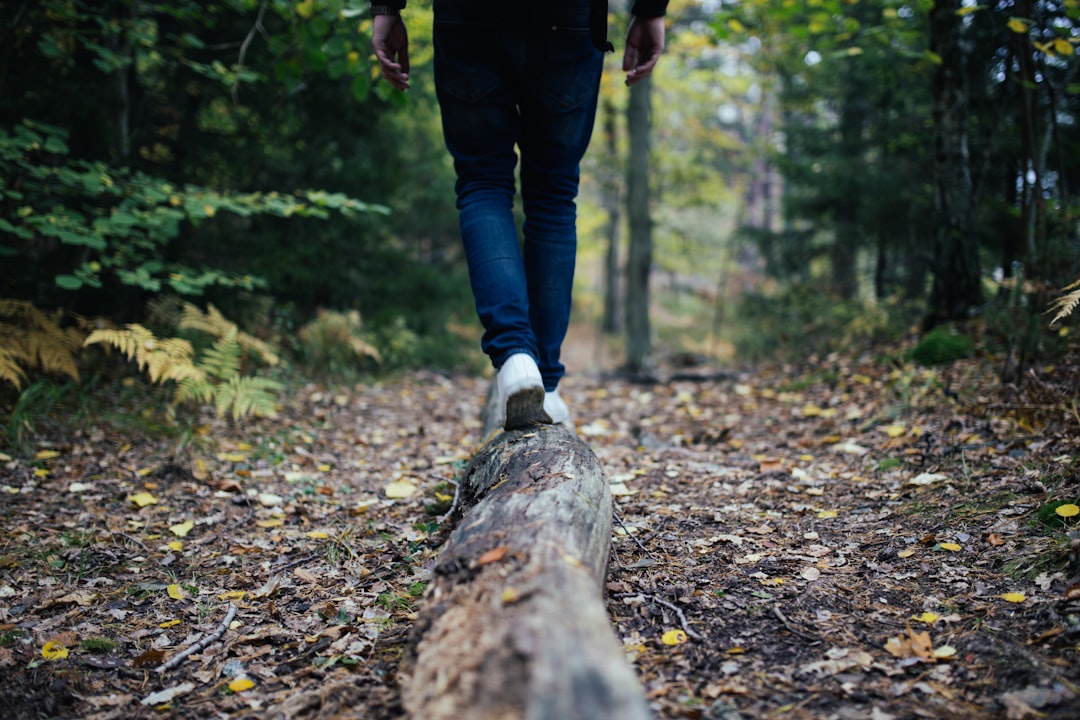
Start slowly. Choose a relatively quiet location where you can walk without obstacles or constant distractions. A park, a nature trail, a beach, or even a quiet neighborhood works well.
Begin by standing still. Take three to five deep breaths. Notice your feet on the ground, the position of your body, and the overall sensation in your body.
Begin walking slowly. Pay attention to each step: feel your heel touch the ground, then the midfoot, then the toes push forward. Notice the movement of your legs, your hips, your arms, and your body weight shifting from foot to foot.
Connect walking to breath. For example, inhale for three steps, exhale for three steps. Or inhale for four steps, exhale for six steps for a more calming rhythm. Find a rhythm that feels natural and comfortable.
Every few minutes, pause to perform a simple yoga pose or stretch. Tree pose for balance, arms overhead stretch for shoulders, a gentle warrior pose, or a standing forward fold. Hold each pose for three to five breaths, then return to walking.
The goal is not to get anywhere or walk quickly. The goal is to stay present, aware, and connected to your movement and breath throughout the practice.
Walking yoga suits almost anyone. Beginners who feel intimidated by traditional yoga classes or gyms find walking yoga accessible and comfortable. People with chronic stress, anxiety, or burnout find the practice calming and therapeutic.
Busy professionals who lack time for long training sessions can practice walking yoga during a lunch break, before work, or after work. Athletes who want to add mental work and flexibility to their programs can use walking yoga as active recovery work.
Older adults and people with mobility limitations benefit from a low impact and safe practice that can be easily modified for any ability level.
The first mistake is trying to walk fast. Walking yoga is not a cardiovascular workout. Slow mindful pace is the goal, not reaching a high heart rate.
The second mistake is bringing the phone or headphones. Music and podcasts distract from the core goal of the practice, which is full presence and mindfulness. If you need something, choose quiet nature sounds or complete silence.
The third mistake is giving up too quickly. The mind will wander, especially at first. This is normal. When you notice the mind has wandered, gently bring attention back to breath and steps, not as punishment, but as a natural part of the training.
Walking yoga is one of the simplest and most effective fitness trends of 2026. No equipment, no cost, no strict rules. Just you, your steps, and your attention. The physical and mental benefits are real and research backed, and the practice is accessible to almost anyone.
If you are looking for a way to reduce stress, improve focus, and feel connected to your body and movement, walking yoga is worth trying. Start with ten to fifteen minutes, two to three times per week, and watch how you feel. It may become one of the most valuable parts of your wellness routine.
%20scale(0.92)'%3e%3cpath%20d='M%2046%2010%20A%2040%2040%200%200%200%2046%2090%20L%2046%2078%20A%209.5%209.5%200%200%201%2030.2%2069.8%20A%2011%2011%200%200%201%2022%2050%20A%2011%2011%200%200%201%2030.2%2030.2%20A%209.5%209.5%200%200%201%2046%2022%20Z'%20fill='%23e85d1f'/%3e%3cg%20fill='none'%20stroke='%23e85d1f'%20stroke-linecap='butt'%3e%3cpath%20d='M%2046%2038%20A%2012%2012%200%200%200%2046%2062'%20stroke-width='10'/%3e%3cpath%20d='M%2046%2050%20H%2056'%20stroke-width='10'/%3e%3c/g%3e%3cg%20fill='%23e85d1f'%3e%3crect%20x='56'%20y='16'%20width='12'%20height='68'/%3e%3crect%20x='74'%20y='28'%20width='10'%20height='44'/%3e%3crect%20x='90'%20y='40'%20width='8'%20height='20'/%3e%3c/g%3e%3c/g%3e%3cg%20fill='%23f7f4ef'%3e%3cpath%20d='M259.64,507.88h14.26v26.01h23.73v-26.01h14.26v64.25h-14.26v-26.01h-23.73v26.01h-14.26v-64.25Z'/%3e%3cpath%20d='M321.6,507.88h14.27v46.33c0,3.14,2.55,5.68,5.69,5.69h12.35c3.14,0,5.68-2.55,5.69-5.69v-46.33h14.27v47.41c-.03,9.29-7.55,16.81-16.84,16.84h-18.59c-9.29-.03-16.81-7.55-16.84-16.84v-47.41Z'/%3e%3cpath%20d='M399.04,507.88h42.49v12.23h-41.77c-2.08,0-3.77,1.69-3.77,3.77v6.08l27.82,6.38c5.98,1.32,10.22,6.65,10.18,12.78v5.7c-.03,9.55-7.76,17.29-17.32,17.32h-34.95v-12.23h34.23c2.08,0,3.77-1.69,3.77-3.77v-6.09l-27.77-6.37c-5.98-1.33-10.22-6.65-10.18-12.78v-.78c-.03-.44-.05-.87-.05-1.32v-3.6c.03-9.55,7.76-17.29,17.32-17.32Z'/%3e%3cpath%20d='M489.97,507.88v12.23h-19v52.02h-14.26v-52.02h-19v-12.23h52.26Z'/%3e%3cpath%20d='M521.03,572.13h-8.81c-9.55-.03-17.29-7.76-17.32-17.32v-46.93h14.26v48.25c0,2.08,1.69,3.77,3.77,3.77h34.23v12.23h-26.13Z'/%3e%3cpath%20d='M551.62,525.19c.03-9.55,7.76-17.29,17.32-17.32h34.95v12.23h-34.23c-2.08,0-3.77,1.69-3.77,3.77v32.25c0,2.08,1.69,3.77,3.77,3.77h34.23v12.23h-34.95c-9.55-.03-17.29-7.76-17.32-17.32v-29.61h0ZM593.83,533.89v12.23h-30.86v-12.23h30.86Z'/%3e%3c/g%3e%3cg%20fill='%23e85d1f'%3e%3cpath%20d='M608.34,507.88h17.23l20.77,42.48v-42.48h14.27v64.25h-17.23l-20.77-42.48v42.48h-14.26v-64.25Z'/%3e%3cpath%20d='M709.53,513.95l20.87,58.17h-15.16l-17.1-47.66-17.1,47.66h-15.15l20.87-58.17c1.27-3.67,4.75-6.12,8.63-6.08h5.5c3.89-.04,7.36,2.41,8.64,6.08Z'/%3e%3cpath%20d='M775.25,507.88v12.23h-19v52.02h-14.26v-52.02h-19v-12.23h52.26Z'/%3e%3cpath%20d='M780.72,572.13v-64.25h14.26v64.25h-14.26Z'/%3e%3cpath%20d='M856.39,525.19v29.61c-.03,9.55-7.76,17.29-17.32,17.32h-17.63c-9.55-.03-17.29-7.76-17.32-17.32v-29.61c.03-9.55,7.76-17.29,17.32-17.32h17.63c9.55.03,17.29,7.76,17.32,17.32ZM838.36,559.9c2.08,0,3.77-1.69,3.77-3.77v-32.25c0-2.08-1.69-3.77-3.77-3.77h-16.19c-2.08,0-3.77,1.69-3.77,3.77v32.25c0,2.08,1.69,3.77,3.77,3.77h16.19Z'/%3e%3cpath%20d='M865.54,507.88h17.23l20.77,42.48v-42.48h14.27v64.25h-17.23l-20.77-42.48v42.48h-14.26v-64.25Z'/%3e%3c/g%3e%3cpolygon%20fill='%23f7f4ef'%20points='703.28%20559.9%20707.67%20572.13%20688.63%20572.13%20693.01%20559.9%20703.28%20559.9'/%3e%3c/svg%3e)