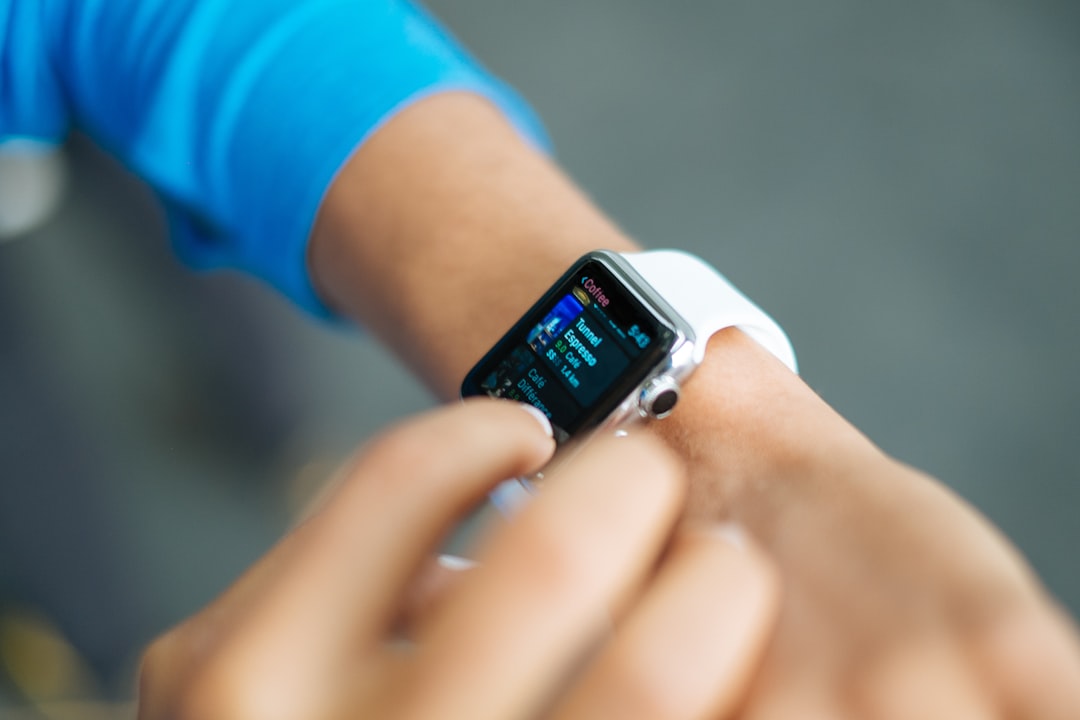
A science based guide to using heart rate zones, recovery scores, and data to improve strength, endurance, and results
Smartwatches and fitness trackers are everywhere. Apple Watch, Garmin, Whoop, Fitbit, and more. Most people use them to count steps or check sleep. But if used correctly, these tools can be powerful for guiding training, tracking recovery, and preventing overtraining or undertraining.
The problem is that most people drown in data and do not know what it actually means. What is the right heart rate for running? What does a recovery score mean? Should you train hard when HRV is low? This guide explains how to use wearable fitness technology intelligently for real goals in strength, muscle building, performance, and cardiovascular health.
The American College of Sports Medicine (ACSM) ranked wearable technology as the top fitness trend for 2026. The reason is not because it is new, but because devices have become more accurate, software has become easier to understand, and people have learned that data is only useful when it leads to better decisions, not when it becomes daily anxiety.
Smart devices now track heart rate, heart rate variability (HRV), sleep quality, calories burned, stress levels, and even oxygen saturation. But owning the tool does not mean you are using it well. Most people ignore the numbers that matter and focus on the ones that do not matter much.
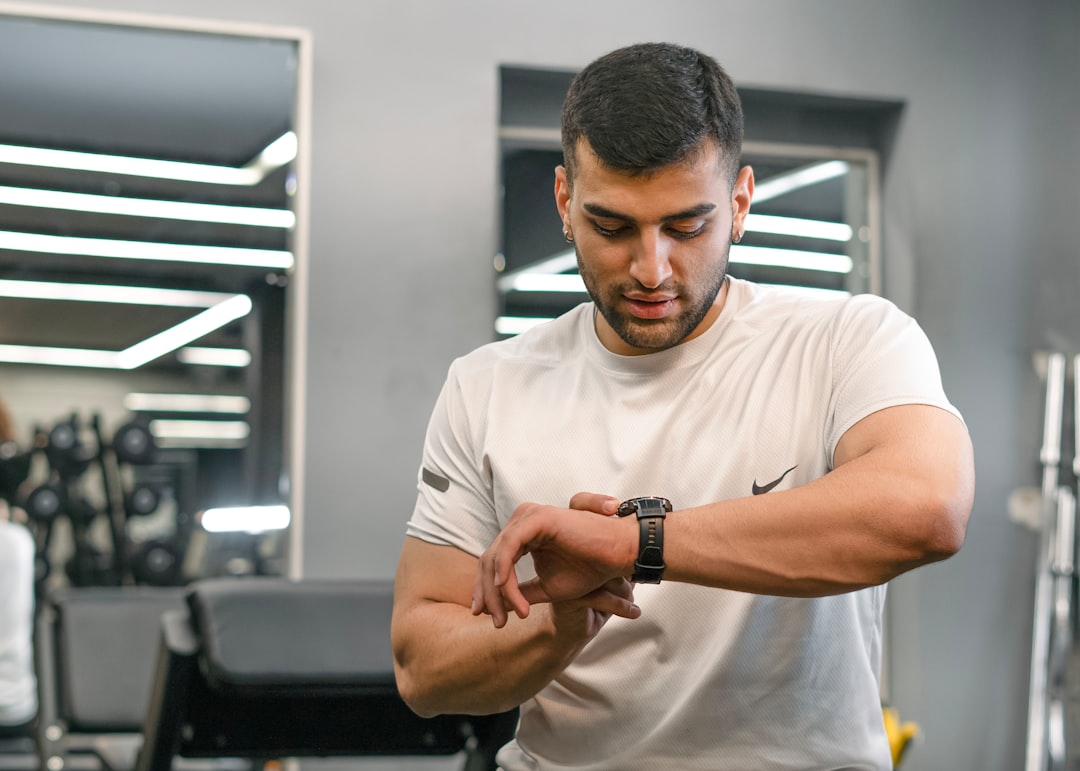
Most smartwatches calculate heart rate zones automatically. Usually five zones from Zone 1 (very easy) to Zone 5 (maximum effort). But many people start an activity and never look at the zone, or they try to always stay in Zone 5 and then wonder why their results decline.
Zone 2 (60 to 70 percent of maximum heart rate) is the most important for people who want to build strong cardiovascular fitness, endurance, and general health. It is the zone where you can speak full sentences, but breathing is deeper than normal. Most people go far too fast and miss the benefits of Zone 2.
Zone 4 and Zone 5 (80 to 100 percent) are used for high intensity interval training (HIIT), sprints, and short hard efforts. These zones improve VO2 max, aerobic power, and high intensity performance, but they are demanding and should be used only 1 to 2 times per week for most people.
Most people need more Zone 2 and less Zone 5, not the reverse. Use your watch to make sure you stay in the correct zone for the entire session, not just the first five minutes.
HRV measures the variation in time between heartbeats. It may sound strange, but higher HRV usually means your body is recovered and ready for hard work. Lower HRV means your body is under stress, possibly from hard training, poor sleep, illness, or emotional stress.
Tools like Whoop, Garmin, Apple Watch, and others measure HRV automatically during sleep and give you a recovery score in the morning. Some research shows that using HRV to guide training can improve progress compared to following only a fixed program, especially for experienced athletes.
Here is how to use it: If your HRV is higher than usual or within your normal range and you feel good, train hard. If HRV is low and recovery score is low, reduce intensity, focus on light movement, sleep, and nutrition. If HRV is low for several days in a row, you are probably overtraining or getting sick.
But do not become a slave to the HRV score. If you are programmed for hard training and feel good but HRV is slightly low, you can proceed. If HRV is very low and you have other warning signs (pain, extreme fatigue, bad mood, elevated resting heart rate), listen to your body first.
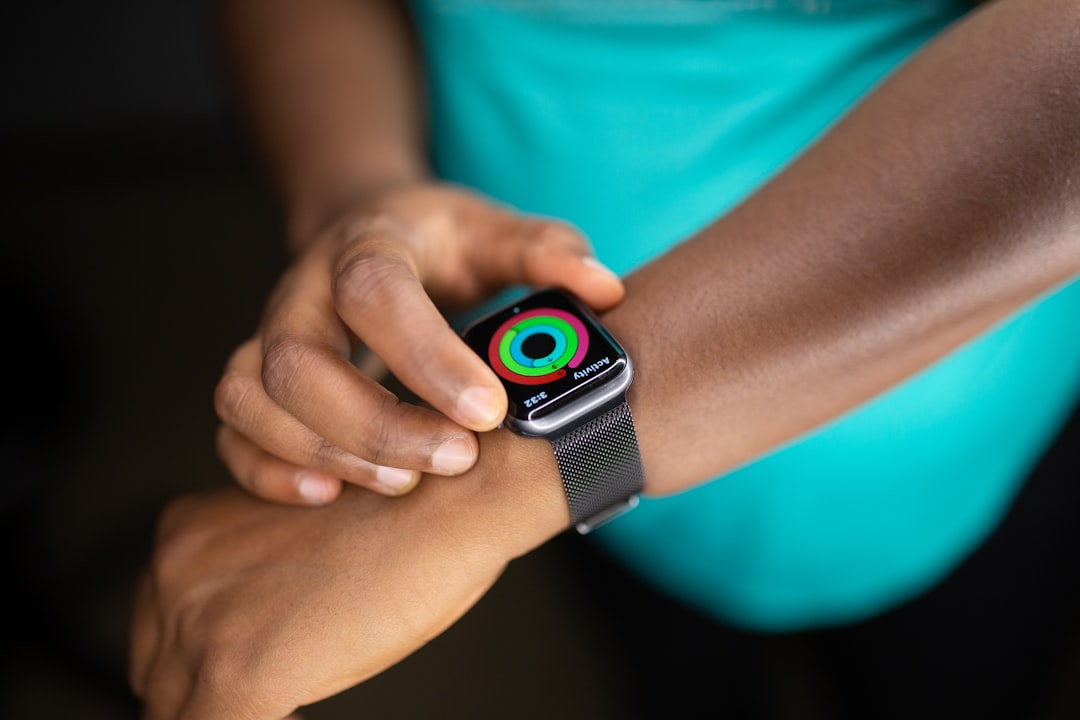
Smartwatches are good at tracking running, cycling, and swimming. But tracking resistance training is hard because heart rate alone does not tell you about load, volume, or proximity to muscular failure. You can lift heavy for 5 reps and heart rate stays low, but the training was very hard.
Some newer devices try to estimate calories, total volume, and even muscle strain during weightlifting. But most of these estimates are inaccurate. The best way to track strength training is still a training log or a simple app that records weights, reps, and sets.
What the smartwatch can do well for strength is track recovery between sessions. Monitor HRV, resting heart rate, sleep quality, and recovery score to decide if you are ready for another hard strength session or need a lighter day.
Most wearables track sleep: duration, stages (light, deep, REM), wake time, and disruptions. This data is useful because sleep is the most powerful tool for recovery, muscle building, performance, and general health.
If you notice you sleep less than 7 hours, or deep sleep is low, or you wake often, this is more important than any other detail on the watch. Fix sleep schedule, environment, light exposure, temperature, caffeine, and alcohol before trying any supplement or advanced recovery method.
Do not worry too much about exact percentages of sleep stages. The technology is not 100 percent accurate compared to medical sleep studies. Focus on total duration, consistency, and how you feel when you wake.
The biggest mistake is letting data control your life. If the watch says recovery score is 65 percent but you feel great and slept well, training is fine. If the score is 90 percent but you feel sick or have pain, do not train hard.
Another mistake is relying on calorie burn calculations. Most devices overestimate calories by 20 to 30 percent. Do not eat 500 extra calories because the watch says you burned 500. Use data to track trends, not for daily nutrition decisions.
Finally, do not ignore the basics. Wearable technology does not replace a training program, good sleep, proper nutrition, and consistent effort. It is a tool to improve what you already do, not a replacement for doing the work.
It depends on your needs. Apple Watch is great for general use, fitness, and integration with iPhone. Garmin is excellent for serious athletes, especially runners, cyclists, and swimmers. Whoop focuses on recovery and HRV. Choose based on features you will actually use, not features that sound cool in ads.
If you want accurate sleep, recovery, and HRV data, yes, wear it during sleep. But you do not need to wear it 24 hours. Take breaks if skin is irritated or you simply want to not look at a screen.
No. The watch gives you data. A coach gives you a program, accountability, feedback on technique, and adjustments based on the full context of your life. Use the watch as a tool that supports coaching, not as a replacement for human expertise.
Wearable technology is powerful when you use it to guide smart decisions: Stay in Zone 2 to build aerobic base. Monitor HRV to know when to push hard and when to back off. Track sleep to fix the biggest lever for recovery. But do not let data become daily anxiety or an excuse to ignore how you feel.
If the watch helps you train smarter, sleep better, and recover faster, it is worth it. If it makes you anxious, obsessed, or feeling like you need approval from a number before doing anything, it is time to take the watch off and listen to your body first.
Your Next Step
Data is only useful when you know what to do with it. At Hustle Nation we help you build a training, nutrition, and sleep program that uses technology intelligently, not as a replacement for the basics.
Book Your Free ConsultationAll information is based on peer reviewed research. This article is educational and does not constitute medical advice.
%20scale(0.92)'%3e%3cpath%20d='M%2046%2010%20A%2040%2040%200%200%200%2046%2090%20L%2046%2078%20A%209.5%209.5%200%200%201%2030.2%2069.8%20A%2011%2011%200%200%201%2022%2050%20A%2011%2011%200%200%201%2030.2%2030.2%20A%209.5%209.5%200%200%201%2046%2022%20Z'%20fill='%23e85d1f'/%3e%3cg%20fill='none'%20stroke='%23e85d1f'%20stroke-linecap='butt'%3e%3cpath%20d='M%2046%2038%20A%2012%2012%200%200%200%2046%2062'%20stroke-width='10'/%3e%3cpath%20d='M%2046%2050%20H%2056'%20stroke-width='10'/%3e%3c/g%3e%3cg%20fill='%23e85d1f'%3e%3crect%20x='56'%20y='16'%20width='12'%20height='68'/%3e%3crect%20x='74'%20y='28'%20width='10'%20height='44'/%3e%3crect%20x='90'%20y='40'%20width='8'%20height='20'/%3e%3c/g%3e%3c/g%3e%3cg%20fill='%23f7f4ef'%3e%3cpath%20d='M259.64,507.88h14.26v26.01h23.73v-26.01h14.26v64.25h-14.26v-26.01h-23.73v26.01h-14.26v-64.25Z'/%3e%3cpath%20d='M321.6,507.88h14.27v46.33c0,3.14,2.55,5.68,5.69,5.69h12.35c3.14,0,5.68-2.55,5.69-5.69v-46.33h14.27v47.41c-.03,9.29-7.55,16.81-16.84,16.84h-18.59c-9.29-.03-16.81-7.55-16.84-16.84v-47.41Z'/%3e%3cpath%20d='M399.04,507.88h42.49v12.23h-41.77c-2.08,0-3.77,1.69-3.77,3.77v6.08l27.82,6.38c5.98,1.32,10.22,6.65,10.18,12.78v5.7c-.03,9.55-7.76,17.29-17.32,17.32h-34.95v-12.23h34.23c2.08,0,3.77-1.69,3.77-3.77v-6.09l-27.77-6.37c-5.98-1.33-10.22-6.65-10.18-12.78v-.78c-.03-.44-.05-.87-.05-1.32v-3.6c.03-9.55,7.76-17.29,17.32-17.32Z'/%3e%3cpath%20d='M489.97,507.88v12.23h-19v52.02h-14.26v-52.02h-19v-12.23h52.26Z'/%3e%3cpath%20d='M521.03,572.13h-8.81c-9.55-.03-17.29-7.76-17.32-17.32v-46.93h14.26v48.25c0,2.08,1.69,3.77,3.77,3.77h34.23v12.23h-26.13Z'/%3e%3cpath%20d='M551.62,525.19c.03-9.55,7.76-17.29,17.32-17.32h34.95v12.23h-34.23c-2.08,0-3.77,1.69-3.77,3.77v32.25c0,2.08,1.69,3.77,3.77,3.77h34.23v12.23h-34.95c-9.55-.03-17.29-7.76-17.32-17.32v-29.61h0ZM593.83,533.89v12.23h-30.86v-12.23h30.86Z'/%3e%3c/g%3e%3cg%20fill='%23e85d1f'%3e%3cpath%20d='M608.34,507.88h17.23l20.77,42.48v-42.48h14.27v64.25h-17.23l-20.77-42.48v42.48h-14.26v-64.25Z'/%3e%3cpath%20d='M709.53,513.95l20.87,58.17h-15.16l-17.1-47.66-17.1,47.66h-15.15l20.87-58.17c1.27-3.67,4.75-6.12,8.63-6.08h5.5c3.89-.04,7.36,2.41,8.64,6.08Z'/%3e%3cpath%20d='M775.25,507.88v12.23h-19v52.02h-14.26v-52.02h-19v-12.23h52.26Z'/%3e%3cpath%20d='M780.72,572.13v-64.25h14.26v64.25h-14.26Z'/%3e%3cpath%20d='M856.39,525.19v29.61c-.03,9.55-7.76,17.29-17.32,17.32h-17.63c-9.55-.03-17.29-7.76-17.32-17.32v-29.61c.03-9.55,7.76-17.29,17.32-17.32h17.63c9.55.03,17.29,7.76,17.32,17.32ZM838.36,559.9c2.08,0,3.77-1.69,3.77-3.77v-32.25c0-2.08-1.69-3.77-3.77-3.77h-16.19c-2.08,0-3.77,1.69-3.77,3.77v32.25c0,2.08,1.69,3.77,3.77,3.77h16.19Z'/%3e%3cpath%20d='M865.54,507.88h17.23l20.77,42.48v-42.48h14.27v64.25h-17.23l-20.77-42.48v42.48h-14.26v-64.25Z'/%3e%3c/g%3e%3cpolygon%20fill='%23f7f4ef'%20points='703.28%20559.9%20707.67%20572.13%20688.63%20572.13%20693.01%20559.9%20703.28%20559.9'/%3e%3c/svg%3e)