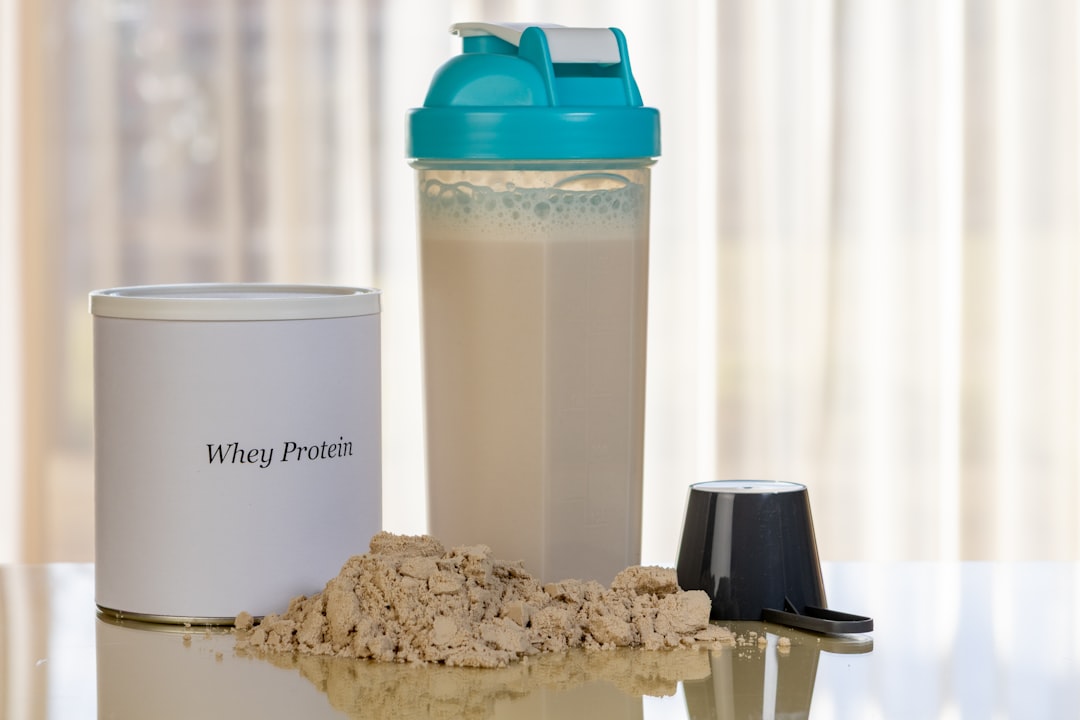
A practical science based guide to whey types, how much to use, timing, digestion, and who actually needs it
Whey protein is one of the most popular supplements in fitness, and for good reason: it is an easy and relatively cheap way to reach your daily protein target. But it carries a lot of myths. Some people think it is required to build muscle, some fear it for their kidneys, and some buy the most expensive type assuming it is always the best.
The truth is simpler: whey is not magic and it is not a stimulant. It is simply a high quality protein in a convenient powder. It helps when the goal is building muscle or losing fat while keeping it, but it only works inside a plan with training, controlled calories, and enough sleep. The supplement supports the system. It does not replace it.
Whey is one of the proteins in milk, produced as a byproduct of making cheese. It is a complete protein that contains all the essential amino acids, and it is especially rich in leucine, the amino acid that plays a big role in triggering muscle protein synthesis.
Whey digests quickly, so amino acids rise in the blood soon after you take it. That makes it a convenient option around training or any time you need a fast and practical dose of protein. But speed alone is not the main reason it helps, as we will see.
The most important factor for building muscle is not the type of protein, but your total daily protein combined with regular resistance training. Whey helps you reach that total easily when whole food alone is not enough or not practical in a busy day.
In a fat loss phase, high protein becomes even more important, because it preserves muscle during a calorie deficit and increases fullness, which helps you control hunger. A simple whey shake can be the easiest way to raise protein without many calories, which makes it a strong tool while cutting.
Whey concentrate is the most common and best value form. It has a high protein percentage with a little lactose and fat, and it is excellent for most people. Whey isolate is processed further to be higher in protein and lower in lactose and fat, which makes it a good option if you are lactose sensitive or want a leaner, purer protein.
Whey hydrolysate is partially broken down to absorb faster, but it is more expensive and usually not worth the extra cost for most people. Bottom line: start with concentrate unless you have a clear reason, and move to isolate if lactose bothers you or you want fewer calories per dose.
No. Whey is a supplement, not a requirement. If you already reach your daily protein target from food such as chicken, meat, fish, eggs, dairy, and legumes, you do not have to buy it. Whey solves one problem very well: convenience and speed when preparing a full meal is hard.
Think of it as a tool, not a foundation. If your schedule is busy, you train away from home, or you struggle to raise your protein, whey makes it easier and cheaper than most alternatives. But if your food already covers your needs, keep your money.
Start from the total target: most trainees need roughly 1.6 to 2.2 grams of protein per kilogram of body weight per day. Work out your need, then use whey to fill the gap that your food does not cover, not to replace all of your meals.
In practice, a common dose is one or two scoops a day, with each scoop giving roughly 20 to 25 grams of protein. Always read the label, because the numbers differ between products. Keep most of your protein from whole food, and use whey for the moments when convenience matters most.
The idea of a narrow post workout window is overstated. What matters more is your total daily protein and spreading it across several meals through the day. If you eat enough protein in your meals, you will not lose anything if you do not drink the shake right after your last rep.
That said, whey is convenient around training because it is fast and easy to prepare. Take it at the time that helps you stay consistent: after training, between meals, or on a busy morning. Consistently hitting your protein target matters far more than precise timing.
Some people feel bloated or gassy with whey concentrate because of the lactose. If that happens to you, try whey isolate since it is lower in lactose, or mix the dose in more water, or reduce the scoop size. Many digestive issues come from a large dose taken all at once.
If you are vegetarian or have a clear allergy to milk protein, there are plant based options such as pea protein, rice protein, or vegan blends. Whey is not the only choice, and your goal in the end is to reach your protein in a way that suits your body and your preferences.
No. What builds muscle is your total protein, training, and consistency. Whey is just a convenient way to reach your protein target, not a requirement.
Whey digests fast and casein digests slow. The difference is small in practice if your total daily protein is good. Most people do not need both, and whey is enough for most goals.
For healthy adults, moderate protein from whey is safe and does not harm healthy kidneys. Acne may flare in some people who are sensitive to dairy, and in that case isolate or a plant based option may help. Consult your doctor if you have kidney disease.
Work out your daily protein target first, and try to cover most of it from whole food. Use whey to fill the gap with one or two scoops a day, and choose concentrate unless lactose bothers you, in which case move to isolate. Do not chase expensive types without a reason.
Whey is not a shortcut to muscle. It is a practical supplement because it makes reaching your protein easier and cheaper. Build the foundation of training, nutrition, and sleep, then make whey a small and smart part of a bigger plan.
Your Next Step
If you want to build muscle or lose fat, do not start from the supplement shelf. Start with training, nutrition, sleep, and coaching. At Hustle Nation we use protein and supplements when they serve the plan, not as a replacement for it.
Book Your Free ConsultationAll information is based on peer reviewed research. This article is educational and does not constitute medical advice.
%20scale(0.92)'%3e%3cpath%20d='M%2046%2010%20A%2040%2040%200%200%200%2046%2090%20L%2046%2078%20A%209.5%209.5%200%200%201%2030.2%2069.8%20A%2011%2011%200%200%201%2022%2050%20A%2011%2011%200%200%201%2030.2%2030.2%20A%209.5%209.5%200%200%201%2046%2022%20Z'%20fill='%23e85d1f'/%3e%3cg%20fill='none'%20stroke='%23e85d1f'%20stroke-linecap='butt'%3e%3cpath%20d='M%2046%2038%20A%2012%2012%200%200%200%2046%2062'%20stroke-width='10'/%3e%3cpath%20d='M%2046%2050%20H%2056'%20stroke-width='10'/%3e%3c/g%3e%3cg%20fill='%23e85d1f'%3e%3crect%20x='56'%20y='16'%20width='12'%20height='68'/%3e%3crect%20x='74'%20y='28'%20width='10'%20height='44'/%3e%3crect%20x='90'%20y='40'%20width='8'%20height='20'/%3e%3c/g%3e%3c/g%3e%3cg%20fill='%23f7f4ef'%3e%3cpath%20d='M259.64,507.88h14.26v26.01h23.73v-26.01h14.26v64.25h-14.26v-26.01h-23.73v26.01h-14.26v-64.25Z'/%3e%3cpath%20d='M321.6,507.88h14.27v46.33c0,3.14,2.55,5.68,5.69,5.69h12.35c3.14,0,5.68-2.55,5.69-5.69v-46.33h14.27v47.41c-.03,9.29-7.55,16.81-16.84,16.84h-18.59c-9.29-.03-16.81-7.55-16.84-16.84v-47.41Z'/%3e%3cpath%20d='M399.04,507.88h42.49v12.23h-41.77c-2.08,0-3.77,1.69-3.77,3.77v6.08l27.82,6.38c5.98,1.32,10.22,6.65,10.18,12.78v5.7c-.03,9.55-7.76,17.29-17.32,17.32h-34.95v-12.23h34.23c2.08,0,3.77-1.69,3.77-3.77v-6.09l-27.77-6.37c-5.98-1.33-10.22-6.65-10.18-12.78v-.78c-.03-.44-.05-.87-.05-1.32v-3.6c.03-9.55,7.76-17.29,17.32-17.32Z'/%3e%3cpath%20d='M489.97,507.88v12.23h-19v52.02h-14.26v-52.02h-19v-12.23h52.26Z'/%3e%3cpath%20d='M521.03,572.13h-8.81c-9.55-.03-17.29-7.76-17.32-17.32v-46.93h14.26v48.25c0,2.08,1.69,3.77,3.77,3.77h34.23v12.23h-26.13Z'/%3e%3cpath%20d='M551.62,525.19c.03-9.55,7.76-17.29,17.32-17.32h34.95v12.23h-34.23c-2.08,0-3.77,1.69-3.77,3.77v32.25c0,2.08,1.69,3.77,3.77,3.77h34.23v12.23h-34.95c-9.55-.03-17.29-7.76-17.32-17.32v-29.61h0ZM593.83,533.89v12.23h-30.86v-12.23h30.86Z'/%3e%3c/g%3e%3cg%20fill='%23e85d1f'%3e%3cpath%20d='M608.34,507.88h17.23l20.77,42.48v-42.48h14.27v64.25h-17.23l-20.77-42.48v42.48h-14.26v-64.25Z'/%3e%3cpath%20d='M709.53,513.95l20.87,58.17h-15.16l-17.1-47.66-17.1,47.66h-15.15l20.87-58.17c1.27-3.67,4.75-6.12,8.63-6.08h5.5c3.89-.04,7.36,2.41,8.64,6.08Z'/%3e%3cpath%20d='M775.25,507.88v12.23h-19v52.02h-14.26v-52.02h-19v-12.23h52.26Z'/%3e%3cpath%20d='M780.72,572.13v-64.25h14.26v64.25h-14.26Z'/%3e%3cpath%20d='M856.39,525.19v29.61c-.03,9.55-7.76,17.29-17.32,17.32h-17.63c-9.55-.03-17.29-7.76-17.32-17.32v-29.61c.03-9.55,7.76-17.29,17.32-17.32h17.63c9.55.03,17.29,7.76,17.32,17.32ZM838.36,559.9c2.08,0,3.77-1.69,3.77-3.77v-32.25c0-2.08-1.69-3.77-3.77-3.77h-16.19c-2.08,0-3.77,1.69-3.77,3.77v32.25c0,2.08,1.69,3.77,3.77,3.77h16.19Z'/%3e%3cpath%20d='M865.54,507.88h17.23l20.77,42.48v-42.48h14.27v64.25h-17.23l-20.77-42.48v42.48h-14.26v-64.25Z'/%3e%3c/g%3e%3cpolygon%20fill='%23f7f4ef'%20points='703.28%20559.9%20707.67%20572.13%20688.63%20572.13%20693.01%20559.9%20703.28%20559.9'/%3e%3c/svg%3e)