
What zone 2 is, its benefits for fat loss, heart health and longevity, and how to find your heart rate zone
Zone 2 cardio has become one of the most talked about topics in fitness and longevity. The idea is surprisingly simple: easy, steady cardio you can hold a conversation through, done for a longer time. Behind that simplicity are powerful benefits for heart health, fat burning, and recovery.
The best part is that it does not require destroying yourself. Unlike high intensity work, zone 2 is comfortable enough to do consistently without burning out, which makes it a sustainable tool for most people.
Zone 2 is a low intensity level of cardio, roughly 60 to 70 percent of your maximum heart rate. It is a pace where you can hold a conversation in full sentences without gasping. Brisk walking, easy cycling, or a relaxed jog are all examples.
At this intensity your body relies mainly on fat for fuel and develops the efficiency of your mitochondria, the energy factories inside your cells. That is the secret behind zone 2 long term benefits.
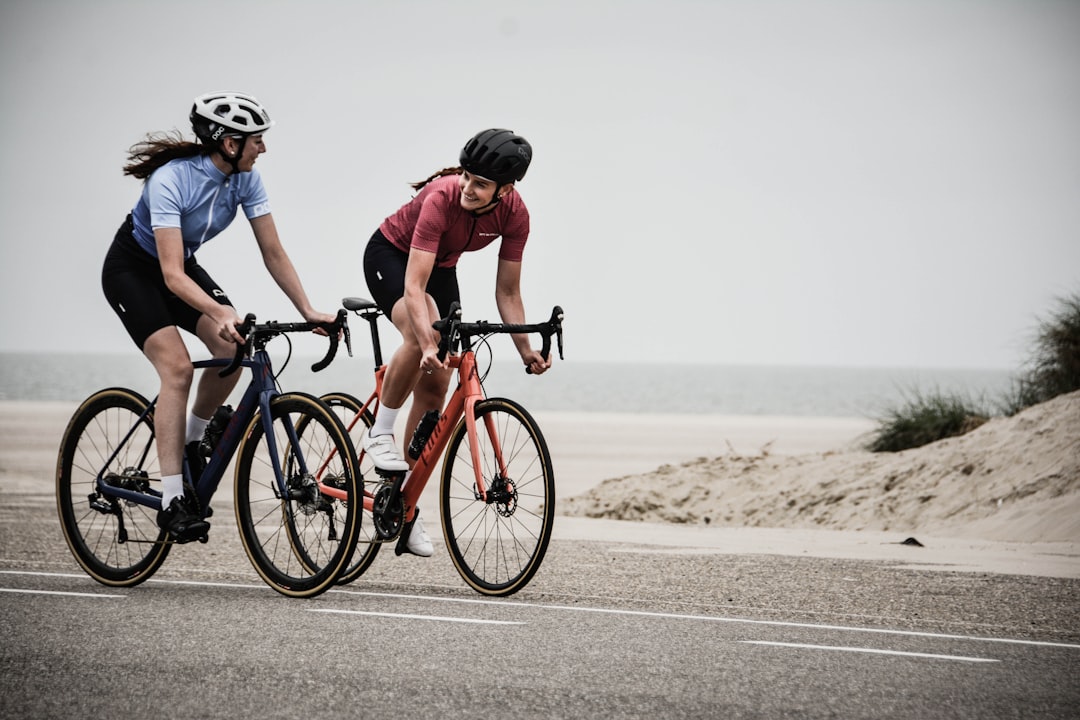
Research links regular zone 2 training to better cardiovascular efficiency, higher oxygen uptake capacity, and improved metabolic health. These markers are tied to lower risk of heart disease and a longer healthy lifespan.
This kind of training builds a strong aerobic base that makes every other type of exercise easier and your recovery faster. That is why endurance and elite athletes build a large part of their training around this low intensity.
A simple estimate: subtract your age from 220 to approximate your maximum heart rate, then aim for 60 to 70 percent of it. For a 30 year old, that is roughly 114 to 133 beats per minute.
If you do not have a heart rate watch, use the talk test: you should be able to speak in full sentences but not sing comfortably. If you are gasping, you are above zone 2 and should slow down.
Pick a steady activity like brisk walking, cycling, easy running, or rowing, and stay in your target heart rate range for 30 to 60 minutes. Start with 2 to 3 sessions a week and build the duration gradually.
The most common mistake is going too fast. Zone 2 should feel easy, almost boring. Resisting the urge to speed up is exactly what makes this training effective.
Both are useful and both have a place. Zone 2 builds the aerobic base, recovery, and fat burning at low stress, while high intensity work develops peak capacity in less time but with more fatigue. The best mix for most people is mostly zone 2 with a little high intensity work.
Yes, because it uses fat for fuel and lets you burn plenty of calories at low stress. But fat loss ultimately depends on total calories, so use it as a tool inside a good nutrition plan.
2 to 4 sessions a week suit most people, each 30 to 60 minutes. It is gentle enough to add without clashing with your weight training.
Yes, if it is brisk enough to raise your heart rate into the zone 2 range. For many beginners, brisk walking is a perfect way to start.
Zone 2 training is simple, sustainable, and science backed. Stay at 60 to 70 percent of your max heart rate, or a pace where you can talk, for 30 to 60 minutes several times a week. It builds your heart health and aerobic base and burns fat without wearing you out.
Your Next Step
Cardio works best as part of a plan that combines training, nutrition, and recovery. At Hustle Nation we build you a clear plan around your goal.
Book Your Free ConsultationAll information is based on peer reviewed research. This article is educational and does not constitute medical advice.
%20scale(0.92)'%3e%3cpath%20d='M%2046%2010%20A%2040%2040%200%200%200%2046%2090%20L%2046%2078%20A%209.5%209.5%200%200%201%2030.2%2069.8%20A%2011%2011%200%200%201%2022%2050%20A%2011%2011%200%200%201%2030.2%2030.2%20A%209.5%209.5%200%200%201%2046%2022%20Z'%20fill='%23e85d1f'/%3e%3cg%20fill='none'%20stroke='%23e85d1f'%20stroke-linecap='butt'%3e%3cpath%20d='M%2046%2038%20A%2012%2012%200%200%200%2046%2062'%20stroke-width='10'/%3e%3cpath%20d='M%2046%2050%20H%2056'%20stroke-width='10'/%3e%3c/g%3e%3cg%20fill='%23e85d1f'%3e%3crect%20x='56'%20y='16'%20width='12'%20height='68'/%3e%3crect%20x='74'%20y='28'%20width='10'%20height='44'/%3e%3crect%20x='90'%20y='40'%20width='8'%20height='20'/%3e%3c/g%3e%3c/g%3e%3cg%20fill='%23f7f4ef'%3e%3cpath%20d='M259.64,507.88h14.26v26.01h23.73v-26.01h14.26v64.25h-14.26v-26.01h-23.73v26.01h-14.26v-64.25Z'/%3e%3cpath%20d='M321.6,507.88h14.27v46.33c0,3.14,2.55,5.68,5.69,5.69h12.35c3.14,0,5.68-2.55,5.69-5.69v-46.33h14.27v47.41c-.03,9.29-7.55,16.81-16.84,16.84h-18.59c-9.29-.03-16.81-7.55-16.84-16.84v-47.41Z'/%3e%3cpath%20d='M399.04,507.88h42.49v12.23h-41.77c-2.08,0-3.77,1.69-3.77,3.77v6.08l27.82,6.38c5.98,1.32,10.22,6.65,10.18,12.78v5.7c-.03,9.55-7.76,17.29-17.32,17.32h-34.95v-12.23h34.23c2.08,0,3.77-1.69,3.77-3.77v-6.09l-27.77-6.37c-5.98-1.33-10.22-6.65-10.18-12.78v-.78c-.03-.44-.05-.87-.05-1.32v-3.6c.03-9.55,7.76-17.29,17.32-17.32Z'/%3e%3cpath%20d='M489.97,507.88v12.23h-19v52.02h-14.26v-52.02h-19v-12.23h52.26Z'/%3e%3cpath%20d='M521.03,572.13h-8.81c-9.55-.03-17.29-7.76-17.32-17.32v-46.93h14.26v48.25c0,2.08,1.69,3.77,3.77,3.77h34.23v12.23h-26.13Z'/%3e%3cpath%20d='M551.62,525.19c.03-9.55,7.76-17.29,17.32-17.32h34.95v12.23h-34.23c-2.08,0-3.77,1.69-3.77,3.77v32.25c0,2.08,1.69,3.77,3.77,3.77h34.23v12.23h-34.95c-9.55-.03-17.29-7.76-17.32-17.32v-29.61h0ZM593.83,533.89v12.23h-30.86v-12.23h30.86Z'/%3e%3c/g%3e%3cg%20fill='%23e85d1f'%3e%3cpath%20d='M608.34,507.88h17.23l20.77,42.48v-42.48h14.27v64.25h-17.23l-20.77-42.48v42.48h-14.26v-64.25Z'/%3e%3cpath%20d='M709.53,513.95l20.87,58.17h-15.16l-17.1-47.66-17.1,47.66h-15.15l20.87-58.17c1.27-3.67,4.75-6.12,8.63-6.08h5.5c3.89-.04,7.36,2.41,8.64,6.08Z'/%3e%3cpath%20d='M775.25,507.88v12.23h-19v52.02h-14.26v-52.02h-19v-12.23h52.26Z'/%3e%3cpath%20d='M780.72,572.13v-64.25h14.26v64.25h-14.26Z'/%3e%3cpath%20d='M856.39,525.19v29.61c-.03,9.55-7.76,17.29-17.32,17.32h-17.63c-9.55-.03-17.29-7.76-17.32-17.32v-29.61c.03-9.55,7.76-17.29,17.32-17.32h17.63c9.55.03,17.29,7.76,17.32,17.32ZM838.36,559.9c2.08,0,3.77-1.69,3.77-3.77v-32.25c0-2.08-1.69-3.77-3.77-3.77h-16.19c-2.08,0-3.77,1.69-3.77,3.77v32.25c0,2.08,1.69,3.77,3.77,3.77h16.19Z'/%3e%3cpath%20d='M865.54,507.88h17.23l20.77,42.48v-42.48h14.27v64.25h-17.23l-20.77-42.48v42.48h-14.26v-64.25Z'/%3e%3c/g%3e%3cpolygon%20fill='%23f7f4ef'%20points='703.28%20559.9%20707.67%20572.13%20688.63%20572.13%20693.01%20559.9%20703.28%20559.9'/%3e%3c/svg%3e)