%20scale(0.92)'%3e%3cpath%20d='M%2046%2010%20A%2040%2040%200%200%200%2046%2090%20L%2046%2078%20A%209.5%209.5%200%200%201%2030.2%2069.8%20A%2011%2011%200%200%201%2022%2050%20A%2011%2011%200%200%201%2030.2%2030.2%20A%209.5%209.5%200%200%201%2046%2022%20Z'%20fill='%23e85d1f'/%3e%3cg%20fill='none'%20stroke='%23e85d1f'%20stroke-linecap='butt'%3e%3cpath%20d='M%2046%2038%20A%2012%2012%200%200%200%2046%2062'%20stroke-width='10'/%3e%3cpath%20d='M%2046%2050%20H%2056'%20stroke-width='10'/%3e%3c/g%3e%3cg%20fill='%23e85d1f'%3e%3crect%20x='56'%20y='16'%20width='12'%20height='68'/%3e%3crect%20x='74'%20y='28'%20width='10'%20height='44'/%3e%3crect%20x='90'%20y='40'%20width='8'%20height='20'/%3e%3c/g%3e%3c/g%3e%3cg%20fill='%23f7f4ef'%3e%3cpath%20d='M259.64,507.88h14.26v26.01h23.73v-26.01h14.26v64.25h-14.26v-26.01h-23.73v26.01h-14.26v-64.25Z'/%3e%3cpath%20d='M321.6,507.88h14.27v46.33c0,3.14,2.55,5.68,5.69,5.69h12.35c3.14,0,5.68-2.55,5.69-5.69v-46.33h14.27v47.41c-.03,9.29-7.55,16.81-16.84,16.84h-18.59c-9.29-.03-16.81-7.55-16.84-16.84v-47.41Z'/%3e%3cpath%20d='M399.04,507.88h42.49v12.23h-41.77c-2.08,0-3.77,1.69-3.77,3.77v6.08l27.82,6.38c5.98,1.32,10.22,6.65,10.18,12.78v5.7c-.03,9.55-7.76,17.29-17.32,17.32h-34.95v-12.23h34.23c2.08,0,3.77-1.69,3.77-3.77v-6.09l-27.77-6.37c-5.98-1.33-10.22-6.65-10.18-12.78v-.78c-.03-.44-.05-.87-.05-1.32v-3.6c.03-9.55,7.76-17.29,17.32-17.32Z'/%3e%3cpath%20d='M489.97,507.88v12.23h-19v52.02h-14.26v-52.02h-19v-12.23h52.26Z'/%3e%3cpath%20d='M521.03,572.13h-8.81c-9.55-.03-17.29-7.76-17.32-17.32v-46.93h14.26v48.25c0,2.08,1.69,3.77,3.77,3.77h34.23v12.23h-26.13Z'/%3e%3cpath%20d='M551.62,525.19c.03-9.55,7.76-17.29,17.32-17.32h34.95v12.23h-34.23c-2.08,0-3.77,1.69-3.77,3.77v32.25c0,2.08,1.69,3.77,3.77,3.77h34.23v12.23h-34.95c-9.55-.03-17.29-7.76-17.32-17.32v-29.61h0ZM593.83,533.89v12.23h-30.86v-12.23h30.86Z'/%3e%3c/g%3e%3cg%20fill='%23e85d1f'%3e%3cpath%20d='M608.34,507.88h17.23l20.77,42.48v-42.48h14.27v64.25h-17.23l-20.77-42.48v42.48h-14.26v-64.25Z'/%3e%3cpath%20d='M709.53,513.95l20.87,58.17h-15.16l-17.1-47.66-17.1,47.66h-15.15l20.87-58.17c1.27-3.67,4.75-6.12,8.63-6.08h5.5c3.89-.04,7.36,2.41,8.64,6.08Z'/%3e%3cpath%20d='M775.25,507.88v12.23h-19v52.02h-14.26v-52.02h-19v-12.23h52.26Z'/%3e%3cpath%20d='M780.72,572.13v-64.25h14.26v64.25h-14.26Z'/%3e%3cpath%20d='M856.39,525.19v29.61c-.03,9.55-7.76,17.29-17.32,17.32h-17.63c-9.55-.03-17.29-7.76-17.32-17.32v-29.61c.03-9.55,7.76-17.29,17.32-17.32h17.63c9.55.03,17.29,7.76,17.32,17.32ZM838.36,559.9c2.08,0,3.77-1.69,3.77-3.77v-32.25c0-2.08-1.69-3.77-3.77-3.77h-16.19c-2.08,0-3.77,1.69-3.77,3.77v32.25c0,2.08,1.69,3.77,3.77,3.77h16.19Z'/%3e%3cpath%20d='M865.54,507.88h17.23l20.77,42.48v-42.48h14.27v64.25h-17.23l-20.77-42.48v42.48h-14.26v-64.25Z'/%3e%3c/g%3e%3cpolygon%20fill='%23f7f4ef'%20points='703.28%20559.9%20707.67%20572.13%20688.63%20572.13%20693.01%20559.9%20703.28%20559.9'/%3e%3c/svg%3e)
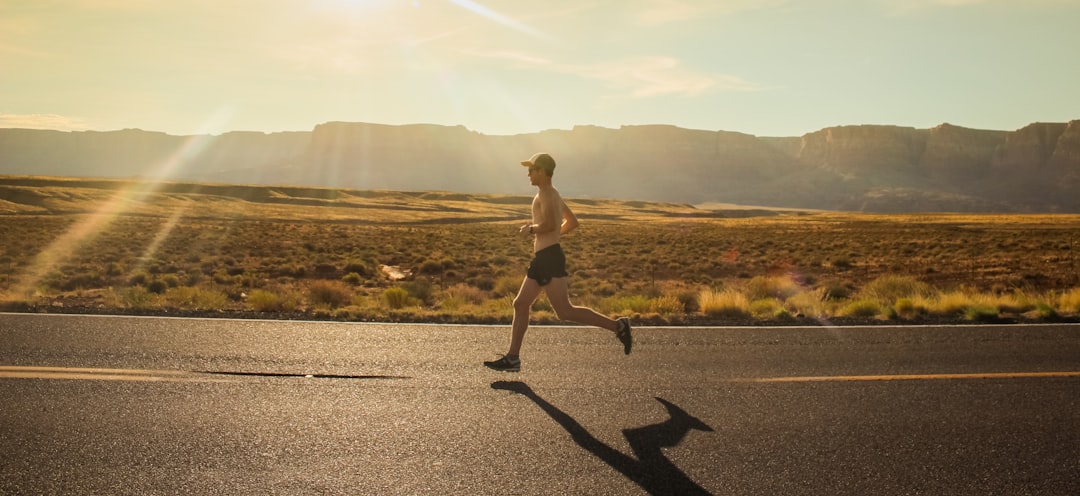
Dubai summer regularly exceeds 45 degrees Celsius (113 degrees Fahrenheit) with humidity levels that make it feel even hotter. In these conditions, outdoor performance drops by 10 to 20 percent, even for acclimatized athletes. If you train regularly in Dubai or the UAE, heat acclimatization training can help your body adapt to the heat and maintain performance and safety.
This guide explains what heat acclimatization training is, how it works, who benefits, and how to apply it safely in Dubai summer.
What is Heat Acclimatization
Heat acclimatization is the process of training your body to perform better in hot environments. Through gradual regular exposure to heat, your body becomes more efficient at cooling itself.
Full acclimatization usually takes 10 to 14 days of consistent exposure. Early adaptations begin within 3 to 5 days, but full benefits require two weeks.
The key physiological changes that happen during heat acclimatization include: earlier onset of sweating, meaning your body starts cooling sooner; increased sweat production, which improves evaporative cooling; improved blood flow to the skin to dissipate heat; plasma volume expansion, which improves cardiovascular function in heat; and reduced salt lost in sweat, which preserves electrolyte balance.
Research from Ohio State University, Brown Health, and Shinshu University in Japan confirms that these adaptations improve performance and comfort in heat.
Who Benefits from Heat Acclimatization
Heat acclimatization helps anyone who trains regularly in Dubai or the UAE, especially during the summer months from June to September.
If you are an endurance athlete - runners, cyclists, football players, or anyone training outdoors for more than 30 minutes - acclimatization significantly improves performance and safety in heat.
If you work outdoors - construction workers, security staff, or anyone with a job requiring hours outside - acclimatization reduces the risk of heat stress and heat exhaustion.
If you are training for an event in a hot environment - a marathon, trail race, or sports competition - acclimatizing two weeks in advance is a major competitive advantage.
If you are new to Dubai or the UAE from a cooler climate, gradual acclimatization over the first two weeks makes training more comfortable and safer.
How to Apply Heat Acclimatization Safely
Heat acclimatization requires a gradual structured approach. Here is how to do it safely.
Phase 1 (Days 1-4): Exercise at 50 percent of your normal training intensity for 20 to 30 minutes in the heat. If you normally run for 60 minutes, cut it to 20 to 30 minutes at an easy slower pace. The goal is heat exposure, not hard training.
Phase 2 (Days 5-8): Increase to 60 to 70 percent of normal intensity for 30 to 45 minutes. Add moderate intensity and duration gradually, but stay below hard training.
Phase 3 (Days 9-14): Gradually return to 75 to 85 percent of normal intensity for 45 to 60 minutes. By day 14, you should be able to train near your normal levels, though with minor adjustments for heat.
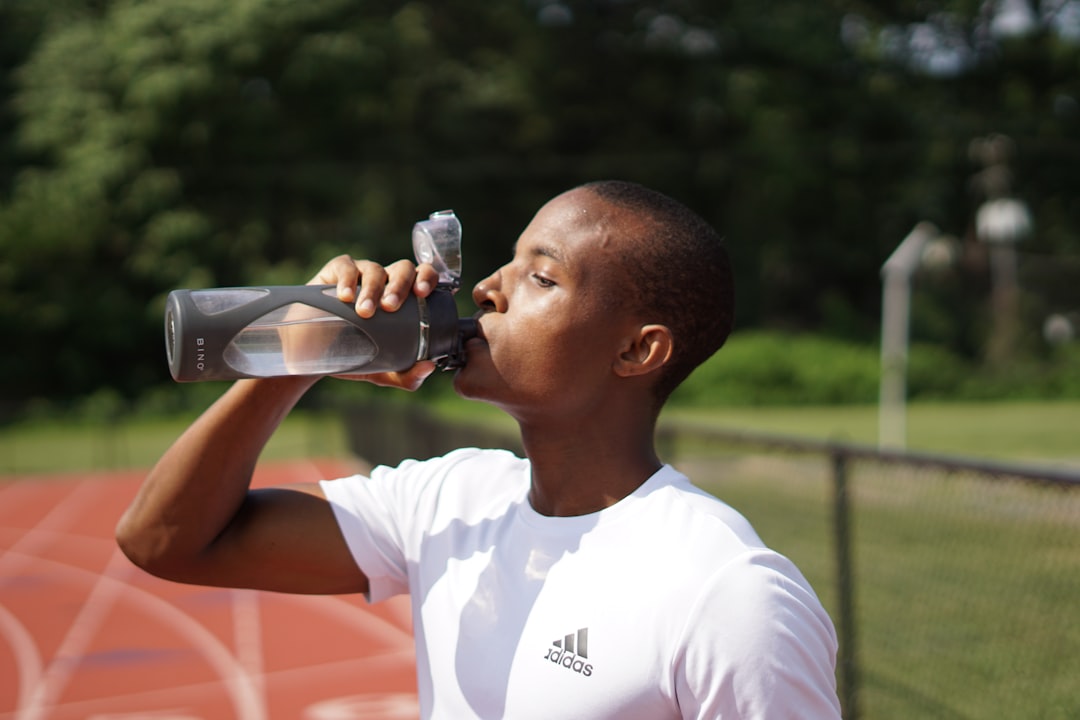
Hydration rules during heat acclimatization: drink 400 to 600 ml of water two hours before exercise. Drink 150 to 250 ml every 15 to 20 minutes during exercise. Drink 500 to 700 ml for each kilogram of body weight lost after exercise. In Dubai summer, a practical target is often 3 liters or more daily.
Training timing in Dubai: avoid the hottest part of the day, from 10 am to 4 pm, to protect from the risk of heatstroke. Train before 8 am or after 6 pm when temperatures are slightly lower.
Never train alone outdoors in summer. Always exercise with a partner or in a group when training outdoors in summer. This reduces the risk of undetected medical emergencies.
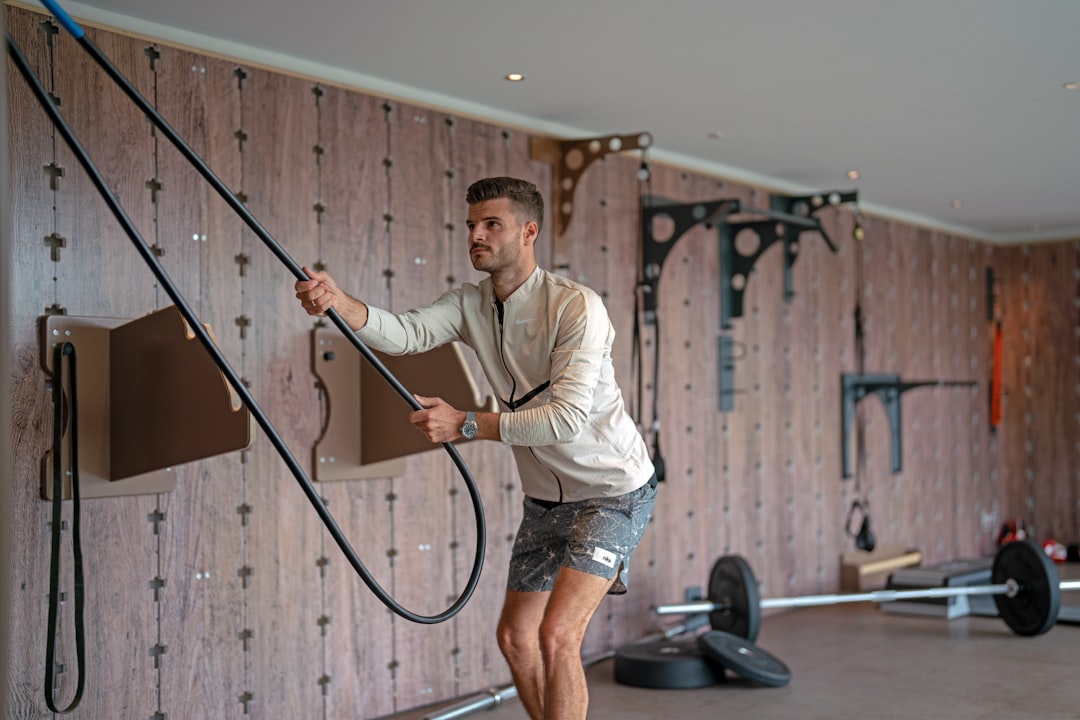
Keep most training indoors. Shift 80 to 90 percent of summer training indoors. Save outdoor sessions for early morning only.
Consider adding an extra rest day per week during peak summer. Heat increases stress on your body, and recovery takes longer.
The Research on Training in Heat and Humidity
The research is clear: heat and humidity significantly reduce performance, but acclimatization helps.
A 2026 study from the National Center for Biotechnology Information showed that elevated humidity reduces power output and exacerbates thermal and cardiovascular strain during exercise in the heat, resulting in marked performance impairments.
Another study from the National Institutes of Health found that endurance events are increasingly unfolding in high temperatures, prompting athletes to train in the heat to better manage strain and reduce risk.
Research from St Mary University in London and National Geographic confirms that heat acclimation helps the body sweat earlier and more efficiently, improving its ability to regulate temperature.
The true power of heat acclimation lies in its ability to benefit performance year round. By integrating heat exposure into your routine, even in cooler months, you enhance endurance across all conditions.
Common Mistakes to Avoid
Acclimatizing too fast. Going from indoor training to 60 minutes outdoors in full heat on day one significantly increases the risk of heat exhaustion and heatstroke. Follow the 14 day protocol.
Ignoring hydration. If you wait until you feel thirsty, you are already dehydrated. Drink regularly before, during, and after exercise, even if you do not feel thirsty.
Ignoring warning signs. Dizziness, nausea, headache, confusion, extreme weakness, or stopping sweating are all danger signs. Stop immediately, move to shade or air conditioning, drink water, and seek medical help if symptoms do not improve within minutes.
Trying to maintain the same performance as in cool weather. Even after full acclimatization, performance in heat remains 5 to 10 percent slower than cool weather. Accept this and adjust your expectations.
Training during the hottest part of the day. From 10 am to 4 pm in Dubai summer is dangerous. Stick to cooler hours.
The Bottom Line
Heat acclimatization is a proven process that improves performance and safety in Dubai and UAE hot environments. It takes 10 to 14 days of gradual regular exposure, requires careful hydration, smart timing, and respect for warning signs.
Shifting 80 to 90 percent of summer training indoors, and saving outdoor sessions for early morning only, reduces risk while maintaining fitness. Learn more about progressive overload in training and exercise for weight management.
If you are new to Dubai or the UAE, preparing for an event in heat, or simply want to maintain your training year round, heat acclimatization is a smart investment in performance and safety.
Need Help with Your Training?
Let me build you a program that fits your goals, schedule, and environment.
Book a Free Consultation