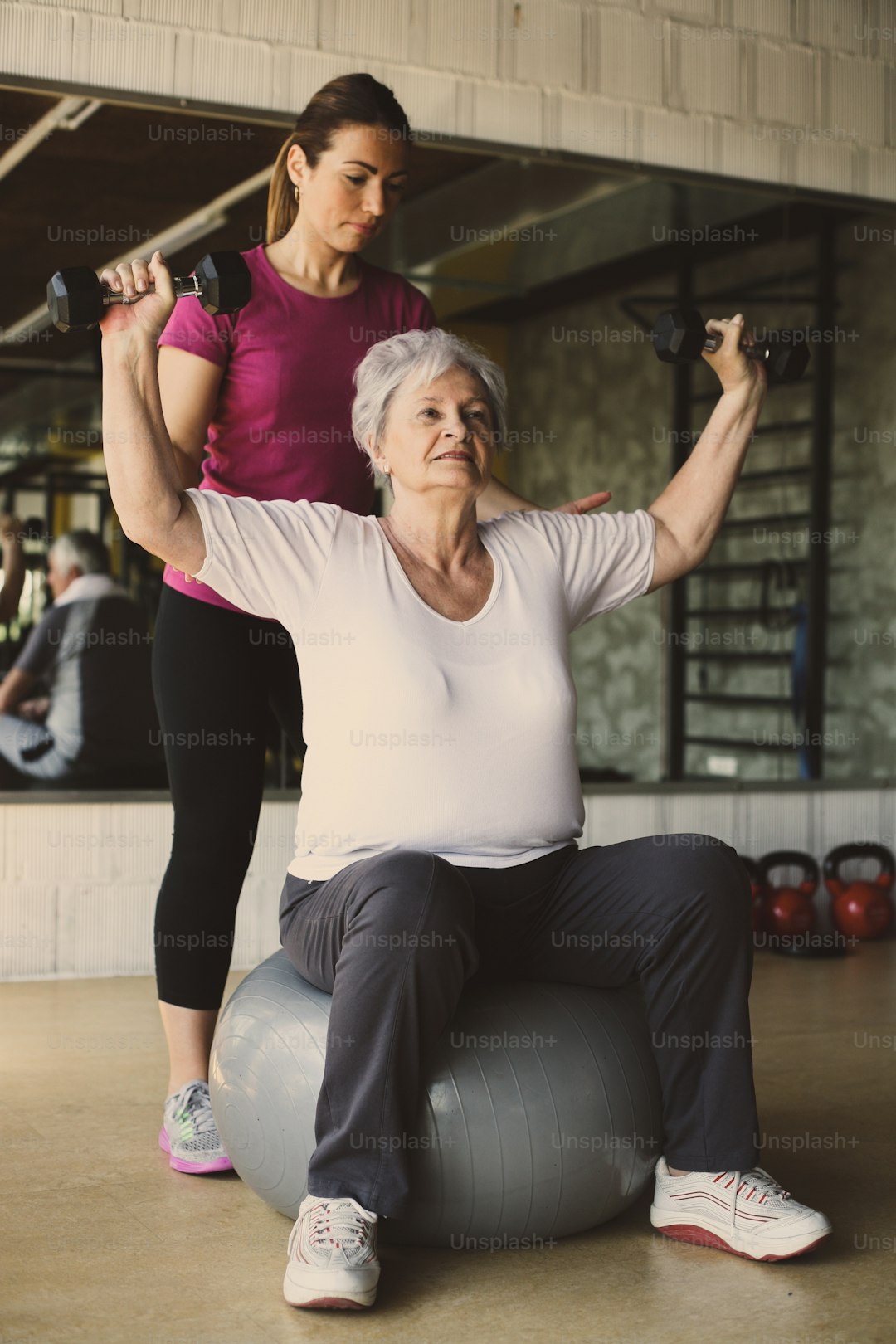
The new research on muscle strength and healthspan, and the practical steps to start today
People are no longer training just to look better. They are training to live better and longer. This shift in goal, from appearance to longevity, is now the number one fitness trend for 2026 according to the American College of Sports Medicine. Longevity training focuses on strength, mobility, balance, and cardiovascular health, with the aim of staying independent and active in your fifties, sixties, seventies and beyond.
And the research is clear: muscle strength is directly linked to longevity. A new 2026 study published in the British Journal of Sports Medicine followed participants for up to 30 years and showed that stronger muscles are associated with longer life, and that the benefit is greater when strength training is combined with aerobic exercise. Longevity is not just about how many years you live, but about the quality of those years.
Muscle strength is not just about lifting heavier weights in the gym. It is about maintaining your independence as you age. The ability to stand up from a chair, carry groceries, play with grandchildren, walk confidently without fear of falling, all of that depends on strength and muscle mass.
New research from the Washington Post in March 2026 found that grip strength in particular is associated with longevity and offers a practical screening tool for aging related risk. Even when controlling for aerobic fitness and daily physical activity, stronger muscles were associated with longevity, especially in women. This means strength training has a unique and independent role in health that cannot be replaced by walking or running alone.
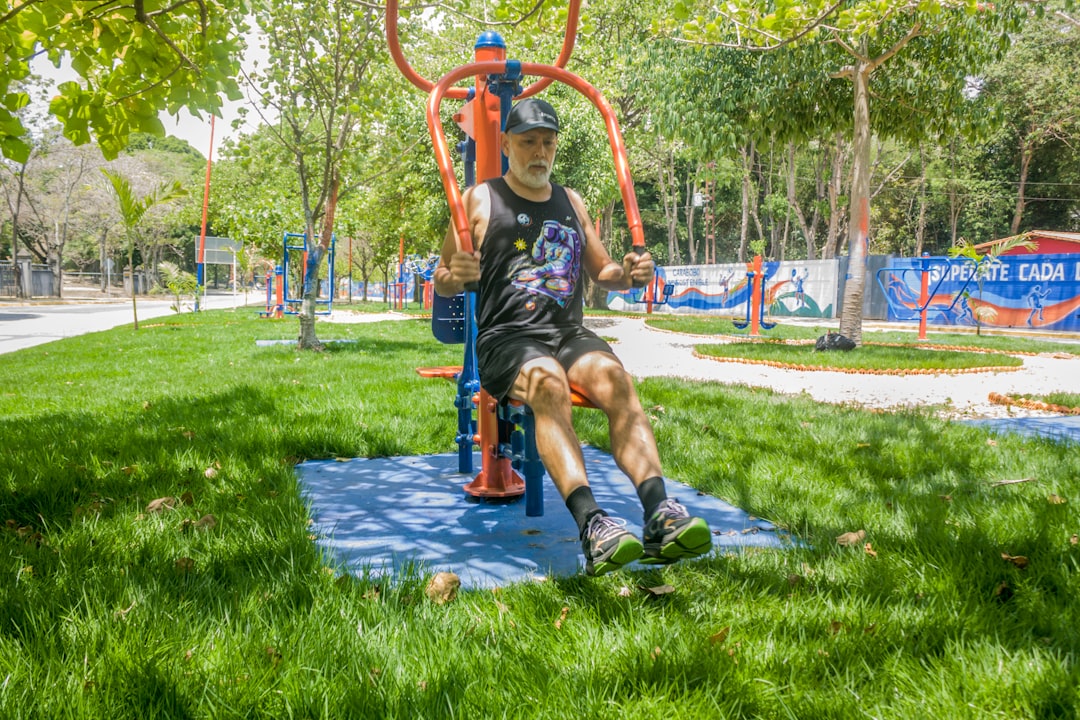
A study published in June 2026 in Science Daily identified the sweet spot for strength training for a longer life. The result? You do not need to spend hours in the gym. Even two to three sessions per week, each targeting major muscle groups, were sufficient to improve long term health outcomes. Progressive resistance training primarily improves mitochondrial quality, supports repair processes, and indirectly supports autophagy.
Other research in the Journal of Applied Physiology 2023 showed that older adults who strength train maintain independence longer, reduce the risk of falls, and lower hospitalization duration and associated health problems. Strength equals health, and health equals more freedom in later years.
Longevity training is not complicated. It builds on strength training fundamentals, with a focus on functional movements that translate to daily life. Here is where to start:
**1. Focus on compound movements**: Exercises like squats, deadlifts, presses (push ups or bench press), pulls (pull ups or rows), and carries (farmer carries). These target multiple muscle groups at once, mimic natural movement, and build functional strength. (Read more about functional fitness training )
**2. Start with bodyweight or light weights**: You do not need heavy weights to see benefits. Bodyweight exercises like squats, lunges, push ups, and bridges build muscular endurance and are a great starting point. When you become comfortable, add weights gradually.
**3. Progress slowly**: Progressive overload is the key. Add weight, reps, or sets gradually over weeks. You do not need to train to failure every set, but you do need to challenge your muscles.
**4. Combine strength and aerobic work**: The combination of strength training and walking, jogging, swimming, or cycling gives the best longevity results. Aim for at least 150 minutes of moderate intensity activity or 75 minutes of high intensity activity per week, plus two to three strength sessions.
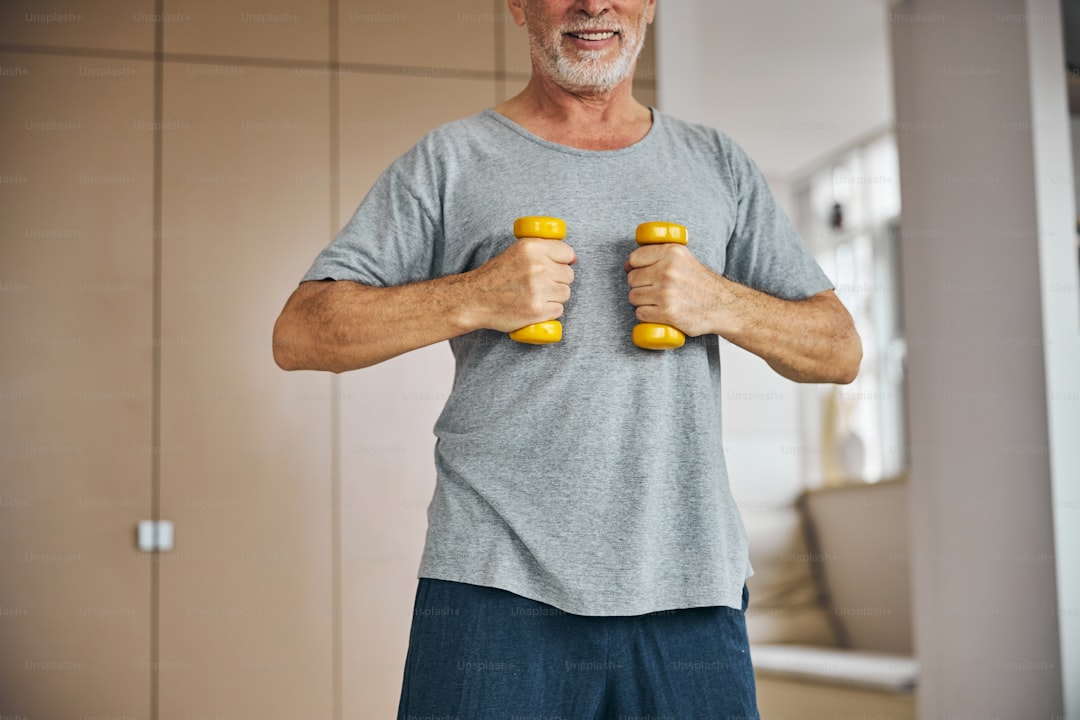
Muscle strength alone is not enough. Balance and mobility are also critical factors in maintaining independence. Falls are a major cause of injury in older adults, and improving balance significantly reduces this risk. Simple exercises like standing on one leg, walking a straight line, or yoga and tai chi improve balance.
Mobility, or range of motion in your joints, ensures you can move freely without pain. If you cannot bend down to tie your shoe or raise your arm overhead, strength alone will not solve the problem. Dedicate 10 to 15 minutes daily to mobility and stretching work, especially for the hip, shoulder, spine, and ankle.
Everyone. Regardless of your current age or fitness level, longevity training benefits you. But it is especially important if you are:
**In your forties or older**: After age thirty, you lose about 3 to 5 percent of your muscle mass every ten years if you do not strength train. This accelerates after fifty. Strength training slows or reverses this loss.
**Working a desk job or have a sedentary life**: Sitting for long hours weakens muscles, reduces bone density, and increases the risk of chronic disease. Strength training compensates for that.
**Want to stay active and independent in your later years**: If your goal is to live well, not just live long, longevity training is the path.
Here is a simple longevity training template you can start today:
**Monday: Strength (Lower Body + Core)**<br>Squats (3 sets of 8-12 reps)<br>Single leg deadlift (2 sets of 10 each side)<br>Plank (3 sets of 30-60 seconds)<br>Hip bridge (2 sets of 12 reps)
**Wednesday: Strength (Upper Body + Balance)**<br>Push ups or dumbbell press (3 sets of 8-12 reps)<br>Dumbbell rows (3 sets of 10 reps each side)<br>Overhead press (2 sets of 10 reps)<br>Single leg stand (3 sets of 30 seconds each side)
**Friday: Strength (Full Body + Carries)**<br>Lunges (3 sets of 10 each side)<br>Deadlift (2 sets of 8 reps)<br>Inverted rows or pull ups (3 sets of max reps)<br>Farmer carry (2 sets of 30-40 meters)
**Tuesday, Thursday, Saturday: Aerobic + Mobility**<br>Walk, jog, swim, or cycle (30-45 minutes)<br>Mobility and stretching work (10-15 minutes)
**Sunday: Rest or light activity**<br>Light walk, yoga, or full rest.
Longevity training is not a trend, it is an investment in the quality of your future life. The research is clear: muscle strength, balance, mobility, and cardiovascular health are all linked to a longer and better life. You do not need hours in the gym or expensive equipment. You need a simple and consistent program that focuses on compound movements, gradual progression, and the combination of strength and aerobic work.
Start today. Your sixty year old self will thank you.
Join Hustle Nation and start a personalized training program that builds strength, mobility, and health for years to come
Start Today%20scale(0.92)'%3e%3cpath%20d='M%2046%2010%20A%2040%2040%200%200%200%2046%2090%20L%2046%2078%20A%209.5%209.5%200%200%201%2030.2%2069.8%20A%2011%2011%200%200%201%2022%2050%20A%2011%2011%200%200%201%2030.2%2030.2%20A%209.5%209.5%200%200%201%2046%2022%20Z'%20fill='%23e85d1f'/%3e%3cg%20fill='none'%20stroke='%23e85d1f'%20stroke-linecap='butt'%3e%3cpath%20d='M%2046%2038%20A%2012%2012%200%200%200%2046%2062'%20stroke-width='10'/%3e%3cpath%20d='M%2046%2050%20H%2056'%20stroke-width='10'/%3e%3c/g%3e%3cg%20fill='%23e85d1f'%3e%3crect%20x='56'%20y='16'%20width='12'%20height='68'/%3e%3crect%20x='74'%20y='28'%20width='10'%20height='44'/%3e%3crect%20x='90'%20y='40'%20width='8'%20height='20'/%3e%3c/g%3e%3c/g%3e%3cg%20fill='%23f7f4ef'%3e%3cpath%20d='M259.64,507.88h14.26v26.01h23.73v-26.01h14.26v64.25h-14.26v-26.01h-23.73v26.01h-14.26v-64.25Z'/%3e%3cpath%20d='M321.6,507.88h14.27v46.33c0,3.14,2.55,5.68,5.69,5.69h12.35c3.14,0,5.68-2.55,5.69-5.69v-46.33h14.27v47.41c-.03,9.29-7.55,16.81-16.84,16.84h-18.59c-9.29-.03-16.81-7.55-16.84-16.84v-47.41Z'/%3e%3cpath%20d='M399.04,507.88h42.49v12.23h-41.77c-2.08,0-3.77,1.69-3.77,3.77v6.08l27.82,6.38c5.98,1.32,10.22,6.65,10.18,12.78v5.7c-.03,9.55-7.76,17.29-17.32,17.32h-34.95v-12.23h34.23c2.08,0,3.77-1.69,3.77-3.77v-6.09l-27.77-6.37c-5.98-1.33-10.22-6.65-10.18-12.78v-.78c-.03-.44-.05-.87-.05-1.32v-3.6c.03-9.55,7.76-17.29,17.32-17.32Z'/%3e%3cpath%20d='M489.97,507.88v12.23h-19v52.02h-14.26v-52.02h-19v-12.23h52.26Z'/%3e%3cpath%20d='M521.03,572.13h-8.81c-9.55-.03-17.29-7.76-17.32-17.32v-46.93h14.26v48.25c0,2.08,1.69,3.77,3.77,3.77h34.23v12.23h-26.13Z'/%3e%3cpath%20d='M551.62,525.19c.03-9.55,7.76-17.29,17.32-17.32h34.95v12.23h-34.23c-2.08,0-3.77,1.69-3.77,3.77v32.25c0,2.08,1.69,3.77,3.77,3.77h34.23v12.23h-34.95c-9.55-.03-17.29-7.76-17.32-17.32v-29.61h0ZM593.83,533.89v12.23h-30.86v-12.23h30.86Z'/%3e%3c/g%3e%3cg%20fill='%23e85d1f'%3e%3cpath%20d='M608.34,507.88h17.23l20.77,42.48v-42.48h14.27v64.25h-17.23l-20.77-42.48v42.48h-14.26v-64.25Z'/%3e%3cpath%20d='M709.53,513.95l20.87,58.17h-15.16l-17.1-47.66-17.1,47.66h-15.15l20.87-58.17c1.27-3.67,4.75-6.12,8.63-6.08h5.5c3.89-.04,7.36,2.41,8.64,6.08Z'/%3e%3cpath%20d='M775.25,507.88v12.23h-19v52.02h-14.26v-52.02h-19v-12.23h52.26Z'/%3e%3cpath%20d='M780.72,572.13v-64.25h14.26v64.25h-14.26Z'/%3e%3cpath%20d='M856.39,525.19v29.61c-.03,9.55-7.76,17.29-17.32,17.32h-17.63c-9.55-.03-17.29-7.76-17.32-17.32v-29.61c.03-9.55,7.76-17.29,17.32-17.32h17.63c9.55.03,17.29,7.76,17.32,17.32ZM838.36,559.9c2.08,0,3.77-1.69,3.77-3.77v-32.25c0-2.08-1.69-3.77-3.77-3.77h-16.19c-2.08,0-3.77,1.69-3.77,3.77v32.25c0,2.08,1.69,3.77,3.77,3.77h16.19Z'/%3e%3cpath%20d='M865.54,507.88h17.23l20.77,42.48v-42.48h14.27v64.25h-17.23l-20.77-42.48v42.48h-14.26v-64.25Z'/%3e%3c/g%3e%3cpolygon%20fill='%23f7f4ef'%20points='703.28%20559.9%20707.67%20572.13%20688.63%20572.13%20693.01%20559.9%20703.28%20559.9'/%3e%3c/svg%3e)